Understanding the DOE's Furnace Efficiency Mandate
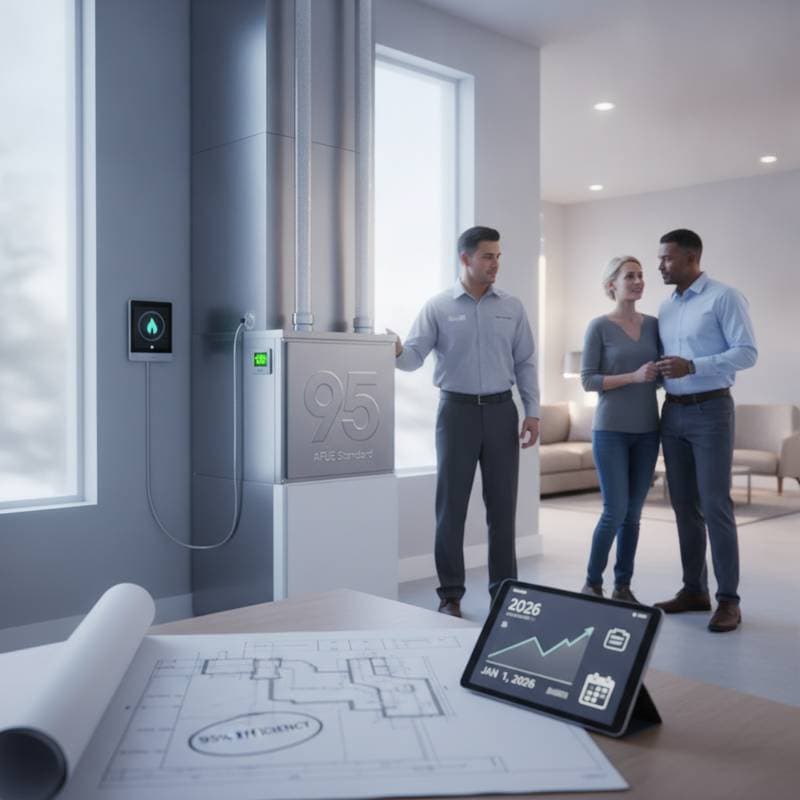
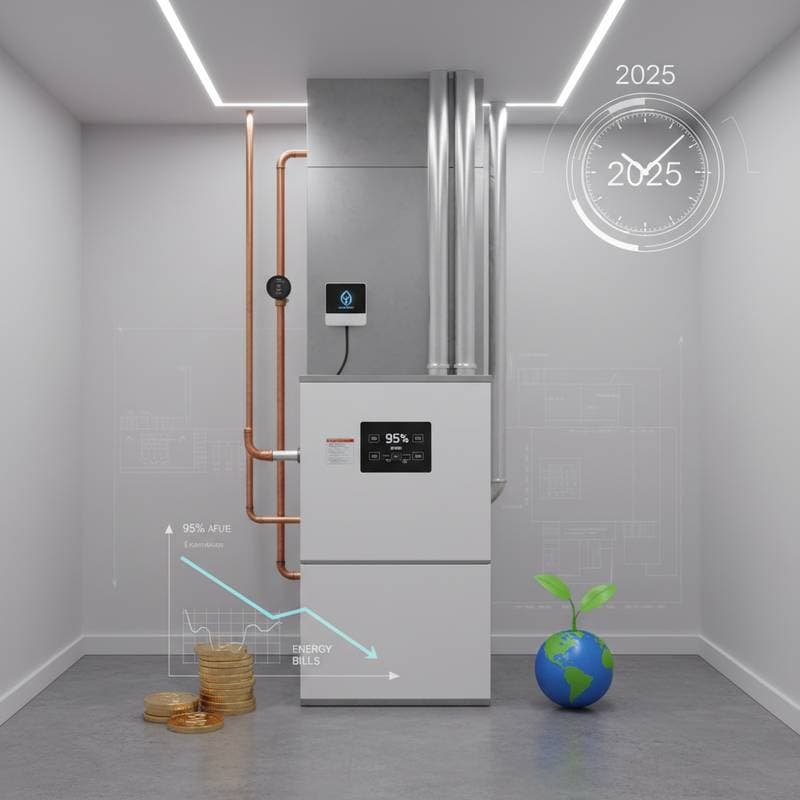
The U.S. Department of Energy (DOE) has established a new regulation that demands 95% Annual Fuel Utilization Efficiency (AFUE) for all new residential gas furnaces installed after 2029. AFUE measures how effectively a furnace converts fuel into usable heat, with higher percentages indicating less waste. This rule aims to elevate national energy standards and address environmental concerns.
Homeowners currently rely on furnaces with efficiencies often between 80% and 90% AFUE. The shift to 95% means that only 5% of the fuel's energy will be lost through exhaust, compared to higher losses in older models. Manufacturers must redesign products to meet this threshold, which will gradually phase out less efficient units from the market.
This mandate applies specifically to non-condensing gas furnaces, which dominate residential heating. Condensing furnaces, already capable of exceeding 95% efficiency, will continue to serve as a compliant option. The policy encourages widespread adoption of advanced heating technologies across the United States.
Reasons Behind the Efficiency Requirement
Energy conservation drives this DOE initiative. Residential heating accounts for a significant portion of household energy use, and inefficient furnaces contribute to unnecessary fuel consumption. By mandating 95% AFUE, the government seeks to reduce overall energy demand and lessen reliance on natural gas resources.
Environmental benefits play a central role as well. Higher efficiency translates to fewer greenhouse gas emissions from heating systems. As climate goals intensify, this standard supports broader efforts to mitigate carbon footprints without compromising comfort. Homeowners will notice indirect advantages, such as alignment with sustainability trends in their communities.
Economic factors also influence the decision. The DOE projects that nationwide implementation could save billions in energy costs over decades. For individual households, the long-term reduction in fuel expenses offsets the policy's immediate challenges. This balanced approach prioritizes future savings over short-term disruptions.
How the Mandate Affects Homeowners
Upfront costs represent the most noticeable impact. New 95% AFUE-compliant furnaces may cost 20% to 30% more than current models due to advanced components like secondary heat exchangers. Installation expenses could rise similarly, depending on home size and existing ductwork compatibility.
However, operational savings provide a counterbalance. A typical household might save $100 to $200 annually on gas bills with a 95% efficient furnace, based on average usage patterns. Over the equipment's 15- to 20-year lifespan, these reductions accumulate substantially, often recouping the higher initial investment within 5 to 10 years.
Performance enhancements accompany the efficiency gains. Modern furnaces operate more quietly and reliably, with features such as variable-speed blowers that maintain consistent temperatures. Homeowners benefit from improved air quality and reduced maintenance needs, as these units handle heat distribution more effectively.
Regional variations add complexity. In colder climates, the mandate delivers greater value through amplified savings, while milder areas see more modest returns. Homeowners in older homes with outdated systems face the most adjustment, as retrofitting may require professional assessments.
Steps to Prepare for the 2029 Transition
Assess your current furnace early to gauge readiness. Schedule a professional inspection to determine the age, efficiency rating, and condition of your existing unit. Many systems installed before 2010 fall below 90% AFUE and may warrant replacement before the deadline.
Consider upgrading proactively if your furnace nears the end of its service life. Purchasing a high-efficiency model now avoids rushed decisions in 2029 and may qualify for available incentives. Look for units certified by organizations like Energy Star, which often exceed the minimum standard.
- Evaluate home heating needs: Factor in square footage, insulation quality, and family size to select an appropriately sized furnace.
- Budget for installation: Allocate funds for professional services, including venting modifications required for condensing units.
- Explore financing options: Inquire about low-interest loans or rebates through utility programs that support energy-efficient upgrades.
- Maintain current equipment: Regular tune-ups extend the life of your existing furnace, delaying replacement costs.
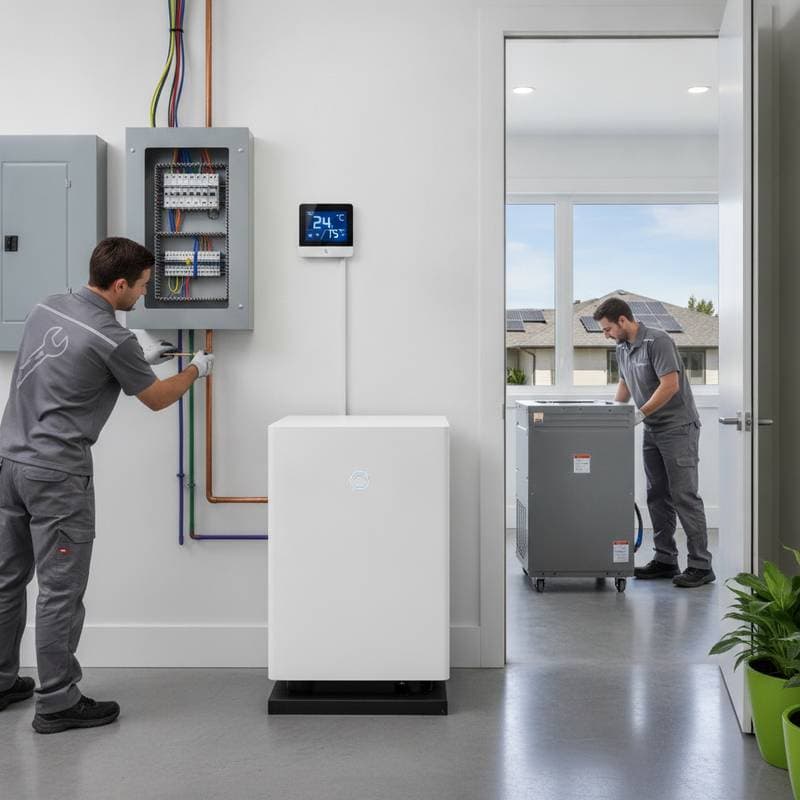
- Consult certified technicians: Choose HVAC professionals experienced in high-efficiency installations to ensure compliance and optimal performance.
These actions position homeowners to navigate the change smoothly. Early planning minimizes disruptions during peak heating seasons.
Realizing Savings and Sustainability Gains
The 95% AFUE mandate fosters a more efficient home heating landscape. Homeowners who adapt will enjoy lower utility statements and enhanced system reliability. Beyond finances, the policy contributes to a cleaner environment, with collective reductions in emissions benefiting public health and ecosystems.
Investing in compliance today secures comfort for tomorrow. High-efficiency furnaces integrate seamlessly with smart home technologies, allowing precise control over energy use. As the standard becomes commonplace, resale values for updated homes may increase, rewarding forward-thinking owners.
This transition marks a pivotal step toward energy independence. By embracing the DOE's requirements, individuals support national progress while reaping personal advantages in efficiency and cost management.