2025 Heat Pump Noise Limits: State Decibel Rules Unveiled
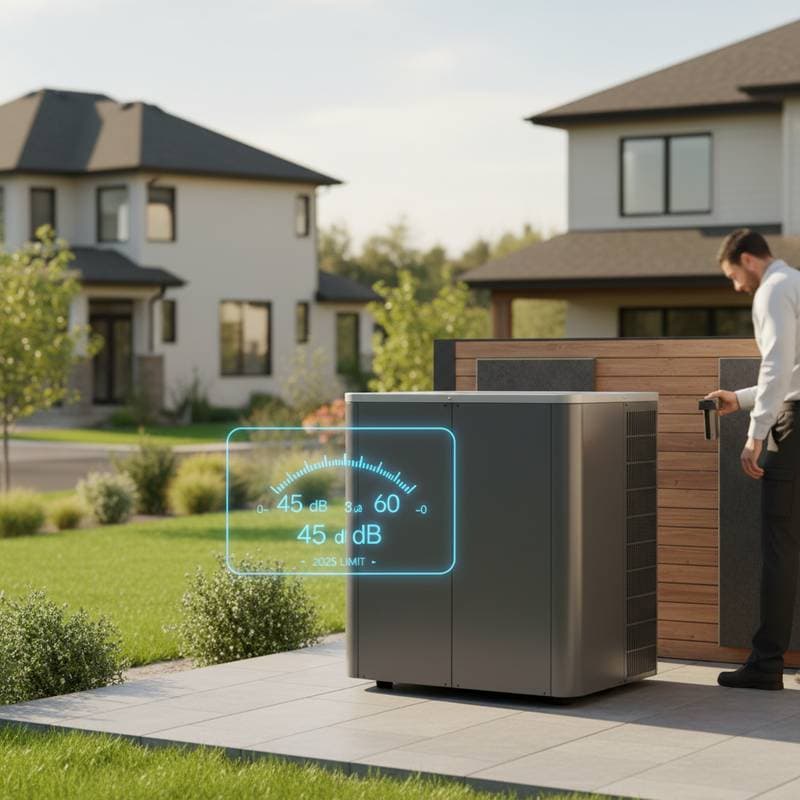
Homeowners nationwide encounter new state regulations on heat pump noise for residential setups. These rules aim to curb neighborhood disturbances while supporting energy-efficient heating and cooling. Limits for outdoor units typically range from 45 to 60 decibels, varying by state, time of day, and property category. This overview details the regulations, compliance methods, and solutions for noisy systems.
Quick Answer Box
| Item | Typical Range |
|---|---|
| Average Residential Noise Limit | 45 - 60 dB |
| Daytime Allowance | Up to 60 dB |
| Nighttime Allowance | 45 - 50 dB |
| Average Modern Heat Pump Noise Level | 40 - 55 dB |
| Common Violation Threshold | Above 60 dB near property line |
Average Heat Pump Noise Limits
States enforce noise controls for outdoor residential equipment via local or statewide codes. Standards apply measurements at the property boundary or closest neighbor's home.
Daytime use permits up to 60 decibels, comparable to everyday conversation. Nighttime caps stand at 45 to 50 decibels, akin to a serene suburban backdrop. These measures harmonize efficiency gains with residential tranquility. Exceeding limits often necessitates mitigation like barriers or repositioning.
Key Factors That Affect Heat Pump Noise Levels
Several elements shape heat pump sound output, from unit construction to site conditions. Grasping these aids in selecting low-noise options and preventing regulatory issues.
Unit Size (Tonnage and Capacity)
Higher-tonnage units generate greater airflow and compressor hum. Proper sizing matches home needs to avoid frequent cycling, which boosts noise and energy use. Consult an HVAC expert to calculate exact requirements based on square footage and insulation.
Compressor Type
Inverter or variable-speed compressors run smoother by modulating output incrementally. Single-stage models spike in volume during startups, risking nighttime breaches. Prioritize units with advanced compressors for consistent quiet performance.
Fan Design and Blade Shape
Contemporary fans employ curved blades to minimize air turbulence and shakes. Legacy flat-blade designs amplify sound. Select models with certified low-vibration fans to cut noise by 3-5 decibels.
Installation Location
Positioning near hard surfaces or enclosures intensifies echoes. Use anti-vibration pads and site units 10-15 feet from walls or fences. Distance from bedrooms ensures sounds dissipate before reaching sensitive areas.
Surrounding Environment
Vegetation, fences, and structures alter sound propagation. Plant tall evergreens or install wood panels to absorb waves, potentially dropping levels by 5 decibels. Maintain clearance for airflow to prevent efficiency losses.
Types of Heat Pumps and Their Typical Sound Levels
Heat pump varieties differ in noise profiles based on design and setup. Evaluate these to match your needs.
Air-Source Heat Pumps
Standard for homes, these extract heat from outdoor air.
Pros:
- Cost-effective and accessible
- Integrated quiet-tech in recent models
Cons:
- Defrost cycles elevate sound
- Colder weather strains compressors, increasing volume
Ductless Mini-Split Systems
Zone-specific handlers enable targeted control.
**Pros:**n- Outdoor noise below 45 dB often
- Versatile siting reduces echoes
Cons:
- Per-zone costs add up
- Larger homes need several units
Geothermal Heat Pumps
Ground-loop systems avoid noisy outdoor fans.
Pros:
- Virtually silent externally
- Superior efficiency ratings
Cons:
- Elevated initial expenses
- Demands ample land for loops
Hybrid Heat Pumps
Pair electric pumps with gas backups for versatility.
Pros:
- Reliable in extreme cold
- Maintains steady efficiency
Cons:
- Mode shifts produce brief spikes
- Setup involves more components
Signs Your Heat Pump Is Too Loud
Excessive noise may indicate regulatory noncompliance or mechanical faults. Monitor for these indicators:
- Raised voices required near the unit
- Abrupt shifts like rattles or grinds
- Neighbor reports during evening hours
- Base vibrations transmit to ground
- Meter exceeds 60 dB at boundaries
Prompt action averts penalties, accelerates wear, and fosters good relations.
The Heat Pump Installation and Noise Testing Process
Experts ensure quiet, rule-abiding setups through structured steps.
- Site Evaluation: Assess distances to lines and windows for ideal spots.
- Unit Selection: Recommend verified low-decibel options per local codes.
- Mounting and Leveling: Apply damping materials and align precisely.
- Duct and Line Setup: Insulate thoroughly to block indoor vibrations.
- Sound Testing: Employ meters post-setup to validate at key points.
- Final Adjustments: Implement barriers or tweaks if needed.
Heat Pump Labor Costs for Noise-Compliant Installation
Installation labor for compliant systems spans $2,000 to $5,000, influenced by scale, site access, and permits.
- Simple swaps: $2,000 to $3,000
- Comprehensive overhauls: $3,500 to $5,000
- Advanced geothermal or zoned: Over $8,000
These figures cover precise setup, testing, and documentation for enduring quiet operation.
Frequently Asked Questions About Heat Pump Noise Regulations
How are heat pump noise levels measured?
Decibel meters capture levels at property edges or adjacent buildings during peak operation. This captures maximum output for accurate assessment.
What happens if my heat pump exceeds the noise limit?
Authorities may issue warnings or fines. Remedies include barriers, relocation, or model upgrades to restore compliance.
Are older systems exempt from new noise rules?
Many states grandfather in legacy units until replacement, but fresh installs adhere strictly. Verify with municipal codes.
Can I soundproof a heat pump myself?
Basic additions like shrubs or enclosures help, provided airflow remains unobstructed. Professionals optimize for ventilation and effectiveness.
Do quieter models cost more?
Yes, advanced quiet features add 10-20 percent to upfront prices, but they yield savings via efficiency and avoided fines. Long-term value often justifies the investment.
Will a heat pump be louder in winter?
Colder conditions demand harder compressor work, raising noise slightly. Models with cold-weather tech maintain steadier levels year-round.
Who enforces heat pump noise regulations?
Local governments, zoning boards, or environmental agencies oversee compliance through inspections and complaints. Contact your city hall for specifics.
Steps to Achieve Quiet Heat Pump Compliance
Proactive measures safeguard your setup against 2025 rules. Evaluate current noise with a meter app or pro service. Upgrade to certified quiet units and integrate barriers during install. Partner with certified technicians for tested, documented results that enhance home value and harmony.