How UV-C Light Eliminates Allergens That Traditional Filters Overlook
Allergy sufferers often face persistent symptoms like itchy eyes and constant sneezing, especially as seasonal changes bring more pollen and dust indoors. Homeowners frequently battle these issues despite using standard air filters. UV-C air purifiers offer a powerful solution by targeting contaminants that filters alone cannot address, providing cleaner air and greater comfort.
These devices integrate seamlessly into home HVAC systems, working continuously to safeguard indoor environments. By understanding UV-C technology, individuals can make informed decisions to enhance their living spaces effectively.
Understanding UV-C Air Purifiers
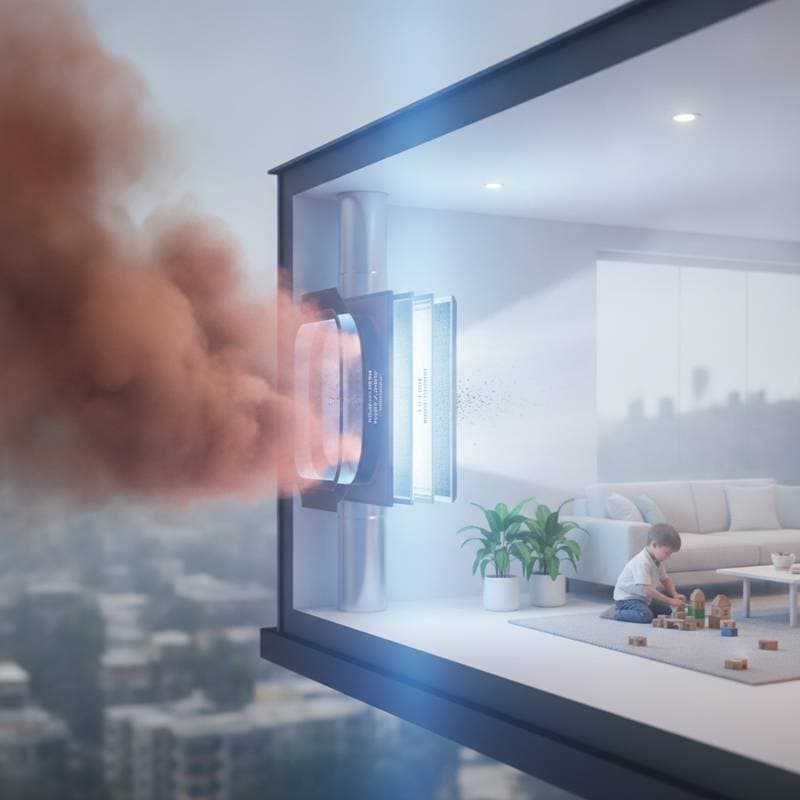
A UV-C air purifier employs short-wavelength ultraviolet light to deactivate harmful microorganisms in the air. This specific UV-C band, around 254 nanometers, penetrates the genetic material of bacteria, viruses, and mold spores, rendering them unable to reproduce or cause harm. Positioned within the HVAC unit, the purifier exposes passing air to this light without any noise or disruption to daily routines.
Traditional filters capture larger particles by mechanical means, but they leave microscopic allergens intact. In contrast, UV-C purifiers destroy these threats at a molecular level, ensuring they do not recirculate through vents. Homeowners benefit from this proactive approach, particularly in regions with high humidity or frequent allergen exposure.
To maximize effectiveness, select a purifier with adjustable intensity settings based on home size and air circulation rates. Regular maintenance ensures the light remains potent, delivering consistent protection against seasonal irritants.
Key Allergy Triggers Addressed by UV-C Purifiers
Indoor allergens vary by environment, but UV-C systems target several prevalent ones that exacerbate symptoms. Mold spores, for instance, flourish in moist basements or bathrooms and release irritants that inflame airways. UV-C light breaks down these spores, preventing their spread through ventilation.
Dust mites, microscopic creatures thriving in fabrics and carpets, produce waste that triggers reactions. While filters may trap some debris, UV-C neutralizes the biological components that cause issues. Pet dander, consisting of skin flakes and saliva proteins, persists in homes with animals; UV-C reduces its viability in the air stream.
Pollen grains enter via windows, shoes, or hair, and airborne bacteria from everyday activities can compound discomfort. By addressing these elements comprehensively, UV-C purifiers create a more tolerable indoor atmosphere. Residents notice fewer flare-ups, allowing for uninterrupted daily activities.
Enhancing HVAC Performance with UV-C Integration
Integrating UV-C lights into an HVAC system extends beyond air purification to maintain equipment health. Over time, coils and drain pans accumulate biofilm and mold, restricting airflow and straining the unit. The ultraviolet exposure inhibits this buildup, preserving optimal operation.
Improved airflow translates to better temperature control and reduced energy consumption, as the system requires less effort to distribute conditioned air. Homeowners may see utility bills decrease by up to 10 percent with cleaner components. Additionally, extending HVAC lifespan reduces the need for costly repairs or replacements.
For best results, position the UV-C lamp near the evaporator coil where moisture is highest. Technicians often recommend combining UV-C with high-MERV filters for layered defense, capturing particles while destroying others. This synergy supports long-term efficiency and reliability.
Professional Installation for Optimal UV-C Performance
Although some UV-C kits appeal to DIY enthusiasts with simple mounting instructions, professional installation guarantees safety and efficacy. Working with electrical components and duct interiors demands expertise to avoid hazards like improper wiring or inadequate sealing. A qualified HVAC technician evaluates the system's layout first.
During assessment, the professional checks for sufficient space and airflow patterns to position the lamp effectively. They choose bulbs rated for continuous use, ensuring compatibility with existing equipment. Precise alignment maximizes light exposure to air passing through.
Post-installation, testing verifies the system's function without leaks or exposure risks. Professionals also provide guidance on monitoring bulb output with built-in indicators. This thorough process minimizes downtime and ensures immediate benefits for air quality.
Frequently Asked Questions
Does a UV-C purifier capture physical particles like dust or pet hair?
UV-C technology focuses on deactivating biological contaminants rather than trapping solids. Pair it with a robust filtration system, such as one with a MERV 13 rating, to handle dust and hair effectively. This combination provides comprehensive air cleaning.
Can UV-C systems control mold growth throughout the home?
UV-C excels at preventing mold within the HVAC by targeting spores and inhibiting regrowth on internal surfaces. For broader home mold issues, address sources like leaks or humidity first, then rely on the purifier to manage airborne dissemination. Regular inspections complement this approach.
Are UV-C lights safe for households with children or pets?
Properly installed units contain the UV-C light entirely within the HVAC enclosure, preventing direct exposure. The wavelength does not penetrate standard materials, so no risk exists in occupied spaces. Certification from bodies like UL ensures compliance with safety standards.
What is the replacement schedule for UV-C bulbs?
Bulbs typically maintain full intensity for 9,000 to 12,000 hours, equating to about one year of continuous operation. Technicians recommend annual checks during routine HVAC servicing. Signs of dimming, like reduced airflow or returning odors, signal the need for replacement.
Steps to Integrate UV-C for Lasting Allergy Relief
Begin by consulting an HVAC specialist to evaluate your current setup and identify UV-C compatibility. Discuss specific allergy concerns to tailor the solution, such as emphasizing mold control in humid climates. Budget for installation and annual maintenance to sustain performance.
Once installed, monitor improvements in symptoms and system efficiency through simple tracking, like noting fewer filter changes or lower energy use. Combine UV-C with habits like using allergen-proof bedding and maintaining humidity below 50 percent. These measures amplify the technology's impact, fostering a resilient indoor environment.
Homeowners who adopt UV-C purifiers report sustained comfort, even beyond allergy peaks. This investment supports proactive health management, reducing reliance on medications and enhancing overall well-being.