Understanding the Humidity Challenge in Modern Homes
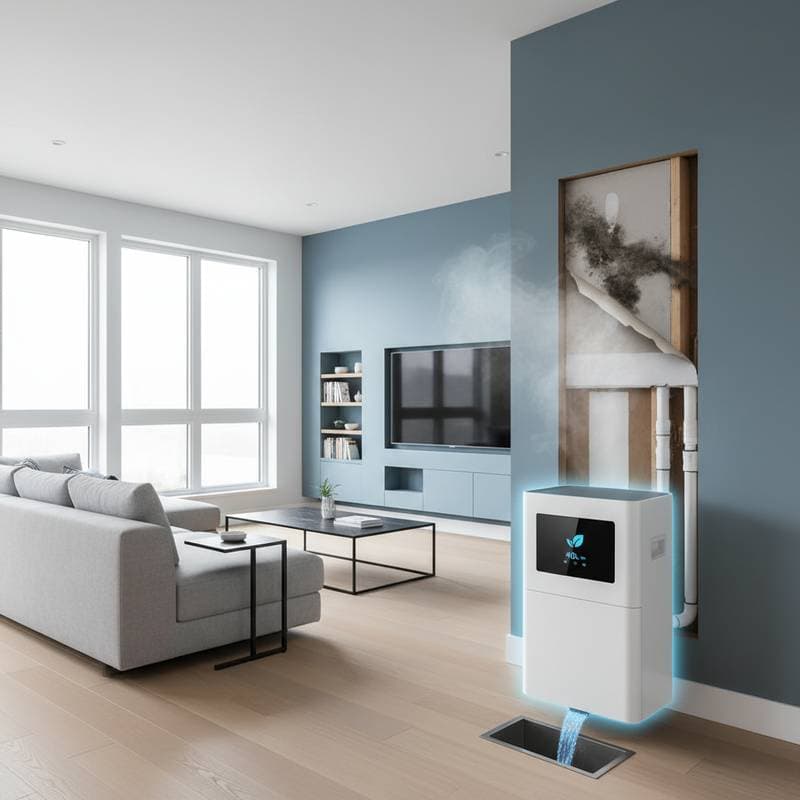
Contemporary residential designs emphasize airtight envelopes to enhance energy efficiency. This approach reduces energy loss through drafts, but it also confines indoor-generated moisture. Sources such as daily showers, cooking, and human respiration accumulate water vapor that circulates without escape, potentially leading to elevated humidity levels.
Without targeted intervention, this trapped moisture promotes mold proliferation, persistent odors, and diminished air quality. Homeowners might experience a clammy atmosphere despite controlled temperatures. Addressing this requires insight into the underlying causes and effective remedies, such as integrated dehumidification systems.
| Issue | Impact on the Home |
|---|---|
| Elevated Indoor Humidity | Promotes mold, mildew, and unpleasant odors |
| Restricted Ventilation | Retains moisture within enclosed spaces |
| Oversized HVAC Units | Produce brief cooling cycles insufficient for dehumidification |
| Advanced Energy-Efficient Builds | Minimize natural air exchange, exacerbating moisture retention |
Mechanisms of Moisture Retention in Tighter Homes
Energy codes now mandate superior sealing and insulation, which preserve thermal comfort while inadvertently capturing humidity. Indoor activities introduce substantial water vapor; for instance, a single shower can release up to two pints of moisture into the air. In sealed environments, this vapor persists, infiltrating porous materials like drywall and upholstery.
High-efficiency air conditioning units exacerbate the situation by prioritizing rapid temperature reduction over sustained dehumidification. These systems cycle on and off quickly to maintain setpoints, often leaving relative humidity above 60 percent. The result is an environment that feels uncomfortably damp, even as the thermostat registers an ideal reading.
Primary Contributors to Indoor Humidity Imbalances
Enhanced Sealing and Insulation Practices
Superior insulation materials and weatherproofing maintain consistent indoor temperatures year-round. However, these barriers prevent moisture-laden air from dissipating naturally. High-risk areas include basements, where cooler surfaces encourage condensation, and bathrooms, where steam accumulates rapidly.
Limitations of Contemporary HVAC Designs
Modern air conditioners achieve efficiency through variable-speed compressors and smart controls, which shorten operational durations. Effective moisture extraction demands prolonged exposure to cooling coils, a process these units rarely provide fully. Consequently, humidity lingers, fostering conditions ripe for microbial growth.
Regional Climate Influences
Areas with humid subtropical climates or temperate zones face amplified challenges during summer months or transitional seasons. Elevated outdoor humidity infiltrates through minor leaks, compounding internal sources. Materials like wood framing absorb this excess, leading to warping or decay if unchecked.
Daily Habits and Household Dynamics
Routine tasks generate predictable moisture loads: cooking a meal might add a quart of vapor, while laundry drying indoors contributes similarly. In households with multiple occupants, these inputs multiply, overwhelming standard ventilation. Monitoring and mitigating these through exhaust fans or covered pots can help, but systemic solutions prove more reliable.
Overview of Whole-Home Dehumidification Systems
Whole-home dehumidifiers integrate with or supplement existing HVAC infrastructure to extract excess moisture systematically. These devices target relative humidity, aiming for the 40 to 50 percent range ideal for health and material preservation. Selection depends on home size, layout, and moisture generation rates.
Integrated Ducted Models
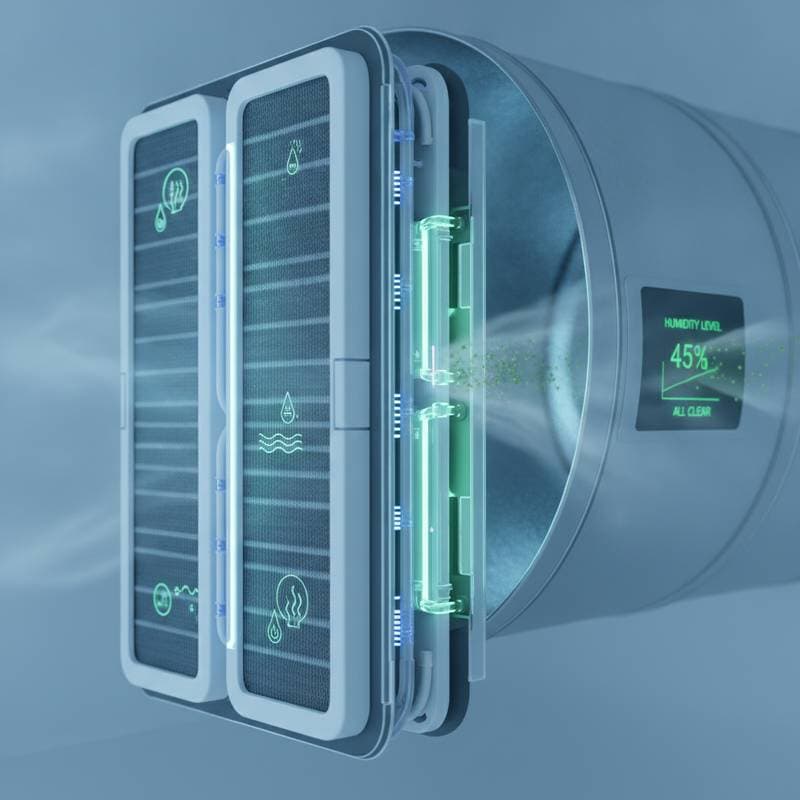
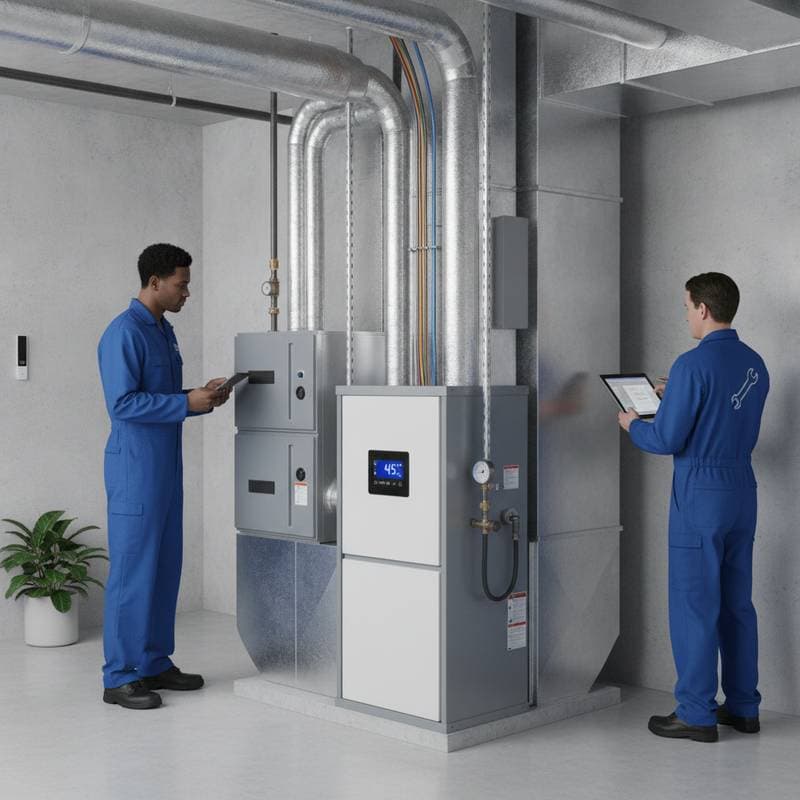
Ducted dehumidifiers link directly into the central air handler, processing air as it circulates through the home. Moist air passes over specialized coils that condense water vapor, which drains away, while drier air rejoins the supply stream.
Advantages:
- Harmonious operation with current HVAC setup
- Minimal noise during function
- Comprehensive coverage for all living areas
Disadvantages:
- Elevated upfront installation expenses
- Necessitates skilled technician involvement
Independent Freestanding Units
Standalone dehumidifiers function autonomously, drawing air from targeted zones without duct reliance. They suit older homes lacking central systems or spaces requiring localized control, such as crawlspaces.
Advantages:
- Adaptable positioning for optimal effect
- Simplified routine servicing
- Operation decoupled from HVAC performance
Disadvantages:
- Inconsistent distribution in expansive layouts
- Potential need for several devices in larger properties
Indicators of Excessive Indoor Humidity
Subtle cues often signal humidity issues before major damage occurs. Homeowners should inspect for recurring patterns rather than isolated incidents.
- Persistent condensation forming on glass surfaces or tiles
- Earthy, mildew-like smells emanating from storage areas or vents
- Discoloration or fuzzy growth on structural elements
- A tacky sensation on skin despite active cooling
- Buckling in hardwood flooring or swelling in cabinetry
- Heightened symptoms of allergies, such as congestion or irritation
Presence of multiple signs warrants professional evaluation to prevent escalation.
Steps in Professional Dehumidifier Installation
Engage a certified HVAC specialist for assessment and setup to ensure compatibility and efficiency. The procedure follows a structured sequence to minimize disruption.
- Initial Evaluation: Measure current humidity via hygrometers and analyze system schematics.
- Capacity Determination: Calculate unit size using home volume, occupancy, and local climate data.
- System Connection: For ducted types, secure ties to return or supply pathways.
- Condensate Management: Install piping to direct water to a floor drain or sump.
- Performance Verification: Run diagnostics to confirm airflow balance and target humidity achievement.
- Ongoing Care Instructions: Receive guidance on filter replacement and annual inspections.
Investment Considerations for Dehumidification
Expect to invest $1,500 to $3,500 for a quality whole-home unit, inclusive of labor. Factors influencing cost include model features, such as digital controls or antimicrobial coatings, and site-specific modifications. Duct alterations might add $500 to $1,200, but the return comes through reduced mold remediation and extended HVAC longevity.
Energy consumption remains modest, often offset by improved system efficiency. Over time, this setup safeguards investments in furnishings and finishes while enhancing daily livability.
Common Questions on Humidity Management
What Is the Optimal Humidity Level for Indoor Spaces?
Maintain relative humidity between 40 and 50 percent. This balance discourages dust mites and mold while preventing overly dry conditions that irritate skin and airways.
Can a Standard Air Conditioner Manage Humidity Effectively?
Air conditioners dehumidify as a byproduct of cooling, yet they lack precision for standalone control. In shoulder seasons without full cooling needs, humidity persists without dedicated support.
Does Adding a Dehumidifier Raise Energy Costs?
These systems use approximately 500 to 800 watts during operation, comparable to a large appliance. However, by optimizing HVAC runtime, they often lower overall bills through enhanced efficiency.
How Frequently Should Dehumidifiers Receive Maintenance?
Clean or replace filters monthly during peak use, with comprehensive servicing twice yearly. Professional checks ensure coil efficiency and drain patency.
In What Ways Does Humidity Impact HVAC Durability?
Excess moisture corrodes components like evaporator coils and fosters bacterial buildup in ducts. Consistent control extends equipment life by 20 to 30 percent, reducing repair frequency.
Securing Lasting Indoor Balance
Proactive humidity management transforms airtight homes from potential moisture traps into resilient, comfortable sanctuaries. Consult an HVAC expert to assess your setup and explore dehumidification options tailored to your needs. This step not only resolves current discomfort but also fortifies your home against future environmental stresses.