Spring MERV 13 Filter Shortage: Essential Insights for Homeowners
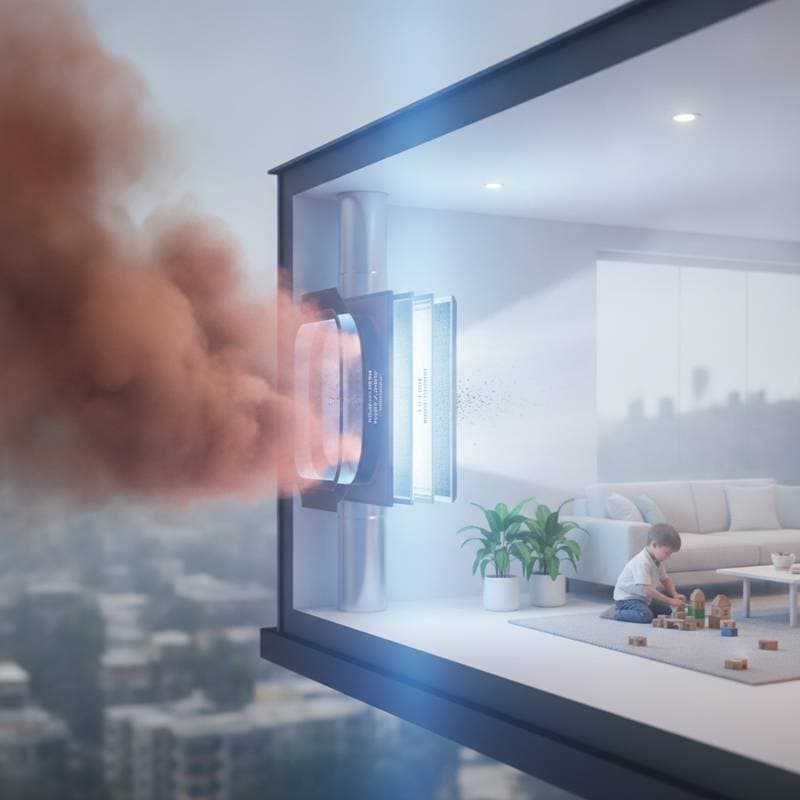
High-efficiency MERV 13 filters play a vital role in capturing fine airborne particles, including pollen, smoke, and bacteria, to support superior indoor air quality. This spring, a nationwide shortage of these filters creates significant hurdles for HVAC systems. Homeowners face difficulties in sourcing replacements, which can compromise both air purity and equipment longevity.
Supply constraints arise from multiple sources: manufacturing bottlenecks slow production, while seasonal spikes in demand for allergy relief and enhanced filtration outpace restocking efforts. Global supply chain interruptions further exacerbate the issue, delaying shipments from key suppliers. As a result, HVAC systems may experience reduced efficiency, and indoor environments could harbor more contaminants.
This overview examines the shortage's origins, its direct consequences for residential setups, and reliable strategies to mitigate risks until availability improves.
Impacts of the MERV 13 Shortage on Residential HVAC Systems
1. Scarcity and Escalating Costs
Retail outlets report dwindling inventories of MERV 13 filters, prompting price increases on available units. In some regions, costs have risen by 50 percent or more due to limited stock. Homeowners often resort to online platforms, where markups can exceed standard pricing, straining household budgets during peak usage seasons.
2. Challenges with Substitute Filters
When MERV 13 options vanish, many turn to lower-rated alternatives like MERV 8 or MERV 10. These filters capture larger particles such as dust and basic pollen but fall short on finer allergens, mold spores, or smoke. Individuals with respiratory sensitivities or in high-pollution areas may notice worsened symptoms from inadequate filtration.
3. Potential for Equipment Stress and Failure
A missing or overdue filter forces the HVAC blower to work harder, creating uneven pressure across the system. Over time, this leads to accelerated dust accumulation on coils and components, reducing cooling or heating output. In severe cases, prolonged operation without proper filtration risks motor burnout or irreversible damage to internal parts.
Filter Ratings Explained: Selecting Temporary Alternatives
Understanding MERV ratings empowers informed choices during shortages. The Minimum Efficiency Reporting Value (MERV) scale measures a filter's ability to trap particles of varying sizes, with higher numbers indicating better performance. For HVAC compatibility, balance filtration strength with sufficient airflow to avoid system overload.
The following table outlines key ratings and their applications:
| Filter Rating | Particle Capture Efficiency | Best Use Case |
|---|---|---|
| MERV 8 | Captures dust, lint, and pollen | Short-term use when MERV 13 unavailable |
| MERV 10 | Adds protection against mold spores | Suitable for general air cleaning |
| MERV 11 | Traps finer particles like pet dander and smoke | Good balance of airflow and filtration |
| MERV 13 | Blocks bacteria, smoke, and fine allergens | Ideal for health-focused air quality |
Opt for the highest compatible rating below MERV 13 to minimize air quality declines. Increase replacement frequency to every 30 to 45 days in pollen-heavy periods, as lower-rated filters clog more rapidly and restrict airflow if neglected.
Strategies to Protect Your HVAC Amid the Shortage
Proactive maintenance preserves system integrity when preferred filters prove elusive. Focus on reducing debris entry and monitoring performance indicators.
- Clean vents and ductwork at least quarterly to limit dust circulation.
- Vacuum registers and return air grilles weekly, especially in high-traffic areas.
- Install or utilize pressure differential gauges to detect filter restrictions early.
- Refrain from layering multiple filters, as this heightens resistance and invites overheating.
- Consult specialized HVAC distributors for priority access to limited stock.
Regular inspections by certified technicians can identify issues before they escalate, ensuring optimal operation through fluctuating supply conditions.
Frequently Asked Questions on MERV 13 Shortages
How long does a standard MERV 13 filter last in a residential system?
Filters typically endure 60 to 90 days under normal conditions, yet spring pollen loads accelerate clogging to as little as 45 days. Indicators of replacement need include diminished airflow from vents or visible dust on nearby surfaces. Delaying changes diminishes energy efficiency and burdens the blower motor excessively.
Is a permanent downgrade to a lower MERV rating advisable?
Such a switch suits low-risk households without allergy concerns or pollution exposure. However, for environments requiring robust filtration, revert to MERV 13 promptly upon restocking to uphold health standards and system design specifications.
Will alternative filters void my HVAC warranty?
Certain warranties mandate specific MERV levels to maintain coverage. Review your unit's manual or reach out to the installing professional for confirmation on acceptable substitutions.
Consulting Professionals for Tailored HVAC Guidance
Key Questions for Your HVAC Specialist
Engage experts to customize solutions for your setup.
- Which filter ratings align with my system's design specifications?
- What approved alternatives exist for MERV 13 during shortages?
- What is the ideal filter change schedule for spring allergen peaks?
- Do you offer subscription services for filter delivery and installation?
- Which preventive maintenance routines best shield my equipment now?
Sustaining Optimal Indoor Air Quality Year-Round
Even as MERV 13 supplies rebound, integrate these habits to fortify your HVAC resilience. Consistent care not only counters shortages but also extends equipment life and enhances comfort. By prioritizing informed filtration and timely maintenance, homeowners secure cleaner air and reliable performance season after season.