Why 40% of Homes Are Adopting HVAC Subscriptions in 2025
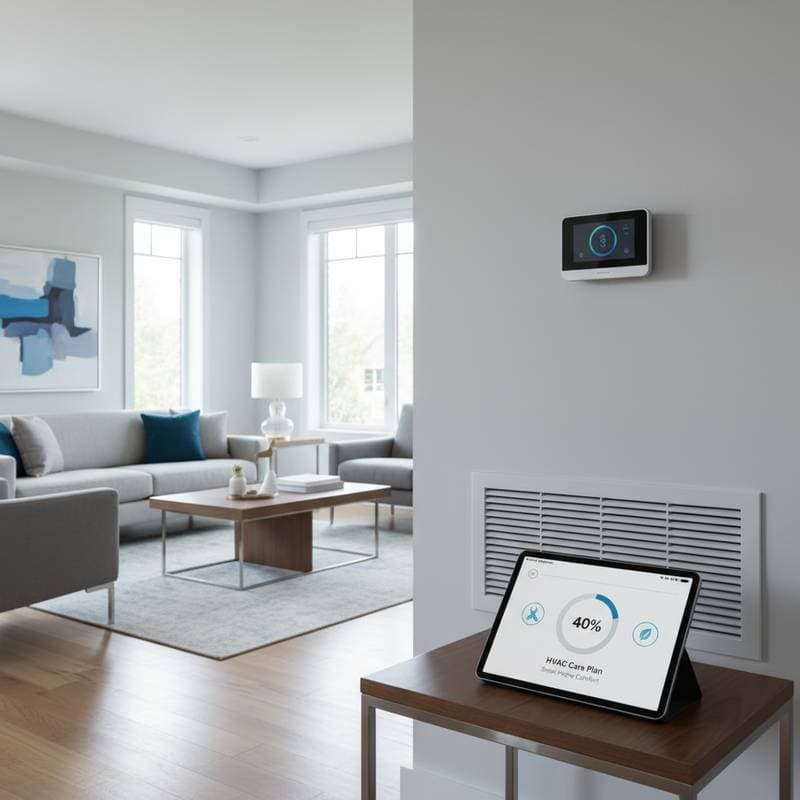
Homeowners increasingly enroll in HVAC subscription plans for predictable costs, reduced breakdowns, and enhanced system performance. Rising repair expenses and the need for reliability position these subscriptions as a practical choice for sustained home comfort. This guide details the reasons nearly 40% of households adopt preventive maintenance programs, explains how the plans operate, and outlines expectations for participants.
| Item | Key Insight |
|---|---|
| Homes with HVAC Subscriptions | Approximately 40% of households |
| Average Monthly Cost | $15 to $40 |
| Typical Savings on Repairs | 10% to 30% |
| Frequency of Service | Twice per year on average |
| Common Add-ons | Priority scheduling, discounts, extended warranties |
Average HVAC Subscription Costs
HVAC subscription plans range from $180 to $480 annually, based on system type, service frequency, and benefits provided. Although this represents an additional expense, the associated savings frequently exceed the investment. Routine tune-ups avert major failures that often incur thousands in emergency repair fees.
Basic Subscription Plans
Basic plans emphasize preventive maintenance with two seasonal tune-ups, component cleaning, and inspections. These options suit newer systems or those still under warranty.
Average annual cost: $180 to $250
Best for: Homeowners seeking cost-effective routine care.
Mid-Tier Subscription Plans
Mid-tier plans offer broader services, including filter replacements, refrigerant level checks, and priority scheduling. These strike a balance between expense and comprehensive coverage.
Average annual cost: $250 to $380
Best for: Homes featuring older systems or moderate daily usage.
Premium Subscription Plans
Premium plans encompass extensive protections, such as discounts on parts, extended labor warranties, and emergency response services. Certain packages also incorporate duct cleaning or smart thermostat oversight.
Average annual cost: $400 to $480
Best for: High-usage residences or properties with intricate HVAC configurations.
Key Factors Influencing HVAC Subscription Prices
Subscription costs vary according to multiple elements. Grasping these allows selection of a plan aligned with specific requirements and financial constraints.
System Type and Size
Larger installations or properties with several units demand greater labor and time investment. Maintenance for a single central air unit proves less expensive than for dual-zone systems or integrated heating and cooling arrangements.
Plan Coverage and Frequency
Plans incorporating additional services, like filter changes or emergency visits, command higher fees. The quantity of annual maintenance sessions further impacts the overall price.
Brand and Equipment Age
High-end or aging systems often necessitate specialized components or increased service intervals. Proprietary elements from certain brands elevate the expense of replacements.
Local Labor Costs
Prevailing regional labor rates shape subscription pricing. Locations with elevated living costs generally feature modestly higher plan fees.
Add-On Services
Providers frequently present optional enhancements, including indoor air quality assessments or duct cleaning. These elevate the total expense yet enhance comfort and air purity.
Types of HVAC Subscription Plans
Homeowners select from diverse HVAC maintenance plans, each tailored to system characteristics, usage patterns, and comfort objectives.
1. Preventive Maintenance Plans
Pros:
- Maintains optimal system efficiency
- Lowers breakdown risks
- Prolongs equipment durability
Cons:
- Lacks emergency repair inclusion
2. Full-Service Protection Plans
Pros:
- Encompasses parts and labor coverage
- Delivers 24/7 emergency assistance
- Establishes predictable payment schedules
Cons:
- Exceeds basic plans in initial expense
3. Seasonal Tune-Up Plans
Pros:
- Suits newer systems under warranty
- Demands minimal initial outlay
- Facilitates straightforward scheduling
Cons:
- Offers restricted safeguards beyond appointed visits
4. Smart Monitoring Plans
Pros:
- Employs sensors or smart thermostats for performance tracking
- Issues alerts for declining efficiency
- Appeals to technology-oriented homeowners
Cons:
- Necessitates compatible intelligent devices
5. Multi-System or Whole-Home Plans
Pros:
- Addresses HVAC, water heaters, and occasionally plumbing or electrical systems
- Streamlines upkeep through a single provider
- Incorporates bundled cost reductions
Cons:
- Results in elevated monthly expenditures
Signs Indicating the Need for an HVAC Subscription
Recurrent HVAC problems or substantial repair invoices signal the value of a subscription for consistent scheduling. Evaluate these indicators to determine suitability:
- Frequent repairs or service requests
- Overlooked seasonal maintenance appointments
- Escalating energy bills despite thermostat modifications
- Prolonged heating or cooling cycles
- Desire for expedited scheduling in busy seasons
- Preference for fixed maintenance expenses over unexpected charges
- Ownership of several HVAC units or intensive system operation
The HVAC Subscription Enrollment Process
Enrollment in an HVAC subscription program proceeds efficiently. Providers typically adhere to a standardized sequence to establish reliable maintenance routines.
Step 1: Initial System Evaluation
A technician examines the HVAC setup to assess condition, age, and pressing repair requirements. This evaluation confirms plan compatibility with the equipment.
Step 2: Plan Selection
Selection occurs based on system specifications and comfort expectations. The provider delineates inclusions and scheduling protocols for each tier.
Step 3: Agreement and Setup
Execution of a service contract specifies frequency, pricing, and advantages. Options for monthly or annual payments accommodate varied preferences.
Step 4: Routine Maintenance Visits
Scheduled tune-ups occur in spring and fall. Technicians cleanse elements, verify refrigerant quantities, inspect electrical links, and confirm airflow adequacy.
Step 5: Priority Service and Discounts
Participants gain preferential booking for urgencies and reduced fees for repairs or enhancements.
Step 6: Ongoing Communication
Providers issue visit reminders and furnish performance summaries to monitor energy use and system vitality.
Components of HVAC Subscription Labor Costs
Labor constitutes a significant share of HVAC subscription expenses. Comprehension of these elements underscores the plans' inherent value.
Routine Maintenance Visits
Visits encompass 60 to 90 minutes of labor. Absent a subscription, individual sessions range from $100 to $200. Plans distribute costs across the year for diminished per-visit rates.
Emergency Service Calls
Non-participants encounter elevated emergency fees. Subscribers benefit from lowered or eliminated charges, preserving $75 to $150 per incident.
Parts and Repair Labor
Select plans apply reductions to parts or labor in repairs. For instance, capacitor or contactor replacements may incur 15% less under subscription terms.
Technician Expertise
Qualified technicians apply specialized knowledge to safeguard warranties and optimize performance. Subscriptions account for their labor and continuous professional development.
Reasons Homeowners Transition to HVAC Subscriptions
The shift to HVAC subscriptions highlights priorities of convenience, financial predictability, and enduring safeguards. Principal drivers include the following:
Predictable Budgeting
Fixed monthly or annual fees enable maintenance planning without unforeseen financial strain.
Energy Efficiency Improvements
Properly serviced systems consume reduced energy, diminishing utility expenses. Incremental efficiency enhancements yield tangible reductions.
Breakdown Prevention
Periodic evaluations detect minor faults prior to costly escalations. This approach minimizes urgent interventions and prolongs equipment longevity.
Priority Scheduling
Subscribers secure prompt responses amid seasonal demands for technician availability.
Enhanced Home Comfort
Calibrated systems sustain uniform temperatures and superior air quality, fostering agreeable indoor conditions.
Environmental Benefits
Optimized HVAC operations require fewer resources and generate lower emissions. Subscriptions promote ecological sustainability via diligent upkeep.
Frequently Asked Questions About HVAC Subscriptions
How often does servicing occur under a subscription?
Standard plans schedule two annual visits, preceding cooling and heating periods. Premium options may provide quarterly checks or perpetual remote oversight.
Is cancellation possible at any time?
Providers generally permit termination with formal notice, though completion of the active billing period may apply. Review the contract for precise conditions.
Do subscriptions include parts and labor for repairs?
Basic tiers concentrate on maintenance alone. Advanced levels furnish partial or complete parts and labor provisions per the terms.
Are subscriptions beneficial for new systems?
Affirmative. Routine care upholds warranty validity and averts premature deterioration. Plans instill disciplined maintenance from inception onward.
How to confirm system eligibility for a subscription?
Virtually all residential HVAC units qualify. An initial technician review verifies alignment with maintenance stipulations.
What occurs upon home sale during subscription?
Numerous providers facilitate plan transfer to the buyer. This enhances property attractiveness through verified upkeep records.
Can plans be customized?
Indeed. Providers accommodate personalization via add-ons such as air quality evaluations, duct sanitation, or smart thermostat incorporation.
Steps to Secure Dependable HVAC Maintenance
An HVAC subscription affords tranquility, steady expenses, and a dependable comfort infrastructure. These programs mitigate breakdown risks and sustain energy proficiency while streamlining household care. Solicit quotes from regional providers, scrutinize service details, and select a plan suited to your residence. Inquire about inclusions to maximize value from a reputable, accredited specialist.