Heat Pumps: Triple Efficiency Over Traditional Water Heaters
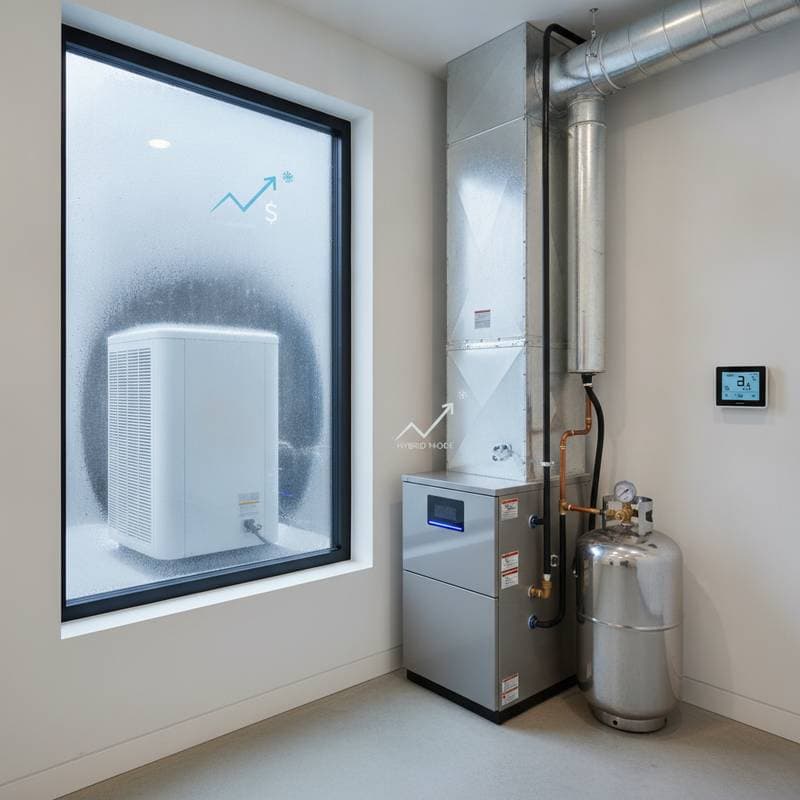
A heat pump water heater consumes up to three times less electricity than a conventional electric storage tank model. This efficiency translates to a reduction in water heating expenses by approximately two-thirds, without compromising the availability of hot water. The following sections detail the mechanisms behind this superior performance, installation expenses, and advantages for residential applications.
| Item | Average Cost |
|---|---|
| National Average Cost | $2,500 - $4,500 |
| Typical Price Range | $2,000 - $5,000 |
| Extreme High-End | $6,000+ |
| Extreme Low-End | $1,800 |
Average Heat Pump Water Heater Costs
Heat pump water heaters, sometimes referred to as hybrid water heaters, carry a higher initial price tag compared to standard electric or gas tanks. The average cost for a complete installation falls between $2,000 and $5,000, influenced by the manufacturer, tank capacity, and project intricacies. Despite the elevated starting point, energy cost reductions frequently recoup the additional expenditure within three to five years.
Cost by Size
- 40-50 gallon units: $1,800 to $3,000 installed
- 60-80 gallon units: $2,500 to $4,500 installed
- Large capacity models: $4,500 to $6,000 or more, based on spatial constraints and labor demands
Cost Comparison to Conventional Water Heaters
Installation of a standard electric tank typically ranges from $800 to $1,500, yet operational costs can triple those of a heat pump alternative. Across a decade, the cumulative energy savings from a heat pump system surpass the upfront differential by a substantial margin.
Key Factors That Affect Heat Pump Water Heater Price
Multiple elements determine the overall expense of a heat pump water heater system. A clear grasp of these components enables informed budgeting and selection tailored to household requirements.
Unit Size and Capacity
Tank volume directly correlates with expense; larger capacities command premium pricing. A 50-gallon unit suffices for most households, whereas families with high demand or additional bathrooms benefit from an 80-gallon option. Proper sizing prevents energy waste from excess capacity or shortages from inadequate volume.
Brand and Quality
Reputable manufacturers provide enhanced warranties, reduced noise levels, and sophisticated digital interfaces. Entry-level options deliver reliable function but may exhibit shorter durability or increased sound output. Mid-tier selections offer an optimal equilibrium between affordability and reliability.
Energy Efficiency Rating
Efficiency levels appear as the Uniform Energy Factor (UEF); elevated ratings signify greater performance. Units with superior UEF demand higher initial investment yet yield amplified electricity reductions over their service life.
Installation Complexity
Straightforward setups in locations with existing ventilation, space, and electrical infrastructure minimize labor fees. Additional requirements, such as installing a condensate drain, enhancing wiring, or adapting air pathways, elevate the total outlay.
Local Labor Rates and Rebates
Regional variations in technician fees influence costs significantly. Incentives from utility providers or local governments for energy-efficient installations can offset expenses by $300 to $1,000, depending on eligibility.
Types of Heat Pump Water Heaters
Various designs accommodate diverse residential configurations and usage patterns.
Integrated or Hybrid Units
These systems integrate the heat pump mechanism with the storage tank into a single assembly, representing the predominant choice for homes.
Pros:
- Space-efficient and fully enclosed
- Suitable for basements or utility areas
- Capable of activating electric resistance backup during peak usage
Cons:
- Demands adequate ambient air flow
- Potential to lower nearby temperatures modestly
Split Systems
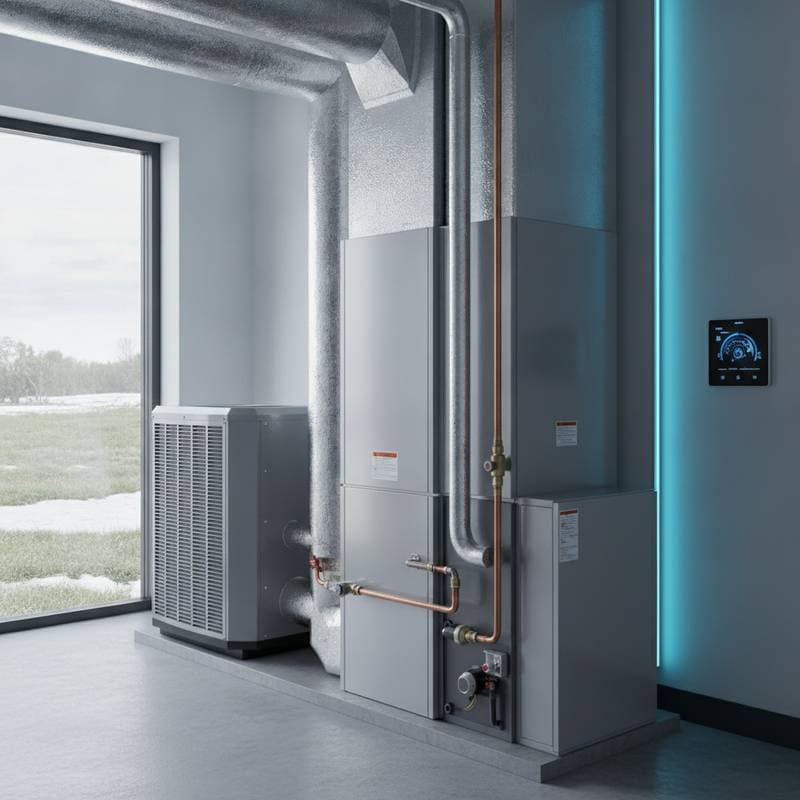
Split configurations position the compressor externally while retaining the indoor tank.
Pros:
- Diminished indoor noise
- Utilizes external air sources for heating
- Performs optimally in temperate regions
Cons:
- Elevated setup expenses
- Necessitates refrigerant piping between components
Add-On Heat Pump Units
These modules connect to preexisting tanks, leveraging them for storage.
Pros:
- Reduced initial outlay for viable existing tanks
- Versatile placement possibilities
Cons:
- Potentially lower efficiency than unified systems
- Restricted options from leading producers
Signs You Need a Water Heater Upgrade
Persistent issues with a current water heater signal the value of transitioning to a heat pump model for cost savings and dependability. Consider replacement if the following indicators emerge:
- Heating times extend beyond previous norms
- Leaks or rust appear on the tank exterior
- Utility statements rise inexplicably
- Operational sounds deviate from the usual
- Hot water depletes rapidly during use
- The appliance exceeds ten years in service
Multiple concurrent signs underscore the financial and functional merits of an upgrade.
The Heat Pump Water Heater Installation Process
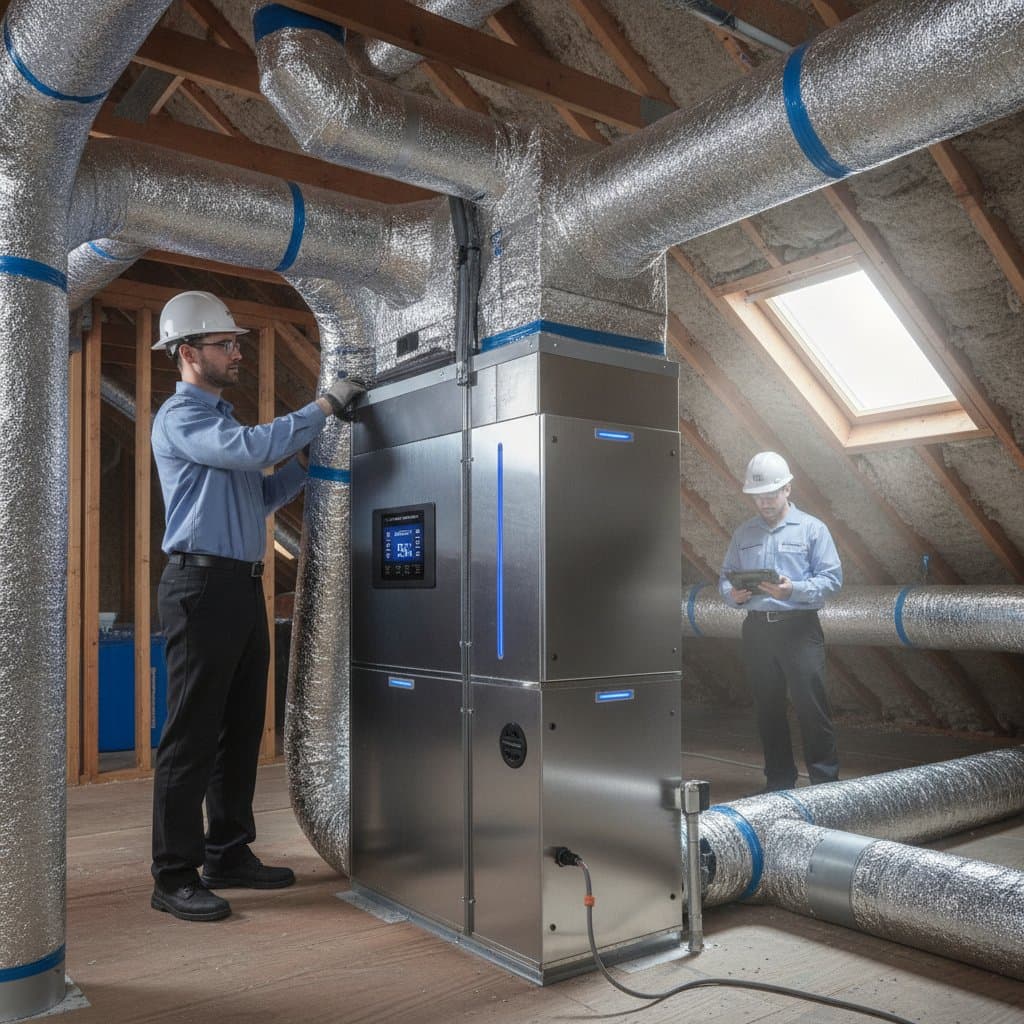
The procedure for installing a heat pump water heater exceeds the simplicity of replacing a standard tank. Expect these sequential steps:
-
Assessment and Sizing: The professional reviews hot water consumption patterns, spatial availability, and electrical infrastructure to specify the appropriate capacity and configuration.
-
Site Preparation: Verification of air circulation, clearances, and potential needs for venting or drainage occurs prior to proceeding.
-
Removal of Old Unit: The legacy system undergoes draining, disconnection from utilities, and secure disposal.
-
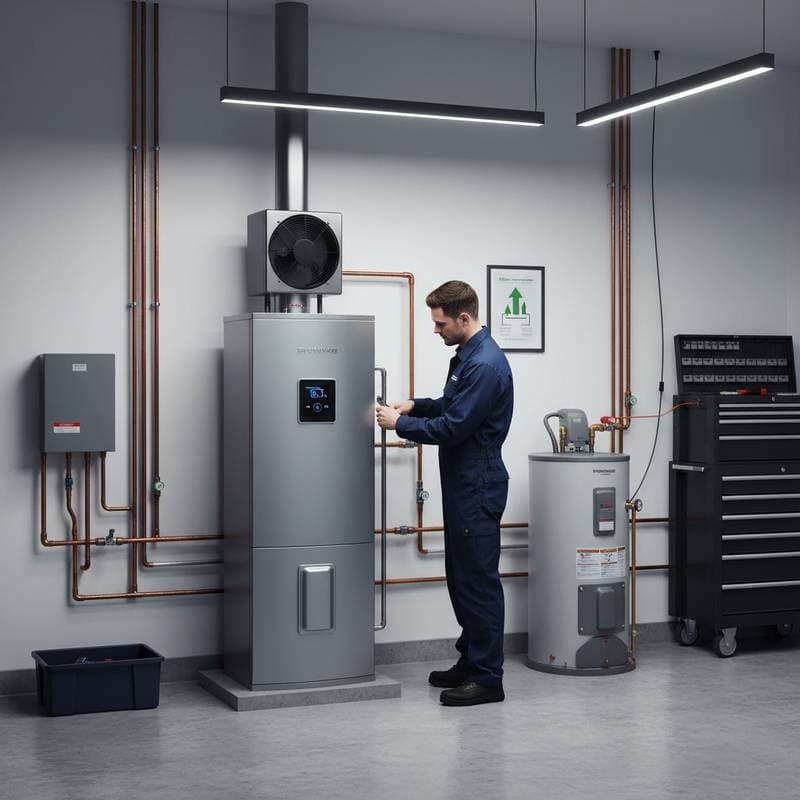
Installation of New Unit: Positioning, plumbing integration, electrical linkage, and optional drainage additions follow established protocols.
-
Startup and Testing: Inspections for leaks, thermostat calibration, and performance validation ensure seamless function.
-
Homeowner Orientation: Guidance on controls, adjustments, and routine upkeep concludes the visit.
Professional engagements span four to eight hours, scaling with project demands.
Heat Pump Water Heater Labor Costs
Labor constitutes 25 to 40 percent of the aggregate installation price, ranging from $600 to $1,500 based on task complexity. Electrical modifications or drainage solutions push fees toward the upper limit.
Given the technical nuances of heat pump systems, engagement of a licensed HVAC or plumbing specialist proves indispensable. Correct execution maximizes efficiency and upholds manufacturer guarantees.
Frequently Asked Questions About Heat Pump Water Heaters
How does a heat pump water heater work?
This technology extracts thermal energy from ambient air and transfers it to the water reservoir, bypassing direct heat generation. Electricity powers only the compressor and circulation fan, yielding substantial efficiency gains over resistance-based methods.
Can a heat pump water heater work in a cold climate?
Performance remains viable, though optimal in moderate indoor environments like garages or basements. Below certain thresholds, the system engages auxiliary electric heating to sustain output.
How much energy can I save with a heat pump water heater?
Savings typically range from 60 to 70 percent relative to electric tanks, varying with usage volume, regional rates, and UEF specifications.
How long does a heat pump water heater last?
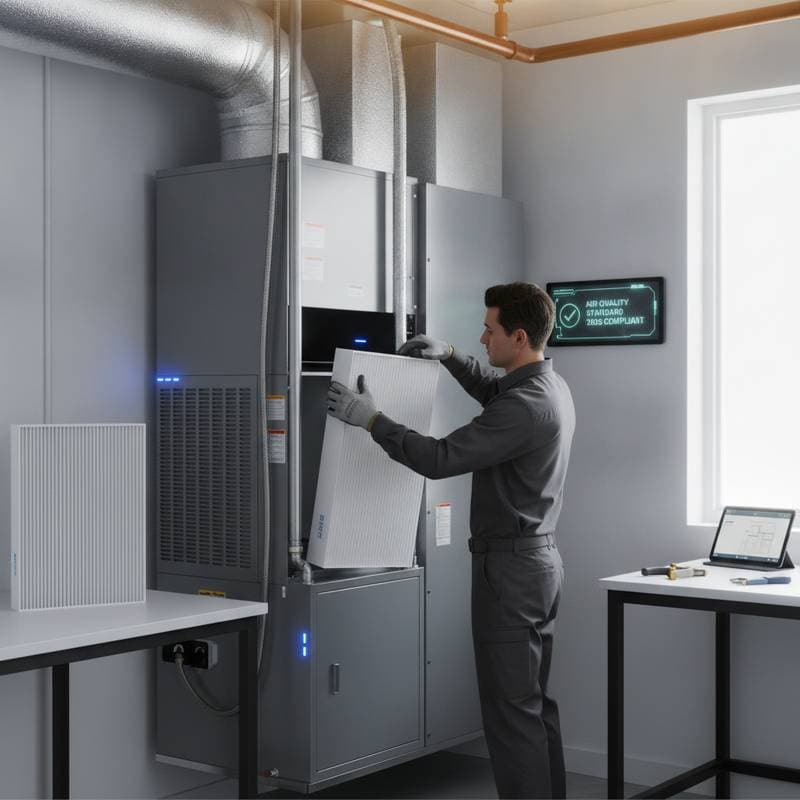
Expect a service life of 10 to 15 years with diligent care. Filter cleaning and yearly inspections prolong operation and sustain peak efficiency.
Do heat pump water heaters make noise?
Operation generates a low hum akin to a refrigerator, generally unobtrusive. Placement in isolated areas further mitigates any auditory effects.
How often does a heat pump water heater need maintenance?
Quarterly filter cleaning and annual tank flushing address sediment buildup, preserving reliability and performance.
Are rebates available for heat pump water heaters?
Numerous utility companies and federal programs provide rebates ranging from $300 to $2,000, contingent on location and model qualifications. Consultation with local providers reveals applicable incentives.
Maximizing Savings Through Strategic Installation
Transitioning to a heat pump water heater represents a pivotal step in diminishing residential energy demands. Immediate efficiency improvements yield ongoing monthly reductions, compounded by potential rebates and extended durability.