8 Essential Steps to Prevent HVAC Breakdowns This Spring
Spring brings fluctuating temperatures that challenge HVAC systems, often resulting in failures during peak comfort needs. Proactive maintenance addresses these stresses effectively. Implement these steps to ensure smooth operation, reduced energy use, and prolonged equipment life.
| Step | Action | Benefit |
|---|---|---|
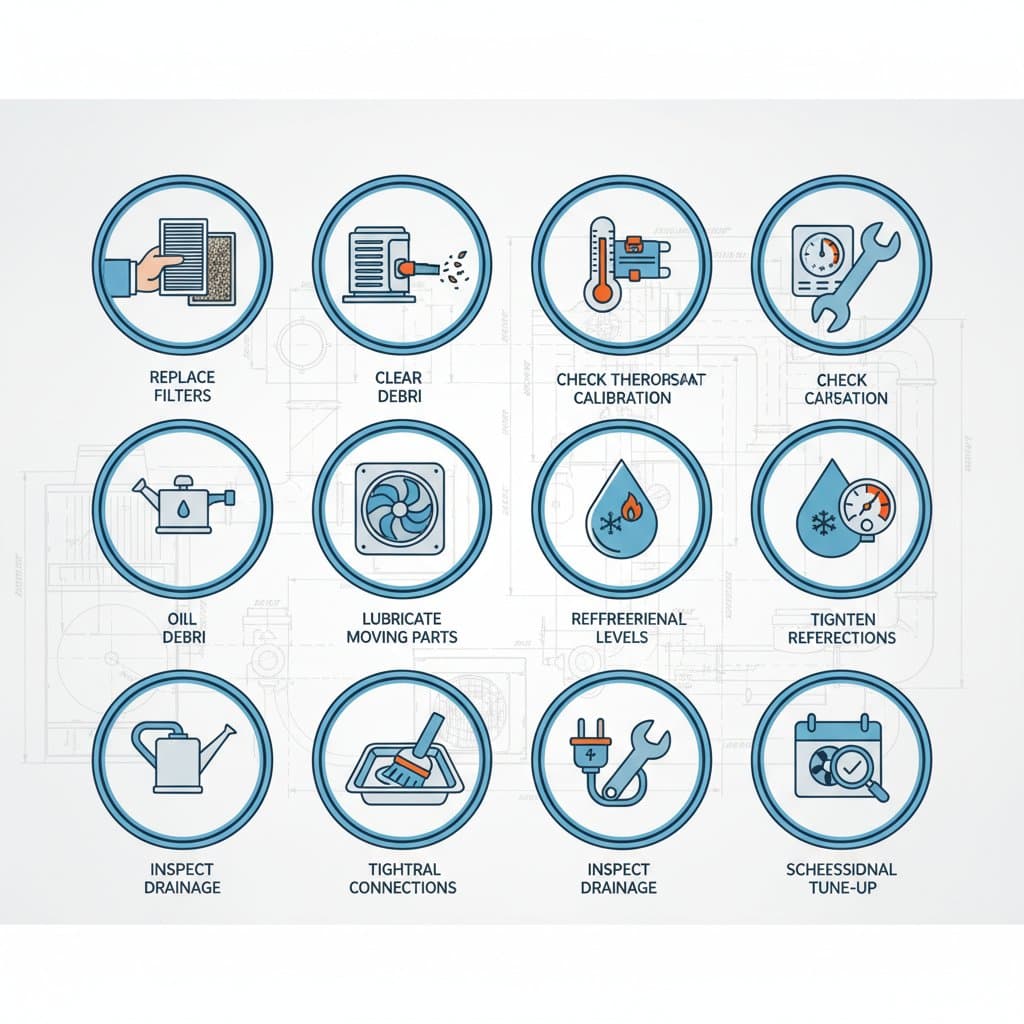
| 1 | Replace or clean air filters | Enhances airflow and system efficiency |
| 2 | Clear debris around outdoor unit | Avoids overheating and airflow restrictions |
| 3 | Inspect ductwork for leaks | Minimizes energy loss |
| 4 | Test thermostat operation | Provides precise temperature regulation |
| 5 | Check refrigerant levels | Maintains consistent cooling |
| 6 | Clean evaporator and condenser coils | Reduces system strain |
| 7 | Lubricate moving parts | Decreases wear and operational noise |
| 8 | Schedule a professional tune-up | Identifies potential problems early |
Step 1: Replace or Clean Air Filters
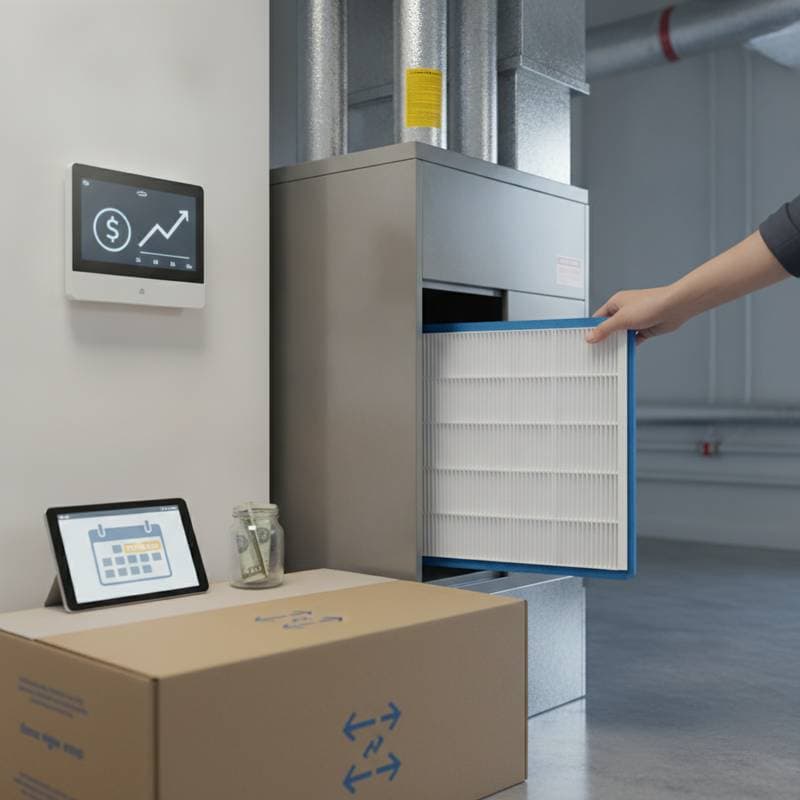
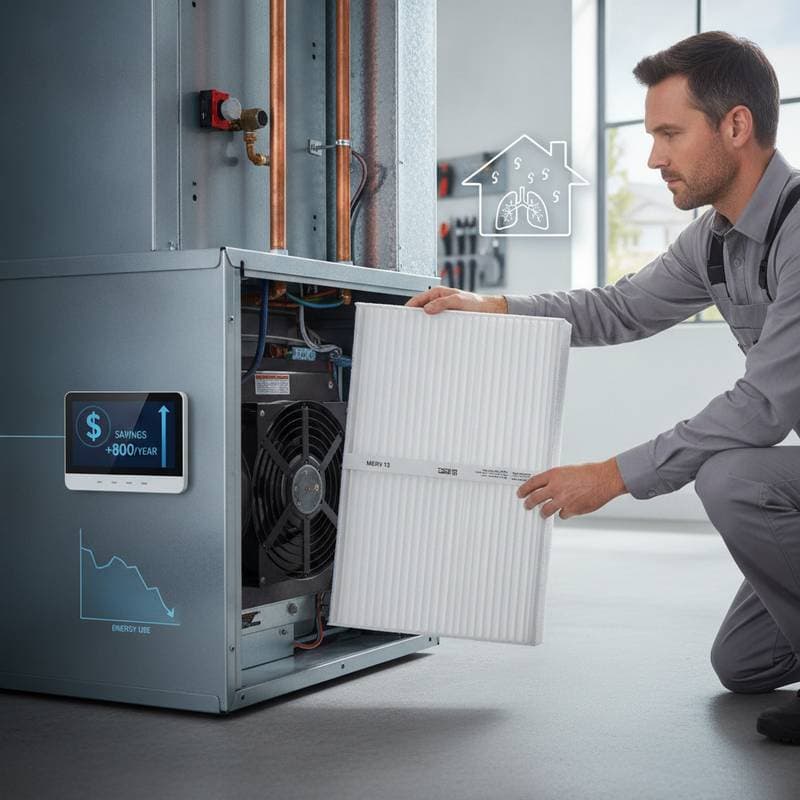
Clogged filters impede airflow, compelling the HVAC system to operate under increased strain. This situation elevates energy consumption and accelerates component deterioration. Inspect filters monthly; replace them if they show dust accumulation or discoloration. Opt for pleated filters with high MERV ratings to capture fine particles, thereby improving air quality and safeguarding internal parts.
Step 2: Clear Debris Around the Outdoor Unit
The outdoor condenser requires unobstructed airflow to dissipate heat effectively. Winter accumulations of leaves, twigs, and dirt can obstruct this process. Maintain a two-foot clearance by removing debris manually, then use a soft brush to dislodge embedded particles from the fins. A low-pressure hose rinse completes the task without risking fin damage, promoting optimal heat exchange.
Step 3: Inspect Ductwork for Leaks
Duct leaks squander up to 30 percent of treated air, driving up utility expenses. Survey accessible ducts in attics, basements, and crawl spaces for separations, holes, or loose joints. Apply foil tape or mastic sealant to seal minor breaches securely. For concealed sections or extensive repairs, engage a specialist to conduct a pressure test, ensuring uniform air distribution and energy conservation.
Step 4: Test and Calibrate the Thermostat
The thermostat dictates system cycles, directly influencing comfort and efficiency. Cross-check its readings against a reliable indoor thermometer to confirm accuracy. Discrepancies signal the need for recalibration or replacement. Consider installing a smart model that learns routines and adjusts settings remotely, optimizing energy use during unoccupied periods.
Step 5: Check Refrigerant Levels
Insufficient refrigerant hampers cooling, causing the unit to cycle excessively and consume more power. Indicators include warm exhaust air or frost on coils. Suspect a leak if hissing occurs. Professionals alone handle refrigerant handling due to regulatory and safety requirements; early detection averts compressor failure and sustains performance.
Step 6: Clean Evaporator and Condenser Coils
Accumulated grime on coils impairs heat absorption and release, overburdening the compressor. Access the indoor evaporator via the service panel and vacuum or brush away buildup carefully. For the outdoor condenser, direct a gentle water stream across the coils to flush contaminants. Regular cleaning restores thermal efficiency and prevents efficiency drops over time.
Step 7: Lubricate Moving Parts
Unlubricated bearings in fans and motors generate friction, leading to premature failure and audible strain. Shut off power at the breaker before applying manufacturer-recommended oil to designated ports. This simple procedure minimizes energy draw, quiets operation, and extends the service interval for critical components.
Step 8: Schedule a Professional HVAC Tune-Up
Home efforts provide a solid foundation, yet expert evaluation uncovers subtleties. Technicians measure electrical loads, inspect drainage paths, secure wiring, and calibrate controls comprehensively. Such services align the system with warranty specifications, preempting failures and verifying peak operation for seasonal demands.
Common Signs Your HVAC System Needs Attention
Vigilance reveals emerging issues before they escalate. Monitor for these symptoms:
- Inconsistent temperatures room to room
- Unusual sounds, such as banging or squealing
- Reduced air output from registers
- Spikes in energy statements
- Short cycling patterns
- Odd smells upon startup
Prompt response to these cues preserves system integrity and avoids disruptions.
How Preventive Maintenance Saves You Money
Investing time in upkeep yields tangible financial returns. Efficient components lower operational costs by optimizing energy transfer. Extended longevity delays capital outlays for new installations. Spring preparations translate to sustained savings across seasons, balancing comfort with fiscal prudence.
When to Call a Professional
Certain tasks exceed DIY capabilities, particularly those involving electrical systems, refrigerants, or structural assessments. Seek expert help if you encounter persistent symptoms like those listed above, or if maintenance reveals complex damage. Professionals diagnose root causes accurately, recommend tailored solutions, and ensure compliance with safety codes, preventing hazards and inefficiencies.
Frequently Asked Questions About Spring HVAC Maintenance
How often should I change my air filter?
Most residences require filter changes every one to three months. Environments with high dust, pets, or allergens demand monthly replacements to sustain air purity and system health.
Can I clean my outdoor unit myself?
Yes, provided you disconnect power first. Clear surface debris and rinse coils with moderate water pressure. Steer clear of tools that might deform fins.
What happens if refrigerant is low?
Diminished refrigerant impairs cooling and risks compressor harm. Certified experts must evaluate and replenish it to restore function safely.
How long does a professional tune-up take?
Typical sessions last one hour. Evaluations cover diagnostics, cleaning, and adjustments for comprehensive system health.
Is a tune-up really necessary every year?
Annual inspections detect wear early, enhancing reliability across seasons. They maintain efficiency ratings and avert repair escalations.
Implement These Steps for Lasting Comfort
Begin with filter checks and debris removal today to fortify your HVAC against spring challenges. Progress through inspections and cleaning for thorough preparation. Conclude with a professional visit to guarantee peak condition. These measures secure efficient, dependable performance year after year.