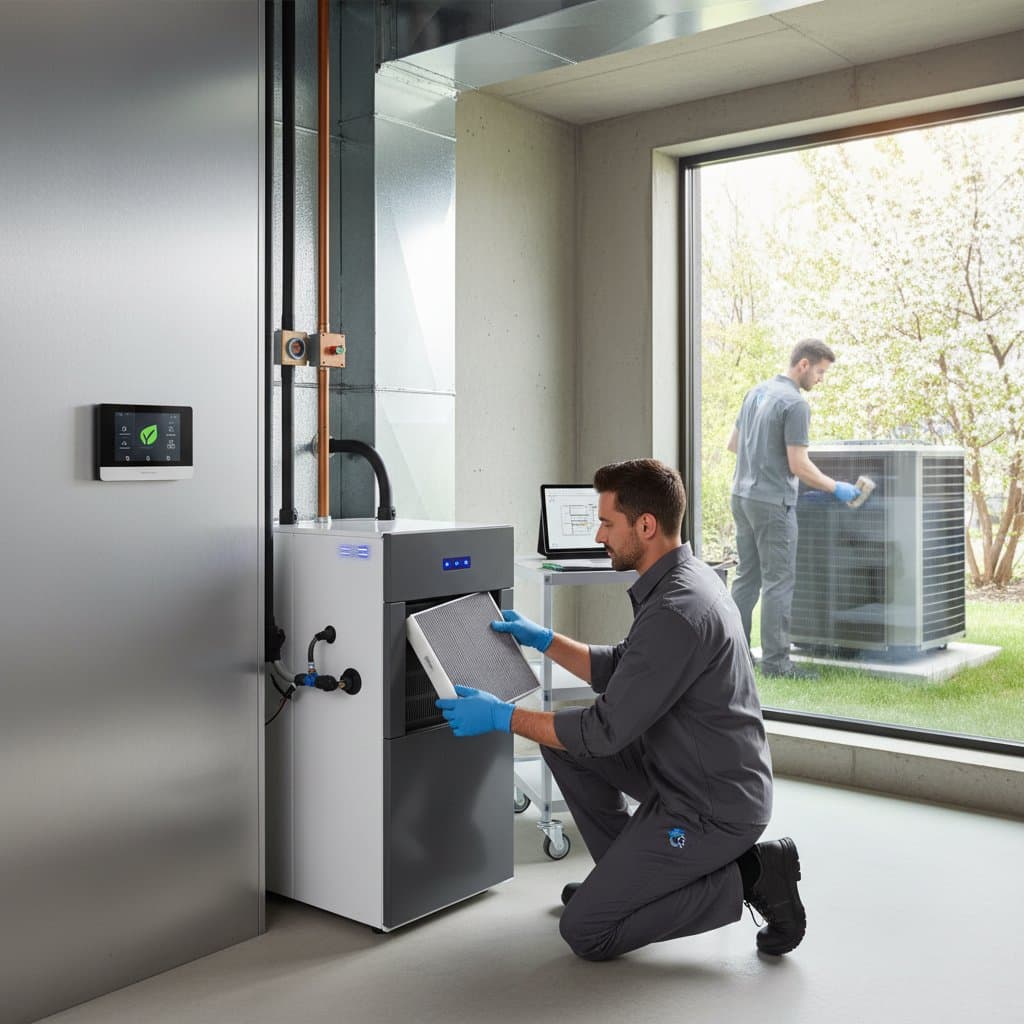
Essential Spring HVAC Checks to Avoid Summer Breakdowns
HVAC systems face peak demands during rising temperatures, making spring the ideal season for preparation. Preventive maintenance minimizes repair expenses, enhances indoor comfort, and stabilizes energy consumption. The following five checks ensure optimal air conditioning performance throughout the summer months.
| Spring HVAC Check | Purpose | Homeowner Benefit |
|---|---|---|
| Clean or replace air filters | Improves airflow and indoor air quality | Reduces strain on the system and lowers energy use |
| Inspect and clean the outdoor unit | Removes dirt and debris buildup | Boosts cooling efficiency and prevents overheating |
| Test thermostat calibration | Ensures accurate temperature control | Keeps your home comfortable and saves energy |
| Check refrigerant levels | Confirms proper cooling performance | Prevents compressor damage and costly repairs |
| Schedule a professional tune-up | Comprehensive system inspection | Extends equipment lifespan and ensures safety |
1. Replace or Clean Air Filters
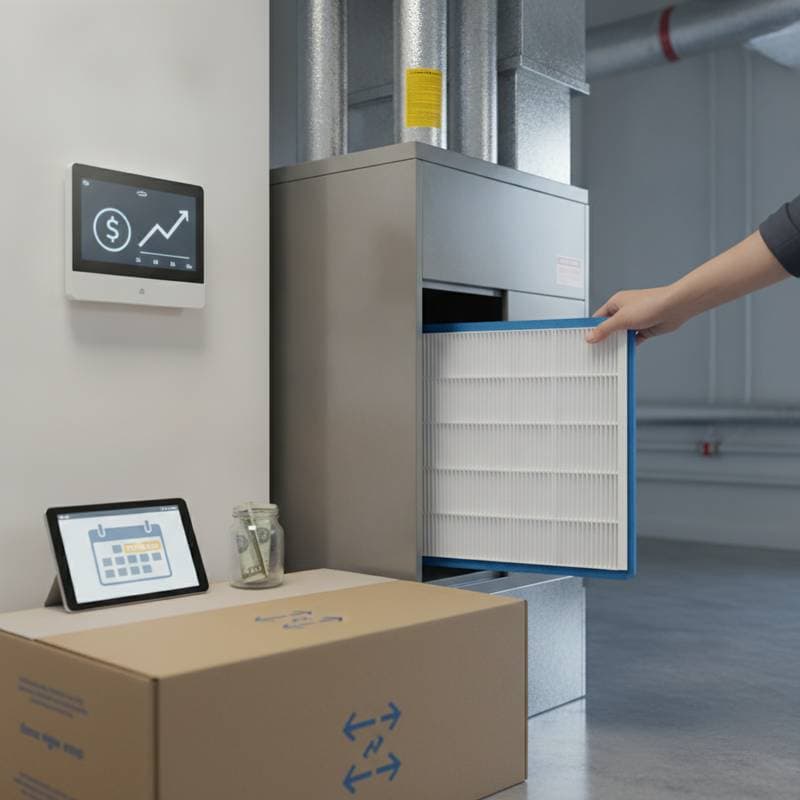
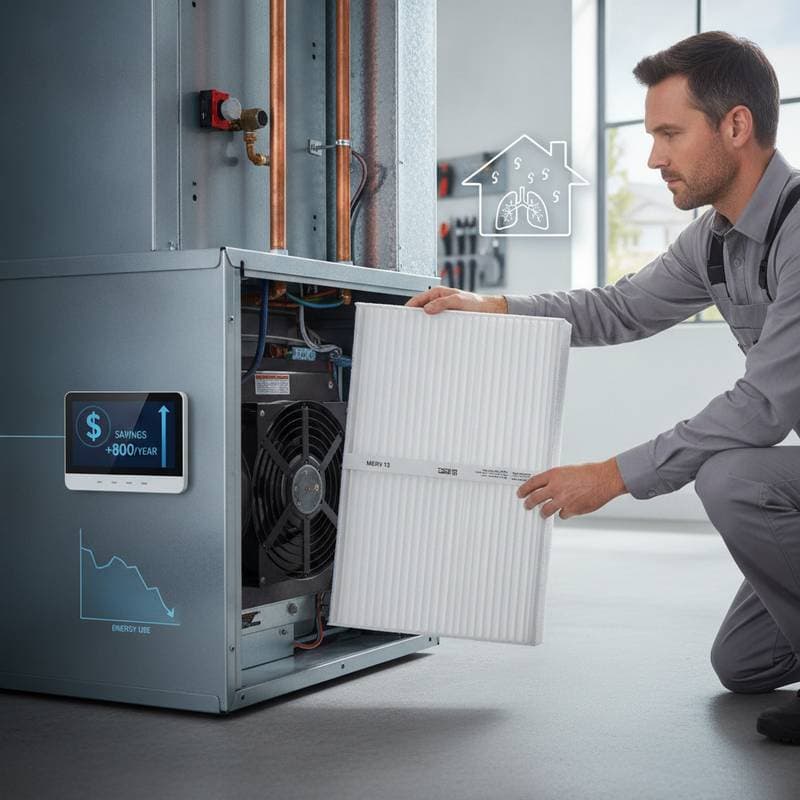
Air filters serve as the primary barrier against dust, pollen, and other airborne particles in HVAC systems. Clogged filters restrict airflow, compelling the air conditioner to operate under increased pressure. This strain elevates energy costs and accelerates component deterioration.
How to check:
- Power down the HVAC system prior to filter examination.
- Remove the filter and assess its condition; replace it if dirt accumulation appears heavy, or rinse reusable types under cool water.
- Perform inspections monthly during periods of intensive cooling.
Select filters rated MERV 8 to 13 to balance filtration effectiveness with minimal airflow resistance. Regular filter maintenance preserves system longevity and promotes healthier indoor environments.
2. Inspect and Clean the Outdoor Unit
The outdoor condenser unit expels heat from your home, but accumulated debris like leaves, grass, or dirt hinders its operation. Blocked coils reduce heat dissipation, causing the unit to overheat and compromise overall cooling capacity. Routine cleaning restores functionality and safeguards against efficiency losses.
How to clean:
- Shut off power to the unit at the breaker for safety.
- Gently clear vegetation and debris from the surrounding area, maintaining at least two feet of clearance.
- Use a garden hose with low pressure to rinse coils; avoid high-force sprays that could bend fins.
Professionals recommend annual deep cleanings, but homeowners can handle basic upkeep. This step prevents strain on the compressor and maintains consistent cooling performance.
3. Test Thermostat Calibration and Settings
Thermostats regulate HVAC operation by sensing indoor temperatures, yet inaccuracies lead to inefficient cycling and discomfort. Discrepancies of even two degrees result in excessive runtime or inadequate cooling. Verification ensures precise control and energy conservation.
How to test:
- Place a reliable thermometer near the thermostat and compare readings after 15 minutes of system inactivity.
- Adjust manual dials if needed, or consult the device manual for recalibration steps.
- Consider installing a smart thermostat for remote access and automated scheduling based on occupancy.
Calibrated thermostats prevent overworking the system and distribute even temperatures across rooms. Upgrades to energy-efficient models yield long-term savings on utility bills.
4. Check Refrigerant Levels
Refrigerant circulates through the system to absorb and release heat, enabling effective cooling. Low levels, often from leaks, diminish performance and risk compressor failure, which proves expensive to repair. Monitoring maintains the system's cooling potential without unnecessary strain.
How to assess:
- Observe for signs like insufficient cooling or ice on coils, which indicate potential low refrigerant.
- Avoid handling refrigerant yourself due to regulatory and safety requirements.
- Engage a certified technician to measure levels using specialized gauges and recharge if necessary.
Homeowners benefit from professional inspections, as proper refrigerant charge optimizes efficiency and averts major malfunctions. Annual checks during tune-ups address this critical aspect comprehensively.
5. Schedule a Professional HVAC Tune-Up
Expert technicians deliver thorough evaluations that surpass basic homeowner efforts, uncovering subtle issues before they escalate. Tune-ups adjust components for peak operation, enhancing reliability during heat waves. This proactive measure extends equipment durability and upholds safety standards.
A typical tune-up includes:
- Examination of electrical connections to prevent hazards.
- Evaluation of controls for smooth operational cycles.
- Thorough cleaning of evaporator and condenser coils, blower fans, and drainage lines.
- Assessment of airflow rates and refrigerant pressures.
- Inspection of belts, motors, and bearings for wear.
Annual professional service represents a worthwhile investment in system health. It identifies inefficiencies early, reducing the likelihood of emergency calls amid summer demands.
Indicators That Your HVAC Requires Prompt Service
Monitor your system for subtle cues that signal underlying problems. Uneven temperature distribution or warm air from supply vents suggests restricted airflow or refrigerant issues. Escalating utility costs without usage changes point to declining efficiency.
Noises like grinding or hissing often arise from loose parts or refrigerant leaks. Reduced airflow or persistent hot spots indicate ductwork or fan complications. Frequent short cycling strains components and signals thermostat or control faults.
Address these symptoms through immediate professional intervention. Early action preserves performance and avoids extensive downtime during peak seasons.
Costs Associated with Spring HVAC Tune-Ups
Expenses for professional maintenance depend on factors such as unit capacity, geographic location, and additional services required. Standard tune-ups typically range from $75 to $200, covering inspection and minor adjustments. Larger systems or older models may incur higher fees due to complexity.
Supplementary tasks like refrigerant replenishment or deep coil cleaning add $100 to $300. Maintenance contracts, priced annually at $150 to $400, offer discounted visits and expedited service. Such plans prove cost-effective for frequent users, ensuring year-round preparedness.
Frequently Asked Questions on Spring HVAC Maintenance
How often should HVAC systems receive service?
Annual servicing, preferably in spring, sustains efficiency and mitigates breakdown risks. More frequent attention benefits older units or high-use environments.
Is it safe for homeowners to clean outdoor units?
Basic debris removal and coil rinsing pose low risk with power disconnected. Professionals handle electrical and refrigerant elements to avoid hazards.
What risks arise from omitting spring maintenance?
Systems develop blockages, efficiency drops, and failure probabilities increase, leading to higher bills and discomfort during heat.
Should outdoor units be covered post-cleaning?
Covers trap humidity, fostering rust and mold. Maintain open space for natural ventilation and debris prevention.
How much time does a tune-up require?
Routine visits last 45 to 90 minutes, extending with diagnostics or repairs. Plan for minimal disruption to daily routines.
Steps to Secure Reliable Cooling This Summer
Invest time in spring preparations to enjoy seamless comfort when temperatures soar. Implement filter changes, unit cleanings, and thermostat tests alongside professional oversight. These practices elevate efficiency, curb expenses, and fortify your home against heat-related disruptions.
Consistent care transforms HVAC management into a straightforward routine. Embrace these habits for enduring system performance and enhanced living conditions.