HVAC Sensors to Banish Mold Forever
Mold transforms comfortable homes into health hazards. It flourishes in damp, humid environments and spreads silently through air ducts and walls. The HVAC industry introduces innovative technologies to halt mold growth at its source. Advanced HVAC sensors represent one of the most effective solutions. These devices detect moisture, monitor humidity, and automate system adjustments to maintain safe, dry indoor air. This article explains how HVAC sensors eliminate mold risks and outlines steps to prepare your home for enhanced moisture control.
What Are HVAC Moisture Sensors?
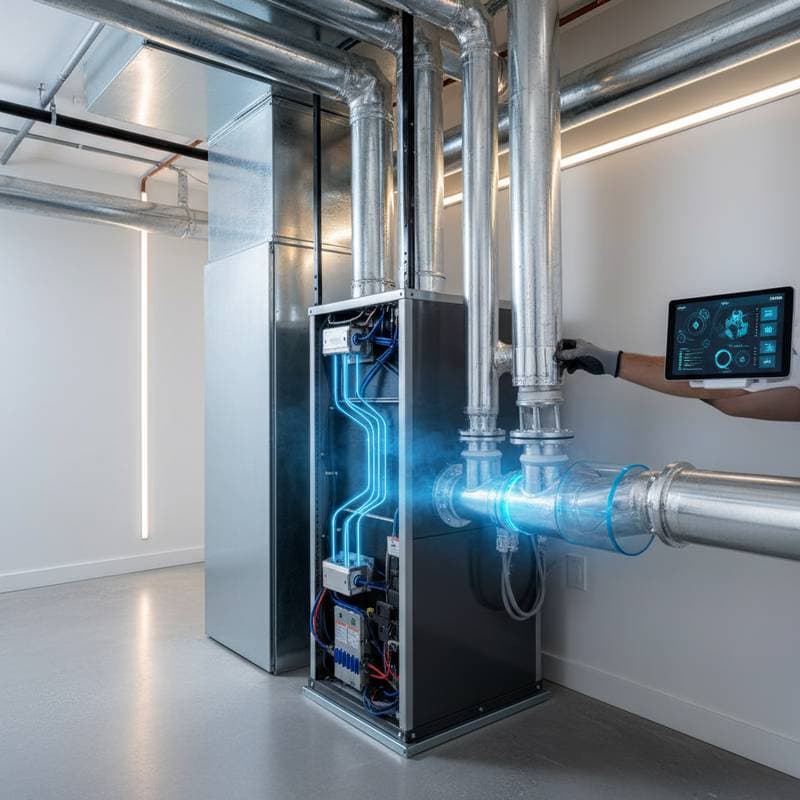
HVAC moisture sensors consist of compact, intelligent devices that identify variations in humidity and water presence within heating and cooling systems. They provide real-time monitoring of air quality, temperature, and moisture levels. When humidity or condensation exceeds safe limits, the sensor signals the HVAC system to increase airflow or activate dehumidification.
In essence, these sensors function as an integrated early warning mechanism. They enable the HVAC unit to sustain optimal moisture balance throughout the home. This equilibrium proves essential for averting mold, mildew, and associated odors.
Why Mold Forms Inside HVAC Systems
Mold develops in HVAC systems when warm air contacts cool surfaces, resulting in condensation. This moisture accumulates in ducts, coils, and drip pans. Dust and organic materials serve as nutrients for mold spores, facilitating rapid proliferation.
Typical contributors include:
- Inadequate ventilation or obstructed air returns
- Clogged filters that retain moisture
- Leaking ducts or blocked drain lines
- Oversized units that cycle briefly and neglect dehumidification
Once spores infiltrate the system, they distribute via ductwork to all areas. This dissemination leads to respiratory discomfort, allergic reactions, and persistent odors. Effective mold prevention demands precise management of humidity and airflow, capabilities inherent to HVAC sensors.
How New Sensors Prevent Mold
Contemporary HVAC sensors employ intelligent technology to oversee and regulate indoor conditions autonomously. The following details their mold-prevention mechanisms:
-
Continuous Humidity Monitoring
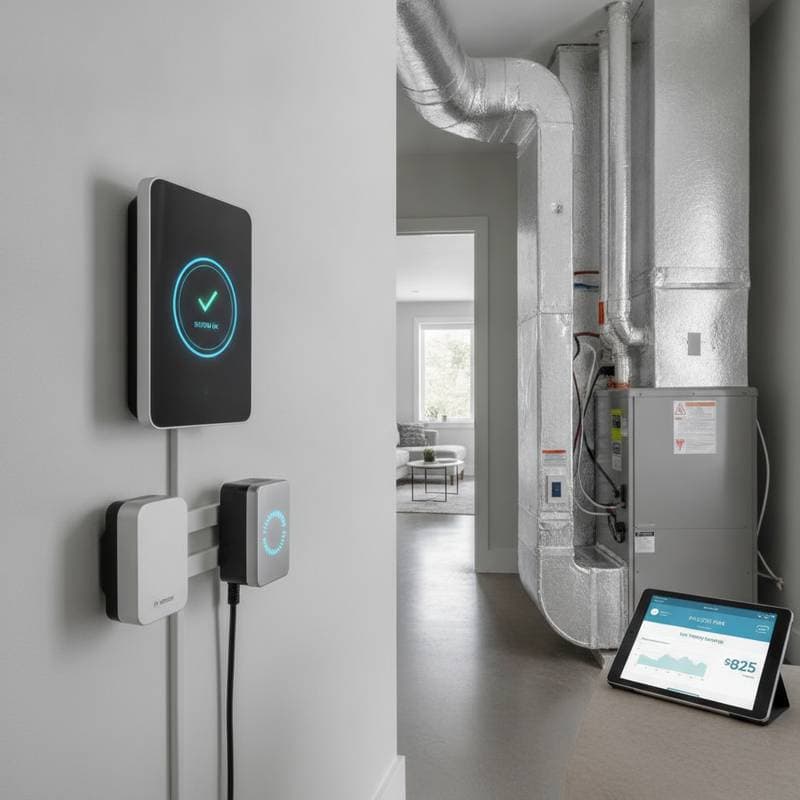
Sensors continuously assess indoor humidity and transmit data to the system's control board. Upon exceeding predefined thresholds, the system initiates dehumidification or modifies fan speeds to restore balance. -
Condensation Detection
Positioned adjacent to coils or drip pans, certain sensors identify emerging condensation. The system responds promptly by enhancing airflow or expediting drainage to eliminate excess moisture. -
Airflow Optimization
Sensors evaluate temperature and airflow across duct networks. In zones prone to cool, damp conditions, the system redirects air or adjusts dampers to inhibit moisture accumulation. -
System Alerts and Diagnostics
Upon detecting potential moisture issues, sensors notify homeowners or service professionals via smart thermostats or mobile applications. This enables swift intervention to preclude mold development.
Through these automated processes, HVAC systems uphold ideal humidity without requiring ongoing manual intervention.
Common Signs You Need Moisture Control
Homes that feel persistently damp or emit musty odors often indicate underlying humidity challenges. Consider these indicators that moisture sensors address effectively:
- Recurrent condensation on windows or vents
- Apparent mold near supply registers or return grilles
- Enduring musty scents from ductwork
- Heightened allergy or asthma symptoms within the home
- Water accumulation beside the indoor unit or drain pan
Such symptoms signal that the HVAC system struggles with humidity regulation. Moisture sensors facilitate diagnosis and mitigation of these problems prior to escalation.
Key Factors Affecting Moisture Sensor Performance
Several elements influence the reliability of HVAC moisture sensors. Awareness of these aspects aids in selecting appropriate options for your residence.
-
Sensor Placement
Optimal positioning occurs near evaporator coils, return ducts, or air handlers. Incorrect placement yields unreliable data. -
System Compatibility
Legacy HVAC units may lack integration capabilities with advanced sensors. Upgrades to control boards or thermostats often prove necessary for seamless operation. -
Calibration and Maintenance
Sensors demand periodic calibration and cleaning to preserve precision. Accumulated dust or debris compromises measurement accuracy. -
Home Size and Layout
Expansive or multi-story homes benefit from multiple sensors to ensure uniform humidity oversight across zones. -
Local Climate
Residences in high-humidity areas derive maximum value from sensors, as external conditions exert significant influence on indoor moisture.
A qualified HVAC specialist evaluates these variables to configure sensors for optimal efficacy.
DIY vs. Hiring a Professional
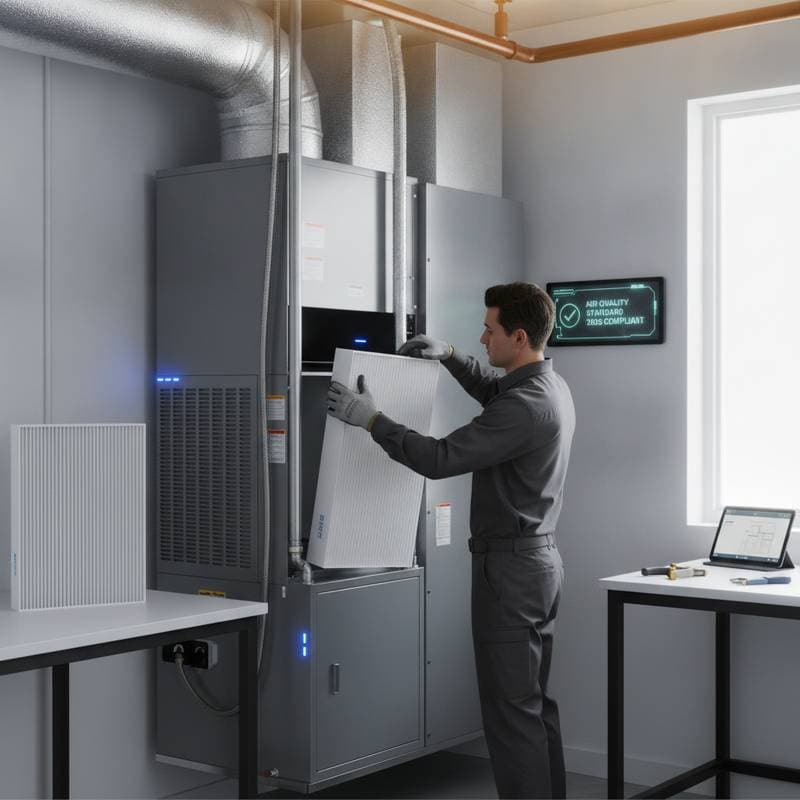
Individuals may question if HVAC moisture sensor installation qualifies as a self-managed task. While basic smart thermostats or independent humidity monitors install easily, integrated sensors typically necessitate expert involvement.
Tasks suitable for homeowners:
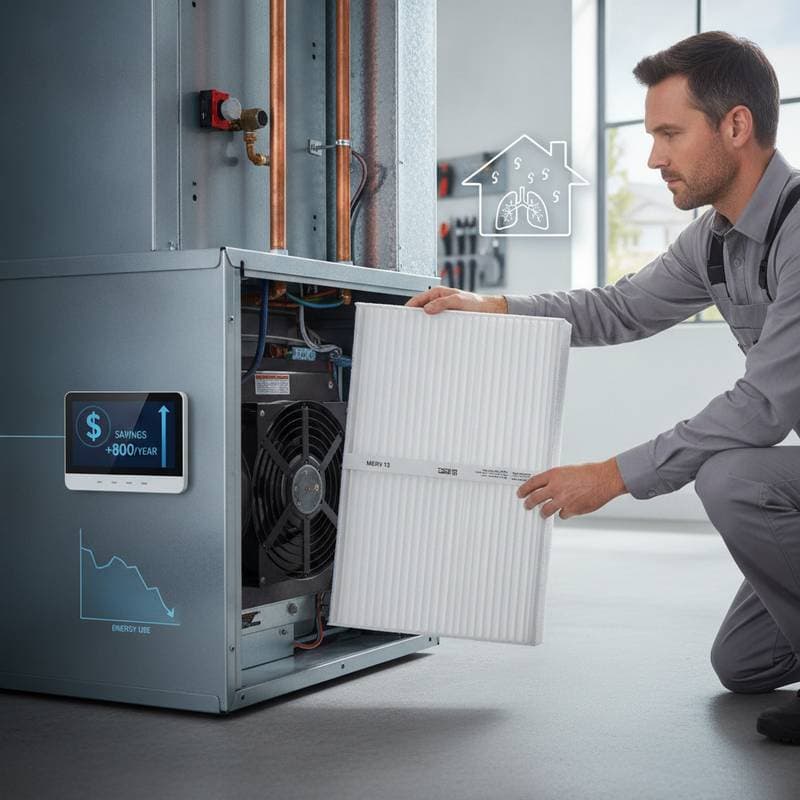
- Routine air filter replacement to enhance airflow
- Clearing drain pans and lines of obstructions
- Employing a portable hygrometer for humidity tracking
Tasks requiring professional execution:
- Sensor installation and wiring within the HVAC framework
- Linking sensors to control boards or smart thermostats
- Sensor recalibration and system parameter adjustments
Handling electrical wiring, refrigerant pathways, and control circuits demands licensed expertise to uphold safety and preserve warranties. Professionals also confirm balanced airflow and dehumidification performance.
The Installation and Calibration Process
Professional installation of HVAC moisture sensors follows a structured sequence:
-
Initial Assessment
The technician examines the system for current moisture concerns, inspects ductwork, and baselines humidity measurements. -
Sensor Placement Plan
Devices position strategically in high-risk areas, including coils, drain pans, or return ducts, to target condensation and humidity hotspots. -
Integration and Wiring
Sensors connect to the control board or smart thermostat, enabling real-time data exchange and automated adjustments. -
Calibration and Testing
Each sensor undergoes calibration for precise readings, followed by comprehensive system testing to verify functionality. -
Monitoring Setup
For smart home integrations, instructions provide guidance on accessing readings and alerts via mobile devices or control interfaces.
This methodical approach guarantees that the system detects and counters moisture effectively, promoting clean, dry air.
Frequently Asked Questions
How do I know if my home needs HVAC moisture sensors?
Frequent condensation, musty odors, or mold near vents suggest the need for sensors. They assist in humidity stabilization and proactive mold prevention.
Can I add sensors to my existing HVAC system?
Compatibility exists for many modern systems through retrofitting. Older models may require control board or thermostat enhancements; a technician assesses feasibility.
Do moisture sensors require maintenance?
Minimal upkeep suffices, with periodic cleaning or recalibration ensuring accuracy. Annual HVAC servicing includes sensor inspections.
Will sensors increase my energy use?
Sensors promote efficiency by optimizing operations, reducing the workload on the HVAC unit through effective humidity management.
Are moisture sensors expensive to install?
Expenses depend on system scale and intricacy. Initial costs exceed basic thermostats, yet yield savings via mold avoidance and energy conservation.
Making It Happen
Mold prevention ranks among the most prudent investments for home health and comfort. HVAC moisture sensors provide vigilant humidity oversight and preempt moisture escalation.
Address suspected humidity or mold issues promptly through a professional inspection. A reliable technician evaluates your system, suggests tailored sensor integrations, and configures HVAC operations for enduring mold resistance and comfort.