How 2025 HVAC Monthly Maintenance Plans Reduce Energy Bills and Repair Costs
Maintaining your heating, ventilation, and air conditioning system requires consistent effort to ensure optimal performance. The 2025 HVAC monthly maintenance plans simplify this process by offering structured, affordable services that protect your investment and enhance efficiency. These programs address common issues proactively, resulting in lower operational costs and fewer disruptions to your daily comfort.
Homeowners often overlook the cumulative impact of neglected maintenance, which can lead to inefficiencies and unexpected failures. By enrolling in a monthly plan, you gain access to professional oversight that identifies potential problems early. This approach not only preserves system reliability but also aligns with modern energy standards for sustainable home management.
Understanding HVAC Monthly Maintenance Plans
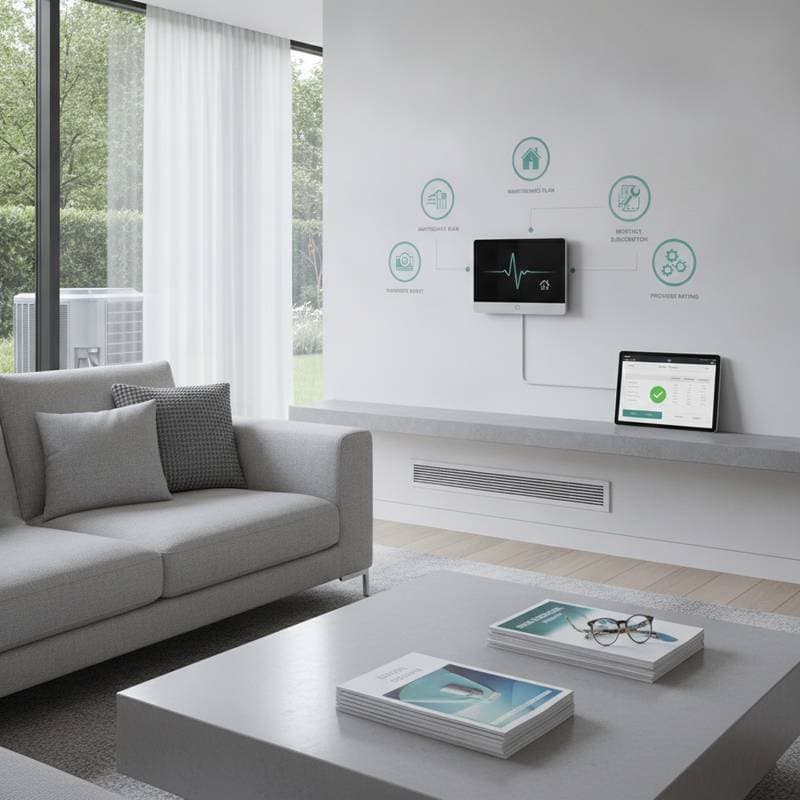
An HVAC monthly maintenance plan functions as a subscription service that schedules regular professional evaluations and adjustments for your heating and cooling equipment. Participants pay a fixed monthly amount, typically ranging from 15 to 30 dollars, which covers multiple visits annually rather than charging per service call. This model eliminates the hassle of one-off payments and ensures your system receives attention at critical intervals.
Technicians perform detailed assessments during these visits, examining components such as coils, fans, and controls for signs of wear or imbalance. They also verify refrigerant charge and airflow dynamics to optimize performance. Such thorough checks help maintain the system's designed efficiency rating, often restoring it to near-original levels after cleaning and calibration.
The Financial Benefits of Preventive Maintenance
Preventive maintenance directly influences your household budget by targeting inefficiencies that drive up expenses. A clean, well-tuned system consumes less electricity or gas to achieve the same temperature output, potentially reducing utility bills by 10 to 20 percent over a year. For an average home, this translates to hundreds of dollars in annual savings, far exceeding the plan's cost.
Beyond energy use, these plans mitigate the risk of sudden breakdowns that require emergency interventions. Professional servicing spots issues like loose wiring or clogged drains before they escalate, avoiding repair bills that can exceed 500 dollars for simple fixes. Additionally, extended equipment longevity means delaying major replacements, which often cost thousands, by several years.
Many plans incorporate perks such as reduced rates on parts or labor for any necessary work. Priority scheduling during peak seasons further adds value, ensuring quick resolutions without the inconvenience of long waits. Over a decade, the compounded effects of these benefits make monthly plans a strategic financial decision for responsible homeowners.
Core Services in Standard HVAC Maintenance Plans
Service providers customize plans to fit different needs, but core offerings focus on comprehensive system health. Seasonal tune-ups, conducted before summer and winter, involve full-system diagnostics to prepare for heavy use. These include testing for refrigerant leaks and adjusting cycle times for balanced operation.
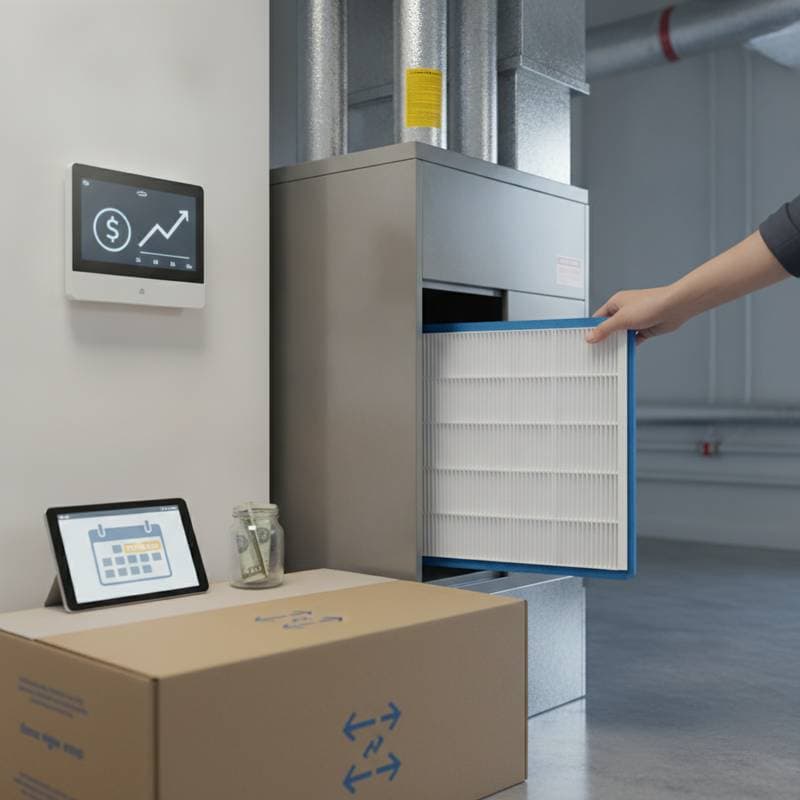
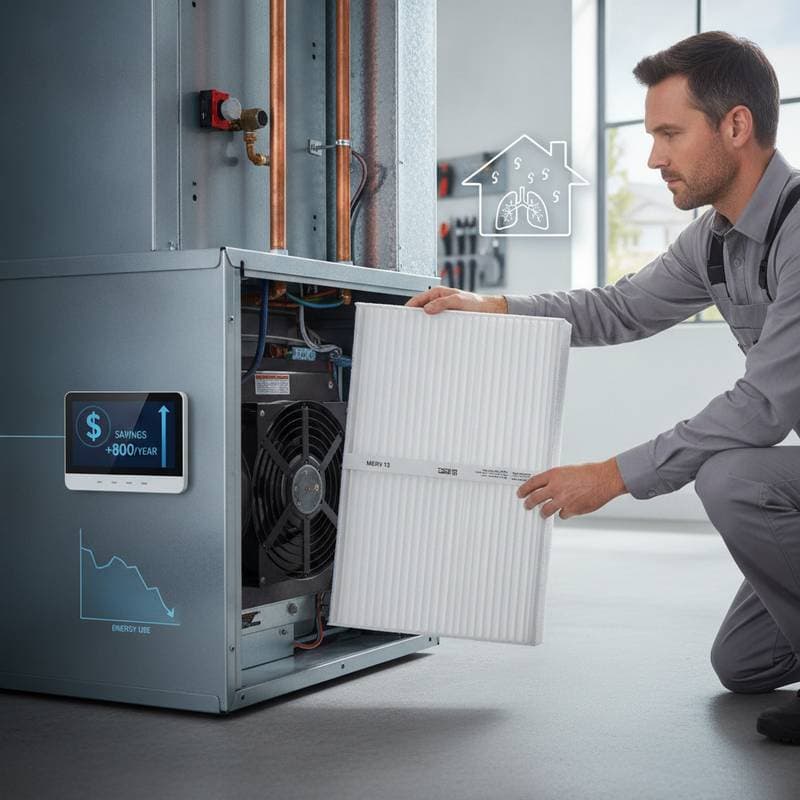
Filter management forms a foundational element, with technicians inspecting and replacing units to sustain proper airflow and filtration. This prevents dust accumulation that hampers efficiency and indoor air quality. Thermostat adjustments ensure precise control, avoiding overworking the system due to inaccurate readings.
Routine tasks extend to cleaning condensate drains to avert water damage and lubricating motors to minimize operational strain. Some enhanced plans cover duct inspections for leaks or blockages, contributing to even air distribution. Participants often receive seasonal advice, such as optimizing humidity levels, to maximize overall home comfort.
Balancing DIY Efforts with Professional Expertise
Homeowners can contribute to system care through basic actions that complement professional services. Regularly replacing air filters every one to three months maintains airflow and captures allergens effectively. Clearing vegetation or debris around outdoor units promotes unrestricted operation and reduces strain on the compressor.
These steps provide immediate benefits but fall short of addressing complex diagnostics. Professionals use specialized tools to measure electrical loads, balance pressures, and comply with safety codes, tasks beyond typical DIY capabilities. Relying solely on self-maintenance risks overlooking subtle faults that lead to larger failures.
Combining personal vigilance with expert visits creates a robust maintenance strategy. This partnership ensures your system remains safe, efficient, and warrantied, while you build familiarity with its basic needs.
Determining the Cost of Your Maintenance Plan
Plan pricing reflects several variables tailored to your setup and location. Larger systems, like those in expansive homes, demand more time for inspections, increasing the fee slightly. The visit schedule influences costs, with biannual checks being standard and quarterly options available for high-use environments.
Coverage depth varies from basic tune-ups to inclusive packages that bundle repairs. Experienced contractors in urban areas may charge more due to higher operational expenses, but their expertise often yields better results. Comparing quotes from licensed providers helps identify the best fit for your budget and system requirements.
Frequently Asked Questions
How frequently does an HVAC system require professional servicing?
Experts recommend servicing twice annually, aligning with seasonal transitions to cooling and heating demands. This timing allows technicians to optimize performance when the system faces peak loads. Consistent care preserves efficiency and safety features essential for long-term reliability.
Do maintenance plans benefit recently installed systems?
Absolutely, as routine checks uphold manufacturer warranties and sustain high-efficiency ratings. New units accumulate operational residue quickly, and early intervention prevents warranty-voiding neglect. This practice maximizes the technology's potential from day one.
What risks arise from neglecting HVAC maintenance?
Omission leads to elevated energy consumption from dirty components forcing harder operation. Comfort suffers through uneven temperatures or excessive noise, while lifespan shortens due to accelerated part degradation. In severe cases, safety hazards like electrical faults emerge, posing fire or carbon monoxide risks.
Is it possible to terminate a maintenance plan on short notice?
Most contracts permit cancellation with 30 days' notice, though longer commitments may unlock deeper discounts. Reviewing the agreement details upfront clarifies any penalties or renewal options. Flexibility ensures the plan suits evolving homeowner needs.
Selecting and Implementing Your Ideal Maintenance Plan
Evaluate your system's age, usage patterns, and home size when choosing a plan to ensure comprehensive coverage. Discuss options with certified technicians who can assess your setup and recommend tailored frequencies. Once enrolled, track service records to monitor improvements in performance and costs.
Integrating these plans into your routine fosters proactive home management. You gain assurance from predictable upkeep and responsive support, transforming potential headaches into seamless operations. Contact a reputable HVAC specialist today to explore plans that align with your comfort goals and financial priorities.