Why Heat Pump Water Heaters Deliver Three Times the Efficiency of Gas Models
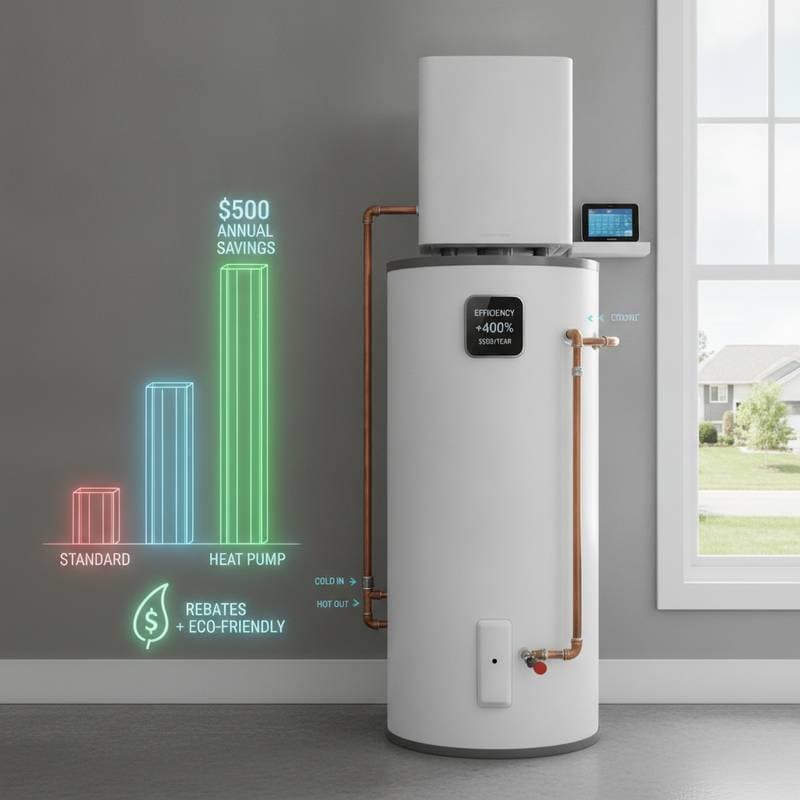
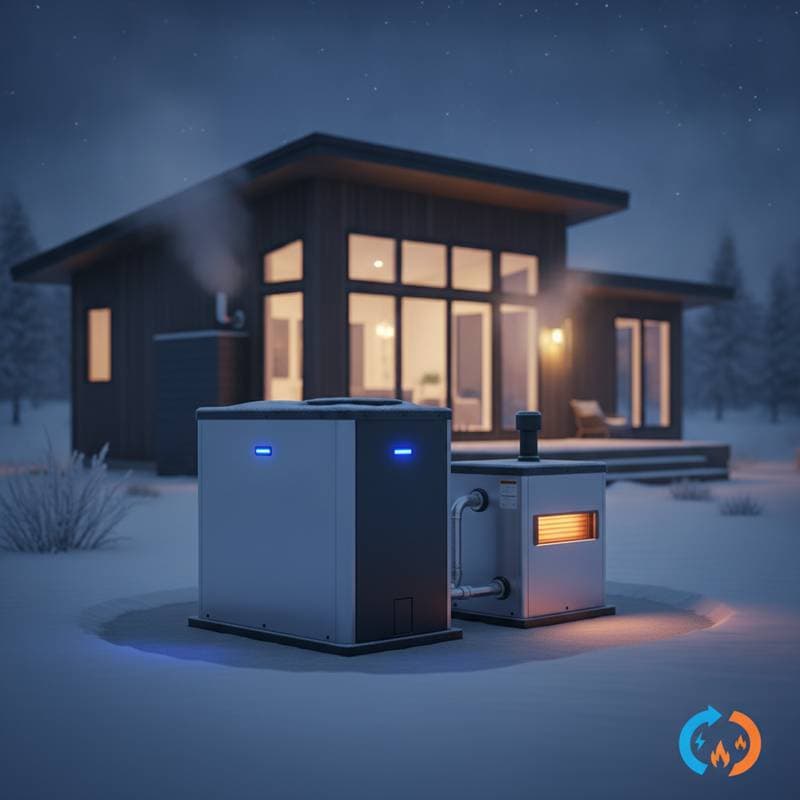
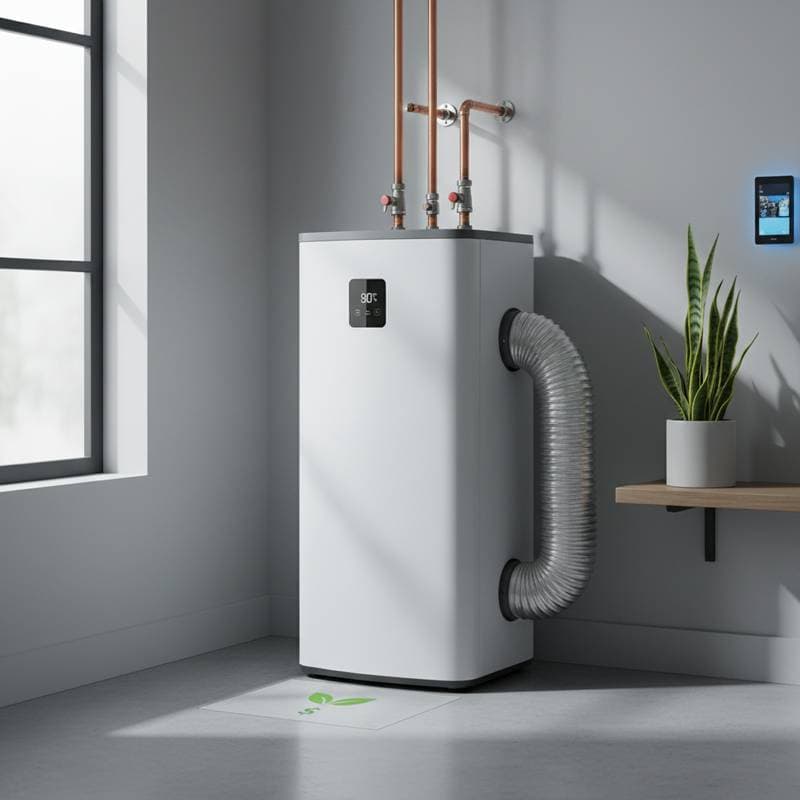
Heat pump water heaters achieve approximately three times the efficiency of traditional gas models by transferring heat rather than producing it. Gas water heaters rely on combustion to generate heat from fuel, a process that consumes significant energy. In contrast, heat pump systems use electricity to pull existing heat from the surrounding air and move it into the water, requiring far less power overall. This fundamental difference positions heat pump water heaters as a reliable option for energy conservation in residential settings.
| Aspect | Heat Pump Water Heater | Gas Water Heater |
|---|---|---|
| Energy Efficiency | 2.5 to 3.5 times higher | Standard levels |
| Operating Costs | 60% to 70% lower | Elevated due to fuel expenses |
| Energy Source | Electricity for heat transfer | Natural gas or propane via combustion |
| Environmental Effects | Minimal emissions | Substantial emissions |
| Expected Lifespan | 10 to 15 years | 8 to 12 years |
Installation Costs for Heat Pump Water Heaters
The typical installation cost for a heat pump water heater falls between $2,000 and $4,500, influenced by factors such as unit capacity, manufacturer, and site-specific requirements. A comparable gas water heater installation ranges from $1,200 to $2,800. Although the heat pump option involves a greater initial investment, its superior energy efficiency often recoups the difference within several years through reduced utility expenses.
| Component | Cost Range |
|---|---|
| Unit Purchase | $1,200 to $2,500 |
| Installation Labor | $800 to $1,500 |
| Necessary Upgrades (Electrical or Plumbing) | $300 to $500 |
| Total Installed Price | $2,000 to $4,500 |
Homeowners may find the lower upfront price of gas units attractive, yet the ongoing savings from heat pumps provide a compelling financial advantage over time.
Factors Influencing Heat Pump Water Heater Performance
Multiple elements determine the efficiency of a heat pump water heater in a given household. Homeowners benefit from evaluating these aspects to select an appropriate model and optimize its operation.
Surrounding Air Conditions
These systems extract heat from the air in their vicinity, performing optimally in environments maintaining temperatures above 40 degrees Fahrenheit. Install the unit in a basement or utility space with stable, moderate air conditions to support peak efficiency.
Efficiency Measurement
The Uniform Energy Factor (UEF) quantifies a water heater's ability to convert input energy into usable hot water. Heat pump models typically achieve UEF ratings from 2.5 to 3.5, indicating they generate two and a half to three and a half units of heat energy per unit of electricity used. Gas models, by comparison, range from 0.6 to 0.9 on this scale.
Daily Hot Water Usage
Families with higher hot water demands place greater loads on the system, potentially affecting overall efficiency. Exceeding the unit's capacity may engage the backup electric element, which operates less efficiently. Choose a tank size matched to your household's needs to sustain reliable performance.
Installation Standards
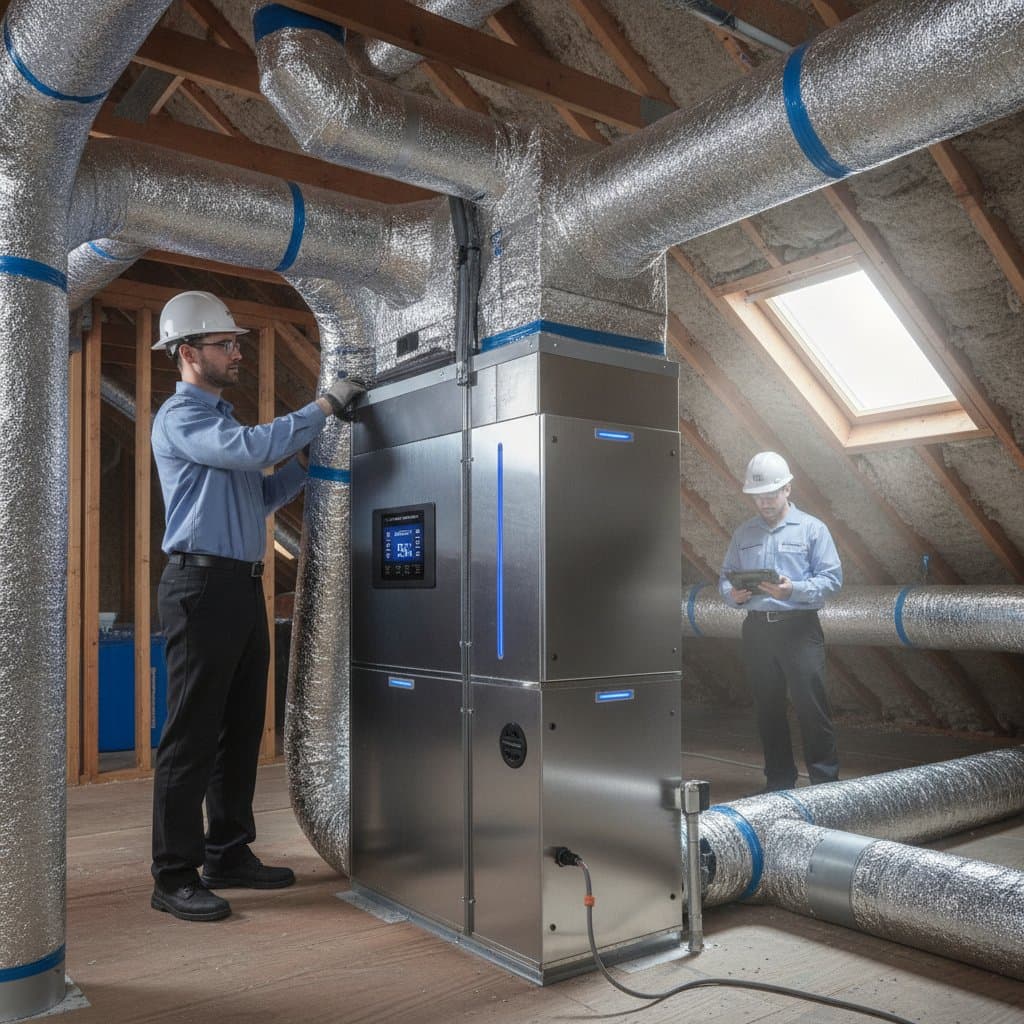
Quality installation plays a critical role in long-term reliability. Substandard work can lead to reduced efficiency or early breakdowns. Engage certified HVAC professionals to handle airflow, drainage, and electrical integrations properly.
Varieties of Heat Pump Water Heaters
Heat pump water heaters come in configurations suited to diverse installation scenarios and user preferences.
-
Integrated Hybrid Models: These integrate a heat pump mechanism with a conventional electric tank.
Advantages: Space-efficient and straightforward to replace existing electric units.
Drawbacks: Demand sufficient surrounding air for effective heat extraction. -
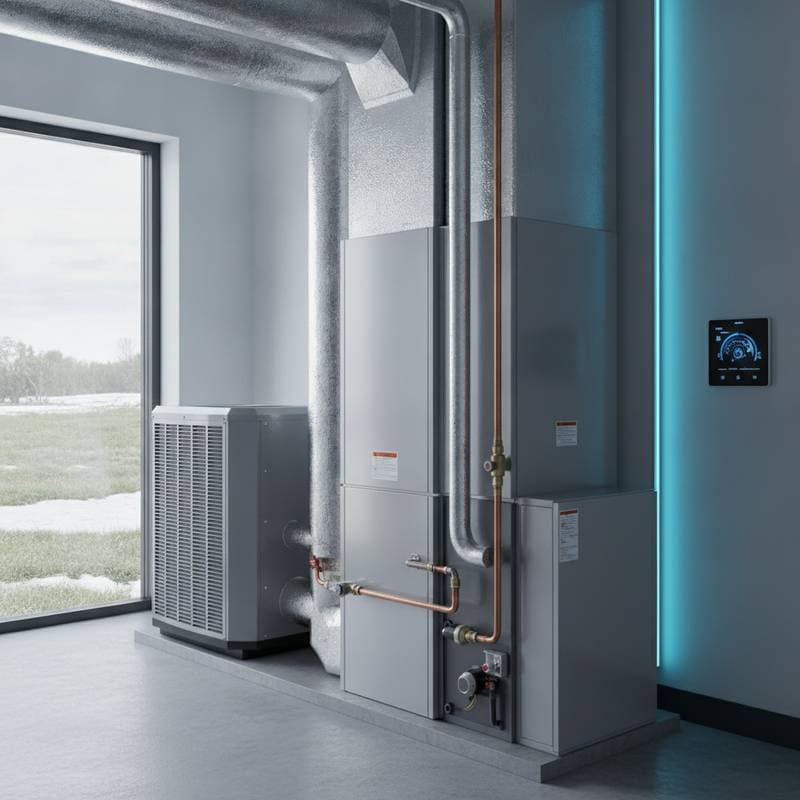
Split-System Designs: These separate the compressor component from the water storage tank.
Advantages: Reduced noise levels and greater placement flexibility.
Drawbacks: Involve more intricate setup and elevated expenses. -
Add-On Configurations: These retrofit a heat pump module onto an existing standard tank.
Advantages: Cost-effective for homes with recent tanks already in place.
Drawbacks: Exhibit marginally lower efficiency than fully integrated systems.
All variants rely on the core principle of heat transfer, outperforming gas systems in energy use.
Indicators for Upgrading to a Heat Pump Water Heater
Certain issues with your current water heater signal the value of an upgrade to a heat pump model.
- Inconsistent hot water supply or rapid depletion
- Escalating gas bills despite stable usage patterns
- Recurrent problems with pilot lights or burners
- Evidence of tank corrosion or water leaks
- Age surpassing ten years
- Desire to decrease household carbon emissions
Such conditions suggest your system approaches obsolescence or operates inefficiently.
Steps in Heat Pump Water Heater Installation
Expert installation guarantees safety and optimal function. The process generally unfolds as follows.
-
Needs Evaluation: The technician assesses hot water requirements and advises on suitable sizing.
-
Location Preparation: Ensure the site provides sufficient airflow and clearance for air intake and exhaust.
-
Removal of Existing Unit: Drain and extract the old water heater following safety protocols.
-
New Unit Integration: Position the heat pump system, secure plumbing connections, and link to electrical supply.
-
Performance Verification: Conduct tests for leaks, confirm heating capabilities, and fine-tune for maximum efficiency.
-
Owner Orientation: Receive instructions on daily use, upkeep routines, and strategies to conserve energy.
Professional Labor Expenses for Installation
Expect labor fees between $800 and $1,500 for heat pump water heater installation. Variations arise from unit dimensions, electrical demands, and site accessibility. Although some attempt self-installation, hiring professionals upholds code compliance and preserves manufacturer warranties.
Common Questions About Heat Pump Water Heaters
How do heat pump water heaters function?
These units employ electricity to extract heat from ambient air and transfer it to the water storage tank, bypassing the need for direct heat generation via combustion. This method consumes substantially less energy than gas burning or traditional electric resistance heating.
Are heat pump water heaters noisy?
Most models operate quietly, with noise levels akin to a refrigerator's hum during the compressor cycle. Placement in less-trafficked areas like basements minimizes any perceptible sound in living spaces.
Do they perform well in cold climates?
Efficiency declines in temperatures below 40 degrees Fahrenheit, as less ambient heat is available. Advanced models incorporate features to maintain function down to 35 degrees, though supplemental heating may activate in extreme cold, slightly increasing energy use.
How long do heat pump water heaters last?
With proper maintenance, these systems endure 10 to 15 years, outlasting many gas counterparts due to fewer moving parts and reduced wear from combustion.
Can you replace a gas water heater with a heat pump model?
Yes, replacement is feasible, though it may require electrical panel upgrades to support the unit's power needs. Professional assessment ensures compatibility with your home's infrastructure.
Preparing for Your Heat Pump Water Heater Upgrade
To proceed effectively, start by reviewing your current system's age and performance against the indicators outlined earlier. Consult a certified technician for a personalized efficiency audit of your home. This step identifies the ideal model and confirms potential rebates or incentives that further offset costs, paving the way for sustained savings and environmental benefits.