How Efficient Are Heat Pumps, and How Do Rebates Deliver $2,000 in Savings?
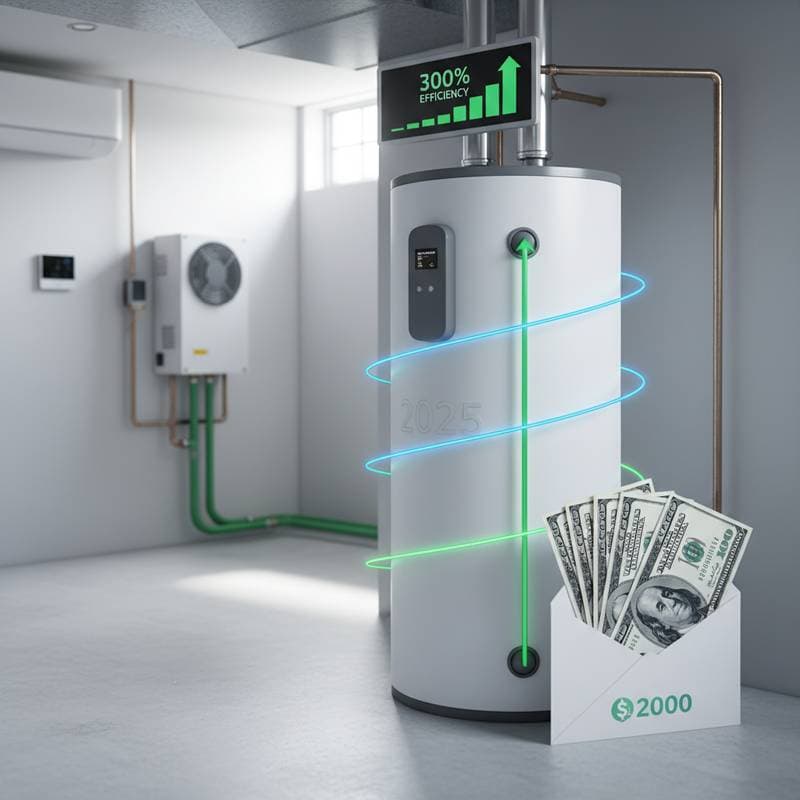
Homeowners increasingly select heat pumps for their superior efficiency and reduced environmental impact in heating and cooling residences. These systems boast efficiency ratings up to 300 percent and qualify for rebate programs that provide up to $2,000 in financial incentives. As a result, heat pumps emerge as an effective solution for lowering energy expenses while ensuring consistent comfort throughout the year.
This guide details the mechanisms behind the remarkable efficiency of heat pumps, outlines expected installation costs, explains rebate program operations, and highlights essential factors that determine return on investment. Whether replacing a conventional HVAC setup or enhancing a water heater, grasping the financial and energy benefits of heat pumps supports informed decisions for home improvements.
The Science Behind 300 Percent Efficiency
The cornerstone of cost savings with heat pumps resides in their 300 percent efficiency rating. In contrast to furnaces that generate heat via combustion, heat pumps transfer heat from one area to another. For each unit of electricity used, a heat pump supplies up to three units of heat energy, thereby generating three times the heat output relative to the electricity input.
Professionals measure this performance using the Coefficient of Performance (COP). A COP value of 3.0 indicates 300 percent efficiency. Contemporary models sustain this level even in moderate cold through innovations such as inverter technology and variable-speed compressors, which adjust output precisely to environmental demands.
Essential Factors Shaping Heat Pump Costs
Multiple elements determine the overall expense of acquiring and installing a heat pump. Recognizing these components enables accurate budgeting and identification of cost-reduction strategies.
1. System Size and Capacity
Homes with greater square footage demand units of higher capacity, elevating both equipment prices and installation fees. Accurate sizing promotes peak efficiency and avoids accelerated system degradation.
2. Energy Efficiency Rating
Systems featuring elevated SEER (Seasonal Energy Efficiency Ratio) and HSPF (Heating Seasonal Performance Factor) scores command higher initial investments yet yield reduced utility payments over time. For instance, a unit with a SEER of 20 or higher minimizes electricity consumption during cooling seasons.
3. Labor and Installation Complexity
Regional labor rates and project intricacies influence costs. Geothermal installations, which require subsurface digging for loops, demand extended labor and thus incur higher charges compared to air-source alternatives.
4. Ductwork and Home Condition
Structures with aging or compromised duct systems often necessitate repairs or full replacements prior to heat pump integration. Ductless mini-split configurations bypass this expense by delivering direct-zone heating and cooling.
5. Brand and Warranty
Reputable manufacturers provide extended warranties, reduced noise levels, and sophisticated controls, justifying premium pricing through enhanced durability and user satisfaction.
6. Climate and Location
Local weather patterns affect system performance. Air-source heat pumps excel in temperate zones, whereas extreme cold regions gain advantages from geothermal systems that draw stable ground temperatures.
Costs and Savings for Heat Pump Water Heaters
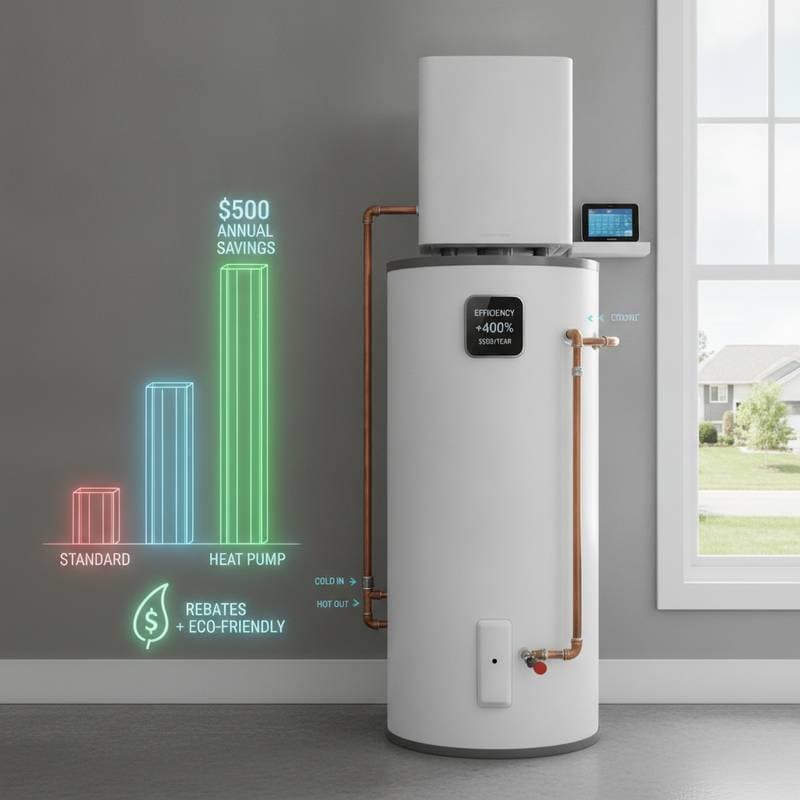
Heat pump water heaters offer households a blend of reliability and energy conservation. Installation typically ranges from $2,000 to $4,000, with potential reductions in water heating energy demands by as much as 70 percent over conventional electric units.
| Type | Average Cost | Efficiency | Typical Annual Savings |
|---|---|---|---|
| Standard Electric Heater | $800 – $1,200 | 90% – 95% | Baseline |
| Heat Pump Water Heater | $2,000 – $4,000 | 250% – 300% | $250 – $400 per year |
Applying a $2,000 rebate aligns the net cost with standard models, while ongoing energy reductions establish long-term financial superiority.
Frequently Asked Questions About Heat Pumps
How long does a heat pump last?
Heat pumps generally endure 15 to 20 years, influenced by operational patterns and upkeep routines. Geothermal variants extend this further, as buried components frequently surpass 50 years of functionality.
How often should a heat pump receive service?
Annual inspections and cleanings by a certified HVAC technician prove essential. These sessions encompass refrigerant level assessments, coil decontamination, and confirmation of proper thermostat calibration and air circulation.
Can a heat pump function in cold weather?
Affirmative. Advanced cold-climate models preserve efficiency at sub-freezing levels. Inverter compressors dynamically respond to temperature shifts, delivering reliable heating without supplemental sources.
Are heat pumps noisy?
Current designs prioritize silence. Exterior units emit a subtle hum akin to background noise, and interior elements match the quietude of household appliances like refrigerators.
How much can a heat pump save?
Savings range from 30 to 60 percent on yearly heating and cooling expenses, varying with regional utility prices and prior system types. Integrating rebates and tax incentives amplifies cumulative benefits to several thousand dollars across the unit's service life.
Securing Heat Pump Quotes
Key Questions for Contractors
- Do you hold certification for installing Energy Star-qualified heat pumps?
- Which efficiency ratings suit my local climate best?
- Does the quote cover electrical upgrades or duct modifications?
- How can I pursue applicable rebates or tax credits?
- What warranties apply to parts and labor?
- Can you share references from comparable projects?
- What is the projected timeline for completion?
- Will the system compatible with my current thermostat?
- What post-installation maintenance options do you provide?
- Are hidden fees present in this estimate?
Strategies to Enhance Efficiency and Secure Enduring Benefits
Homeowners maximize heat pump value through proactive measures. Annual maintenance and timely filter replacements prevent efficiency losses. Clearing debris around outdoor units ensures unobstructed airflow.
Programmable thermostats enable precise temperature management, reducing unnecessary operation. Integrating the system with superior insulation and airtight sealing compounds energy conservation efforts. Monitoring evolving rebate opportunities allows capture of additional incentives as programs update.
Heat pumps, with their 300 percent efficiency and $2,000 rebate accessibility, stand as a premier option for energy-conscious upgrades. From space conditioning to water heating, this technology elevates home efficiency and sustainability for discerning residents.