Why Quarterly Coil Cleaning Is Essential for HVAC Systems
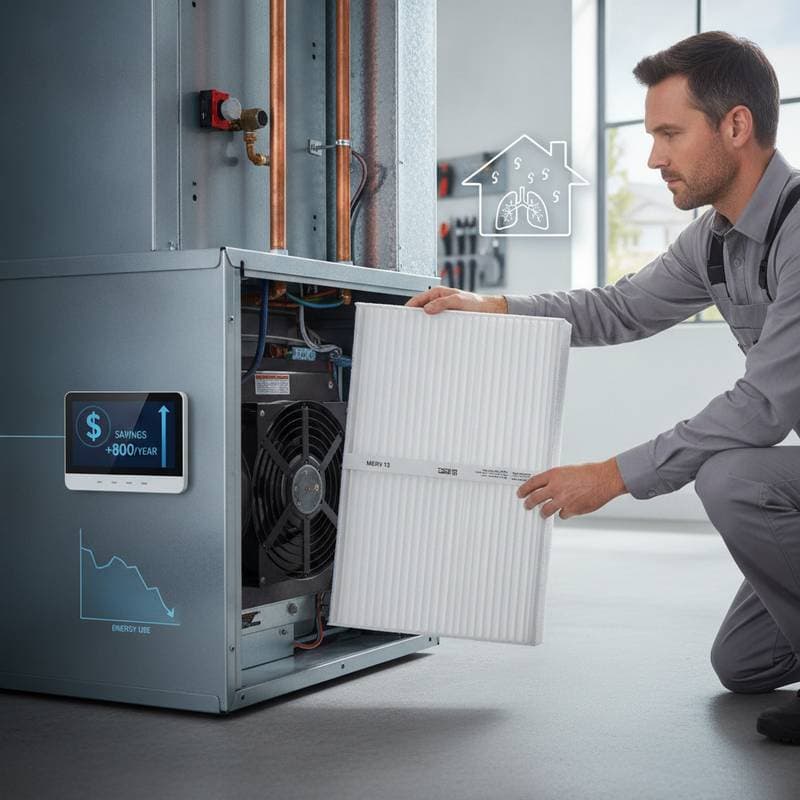
Regular maintenance keeps HVAC systems running smoothly, but quarterly coil cleaning stands out as a critical practice for optimal performance. Coils, which facilitate heat exchange in both heating and cooling modes, accumulate dust, pollen, debris, and microbial growth over time. This buildup restricts airflow, forces the system to work harder, and leads to higher energy consumption and potential breakdowns.
Homeowners and property managers who adopt quarterly cleaning schedules report noticeable improvements in system efficiency and longevity. For instance, a standard residential unit in a moderate climate might see energy savings of up to 15 percent after consistent cleanings. This article explores the reasons behind this recommendation, outlines key benefits, and provides practical guidance on implementation.
Key Benefits of Quarterly Coil Cleaning
Quarterly cleaning addresses multiple aspects of HVAC operation, ensuring reliability and cost-effectiveness. Below are the primary advantages, supported by how they impact daily use.
-
Enhanced Energy Efficiency
Dirt and grime on coils can impair heat transfer, causing the system to cycle longer to achieve set temperatures. Cleaning restores full efficiency, potentially reducing electricity or gas usage by 10 to 20 percent. In a 2,000-square-foot home, this translates to annual savings of $100 to $300 on utility bills, depending on local rates and system size. -
Extended Equipment Lifespan
Clean coils reduce strain on major components like compressors and fans, which otherwise overheat or wear prematurely under load. Systems maintained quarterly often last 15 to 20 years, compared to 10 to 12 years for neglected units. This extension delays the need for full replacements, which can cost $5,000 or more. -
Superior Indoor Air Quality
Accumulated debris on coils harbors allergens, mold spores, and bacteria that circulate through vents. Regular cleaning minimizes these contaminants, leading to fewer respiratory issues and fresher air. For families with allergies or pets, this benefit alone justifies the routine. -
Reduced Risk of Costly Repairs
Neglect often results in issues like refrigerant leaks, frozen coils, or motor failures, with repair bills ranging from $500 to $2,000. Quarterly inspections during cleaning catch early signs, such as corrosion or uneven wear, allowing for minor fixes before escalation. -
Stable Temperature Control
With unobstructed coils, the system distributes air evenly, eliminating hot or cold zones. This consistency enhances comfort, especially in larger homes or multi-story buildings, and reduces the temptation to adjust thermostats frequently.
Understanding Coil Cleaning Costs
Investing in professional coil cleaning yields returns through efficiency gains and avoided repairs. Costs depend on factors like unit location, coil condition, and regional labor rates. The table below provides a general overview for residential services.
| Service Type | Average Cost Range | Key Details |
|---|---|---|
| Evaporator Coil Cleaning | $100 – $250 | Focuses on indoor unit; involves accessing the air handler and handling delicate fins. |
| Condenser Coil Cleaning | $75 – $200 | Targets outdoor unit; accounts for weather exposure and vegetation buildup. |
| Comprehensive Coil Package | $150 – $400 | Covers both evaporator and condenser, plus basic system diagnostics. |
| Annual Maintenance Contract | $250 – $600 | Includes four quarterly visits with tune-ups, priority service, and discounts on parts. |
Opting for a maintenance plan spreads costs over the year and often includes additional perks like filter replacements. Over time, these services offset expenses by preventing $1,000-plus emergencies.
The Professional Coil Cleaning Process
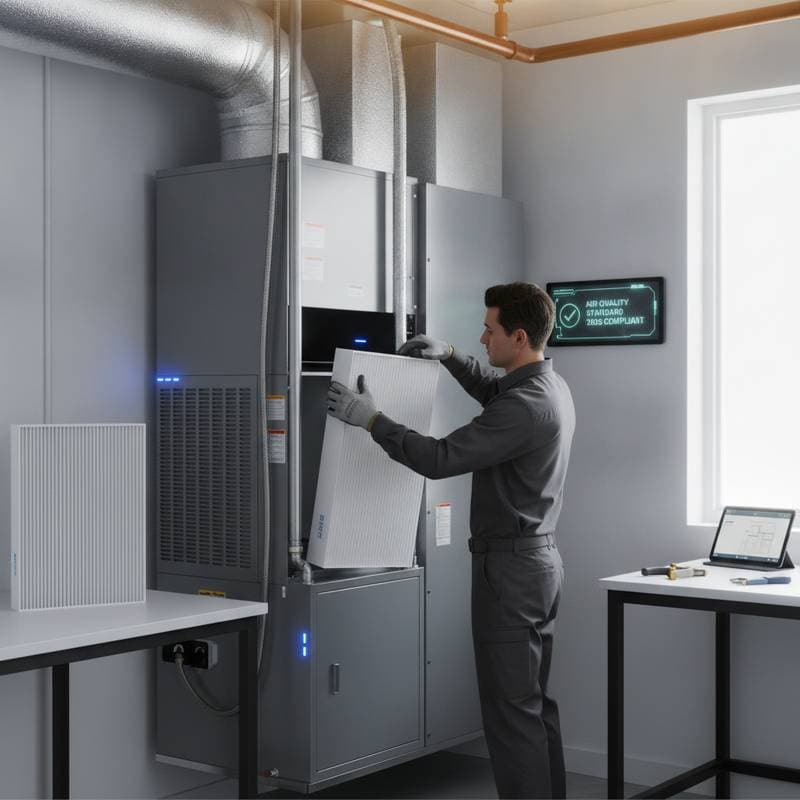
Technicians follow a structured approach to clean coils thoroughly while protecting system integrity. Each step contributes to immediate and long-term performance.
-
Initial Assessment
The professional inspects coils for visible damage, measures airflow, and notes any unusual noises or vibrations. This baseline helps track improvements post-cleaning. -
Debris Clearance
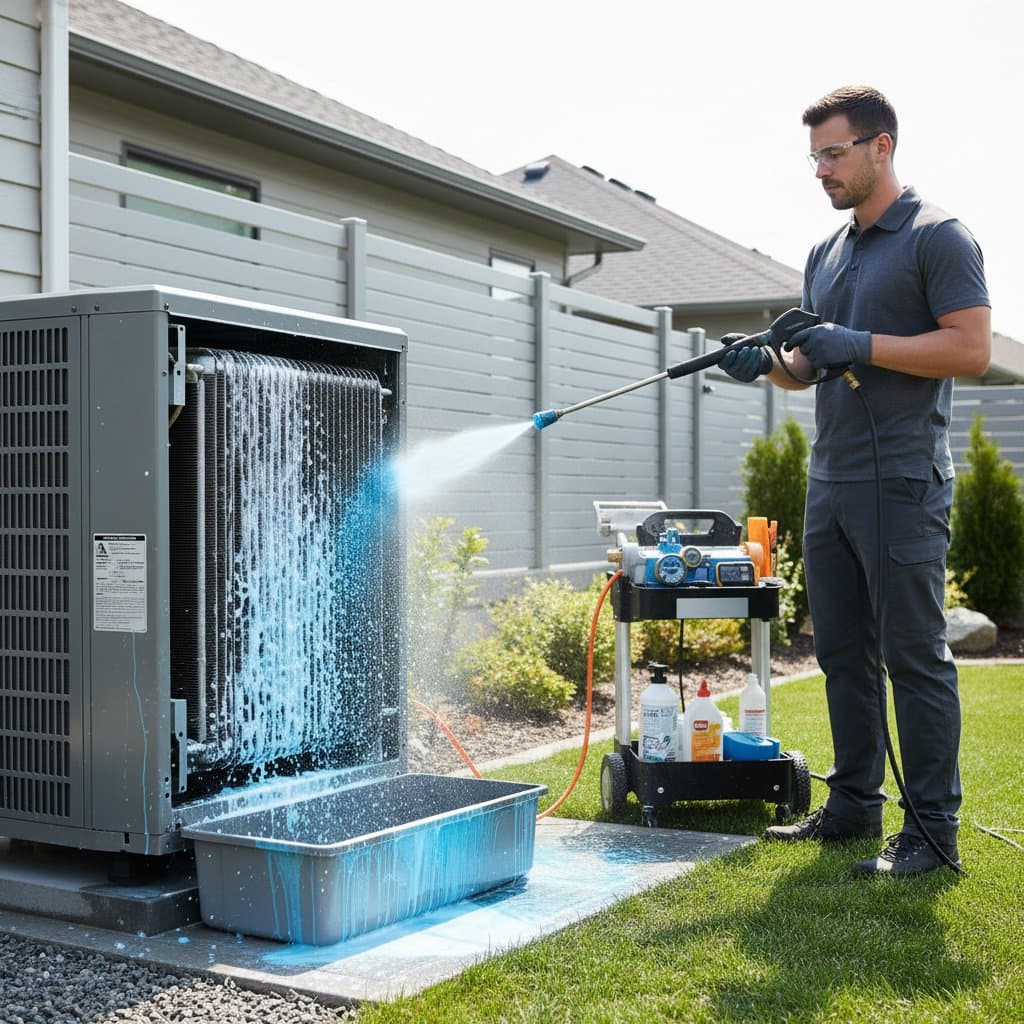
Using vacuum tools or low-pressure air, they remove loose particles like leaves, lint, or pet hair without dislodging fins. -
Cleaner Application
A specialized, eco-friendly solution breaks down stubborn grease and oxidation. For evaporator coils, antimicrobial agents target mold growth. -
Thorough Rinsing
Water or a neutralizing rinse flushes residues, followed by drying to prevent corrosion. Indoor coils receive careful handling to avoid moisture in ducts. -
Performance Verification
The system runs through a test cycle to confirm balanced pressures, proper refrigerant flow, and restored efficiency metrics.
This methodical process typically takes 1 to 2 hours per unit and uncovers issues like low refrigerant that might otherwise go unnoticed.
Common Questions About HVAC Coil Cleaning
How Frequently Should Coils Receive Cleaning?
Quarterly intervals suit most homes, aligning with seasonal changes that intensify coil stress. In high-pollen or dusty areas, monthly checks for outdoor units may supplement this schedule.
Is DIY Coil Cleaning Advisable?
Basic outdoor rinsing with a hose works for light debris, but professionals recommend against it for evaporator coils or heavy buildup. Amateur efforts risk fin damage or chemical mishandling, voiding warranties.
What Are the Consequences of Skipping Cleaning?
Uncleaned coils lead to restricted airflow, causing the system to overwork and spike energy use by 30 percent or more. Long-term neglect fosters mold proliferation and component failures, compromising health and comfort.
How Do Clean Coils Impact Finances?
Efficiency gains shorten run times, cutting operational costs significantly. A well-maintained system might save enough in one year to cover multiple cleanings, with added value from fewer service calls.
Selecting a Reliable HVAC Professional
Partnering with certified experts ensures safe, effective maintenance. Look for contractors with NATE certification and strong local reviews. During consultations, pose targeted questions to gauge their approach.
- Confirm licensing, insurance, and experience with your system model.
- Inquire about maintenance plans and their inclusions.
- Ask for details on cleaning products and techniques used.
- Request information on comprehensive inspections during visits.
- Estimate service duration and any preparation needed from you.
- Verify if they document work with photos or reports.
- Ensure compatibility of methods with your equipment.
- Clarify full pricing, including any add-ons.
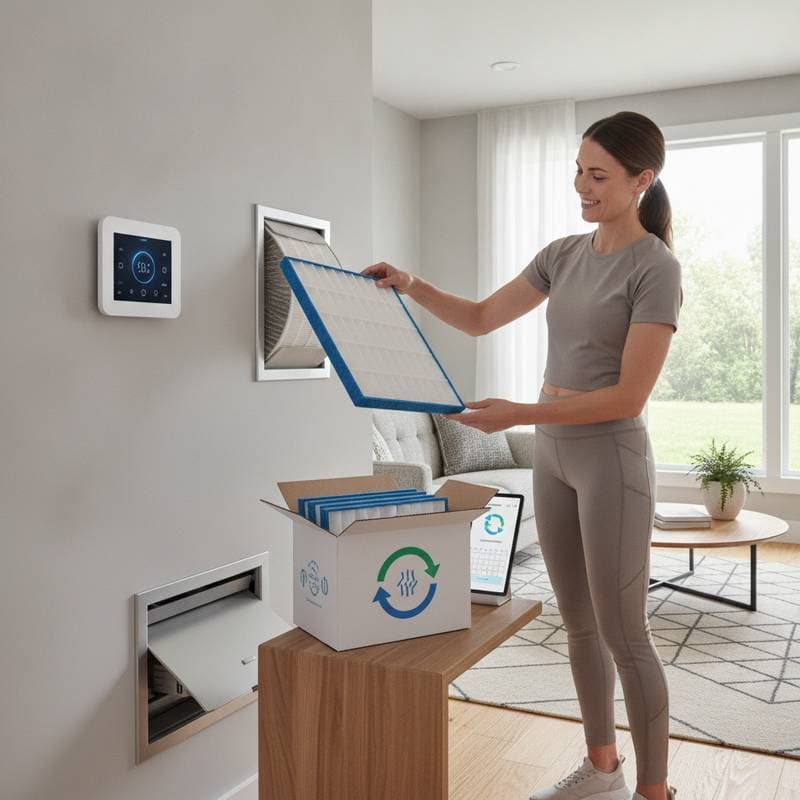
- Seek tips for interim upkeep, like filter changes.
- Review warranty options for labor and parts.
Building a relationship with a trusted provider streamlines ongoing care.
Safeguarding Your HVAC System Long-Term
Quarterly coil cleaning forms the foundation of proactive HVAC management, delivering sustained efficiency, comfort, and savings. Integrate it into your home routine alongside filter replacements and thermostat adjustments. By prioritizing this maintenance, you protect your investment and enjoy reliable performance year-round.