
Why 81% of Homeowners Are Switching to DIY Air Filter Subscriptions
Homeowners increasingly seek reliable methods to maintain their heating, ventilation, and air conditioning systems. Recent surveys indicate that 81% now select subscription services for air filters over purchasing them from retail outlets. These programs deliver filters directly to the door at regular intervals, eliminating forgetfulness and ensuring optimal performance.
This shift stems from the practical advantages these services provide. They address common challenges such as inconsistent maintenance and rising utility costs. The following sections detail the primary reasons for this trend, along with guidance on selecting and implementing a subscription plan.
Consistent Indoor Air Quality
Air filters serve as the first line of defense against contaminants entering the home. They capture particles like dust, pet dander, and pollen, preventing them from circulating through living spaces. Without regular changes, filters become saturated, allowing pollutants to build up and compromise air purity.
Subscription services schedule deliveries to align with recommended replacement cycles, typically every one to three months depending on usage. This approach maintains filtration efficiency at peak levels. Homeowners report noticeable improvements in breathing comfort and reduced dusting frequency after adopting such routines.
Reduced Energy Consumption
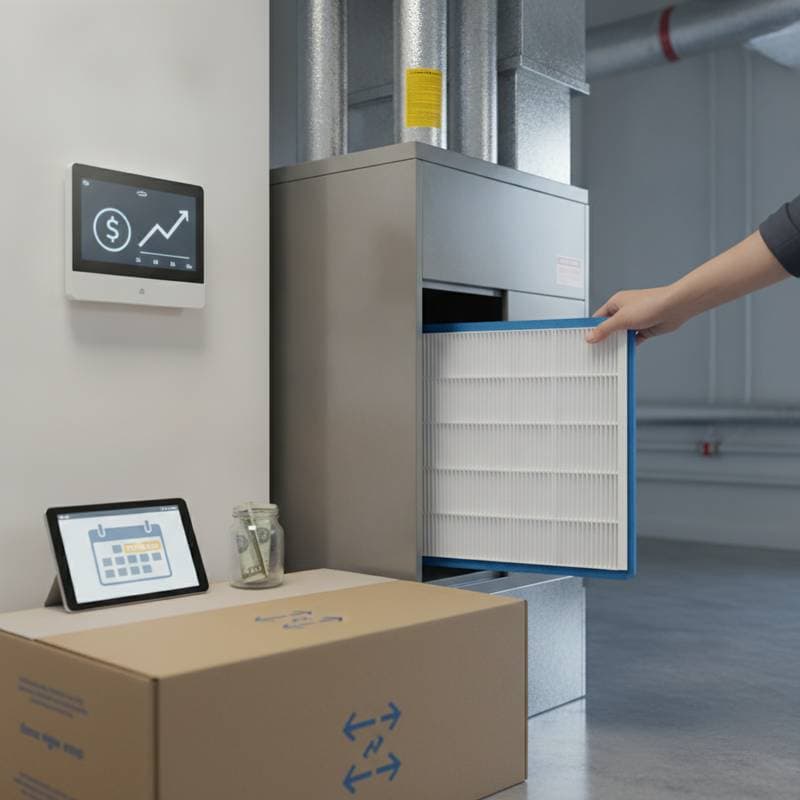
Clogged filters impede airflow through the HVAC system, compelling the blower motor to operate at higher speeds. This extra effort translates to elevated electricity usage and higher monthly bills. Professionals estimate that clean filters can decrease energy demands by 5% to 15%, varying by system type and filter condition.
By automating replacements, subscriptions prevent these inefficiencies from occurring. Consider a typical central air unit: a dirty filter might add $50 to $100 annually to power costs. Regular maintenance through deliveries keeps operations smooth and economical.
Extended HVAC System Durability
Accumulated debris from neglected filters can infiltrate deeper into the system, coating coils and motors with residue. Over time, this leads to overheating, reduced cooling or heating capacity, and eventual component failure. Systems maintained with clean filters often endure 10 to 15 years or more, compared to shorter lifespans in poorly serviced units.
Consistent filter changes act as preventive care, minimizing wear on critical parts. Homeowners who subscribe avoid costly repairs, such as blower motor replacements that can exceed $500. This strategy preserves the investment in the HVAC infrastructure.
Effortless Home Delivery and Management
Traditional filter acquisition involves trips to hardware stores, measuring sizes accurately, and storing extras that may expire. Subscription platforms simplify this by allowing users to input system details once, then receive compatible filters precisely when needed. Many services offer app-based controls for adjusting schedules or pausing deliveries during vacations.
This convenience extends to customization options, such as selecting delivery dates or bundling for multi-unit homes. Users appreciate the elimination of last-minute scrambles, especially during peak allergy seasons when air quality matters most.
Predictable Budgeting for Filter Expenses
Bulk purchases at stores often result in overbuying or understocking, leading to irregular spending patterns. Subscriptions distribute costs evenly, often at a monthly rate under $10 per filter for standard sizes. This predictability aids in financial planning, avoiding surprise outlays during tax season or holidays.
Additional perks, like volume discounts for annual commitments, further enhance value. Homeowners find that the steady pricing offsets any perceived premium over one-time buys, particularly when factoring in time saved.
Factors That Determine Subscription Costs
Understanding pricing elements helps in choosing an affordable plan. Costs vary based on several variables, each influencing the overall value provided.
Filter Quality and MERV Ratings
The Minimum Efficiency Reporting Value scale measures a filter's ability to trap particles. Standard filters with MERV 8 suit homes with light dust loads, while MERV 13 options excel in capturing fine allergens for allergy sufferers. Higher-rated filters command prices 20% to 50% above basics but deliver superior protection.
Select based on household needs: families with children or pets benefit from elevated ratings to safeguard respiratory health. Always verify compatibility to avoid restricting airflow in older systems.
Replacement Frequency and Schedule
Filters in high-use environments, such as those near construction sites or with multiple occupants, require monthly changes. Less demanding setups might suffice with quarterly deliveries. Frequent intervals raise annual costs but prevent energy spikes and health risks from prolonged exposure to contaminants.
Most services allow flexible plans, starting at $20 to $40 per delivery. Calculate needs by monitoring current filter condition; a simple airflow test can guide optimal timing.
System Specifications and Size
Furnace or air handler dimensions dictate filter requirements, from 16x25 inches for compact units to larger formats for whole-home setups. Multi-filter systems, common in bigger residences, multiply expenses accordingly. Accurate measurements ensure seamless fit and avoid returns.
Subscriptions often include size guides or compatibility checkers. For oversized units, consolidated shipments reduce per-delivery fees.
Service Features and Brand Options
Basic plans focus on delivery, while enhanced ones add air quality monitoring via smart sensors or carbon footprint reports. Eco-conscious brands use biodegradable materials, appealing to environmentally aware users. These extras might increase costs by $5 to $15 monthly but justify through added insights.
Compare providers by reading user experiences; reliability in shipping and customer support weighs heavily in selections.
Health and Environmental Advantages
Beyond mechanics, these subscriptions foster well-being and sustainability. Filters with advanced ratings remove up to 90% of airborne irritants, easing symptoms for those with asthma or sensitivities. In pet-owning households, regular changes cut down on dander accumulation, promoting clearer sinuses and fewer vet visits for allergy-related issues.
Environmentally, many programs emphasize recyclable components and optimized shipping to lower emissions. This reduces household waste compared to discarded store packs. Clean systems also operate more efficiently, indirectly cutting the carbon footprint from energy use.
Steps to Launch Your DIY Filter Subscription
Transitioning to automated maintenance requires thoughtful preparation. Begin by assessing your current setup and priorities.
Essential Questions for Providers
- Which MERV ratings are available, and what suits my home's air quality demands?
- How can I modify delivery intervals based on seasonal changes or occupancy?
- Do the filters match standard dimensions for my specific HVAC model?
- What sustainable materials are used in packaging and filters?
- What processes exist for pausing or ending the subscription?
- Are delivery charges built into the subscription fee?
- Do notifications or apps track incoming shipments?
- What policies cover damaged or delayed orders?
- Is it possible to combine plans for several HVAC units?
- Are resources provided for proper installation?
Gather answers through consultations or online tools. Test a single delivery to confirm fit before committing long-term.
Sustaining HVAC Performance Through Subscriptions
Adopting a DIY filter subscription transforms routine upkeep into a seamless habit. It safeguards system integrity, enhances daily comfort, and trims operational expenses over time. Homeowners who implement this practice enjoy reliable air circulation and peace of mind.
Evaluate your needs annually to refine the plan. This ongoing commitment yields compounding returns in health, efficiency, and cost control.