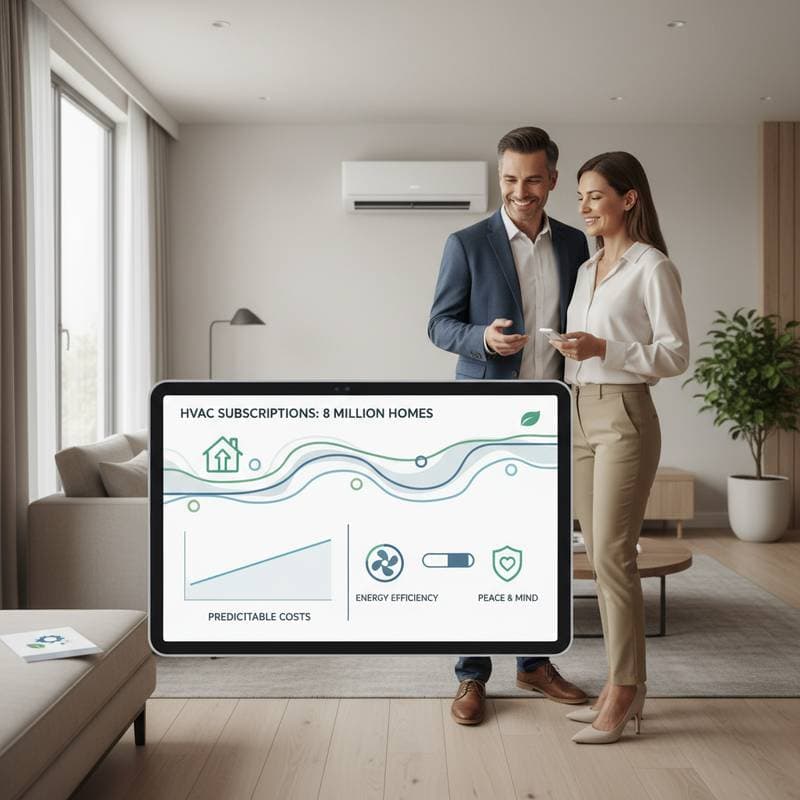
Why 8 Million Homes Switched to HVAC Subscriptions
Homeowners nationwide are reevaluating their approach to heating and cooling system care. A growing number have adopted HVAC subscription services, which deliver consistent maintenance and eliminate the uncertainty of emergency repairs. These plans transform reactive fixes into proactive strategies, ensuring reliable performance and long-term savings. Explore the key factors driving this trend among millions of households.
Understanding HVAC Subscription Services
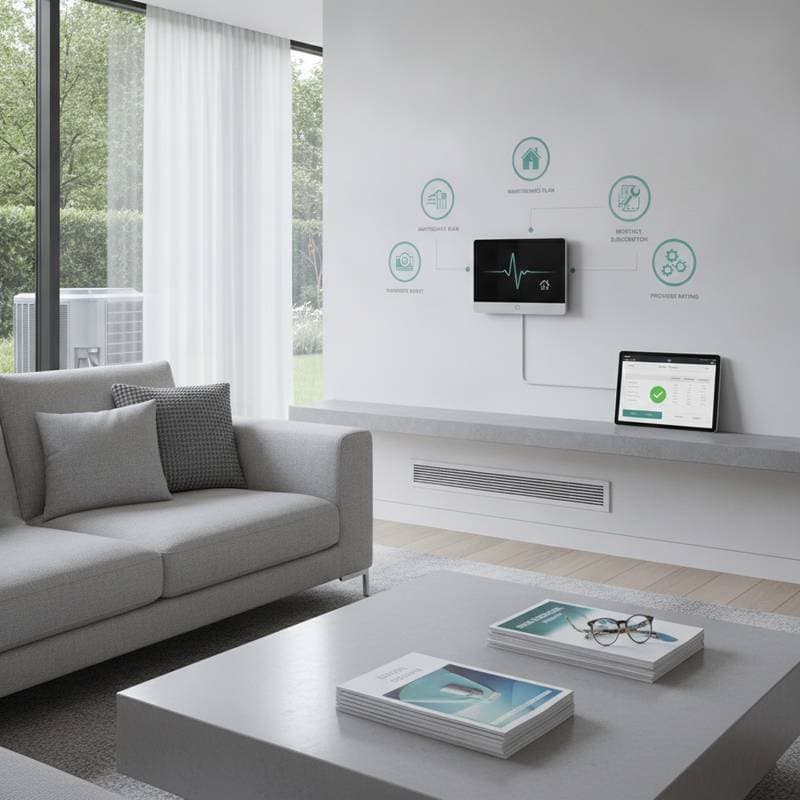
An HVAC subscription service represents a structured maintenance agreement provided by certified heating and cooling specialists. Participants commit to a fixed monthly or annual payment that encompasses routine inspections, comprehensive tune-ups, thorough cleaning, and expedited repair access. Such arrangements mitigate the risk of expensive failures while prolonging the operational lifespan of heating, ventilation, and air conditioning equipment.
Consider this service as a comprehensive safeguard for your home's climate control infrastructure. It facilitates periodic evaluations to detect potential issues early, alongside expert interventions that optimize system performance across seasons. For instance, subscribers benefit from bi-annual assessments that address seasonal demands, such as preparing units for summer humidity or winter cold snaps.
Key Reasons for the Transition to Subscriptions
Predictable Budgeting
Sudden HVAC failures often lead to substantial unforeseen expenses, disrupting household finances. Subscription models distribute these costs evenly through steady payments, shielding users from the volatility of one-time repair bills. This financial predictability allows homeowners to allocate resources more effectively without the dread of urgent service demands.
Enhanced Energy Performance
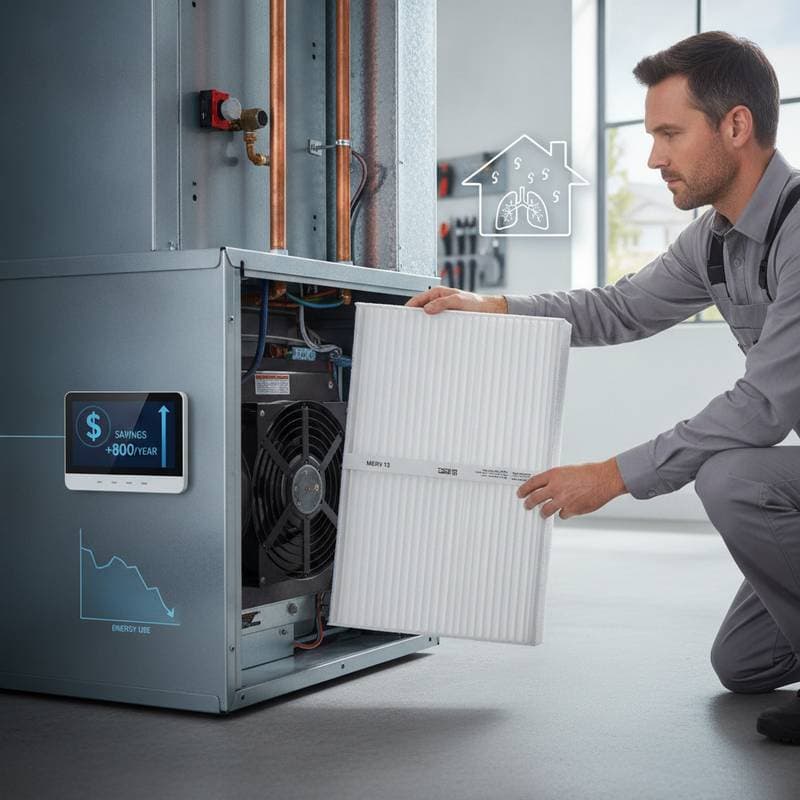
Consistent upkeep ensures that systems operate at peak efficiency by removing accumulated dirt, adjusting airflow, and verifying component alignment. A meticulously maintained unit consumes less electricity or gas, translating to reduced monthly utility statements and minimized strain on core parts like compressors and fans. Over time, these efficiencies can yield savings that surpass the subscription fee itself.
Expedited Service Access
During extreme weather events, demand for HVAC professionals surges, resulting in extended delays for non-subscribers. Priority status grants faster response times, often within hours rather than days, ensuring swift restoration of comfortable indoor conditions. This advantage proves invaluable when systems falter during heatwaves or freezes.
Prolonged System Durability
Proactive interventions catch minor malfunctions before they escalate into comprehensive overhauls. Technicians lubricate moving elements, replace worn seals, and balance operational loads, all of which contribute to smoother functionality and an extended service life of 10 to 15 years or more for quality units.
Assurance of Reliability
The paramount appeal lies in the security provided by ongoing professional oversight. Homeowners gain confidence knowing that trained experts routinely monitor and refine their systems, upholding safety standards and efficiency benchmarks. This reliability fosters a sense of control over home environment management.
Core Components of Preventive Maintenance Plans
Providers customize plans, yet standard offerings typically feature a robust suite of services designed to sustain optimal function:
- Biannual comprehensive tune-ups aligned with seasonal changes
- Replacement or thorough cleaning of air filters to maintain airflow
- Precise calibration of thermostats for accurate temperature regulation
- Verification and adjustment of refrigerant levels to prevent inefficiencies
- Examination of electrical wiring and connections for safety
- Detailed cleaning of evaporator and condenser coils, plus condensate drainage systems
- Reduced rates on replacement parts or additional labor for any necessary repairs
These elements collectively fortify the system against common vulnerabilities, promoting uninterrupted comfort and air quality for occupants year-round.
Balancing DIY Efforts with Professional Expertise
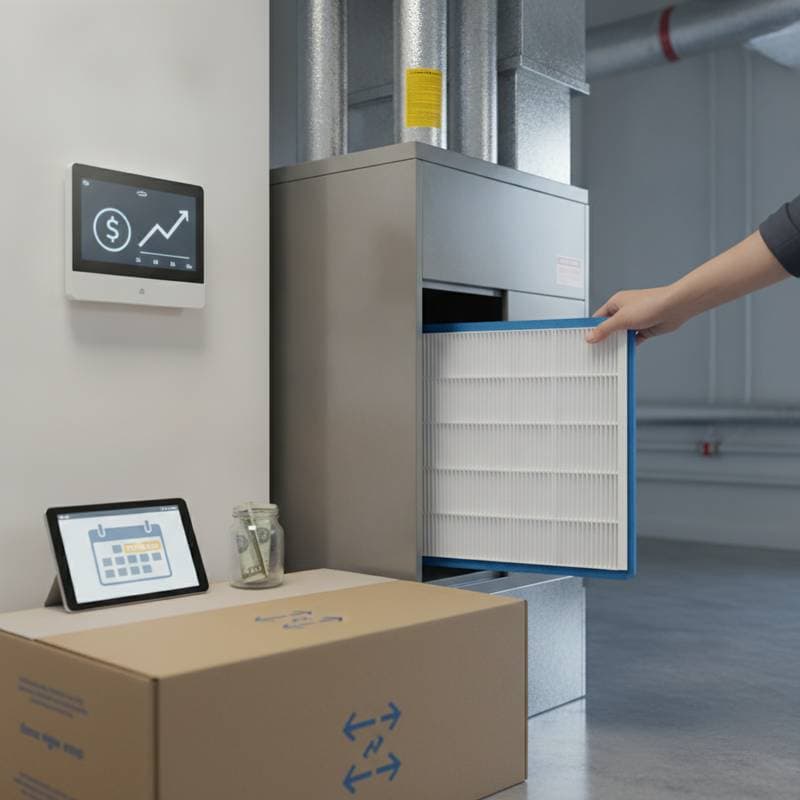
Homeowners can manage basic tasks, such as swapping out air filters every one to three months or removing leaves from exterior condenser units to avoid blockages. These actions support overall hygiene and prevent minor clogs. However, advanced procedures—like recharging refrigerants under pressure or diagnosing electrical faults—demand the precision and safety protocols of licensed technicians.
HVAC components involve hazardous elements, including high-voltage circuits and potent chemical refrigerants, which necessitate specialized equipment and certifications. Attempting such work without qualifications risks personal injury, system damage, or voided warranties. Relying on professionals ensures compliance with building codes and manufacturer guidelines.
Common Inquiries About HVAC Subscriptions
What Is the Typical Cost of an HVAC Subscription?
Fees fluctuate based on the service provider, the complexity of the home's HVAC setup, and the scope of inclusions. Annual plans generally fall between 200 and 900 dollars, with monthly options prorated accordingly. Prospective subscribers should request a detailed breakdown of covered services to evaluate value.
Do These Subscriptions Deliver Sufficient Return on Investment?
For the majority of households, the benefits outweigh the expense. Routine care averts repair costs that can exceed 1,000 dollars per incident and delays premature replacements, which often surpass 5,000 dollars for full system installs.
Is Cancellation Straightforward?
Providers commonly permit termination, subject to a notice period of 30 to 60 days or a modest administrative charge. Examine the agreement's fine print to understand obligations and avoid surprises.
Can Subscriptions Enhance Indoor Air Quality?
Absolutely. By routinely addressing filters, coils, and drainage paths, these plans diminish the circulation of particulates, mold spores, and pollutants. This results in cleaner air that supports respiratory health and overall well-being.
Steps to Secure Your HVAC Investment
Selecting an HVAC subscription initiates a pathway to sustained home comfort and fiscal prudence. Begin by consulting reputable local providers to compare offerings and secure a plan tailored to your residence's needs. This commitment minimizes disruptions, optimizes performance, and safeguards your investment for years ahead.