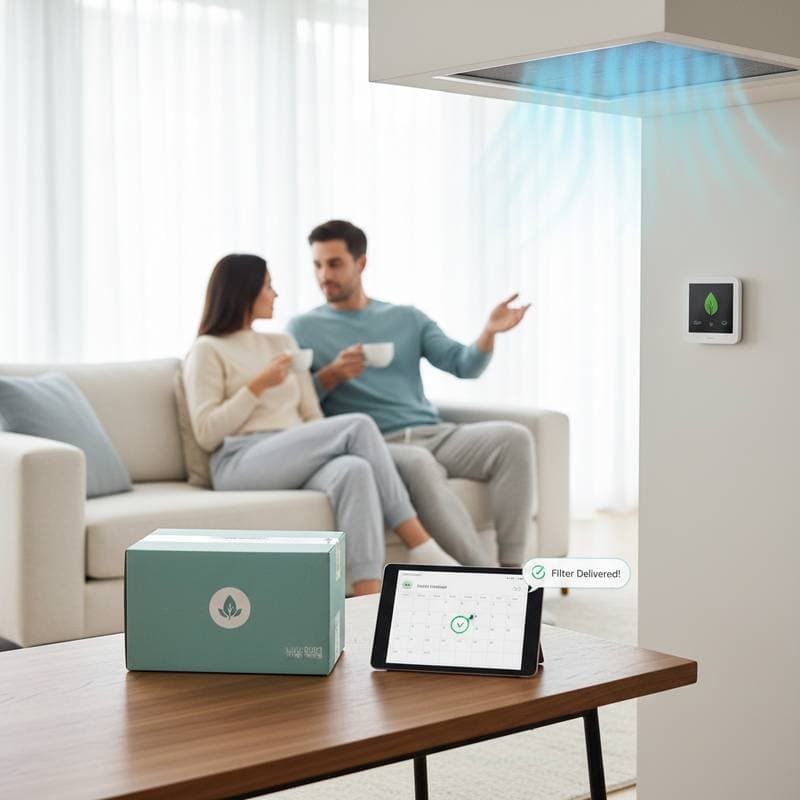
Why 8 Million Homes Now Subscribe to Air Filters
Over eight million homeowners rely on filter subscription services for seamless HVAC maintenance. These services deliver replacement filters on a regular schedule, ensuring clean indoor air, reduced energy consumption, and protection against costly system repairs. This approach suits various budgets and HVAC configurations, simplifying the path to healthier and more efficient home environments without the need for manual tracking.
The Appeal of Filter Subscriptions
Homeowners increasingly choose filter subscriptions for their ability to streamline HVAC care. These services eliminate the common oversight of delayed filter replacements, which can compromise air quality and system performance. By automating deliveries, subscriptions maintain optimal filtration at all times, fostering cleaner air and operational reliability.
The growth of these services stems from their practical advantages. Filters arrive precisely when required, matched to specific system needs. This reliability appeals to busy households seeking effortless solutions.
| Reason | Key Benefit |
|---|---|
| Convenience | Scheduled deliveries eliminate manual purchasing |
| Health | Reduced allergens and improved indoor air quality |
| Efficiency | Decreased energy usage and extended equipment lifespan |
| Cost Savings | Avoidance of expensive repairs |
| Customization | Filters tailored to precise system specifications |
Pricing Overview for Filter Subscriptions
Subscription costs generally range from $10 to $25 monthly, influenced by filter dimensions, material quality, and shipment intervals. Basic options remain affordable, while advanced models with enhanced filtration capabilities command higher fees.
| Subscription Type | Average Cost per Delivery | Delivery Frequency |
|---|---|---|
| Basic Fiberglass Filters | $10 - $15 | Every 3 months |
| Mid-Range Pleated Filters | $15 - $20 | Every 2-3 months |
| Premium HEPA or Carbon Filters | $20 - $30 | Every 1-2 months |
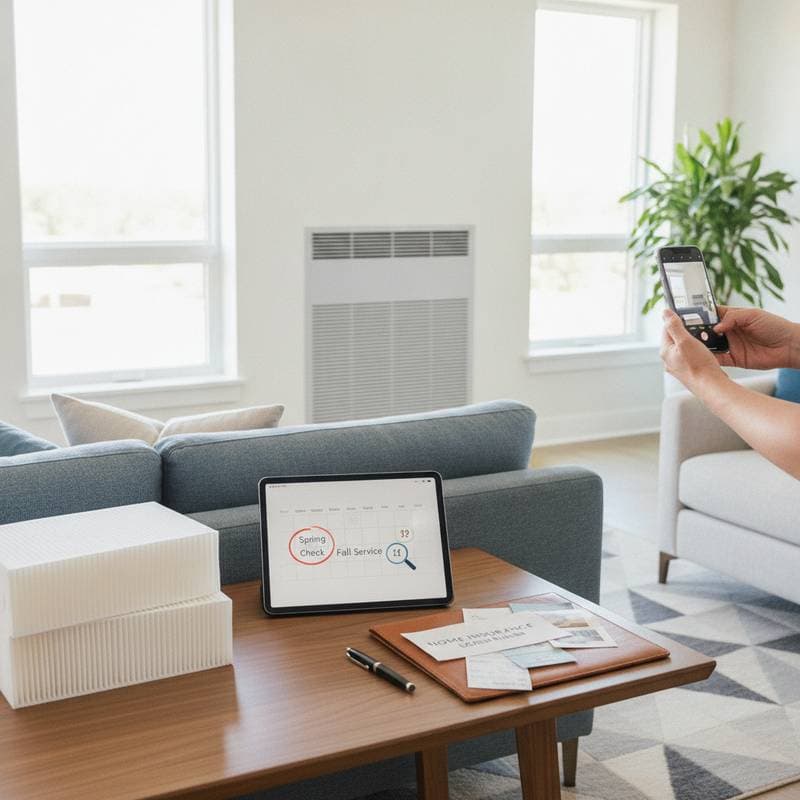
Most residential systems benefit from replacements every two to three months. Automated scheduling through subscriptions guarantees adherence to this timeline, preventing performance declines.
Elements Influencing Subscription Costs
Multiple variables determine the expense of a filter subscription. Awareness of these factors enables informed selection of an appropriate plan.
Filter Material and Efficiency
Filter composition and performance ratings primarily drive pricing. Fiberglass varieties capture larger debris at minimal cost. Pleated synthetic options trap finer contaminants like pollen and dander. HEPA and carbon variants address ultrafine particles and odors, offering superior protection at a premium price.
System Capacity and Filter Size
Greater system demands necessitate larger filters, elevating costs. A common 16x20x1-inch filter proves more economical than a specialized 20x25x4-inch unit. Providers accommodate this by allowing input of exact measurements for precise matching.
Shipment Intervals
Delivery cadence impacts overall expenditure. Frequent monthly shipments suit environments with high allergen loads, such as those with pets. Quarterly options serve standard homes with moderate air quality requirements.
Provider Offerings and Add-Ons
Certain providers include value-added features like air quality monitoring alerts, recycling initiatives, or bundled maintenance discounts. These enhancements may raise costs but deliver added utility.
Available Filter Varieties in Subscriptions
Subscriptions encompass diverse filter types, each suited to particular home conditions or environmental factors.
Fiberglass Filters
Advantages:
- Most economical choice
- Simple installation process
- Adequate defense against coarse dust
Disadvantages:
- Brief operational duration
- Minimal effectiveness on allergens
Pleated Filters
Advantages:
- Effective capture of fine particulates
- Extended service life and broad accessibility
- Optimal balance of affordability and efficacy
Disadvantages:
- Elevated price relative to basics
- Potential airflow restriction without timely replacement
HEPA Filters
Advantages:
- Elimination of submicron particles, including smoke and microbes
- Ideal for individuals with allergies or asthma
Disadvantages:
- Substantial cost
- Possible need for system adaptations to ensure compatibility
Activated Carbon Filters
Advantages:
- Superior neutralization of odors and volatile organic compounds
- Beneficial in pet-owning or smoking households
Disadvantages:
- Higher expense
- Requirement for more frequent exchanges to sustain performance
Motivations Behind the Shift to Subscriptions
The adoption by millions arises from addressing core HVAC challenges: overlooked replacements and mismatched filters. Fresh filters sustain robust airflow, ease motor strain, and curb energy expenses. In contrast, neglected filters force systems into overwork, escalating utility costs and dispersing contaminants.
Beyond efficiency, subscriptions enhance well-being. Regular filtration curbs allergens, dander, and spores, yielding tangible improvements in household comfort, particularly for sensitive occupants.
Steps to Initiate a Filter Subscription
Enrollment follows a user-friendly sequence optimized for simplicity.
-
Identify Filter Specifications
Provide your HVAC model's details or current filter measurements. Guidance tools assist in selecting the ideal match. -
Determine Delivery Cadence
Select intervals of one, two, or three months based on your needs. -
Activate Recurring Shipments
Upon setup, deliveries proceed automatically, accompanied by installation prompts. -
Perform Replacement
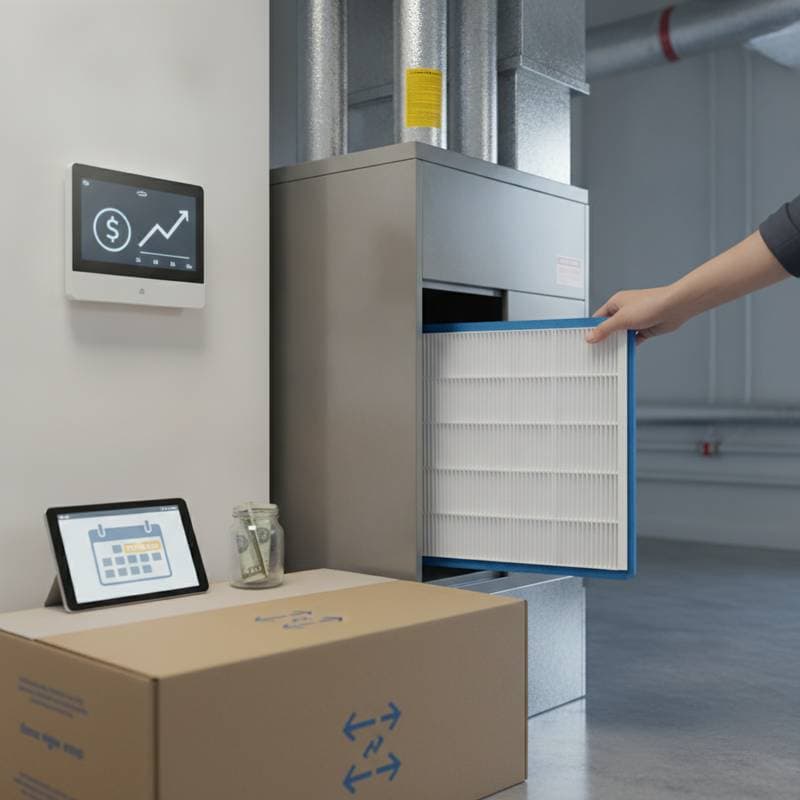
Exchange the filter in moments to restore peak system function. -
Update Preferences as Needed
Adjust sizes or schedules online if circumstances change, such as a system upgrade.
This streamlined method removes barriers to consistent upkeep.
Reductions in Maintenance Expenses
Though filter swaps require minimal effort, irregular maintenance incurs significant repercussions. Restricted airflow from clogged filters overheats components and risks coil icing, with repairs costing $150 to $600 or more.
Consistent filtration mitigates these risks, prolonging equipment durability. Additionally, it trims energy use by up to 15 percent, translating to substantial annual savings on bills.
Common Queries on Filter Subscriptions
How do I determine the required filter for my HVAC system?
Examine the dimensions on your existing filter's frame, typically noted along the border. Consult your equipment manual or seek professional advice. Most subscription platforms feature interactive sizing resources.
Are filter subscriptions a worthwhile investment?
Affirmative. The modest recurring fee yields returns through enhanced efficiency, breakdown prevention, and sustained air purity. It also alleviates the burden of tracking schedules.
How often should filters undergo replacement?
Frequency varies by filter type and household factors. Basic filters suit three-month intervals, while premium options benefit from one- to two-month cycles, especially in high-dust or allergen-prone settings.
Can I cancel or modify my subscription at any time?
Yes, the majority of services permit flexible adjustments or terminations via online accounts, often without penalties after initial commitments.
Do filter subscriptions include sustainable choices?
Many providers offer recyclable materials or biodegradable options, alongside programs for returning used filters to minimize environmental impact.
Does installing a new filter immediately enhance air quality?
Yes, benefits manifest promptly as fresh filtration begins capturing contaminants upon activation.
Are all filters suitable for every HVAC system?
Not universally; compatibility depends on system design. Subscriptions verify matches during signup to avoid issues.
Secure Cleaner Air and Efficiency Gains
Adopting a filter subscription represents an accessible strategy for safeguarding your HVAC investment and elevating home air standards. It curbs oversight, optimizes energy use, and promotes daily wellness. Assess your current routine and select a plan aligned with your requirements to experience reliable, automated filtration.