Spring Tune-Up: Avoid $800 HVAC Repair Costs
A professional spring HVAC tune-up safeguards against repair expenses that frequently exceed $800. This maintenance routine optimizes system performance, prolongs equipment durability, and eliminates the risk of failures during peak summer demand. The following sections outline the components of a tune-up, its importance, and practical strategies to maintain your home's cooling reliability.
| Item | Typical Cost or Savings |
|---|---|
| Average Tune-Up Cost | $75 - $200 |
| Potential Repair Savings | Up to $800 or more |
| Efficiency Improvement | 10% - 20% increase |
| Recommended Frequency | Once per year (spring preferred) |
The Importance of Spring HVAC Maintenance
HVAC systems endure constant operation throughout the year, accumulating dust, debris, and component wear that diminish efficiency and elevate energy consumption. Conducting a tune-up in spring prepares the system for intense cooling periods ahead. Technicians identify minor problems during this visit, allowing for corrections that prevent escalation into major, costly failures. This approach ensures consistent indoor comfort while controlling operational expenses.
Components of a Professional Spring HVAC Tune-Up
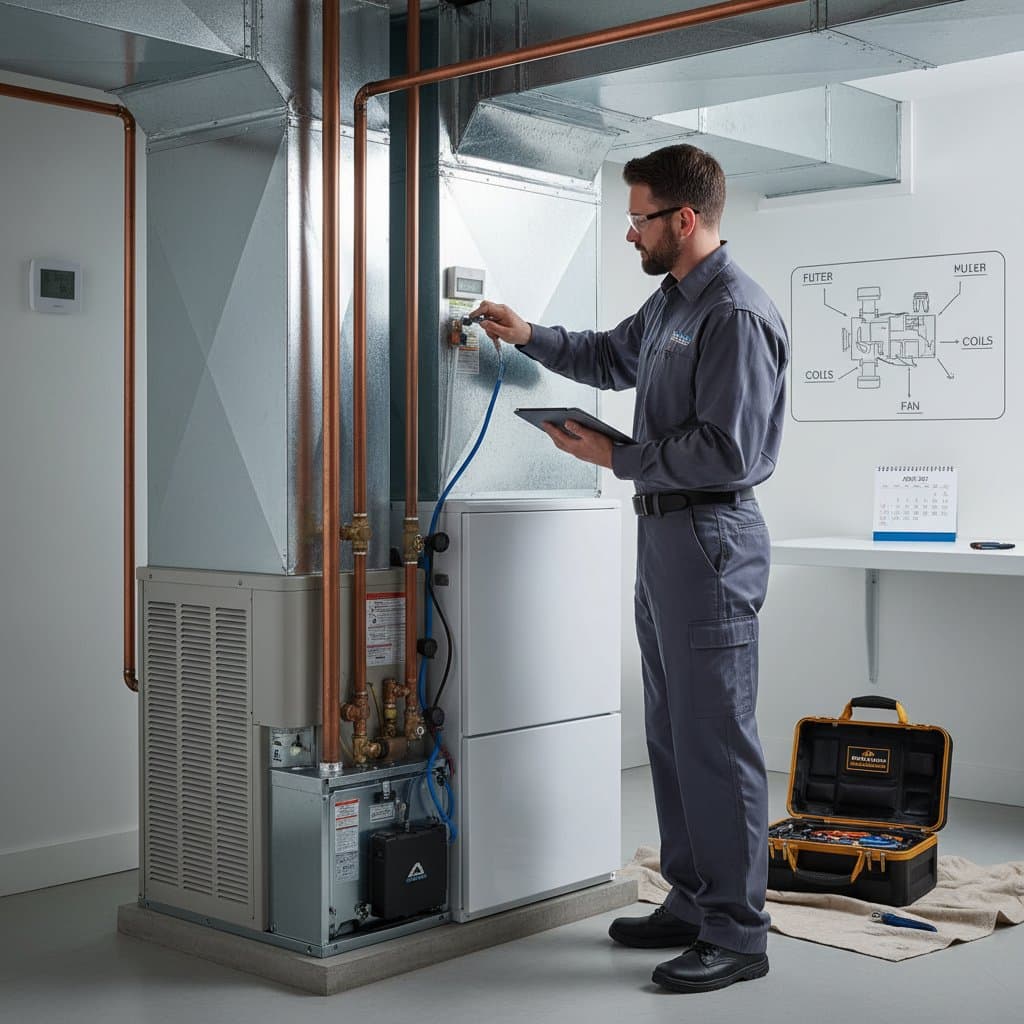
Spring tune-ups involve a comprehensive evaluation and servicing to ready the system for summer. Standard procedures encompass several key tasks that enhance reliability and performance.
- Comprehensive system inspection to detect loose electrical connections, refrigerant leaks, or signs of corrosion on components.
- Thorough cleaning of evaporator and condenser coils, blower fans, and condensate drain lines to remove buildup that impedes operation.
- Refrigerant level verification and adjustment to maintain optimal cooling capacity without overworking the compressor.
- Thermostat calibration to guarantee precise temperature regulation and energy-efficient cycling.
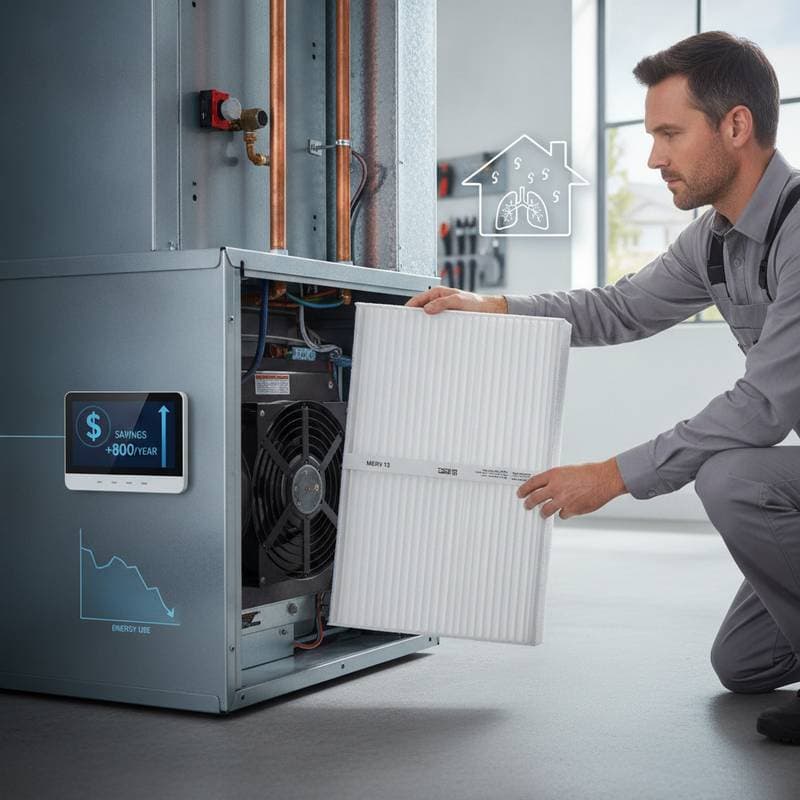
- Air filter assessment and replacement to promote unrestricted airflow and reduce strain on the blower motor.
- Lubrication of mechanical parts such as fan motors and bearings to minimize friction and extend service life.
- Electrical system testing to confirm secure wiring, proper voltage, and absence of potential hazards.
These measures collectively reduce operational stress, leading to fewer interruptions and lower long-term costs.
Repairs Averted Through Proactive Spring Maintenance
Neglecting maintenance permits minor faults to develop into severe malfunctions. A timely spring tune-up targets vulnerabilities that commonly result in expensive interventions.
- Compressor malfunctions stemming from insufficient refrigerant or soiled coils, which can halt cooling entirely.
- Blower motor failures due to airflow restrictions that cause overheating and premature burnout.
- Evaporator coil freezing from dirty filters or refrigerant imbalances, disrupting heat exchange.
- Electrical faults arising from degraded insulation or insecure connections, risking system shutdowns.
- Thermostat inaccuracies that cause improper cycling and inconsistent temperature distribution.
Addressing these risks early preserves system integrity and avoids the discomfort of inadequate cooling during heat waves.
Indicators That Your HVAC System Requires Service
Routine tune-ups provide ongoing protection, yet systems occasionally exhibit warning signals warranting immediate attention. Monitoring for these cues enables prompt intervention.
- Warm air discharge from supply vents instead of cooled output.
- Abnormal sounds like rattling, grinding, or hissing during operation.
- Reduced airflow volume or irregular cooling across different rooms.
- Sudden spikes in monthly energy statements without usage changes.
- Short cycling, where the unit activates and deactivates at frequent intervals.
Prompt scheduling of a diagnostic visit upon observing these symptoms minimizes repair scope and associated expenses.
Preparation Steps for an Effective Tune-Up
Homeowners can facilitate a efficient service appointment through basic pre-visit preparations. These actions streamline the technician's work and contribute to thorough results.
- Remove leaves, dirt, and vegetation from the vicinity of the outdoor condenser unit, ensuring a clearance of at least two feet.
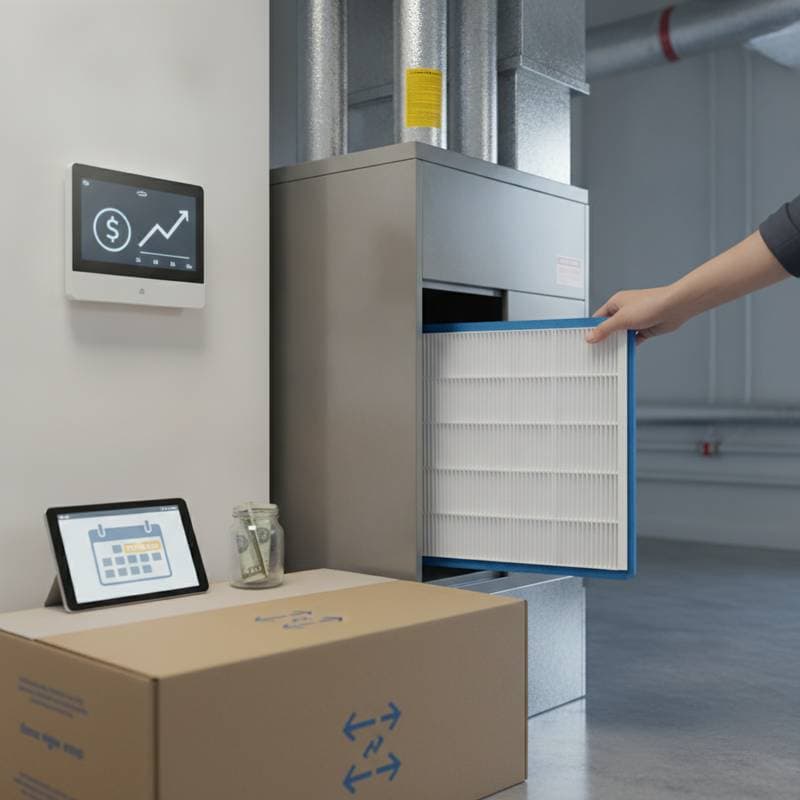
- Inspect and replace the indoor air filter if it appears soiled, as this supports immediate airflow improvements.
- Verify thermostat functionality by testing basic settings and noting any display errors.
- Compile a record of observed issues, including specific noises, temperature variances, or performance inconsistencies.
Such preparations allow technicians to concentrate on diagnostic and optimization efforts.
Secure Reliable Cooling with Spring Maintenance
Investing in a spring HVAC tune-up delivers substantial returns through reduced energy demands, averted emergencies, and prolonged equipment longevity. This proactive measure positions your system for seamless performance amid rising temperatures. Arrange your service appointment promptly to sustain comfort and financial stability throughout the season.