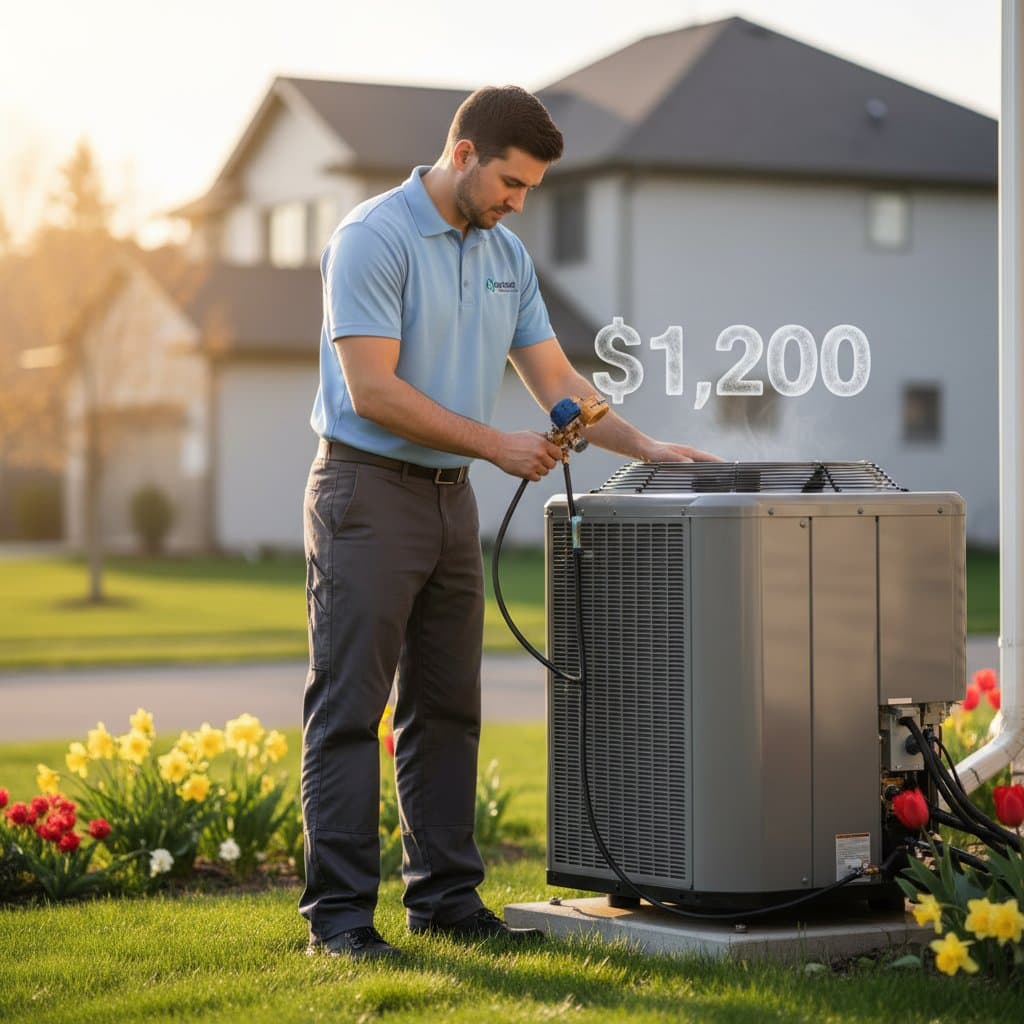
Save Up to $1,200: Spring HVAC Tune-Ups Prevent Costly Repairs
A professional spring HVAC tune-up safeguards your investment by preventing up to $1,200 in repair and energy costs each year. This service maintains optimal system efficiency and identifies minor problems before they escalate into major failures. By arranging maintenance prior to the cooling season, homeowners secure enhanced comfort, reduced utility expenses, and prolonged equipment durability. The following sections detail the tune-up process, financial advantages, and reasons to act in spring.
| Benefit | Average Savings or Value |
|---|---|
| Prevented Repairs | Up to $1,200 annually |
| Improved Efficiency | 10% to 20% reduction in energy use |
| Extended System Life | Additional 3 to 5 years |
| Average Tune-Up Cost | $100 to $200 per visit |
Financial Advantages of Spring HVAC Tune-Ups
Preventive maintenance represents a strategic approach to managing your home's heating, ventilation, and air conditioning system. Technicians optimize air conditioners and heat pumps for peak performance through comprehensive checks. Clean coils facilitate better heat exchange, balanced refrigerant supports consistent cooling, and inspected electrical elements minimize operational risks. These measures collectively lower energy consumption and decrease the probability of disruptions that incur substantial expenses, often exceeding $500 per incident.
Components of a Professional Spring HVAC Tune-Up
Certified technicians conduct a systematic evaluation and maintenance routine during a spring tune-up. This process targets key areas to ensure reliable function and efficiency. The standard procedure encompasses the following steps:
- Verify refrigerant pressure to confirm adequate cooling capacity and prevent overworking the compressor.
- Clean condenser and evaporator coils to eliminate buildup that restricts airflow and raises operating temperatures.
- Examine electrical connections for signs of corrosion or looseness that could lead to failures or hazards.
- Lubricate moving parts such as fan motors and blower assemblies to minimize energy loss from friction.
- Calibrate the thermostat to guarantee precise temperature regulation and avoid uneven cooling cycles.
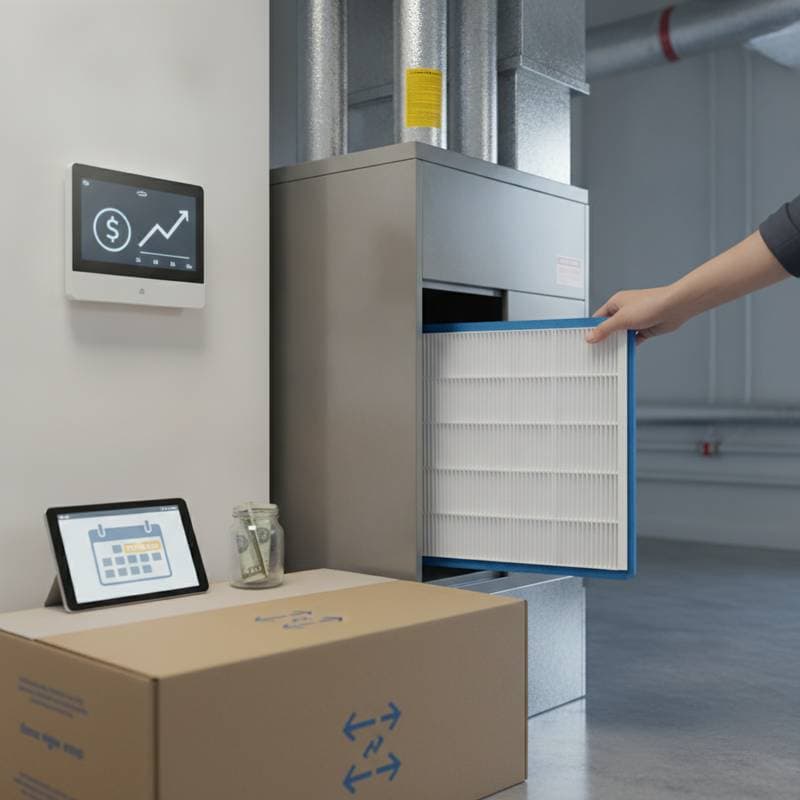
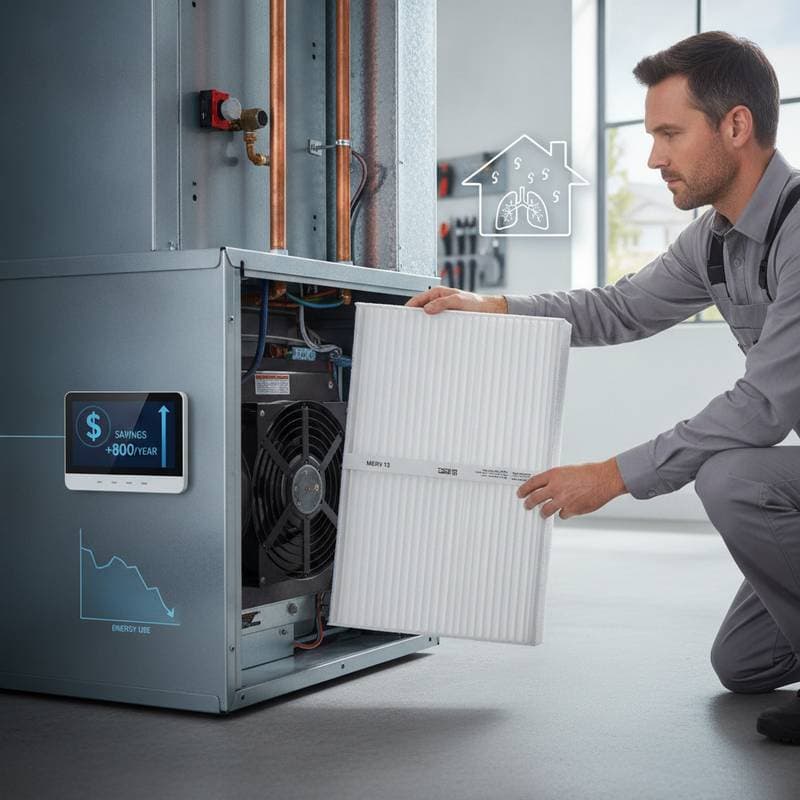
- Inspect and replace air filters as needed to maintain unrestricted air circulation and protect internal components.
- Evaluate overall system performance using diagnostic tools to detect inefficiencies or impending issues.
These actions collectively enhance reliability, extend operational life, and sustain comfortable indoor conditions throughout the year.
Primary Benefits of Consistent HVAC Maintenance
Reduced Repair Expenses
Undetected problems often evolve into extensive damage requiring significant intervention. Spring tune-ups reveal issues like deteriorating capacitors, frayed belts, or refrigerant leaks before they trigger complete system shutdowns. Addressing these proactively limits costs to routine service fees rather than emergency replacements.
Enhanced Energy Efficiency
A meticulously maintained system requires less power to achieve desired temperatures. Technicians remove obstructions and adjust components to streamline operations, resulting in 10% to 20% lower electricity usage. Homeowners notice these savings reflected in trimmed utility statements over the cooling months.
Prolonged Equipment Durability
Systems under regular professional care outlast those without maintenance by three to five years on average. Consistent servicing prevents accelerated wear from contaminants and imbalances, postponing the need for full unit replacement and preserving long-term budget stability.
Superior Indoor Air Quality
Maintenance routines clear filters, coils, and associated pathways of accumulated particles. This reduction in airborne irritants such as dust, pollen, and mold spores fosters a healthier living space, particularly beneficial for residents with sensitivities or respiratory concerns.
Strategic Timing: Why Schedule in Spring
Milder spring weather simplifies access to outdoor units and allows technicians to perform detailed assessments without the pressures of peak season. Service providers maintain greater availability during this period, enabling thorough examinations that might prove challenging amid summer rushes. Early scheduling circumvents the higher rates and delays associated with urgent summer calls, ensuring preparedness for intense heat waves.
Mechanisms Behind $1,200 in Prevented Repairs
Routine neglect frequently leads to failures like compressor burnout from soiled coils or drainage blockages, with repairs surpassing $1,000 in many cases. A tune-up's cleaning and inspection protocols avert such outcomes at a fraction of the cost, typically under $200. For instance, clearing a condensate line during service eliminates flood risks that could damage electrical systems, while refrigerant adjustments maintain pressure to avoid strain on vital parts.
Insights from a Professional Service Visit
Upon completion, technicians deliver a comprehensive report detailing the system's status, prioritized recommendations, and personalized efficiency strategies. This documentation empowers homeowners to monitor progress and plan future upkeep. Expect the visit to last one to two hours, with provisions for more time on larger or dirtier installations.
Common Questions on Spring HVAC Tune-Ups
Frequency of HVAC Tune-Ups
Plan inspections annually: once in spring to ready cooling functions and once in fall for heating preparation. This biannual rhythm upholds efficiency across seasonal shifts and catches evolving wear patterns.
Duration of a Tune-Up Session
Most visits span one to two hours, influenced by unit complexity and maintenance needs. Simpler systems conclude quickly, while those with heavy debris demand extended cleaning efforts.
Feasibility of DIY HVAC Maintenance
Homeowners may handle basic tasks like filter swaps and outdoor unit debris removal. However, comprehensive tune-ups necessitate specialized equipment and expertise for safe handling of refrigerants, wiring, and diagnostics.
Impact on Energy Expenses
Maintenance yields up to 20% energy reductions by optimizing airflow and component function. These improvements compound over months, delivering tangible relief to household budgets.
Maintenance for Aging Systems
Veteran units gain disproportionately from tune-ups, as early interventions mitigate decline and extract remaining efficiency. Such care often extends usability, deferring costly overhauls.
Steps to Secure Your Cooling Season
Arrange your spring HVAC tune-up promptly to fortify system resilience and financial protection. This proactive measure minimizes disruptions, curbs escalating costs, and upholds steady comfort as temperatures climb. Contact a certified provider today to lock in an appointment and invest in seamless summer performance.