Essential Spring HVAC Preparation for Reliable 2025 Cooling
Preparing your HVAC system for spring ensures optimal performance during the upcoming heat. This maintenance routine prevents unexpected breakdowns, reduces energy consumption, and prolongs equipment lifespan. The following guide details specific actions to take and explains the value of professional involvement in avoiding expensive summer repairs.
| Task | Benefit |
|---|---|
| Replace Air Filters | Improves airflow and reduces strain on the system |
| Clean Outdoor Unit | Enhances efficiency and heat exchange |
| Check Refrigerant Levels | Prevents cooling issues and compressor damage |
| Inspect Ductwork | Ensures consistent airflow and comfort |
| Schedule HVAC Tune-Up | Identifies issues before they cause breakdowns |
The Importance of Spring HVAC Maintenance
As temperatures climb, air conditioning units face intense workloads. Without adequate preparation, homeowners encounter elevated cooling expenses, inconsistent indoor temperatures, or complete system failures. Spring maintenance optimizes HVAC performance, providing assurance that comfort remains steady even on the hottest days. Routine servicing also preserves warranty coverage and can increase efficiency by as much as 15 percent.
Core Steps in Spring HVAC Preparation
Effective preparation extends beyond merely adjusting the thermostat setting. It requires systematic cleaning, thorough inspections, and operational tests to verify all components function correctly.
Replace or Clean Air Filters
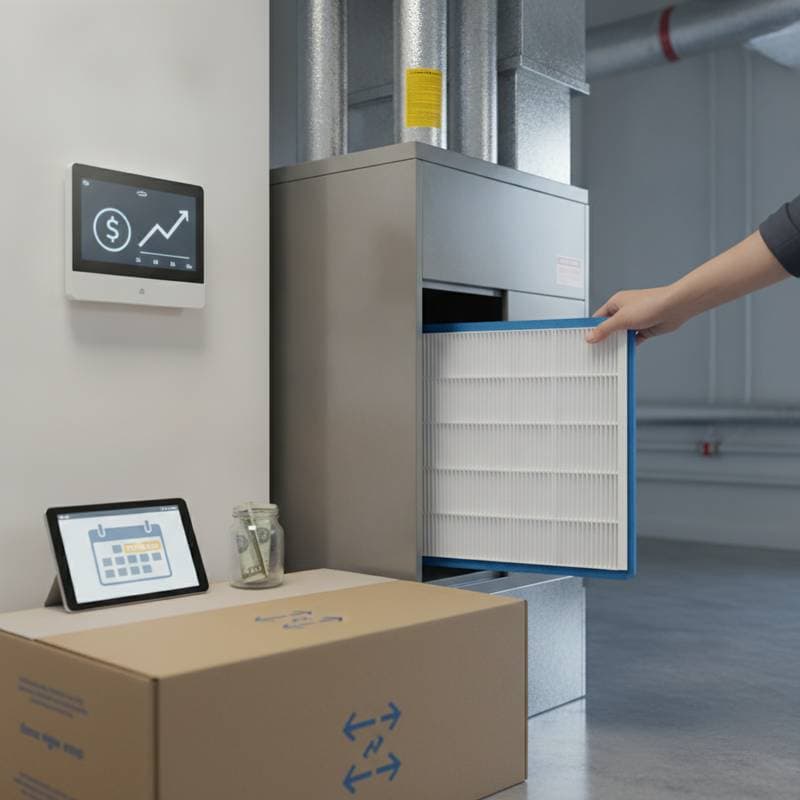
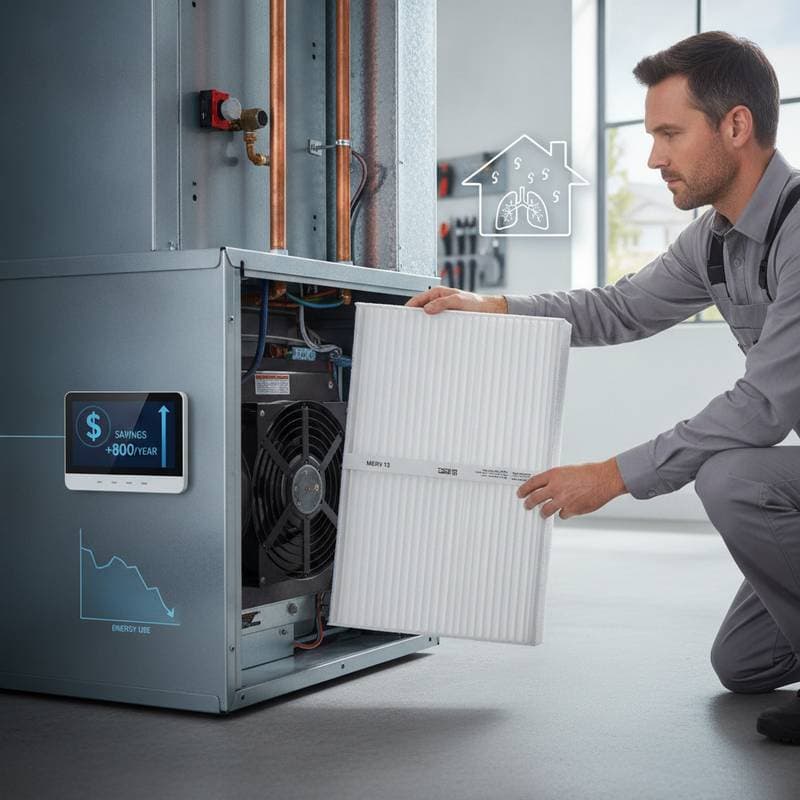
Clogged filters impede airflow, compelling the system to labor excessively. This leads to accelerated wear and higher energy demands. Examine filters each month throughout the cooling period. Swap out disposable types or rinse reusable ones once they show signs of dust accumulation or discoloration.
Clear and Clean the Outdoor Unit
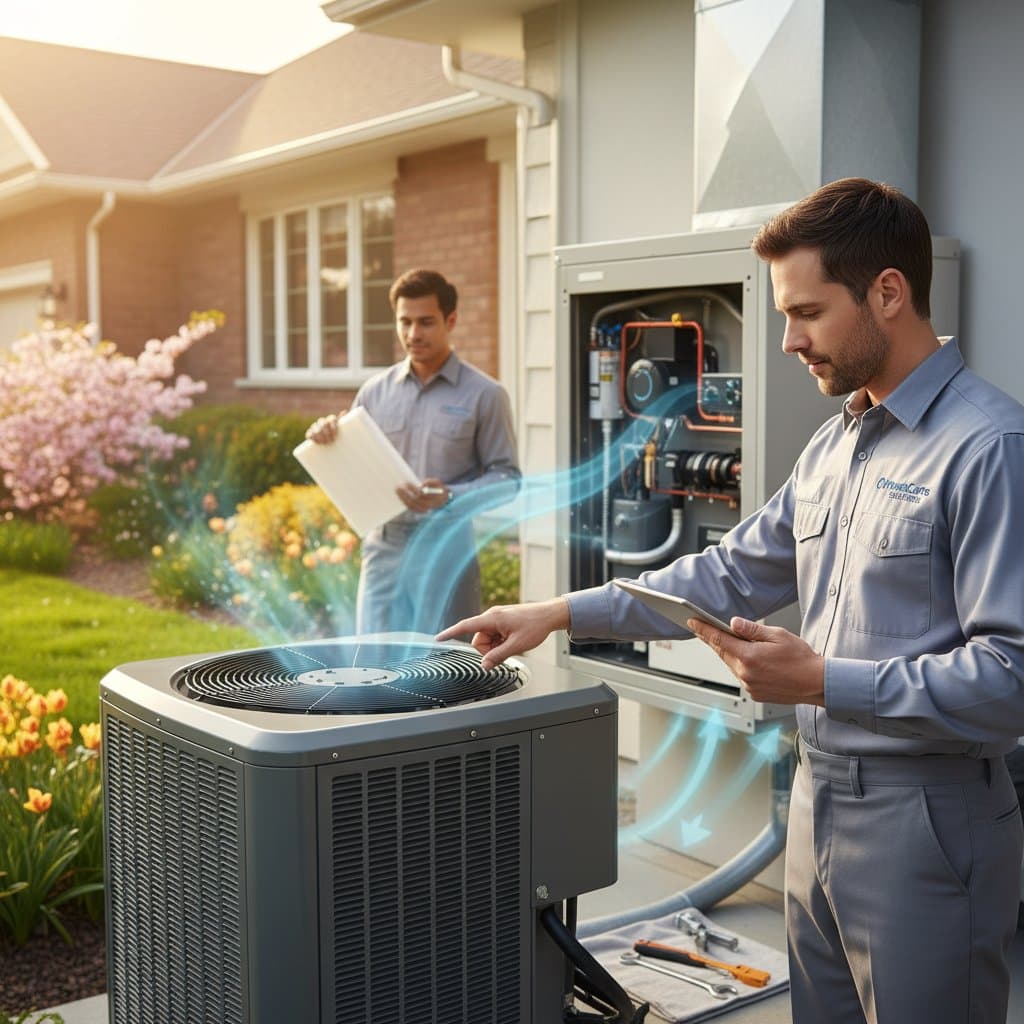
Winter accumulation of leaves, soil, and debris clings to the outdoor condenser. Maintain a clearance of at least two feet surrounding the unit. Use a garden hose to softly rinse the coil fins, dislodging embedded particles. Such maintenance facilitates better heat dissipation and averts overheating during operation.
Inspect and Seal Ductwork
Duct leaks squander up to 30 percent of treated air. Traverse your residence to assess airflow from registers. Detect areas of poor circulation or temperature variations, then arrange for a professional duct evaluation. Proper sealing enhances uniformity in comfort levels and minimizes energy loss.
Test the Thermostat
Switch the thermostat to cooling mode and lower the setting several degrees below ambient room temperature. Observe whether the system activates promptly. Failure to engage signals potential problems with wiring or power sources. For smart models, perform recalibration or update programming to support energy-saving cooling patterns.
Check Refrigerant Levels
Insufficient refrigerant results in warm output air or coil icing. Qualified technicians alone handle safe level assessments and recharges. Extended run times or diminished cooling capacity indicate the need for expert intervention.
Typical Findings from Spring HVAC Tune-Ups
Skilled technicians frequently identify minor faults that escalate without attention. Prevalent concerns encompass:
- Faulty capacitors or contactors
- Soiled evaporator coils
- Unsecured electrical links
- Deteriorated blower motors or fan belts
- Obstructed condensate drains
Early detection sustains reliability through peak summer conditions and sidesteps urgent, high-cost interventions.
Advantages of Professional Maintenance Services
Although certain chores suit homeowner execution, expert oversight guarantees comprehensive evaluation and adjustment. Certified professionals execute:
- Airflow and static pressure measurements
- Refrigerant charge verification and leak detection
- Electrical and safety control testing
- Condenser and evaporator coil cleaning
- Lubrication of mechanical elements
- Thermostat precision and operational cycle confirmation
These measures elevate functionality, refine air quality indoors, and extend system durability. They confirm adherence to prevailing efficiency benchmarks.
Indicators Requiring Immediate Spring Tune-Ups
Omission of prior seasonal care or emergence of these symptoms warrants prompt service ahead of warmer weather:
- Inconsistent cooling or reduced airflow
- Abnormal sounds from the external unit
- Peculiar smells upon system activation
- Elevated utility statements absent usage changes
- Frequent on-off cycling or nonstop operation
Timely resolution averts failures amid high-demand periods.
Straightforward DIY Maintenance Options
Homeowners manage various basic upkeep procedures securely. These encompass:
- Routine air filter replacements
- Ensuring register openness without blockages
- Outdoor unit perimeter tidying
- Thermostat battery inspections
- Humidity tracking via hygrometer
Such efforts yield tangible gains in comfort and operational economy.
Circumstances Necessitating HVAC Professional Assistance
Suspicions of refrigerant deficiencies, electrical faults, or mechanical irregularities demand licensed contractor involvement. Experts possess specialized equipment and expertise for secure, accurate diagnostics.
Frequently Asked Questions on Spring HVAC Preparation
How frequently should HVAC maintenance occur?
Systems benefit from biannual servicing: one session for cooling prior to warm months and another for heating before cold arrives. This regimen sustains dual-mode reliability and preempts performance disruptions.
Is self-cleaning of AC coils advisable?
Outdoor coils tolerate gentle hosing. Refrain from high-pressure applications that risk fin deformation.
What thermostat setting suits summer conditions?
Homeowners achieve balance by targeting mid-70s Fahrenheit during occupancy and slight elevations when absent. Automated models sustain efficiency through programmed adjustments.
What explains post-winter energy bill increases?
Contaminated filters, refrigerant shortages, or coil blockages prolong runtime. Spring servicing pinpoints and rectifies these to reinstate optimal performance.
How to assess if an HVAC system approaches obsolescence?
Persistent repair needs, suboptimal efficiency, or temperature maintenance difficulties suggest replacement viability. Expert assessments clarify upgrade benefits for energy savings and enduring expenses.
Actions to Secure Efficient Cooling Through Summer
Spring presents an ideal window for HVAC readiness against impending heat. Filter changes, unit cleanings, duct checks, and technician appointments collectively guarantee seamless operation at critical times. Proactive steps foster sustained comfort, curb consumption, and eliminate disruptive summer malfunctions.