Why Spring HVAC Preparation Saves You Thousands During Summer
Preventing Costly Summer Breakdowns Through Spring Maintenance
As temperatures increase, your HVAC system emerges as a critical component of home comfort. Regular spring HVAC maintenance plays a vital role in avoiding expensive repairs and minimizing energy inefficiency later in the season. The average expense for a significant air conditioning repair ranges from $1,000 to $3,500, and a complete system replacement often surpasses $7,000 to $12,000. In contrast, a basic spring tune-up costs between $100 and $250, allowing you to identify potential problems before they escalate during peak summer usage.
This guide details how proactive spring HVAC preparation leads to substantial savings, enhances operational efficiency, and prolongs equipment lifespan. It includes a comprehensive AC tune-up checklist and recommendations for arranging professional assistance.
Components of a Comprehensive Spring HVAC Tune-Up
A thorough spring HVAC service involves detailed inspection, meticulous cleaning, and rigorous performance evaluation. While certain tasks suit homeowner execution, many demand the expertise of a certified technician to guarantee safety and precision.
| Task | Purpose | Recommended Frequency |
|---|---|---|
| Replace air filters | Enhances airflow and indoor air quality | Every 1-3 months |
| Clean condenser coils | Improves cooling efficiency | Annually in spring |
| Verify refrigerant levels | Ensures optimal cooling performance | Annually |
| Examine ductwork | Identifies leaks that cause energy loss | Every 2-3 years |
| Calibrate thermostat | Provides precise temperature regulation | Each season |
| Lubricate moving parts | Minimizes friction, wear, and operational noise | Annually |
| Inspect electrical connections | Avoids electrical faults and compressor failure | Annually |
Addressing these elements during spring positions your system for reliable performance amid intense summer demands, eliminating common issues and potential hazards.
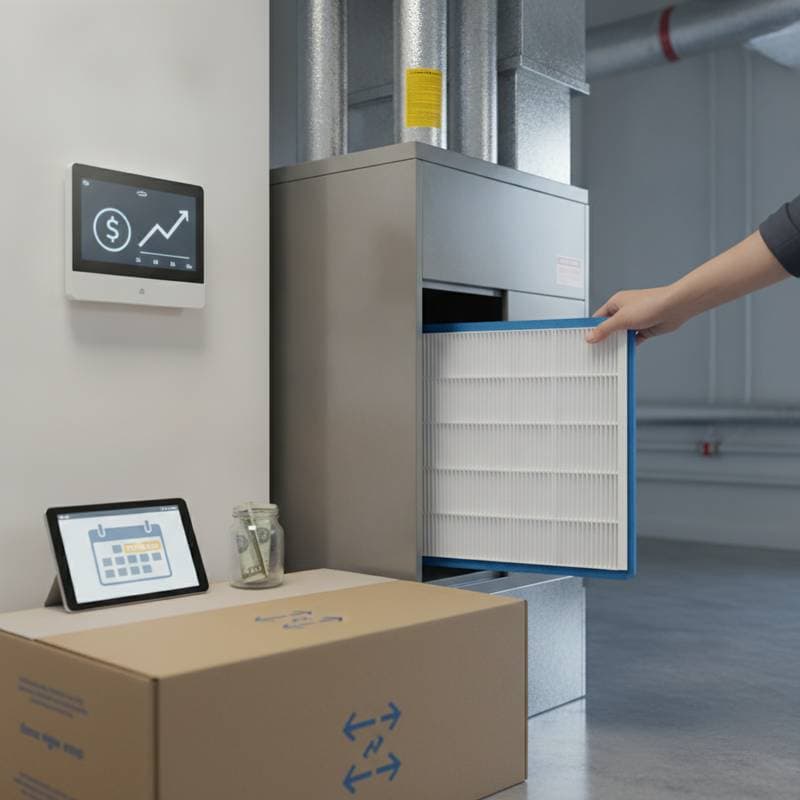
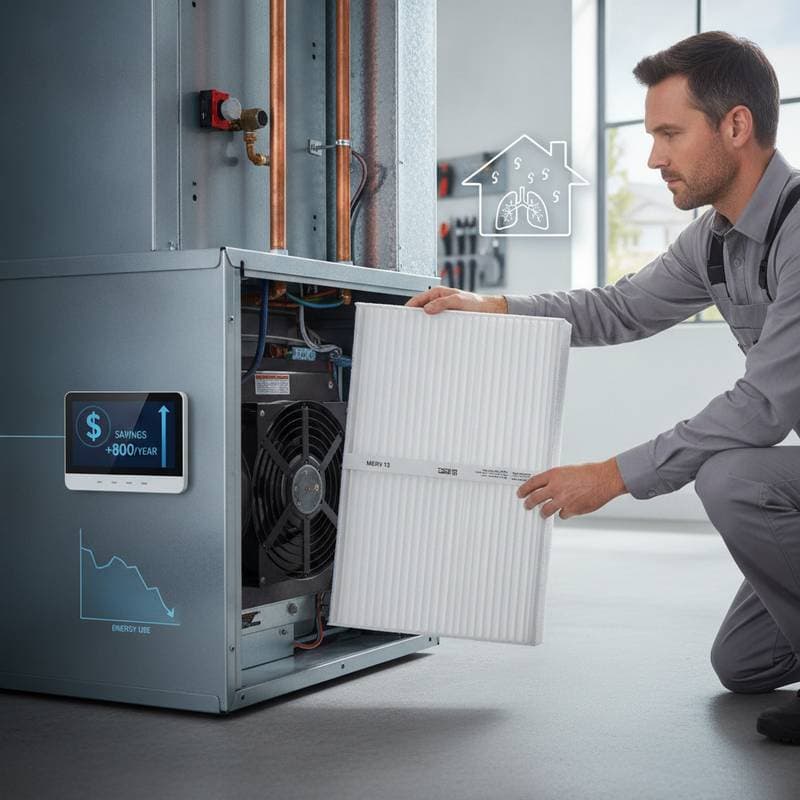
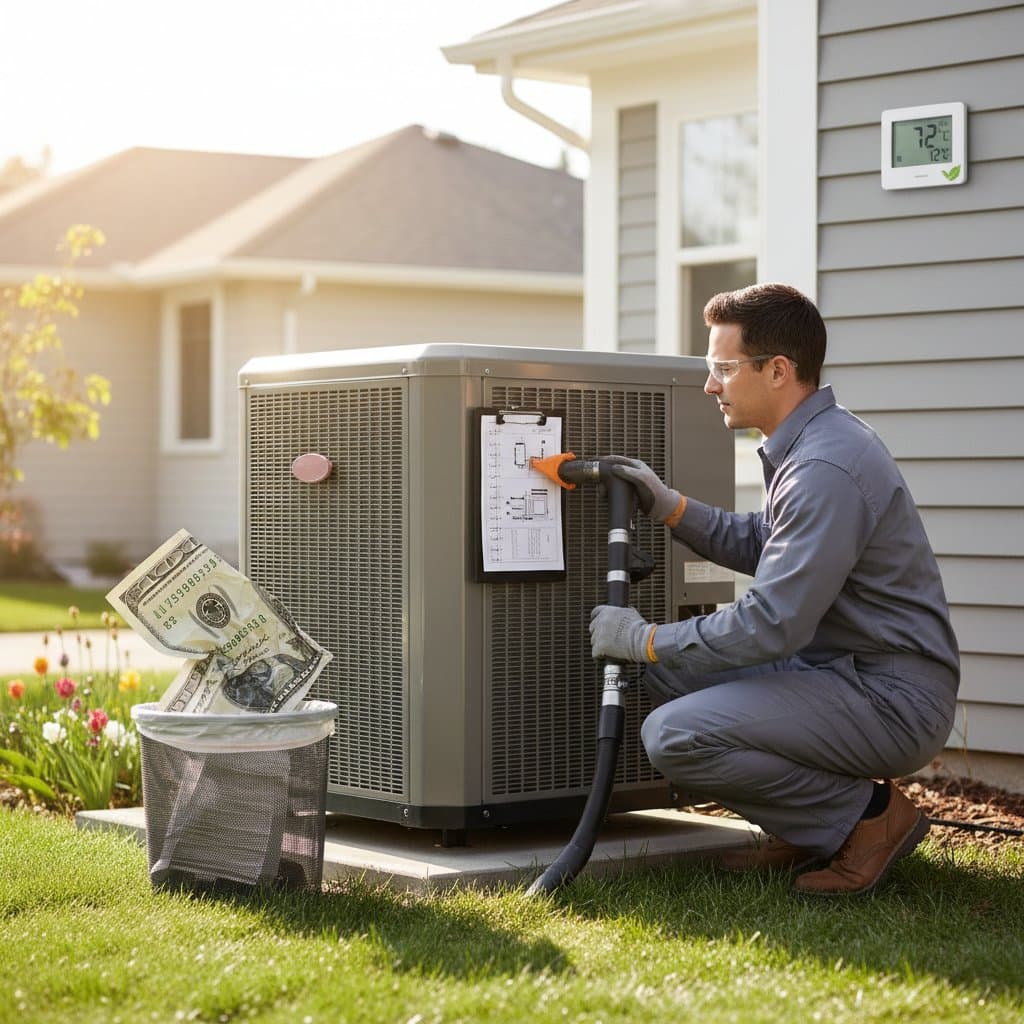
To expand on these tasks, consider starting with air filter replacement. Clogged filters restrict airflow, forcing the system to work harder and increasing energy consumption by up to 15 percent. Select filters with a MERV rating of 8 to 13 for balanced filtration without excessive resistance. For condenser coil cleaning, remove debris like leaves and dirt using a garden hose on a low-pressure setting, but avoid high-pressure washers that could bend delicate fins.
Refrigerant level checks require professional tools to detect leaks accurately, as improper levels can reduce efficiency by 20 to 30 percent and lead to compressor strain. Ductwork inspections often reveal gaps sealed with mastic or foil tape, preventing up to 20 percent of conditioned air from escaping. Thermostat calibration involves verifying settings against a separate thermometer, ensuring even temperatures throughout your home. Lubrication reduces energy use by smoothing mechanical operations, while electrical checks prevent costly failures from loose wires or corroded terminals.
The Importance of Spring Timing for HVAC Service
Arranging maintenance in spring allows inspection well before heat intensifies. This strategic timing delivers multiple benefits in terms of cost, convenience, and reliability.
- Access lower service fees, as rates remain steady outside peak summer periods
- Secure quicker appointments with minimal delays from service providers
- Achieve superior system readiness for initial heat waves
- Minimize breakdown risks when the unit faces maximum load
Furthermore, early intervention provides ample opportunity to address findings, such as installing programmable thermostats that can save 10 percent on annual heating and cooling costs or enhancing attic insulation to retain cool air. These upgrades integrate seamlessly without the urgency of sweltering conditions.
Frequently Asked Questions on Spring HVAC Maintenance
How Frequently Should Professional HVAC Maintenance Occur?
Experts advise scheduling professional service at minimum once annually, with spring ideal for cooling components and fall suited for heating elements. This regimen sustains peak efficiency across seasons and preserves manufacturer warranties, which often mandate regular upkeep.
Is It Feasible for Homeowners to Conduct HVAC Maintenance Independently?
Individuals may manage straightforward duties, including filter swaps, debris clearance from outdoor units, and thermostat battery replacements. Tasks involving refrigerant handling, electrical evaluations, or diagnostic testing necessitate specialized knowledge and equipment. Engaging a licensed professional guarantees comprehensive coverage and adherence to safety protocols.
What Indicators Suggest Your HVAC System Requires Immediate Attention?
Observe uneven room temperatures, escalating utility statements, unusual sounds like grinding or hissing, and diminished airflow from vents. These signals frequently point to airflow obstructions, soiled components, or deteriorating parts that demand prompt resolution to avert summer failures.
How Does Routine Maintenance Influence Indoor Air Quality?
Routine care significantly elevates air purity. Fresh filters and coils trap dust, pollen, and other particles, while proper drainage averts excess moisture that fosters mold growth. Over time, this reduces respiratory irritants and maintains a healthier living environment.
Steps to Optimize Your HVAC Performance Year-Round
Investing time in spring HVAC preparation safeguards a major household asset, controls seasonal energy expenses, and averts inconvenient disruptions. Professionals recommend documenting service dates and observations to track system health over years. For instance, note any refrigerant top-ups, as repeated needs may signal a leak requiring repair.
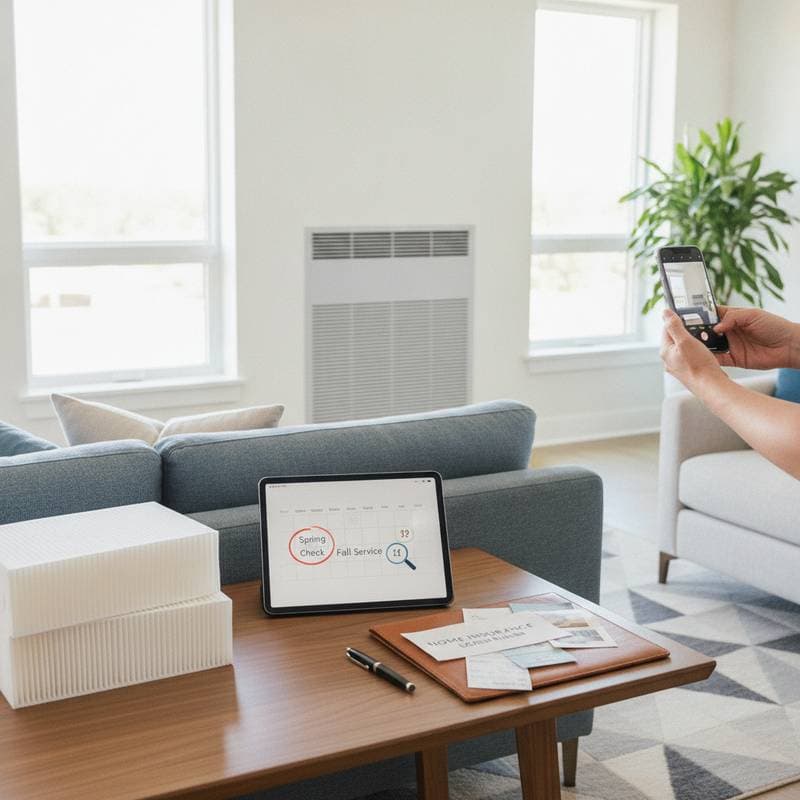
Homeowners benefit from establishing a maintenance calendar that aligns with seasonal changes. Pair spring tune-ups with simple habits, such as setting thermostats to 78 degrees Fahrenheit during occupied summer hours, which can lower cooling costs by 6 to 18 percent. If your system exceeds 10 years of age, consult a technician about efficiency ratings; modern units boast SEER values above 16, offering superior savings compared to older models.
By prioritizing early action, you secure uninterrupted comfort, extend equipment longevity beyond the typical 15-year span, and allocate funds toward home enhancements rather than reactive fixes. This approach transforms routine care into a cornerstone of efficient, cost-effective living.