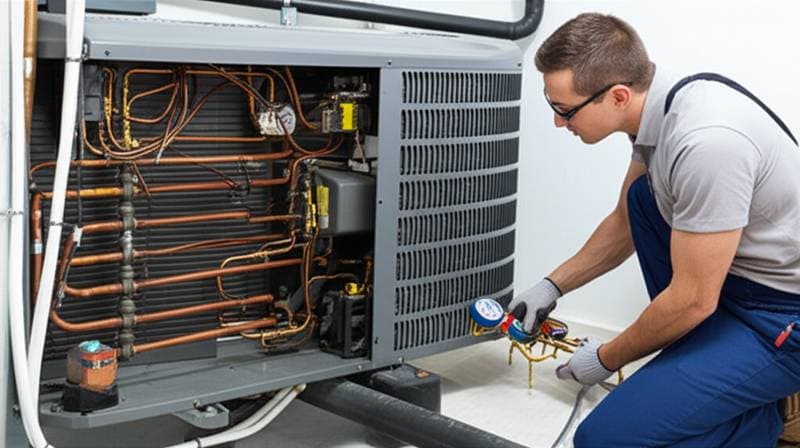
Spring HVAC Tune-Up: Prevent $800 Repair Bills and Ensure Summer Comfort
A spring HVAC tune-up represents one of the most effective strategies to avert expensive system failures that frequently exceed $800. Professional maintenance sustains optimal efficiency, prolongs equipment durability, and maintains consistent indoor temperatures as warmer weather approaches. Through early detection of potential problems, enhancement of energy performance, and prevention of urgent service needs, homeowners achieve substantial financial and comfort benefits.
| Item | Average Cost |
|---|---|
| Spring HVAC Tune-Up | $75 - $200 |
| Typical Repair Without Maintenance | $300 - $800 |
| Major Component Replacement | $1,000+ |
| Energy Savings from Regular Maintenance | Up to 15% annually |
Optimal Timing: Why Schedule in Spring
Spring emerges as the prime season for HVAC maintenance because it allows technicians to evaluate and optimize the system prior to the intense demands of summer operation. Under moderate temperatures, professionals conduct thorough inspections, cleaning, and adjustments without the pressure of immediate cooling needs. This forward-thinking approach minimizes the risk of breakdowns during heat waves and establishes a foundation for year-round reliability.
Comprehensive Elements of a Professional Tune-Up
Beyond basic filter replacement, a professional spring tune-up delivers a detailed assessment focused on safety, performance, and longevity. Technicians follow a structured protocol to address key components systematically. The process typically encompasses the following steps:
- Thermostat calibration to achieve precise temperature regulation and avoid energy waste from inaccuracies
- Airflow inspection to identify blockages in ducts, vents, or registers that restrict cooling distribution
- Electrical connection tightening to eliminate hazards and prevent intermittent power issues
- Refrigerant level verification to ensure adequate charge levels that support efficient cooling cycles
- Coil cleaning to remove accumulated dirt and debris, thereby enhancing heat transfer and reducing operational strain
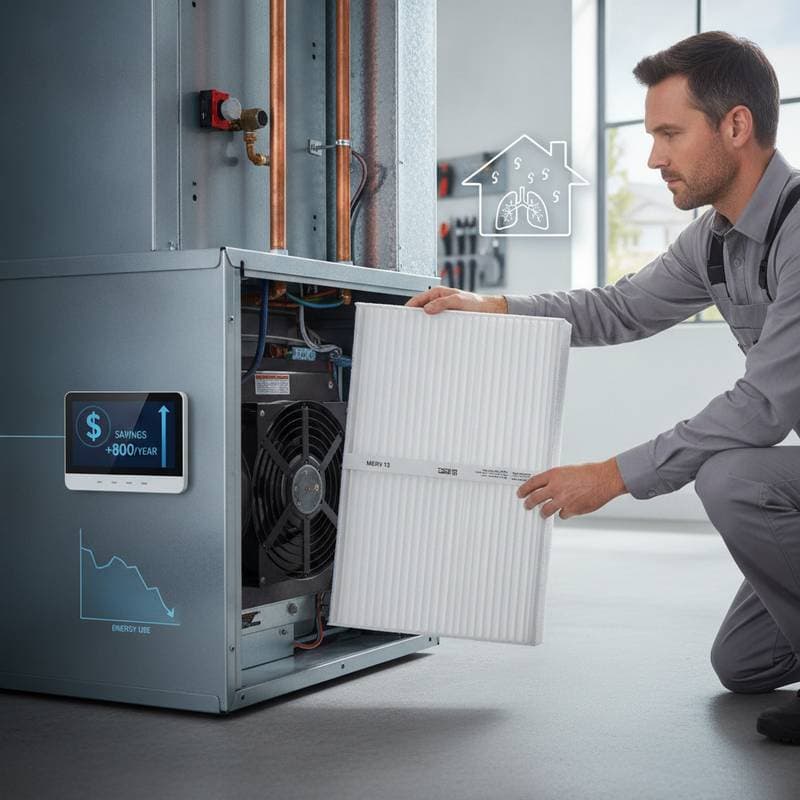
- Filter replacement to promote superior air filtration and diminish allergen circulation indoors
- System performance testing to validate balanced operation, including proper startup, runtime, and shutdown sequences
These targeted actions not only resolve immediate concerns but also fortify the system against future complications.
Avoidable Repairs Through Proactive Care
Failure to perform annual tune-ups frequently results in preventable malfunctions that escalate into significant expenditures. Technicians during routine visits spot indicators of deterioration, such as unusual vibrations or reduced output, and intervene promptly. Among the prevalent issues averted are:
- Compressor replacement, which demands costs exceeding $1,000 due to its central role in cooling
- Blower motor failure, incurring $400 to $700 for parts and labor to restore air circulation
- Refrigerant leaks, ranging from $200 to $600 based on detection complexity and recharge requirements
- Electrical control repairs, averaging $300 to fix faulty wiring or components that disrupt system commands
By addressing these vulnerabilities early, maintenance transforms potential crises into manageable adjustments.
Essential Advantages of Spring Maintenance
A scheduled spring tune-up yields immediate and enduring rewards that enhance home operations and finances. Efficiency gains translate directly into measurable savings, while preventive measures reduce service disruptions. The primary advantages include:
- Reduced energy consumption through optimized components that minimize electricity draw during cooling cycles
- Diminished need for emergency interventions by resolving issues before peak demand periods strain availability
- Extended equipment durability via decreased wear on motors, coils, and other parts from cleaner, balanced operation
- Improved indoor air quality with effective filtration that captures dust, pollen, and contaminants more thoroughly
- Uniform temperature control that eliminates drafts, hot spots, or insufficient cooling across living spaces
Such outcomes safeguard both budgetary concerns and daily living standards.
Supporting Tasks for Homeowners Between Service Appointments
Although expert intervention remains indispensable, homeowners contribute to system vitality through straightforward, periodic upkeep. These practices bridge gaps between professional visits and sustain peak condition. Recommended actions consist of:
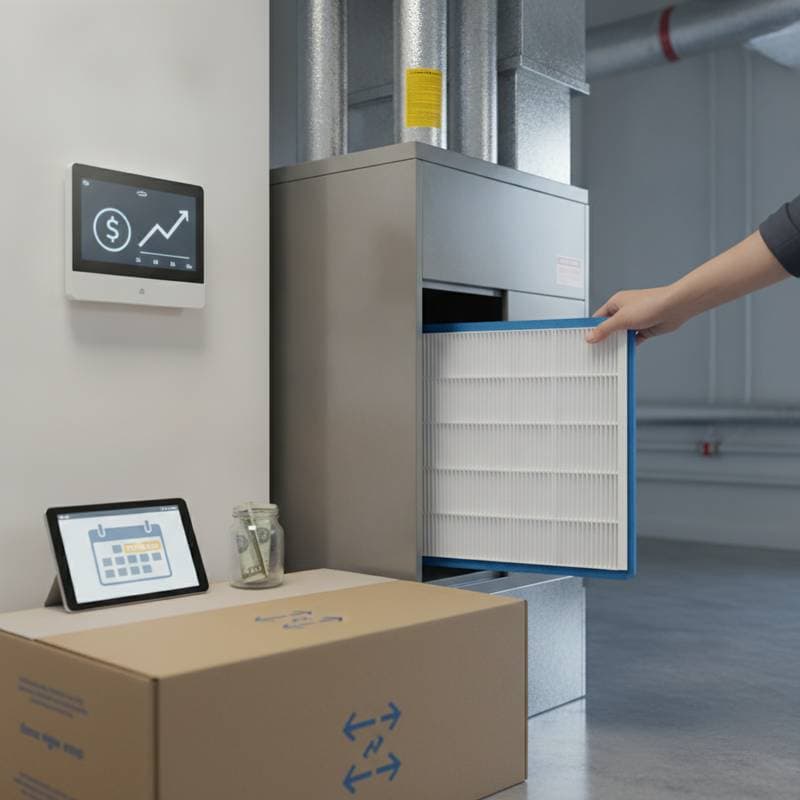
- Filter replacement at intervals of one to three months, selecting models rated for your system's specifications to optimize airflow.
- Clearance around outdoor units by removing debris, foliage, and clippings within a two-foot radius to facilitate unobstructed ventilation.
- Vent and register cleaning using a soft brush or vacuum to eliminate dust buildup that impedes air movement.
- Monitoring for atypical sounds like rattling or humming, which may indicate loose belts or bearings requiring attention.
- Thermostat verification by comparing displayed readings to a separate thermometer and adjusting batteries if discrepancies arise.
Consistent application of these steps amplifies the effectiveness of annual tune-ups.
Selecting a Dependable HVAC Service Provider
Choosing an adept professional guarantees thorough and trustworthy maintenance outcomes. Prioritize providers who demonstrate expertise and accountability in their operations. Essential criteria include:
- Certified and licensed technicians who adhere to industry standards and local regulations for safe, compliant work
- Clear pricing structures that detail service fees upfront, excluding surprise charges for diagnostics or parts
- Strong customer feedback reflected in reviews highlighting punctuality, communication, and resolution quality
- Detailed service protocols outlining inspections, cleaning procedures, and performance evaluations conducted
Reputable experts provide post-service summaries, outlining observations and any suggested follow-ups without pressure for unnecessary upgrades.
Secure Reliable Performance: Book Your Spring Tune-Up Now
Arrange your HVAC tune-up well in advance of rising temperatures to establish dependable operation and eliminate unexpected disruptions. This investment in prevention not only curbs repair expenses but also fosters energy conservation and sustained comfort. Reach out to a vetted local specialist today to initiate the process and prepare your home for seamless seasonal transitions.