How a Spring HVAC Tune-Up Saves Up to $800 in Repairs
The Benefits of Scheduling a Spring HVAC Tune-Up
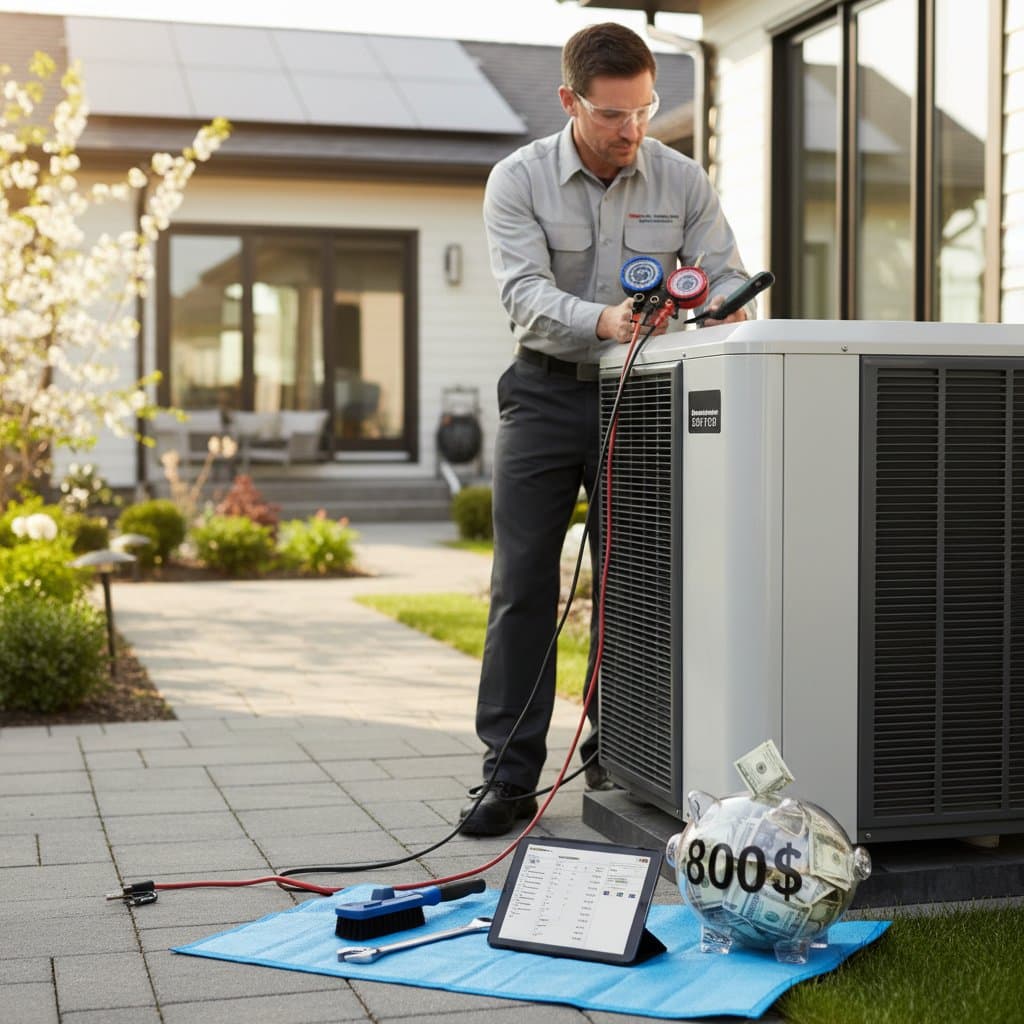
Homeowners benefit greatly from a professional spring HVAC tune-up before summer arrives. This service typically costs between $80 and $200, yet it averts potential repair expenses reaching $800 or more annually. By addressing minor issues early, the tune-up enhances system efficiency, lowers breakdown risks, and prolongs equipment durability.
This article details the financial advantages of a spring tune-up, including repair prevention, energy savings, and comfort maintenance. Readers will discover standard tune-up procedures, pricing influences, essential upkeep elements, and strategies for selecting a reliable technician.
Preventing Costly Repairs with Routine Spring Maintenance
Routine spring maintenance identifies and resolves small problems before they escalate into major failures. Technicians perform thorough inspections to safeguard against common issues that lead to high repair bills. The following table outlines prevalent HVAC problems, their average costs, and how a tune-up mitigates them.
| Common HVAC Issue | Average Repair Cost | Prevention Through Tune-Up |
|---|---|---|
| Refrigerant Leak | $300 – $800 | Checks on levels and connections detect leaks early |
| Blower Motor Failure | $400 – $700 | Cleaning and lubrication minimize part wear |
| Frozen Evaporator Coil | $200 – $600 | Coil cleaning avoids airflow restrictions from dirt |
| Clogged Condensate Drain | $150 – $350 | Drain clearing stops overflows and water damage |
| Electrical Short or Relay Failure | $150 – $400 | Wiring inspections secure connections and prevent corrosion |
Proper airflow management, component lubrication, and thorough cleaning during a tune-up reduce operational strain. These steps ensure the system functions optimally, decreasing the need for urgent interventions during peak heat.
Factors Influencing Spring HVAC Tune-Up Costs
Tune-up expenses fluctuate based on multiple variables. Homeowners who understand these elements can budget effectively and recognize reasonable rates.
System Type
Different HVAC configurations demand unique inspection methods. Central units, heat pumps, and mini-splits each present specific requirements.
| System Type | Average Tune-Up Cost | Key Considerations |
|---|---|---|
| Central Air Conditioner | $100 – $150 | Standard for most homes; focuses on core components |
| Heat Pump | $120 – $180 | Evaluates both heating and cooling functions |
| Ductless Mini-Split | $100 – $160 | Additional charges possible per indoor unit |
System Size
Inspecting larger units or those in multi-level homes requires extended time and effort. This often results in higher labor fees.
Regional Labor Rates
Pricing differs across locations. Technicians in cities charge more per hour compared to those in outlying areas.
Extent of Required Maintenance
Neglected systems demand deeper cleaning or small fixes, elevating the overall expense.
Benefits of Maintenance Plans
Numerous providers offer yearly contracts that lower individual visit fees. These agreements provide scheduling priority and reduced repair rates, enhancing long-term value.
Frequently Asked Questions About Spring HVAC Tune-Ups
How Frequently Should Homeowners Arrange a Tune-Up?
Experts advise two annual sessions. The spring visit readies the cooling aspects, while the fall one verifies heating elements. This schedule promotes dependable performance year-round.
What Risks Arise from Skipping a Tune-Up?
Neglecting service leads to soiled coils, obstructed filters, and refrigerant discrepancies. Such conditions diminish cooling effectiveness, inflate utility expenses, and harm vital parts. Unaddressed concerns may progress to extensive damage or total breakdowns.
What Duration Does a Tune-Up Typically Require?
Standard appointments span 45 to 90 minutes, varying by system complexity and state. Addressing any discovered minor adjustments might extend the time slightly.
Does a Tune-Up Enhance Indoor Air Quality?
Indeed, it does. Procedures like coil sanitation, filter renewal, and drain clearance diminish dust, mold, and allergens in the air pathways. Families with allergies or pets notice particular improvements.
When Should One Book a Spring Tune-Up?
Opt for early spring timing. Booking ahead of summer peaks secures prompt slots and circumvents delays. Proactive checks resolve concerns prior to extreme temperatures.
Do Maintenance Plans Justify Their Expense?
They do, particularly for those seeking steady costs and dependable care. Plans frequently offset fees through averted repairs and sustained efficiency gains.
Can a Tune-Up Reduce Energy Expenses?
Absolutely. A well-maintained unit operates with greater efficiency, demanding less power for equivalent cooling. Many observe tangible reductions in bills post-service.
Protecting Your HVAC System for Long-Term Performance
An HVAC unit represents a significant home asset. Annual spring servicing safeguards this investment by fostering efficiency, reliability, and longevity. One visit uncovers risks that, if overlooked, could incur substantial future outlays.
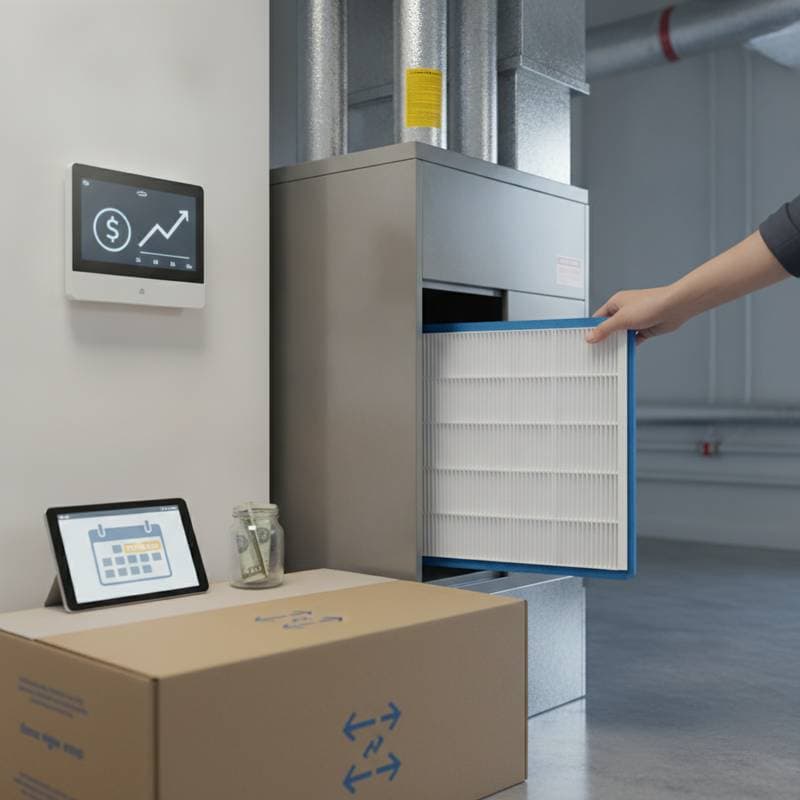
Simple homeowner actions, such as quarterly filter changes and clearing debris around exterior units, amplify professional efforts. Together, these practices extend system viability and sidestep up to $800 in repairs.
Consistent spring care yields quieter function, steady temperatures, and diminished energy use. The upfront commitment to prevention surpasses the inconvenience and cost of sudden failures, securing enduring home comfort.