The Eight-Step Spring Tune-Up That Prevents AC Breakdowns
When warm weather arrives, the air conditioner emerges as one of the most critical systems in the home. After months of inactivity during colder periods, the unit requires attention to restore its ability to maintain cool and comfortable indoor conditions. A spring AC tune-up serves as the optimal method to avert breakdowns, enhance efficiency, and prolong the system's operational life. The following outlines the eight essential steps that professionals employ to ensure the cooling system operates reliably throughout the season.
The Importance of a Spring AC Tune-Up
Numerous homeowners consider their air conditioning only when malfunctions occur. In reality, consistent maintenance addresses the majority of significant problems before they escalate. Accumulation of dirt, loosened connections, and diminished refrigerant levels represent minor concerns that can result in expensive repairs if overlooked. A spring tune-up identifies these issues promptly, enabling the AC to function with optimal efficiency and dependability.
Scheduled upkeep also controls energy expenses. A clean and properly balanced system requires less effort to cool the residence, which reduces stress on its parts and minimizes unforeseen failures amid high temperatures. Above all, such care improves indoor air purity and overall home comfort.
Step 1: Inspect and Clean the Outdoor Condenser Unit
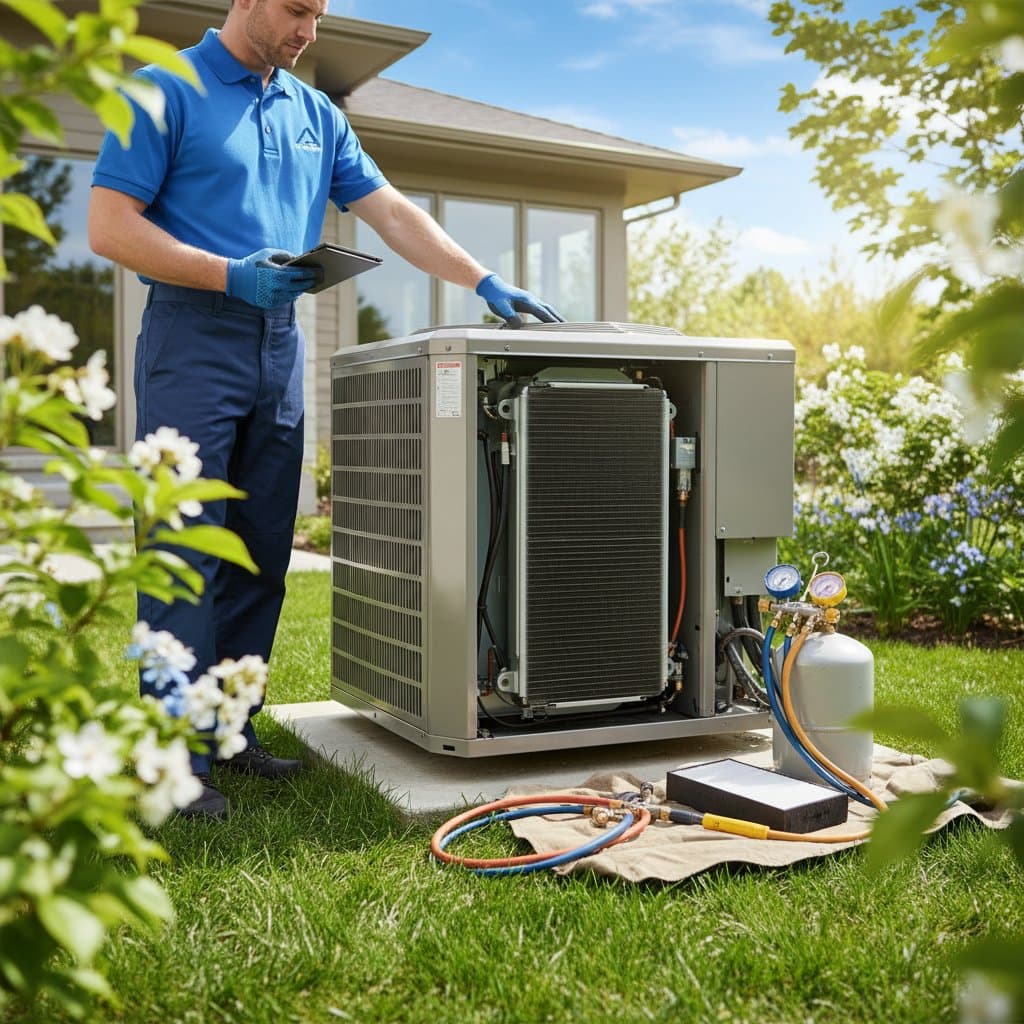
The outdoor condenser unit faces constant exposure to environmental elements, making it the initial focus of maintenance. Over time, leaves, soil, and debris accumulate around the coils and fan blades, obstructing airflow and compelling the system to operate under increased strain.
Actions to Take
- Disconnect power to the condenser prior to any cleaning.
- Clear leaves and debris from the surrounding area.
- Rinse the coils gently using a garden hose to eliminate accumulated dirt.
- Examine for evident damage, including bent fins or deteriorated insulation.
Oil stains or atypical sounds during operation may signal a refrigerant leak or motor malfunction. A licensed HVAC technician possesses the capability to detect leaks and execute repairs securely.
Step 2: Replace or Clean the Air Filter
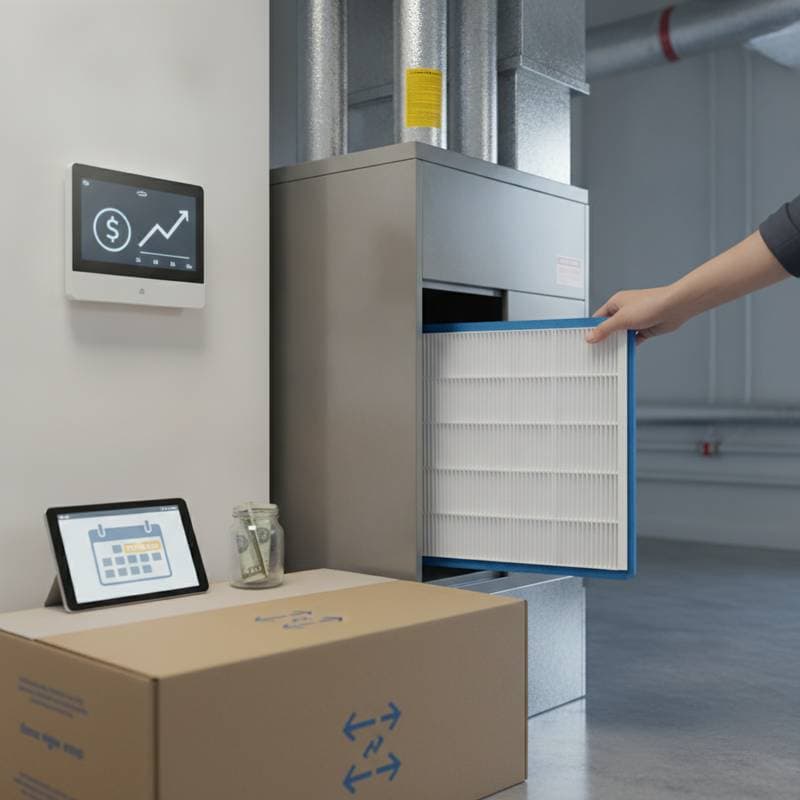
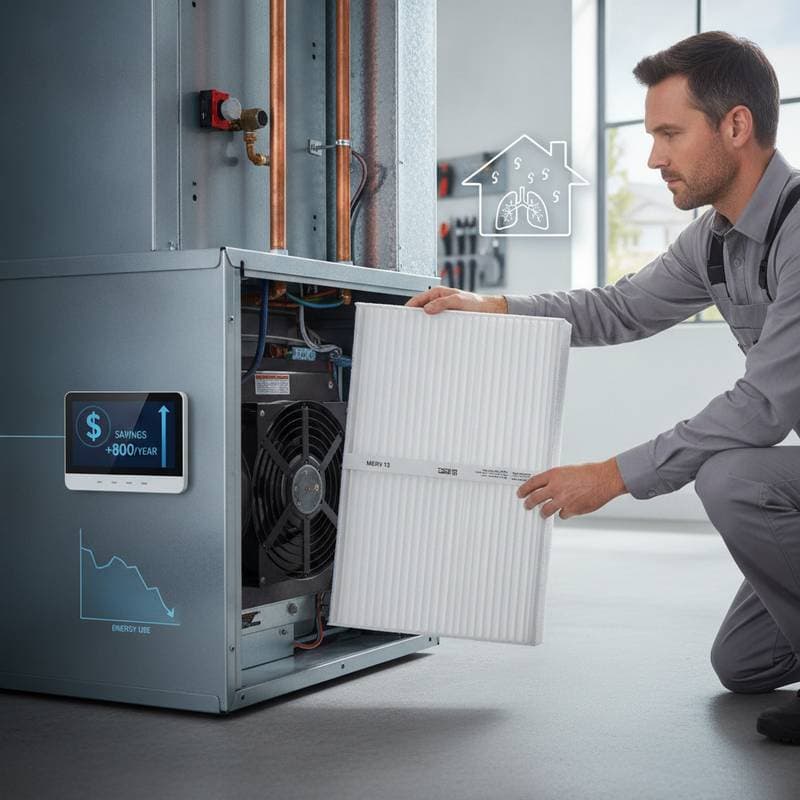
Replacing the air filter stands as one of the most straightforward yet impactful maintenance activities. A blocked filter impedes airflow, diminishes efficiency, and risks freezing the evaporator coil. Furthermore, it permits dust and allergens to spread throughout the living spaces.
Selecting and Maintaining Filters
- Exchange disposable filters or cleanse reusable versions every one to three months.
- Select filters with a MERV rating suitable for the system, balancing air quality with adequate airflow.
- Record the date or establish a reminder for periodic filter inspections.
This basic procedure substantially elevates system performance and indoor air quality.
Step 3: Verify Thermostat Settings and Functionality
The thermostat functions as the central control for the cooling system. Malfunctioning thermostats can cause short cycling, inefficient operation, or failure to sustain desired temperatures.
Methods to Confirm Proper Thermostat Operation
- Confirm the thermostat mode is set to cool and the target temperature falls below the ambient room level.
- Substitute depleted batteries and verify the display operates correctly.
- Consider installing a programmable or smart thermostat to achieve greater precision and energy conservation.
Persistent difficulty in attaining the set temperature may indicate underlying airflow or refrigerant deficiencies, necessitating expert evaluation.
Step 4: Examine the Indoor Evaporator Coil and Drain Line
The evaporator coil draws heat from indoor air. Dirt or blockages on this component reduce efficiency and cooling capacity. The condensate drain line, responsible for expelling moisture, may clog with algae or debris, leading to leaks and structural damage.
Cleaning and Inspection Procedures
- Look for ice formation on the coil, a potential indicator of airflow or refrigerant problems.
- Flush the drain line with a solution of warm water and mild detergent to dissolve accumulations.
- Verify the drain pan remains unobstructed and properly aligned.
Recurring blockages or water accumulation near the indoor unit demand immediate professional intervention. Specialists utilize dedicated equipment to unclog lines and avert mold growth or water harm.
Step 5: Review Electrical Components and Connections
Electrical faults rank among the primary causes of AC failures. Wiring may loosen, corrode, or degrade over time, resulting in short circuits or complete system shutdowns. Inspecting these elements guarantees safe and effective unit performance.
Professional Inspection Checklist
- Evaluate capacitors, contactors, and relays for signs of wear or corrosion.
- Inspect wiring connections for secure fastening and intact insulation.
- Measure voltage and current to validate operational safety.
These assessments demand specialized electrical instruments and system knowledge, so certified HVAC technicians should perform them. Early detection allows for component replacement before failures occur.
Step 6: Lubricate Moving Parts and Assess the Blower Motor
The AC system includes multiple moving components that benefit from lubrication to minimize friction and extend durability. Elements such as the blower motor and fan bearings deteriorate more rapidly without adequate oiling.
Tips for Optimal Function
- Apply lubricant to motor bearings and fan shafts according to manufacturer guidelines.
- Inspect the blower wheel for contamination and imbalance.
- Monitor for irregular sounds suggesting bearing wear or fan misalignment.
Appropriate lubrication promotes quieter performance and prolongs the service life of key parts. Individuals uncertain about accessing these areas should engage a professional for safe servicing.
Step 7: Evaluate System Performance and Airflow
Following the cleaning and inspection of primary components, testing verifies overall effectiveness. This phase confirms that prior efforts yield seamless and efficient results.
Assessing Airflow and Cooling Efficiency
- Activate the system and compare air temperatures at supply and return vents.
- Ensure uniform airflow across all rooms.
- Clean and open vents and registers as needed.
Reduced airflow or inconsistent cooling may stem from duct issues. Leaking or restricted ducts squander energy and compromise comfort. Experts can conduct airflow analyses and seal breaches to optimize output.
Step 8: Verify Refrigerant Levels and System Pressure
Refrigerant enables the AC to extract and dissipate heat from the home. Insufficient levels impair cooling, elevate energy demands, and risk compressor damage. Accurate testing and adjustment fall under technician expertise.
Technician Procedures
- Employ gauges to assess system pressure.
- Inspect refrigerant lines for leaks or impairments.
- Replenish refrigerant solely if quantities fall below specified norms.
Refrigerant management necessitates certification and precise tools, rendering it unsuitable for DIY efforts. Professionals ensure correct charging to sustain efficiency and avert enduring harm.
Comparing Professional Tune-Ups to DIY Efforts
Homeowners can manage certain tasks independently, including filter changes, outdoor unit clearing, and thermostat checks. These initiatives yield notable improvements in operation. However, comprehensive cleaning, refrigerant evaluations, and electrical reviews require licensed HVAC support.
Benefits of Expert Service
- Professionals access advanced tools and expertise to uncover concealed faults.
- They deliver precise measurements of performance and efficiency.
- Annual professional care upholds manufacturer warranties.
Opting for a thorough tune-up provides assurance that the AC stands prepared for seasonal demands while sidestepping expensive disruptions.
Indicators Requiring Immediate Tune-Up Attention
Despite routine care, systems occasionally exhibit symptoms of needed service. Prompt recognition averts escalation to severe complications.
- Warm air emanating from vents.
- Unusual noises or vibrations from the unit.
- Repeated on-off cycling.
- Elevated energy costs.
- Diminished airflow or temperature inconsistencies.
Upon observing these signs, arrange a tune-up or diagnostic visit without delay. Minor concerns, such as soiled coils or unsecured wires, can rapidly progress to system collapse.
Financial Advantages of Spring Tune-Ups
Initial maintenance costs appear as an investment, yet they yield substantial savings over time. Efficient AC operation consumes less electricity, thereby reducing utility statements. Averting failures eliminates the need for urgent fixes or early replacements.
Key Economic Gains
- Decreased power usage.
- Reduced frequency of repairs and calls for service.
- Extended durability of essential parts.
- Enhanced comfort and air purity.
Frequently Asked Questions
How frequently should one arrange an AC tune-up?
Annual professional tune-ups prove ideal, scheduled in spring prior to peak usage. This approach maintains cleanliness, efficiency, and readiness for summer demands.
Is self-cleaning of the outdoor AC unit feasible?
Yes, safely remove debris and hose the coils after powering down the unit. Refrain from high-pressure streams that might harm the fins.
What consequences arise from omitting yearly tune-ups?
Neglect fosters inefficiency, inflated bills, and recurrent failures. Gradual dirt and component degradation can precipitate premature breakdowns and substantial repair expenses.
How can one determine if the AC requires refrigerant?
Warm vent air, icing on lines, or hissing near the outdoor unit suggest leaks. Certified technicians alone can test and restore levels securely.
Does a professional tune-up remain essential for seemingly operational systems?
Yes, even functional units may harbor undetected issues like refrigerant shortages or electrical degradation. Thorough inspections confirm efficiency and safety.
Ensuring Reliable Cooling Through Proactive Care
Implementing this eight-step spring tune-up protocol positions the AC for peak performance and eliminates mid-season disruptions. Tasks such as coil cleansing, filter renewal, and airflow verification significantly contribute to sustained comfort and operation.
Consistent preventive measures safeguard comfort, finances, and equipment longevity. Book a spring service ahead of rising temperatures to secure a dependable cooling solution equipped for seasonal challenges.