Spring Preparation: Seven Steps to Avoid Costly Summer Air Conditioner Failures
Air conditioners endure intense operation during summer months, and unexpected failures on the hottest days prove frustrating and expensive. Preparation during spring offers the ideal opportunity to inspect and maintain the system, ensuring reliable performance. This approach maintains home comfort, reduces energy costs, and prolongs equipment life.
The following guide details seven essential steps for readying the cooling system. These actions address common vulnerabilities, from basic cleaning to professional assessments, providing homeowners with practical tools for success.
The Importance of Spring Air Conditioner Maintenance
Spring maintenance aligns with moderate temperatures, allowing technicians ample scheduling flexibility. Systems that receive neglect operate under strain, consuming excess energy and risking premature failure. Consistent care extends unit longevity and avoids substantial repair expenses.
Well-maintained air conditioners deliver efficient cooling, balanced air distribution, and optimal humidity control. Addressing potential issues early through these steps prevents minor problems from escalating into system-wide disruptions.
Step 1: Replace or Clean the Air Filter
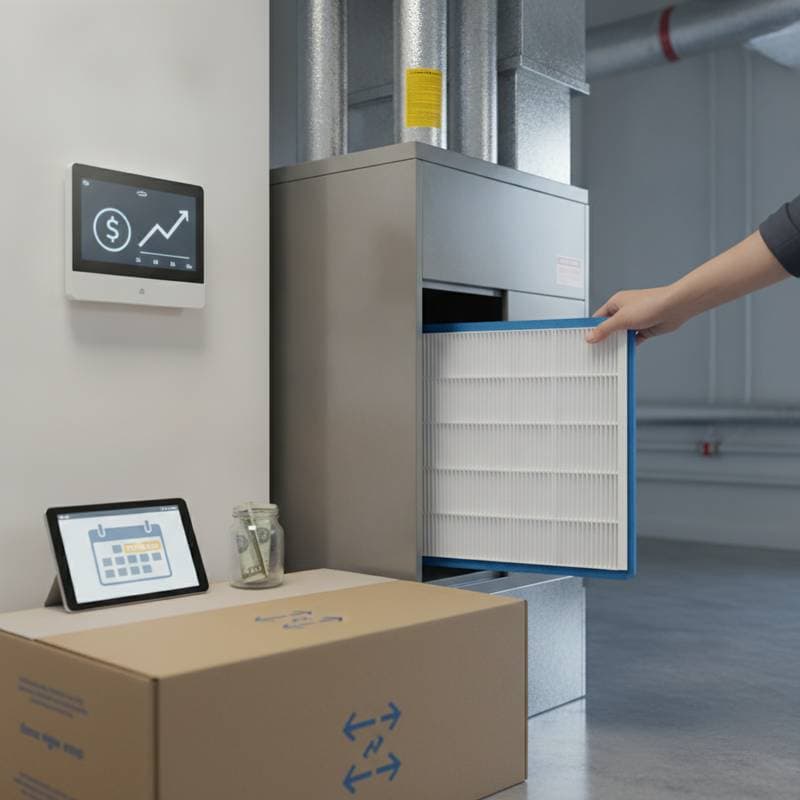
Air filters capture dust, pollen, and debris, protecting internal components from buildup. A clogged filter restricts airflow, forcing the system to labor and potentially overheat the blower motor.
How to Handle Filter Maintenance
- Locate the filter in the return air duct or furnace cabinet.
- Inspect for dirt accumulation; replace if soiled or clean reusable types with mild soap and water.
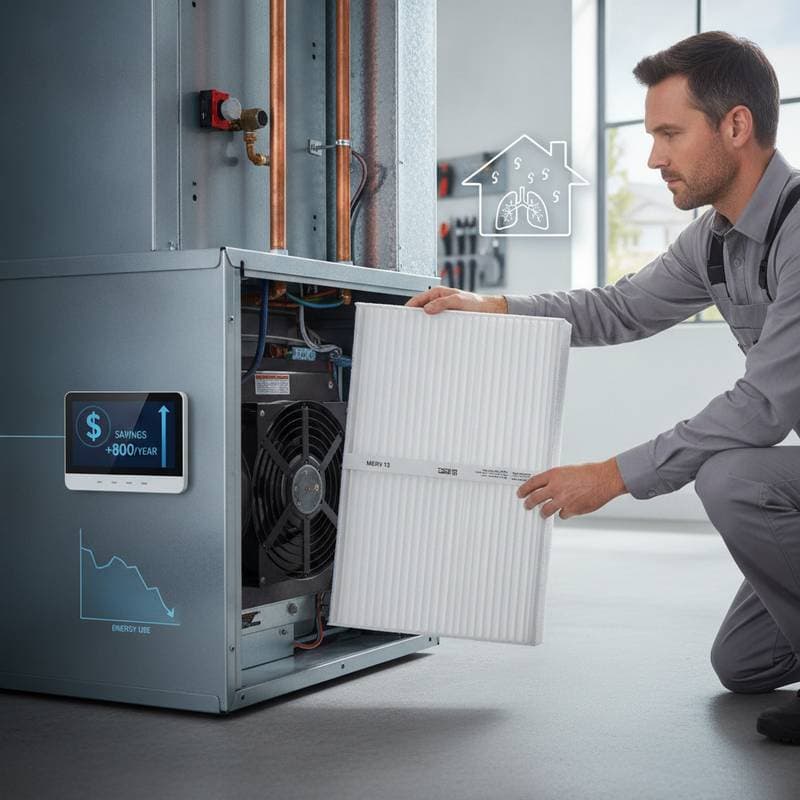
- Install a high-efficiency filter rated MERV 8 to 13 for better particle capture without impeding flow.
Regular filter changes improve air quality and system efficiency, reducing strain on the entire unit.
Step 2: Clear Debris Around the Outdoor Unit
The outdoor condenser unit requires unobstructed airflow to dissipate heat effectively. Accumulated leaves, branches, soil, and debris obstruct the fins, prompting overheating and compressor stress.
Cleaning the Surrounding Area
- Trim vegetation to maintain at least two feet of clearance on all sides.
- Clear leaves, clippings, or nests from the top and sides.
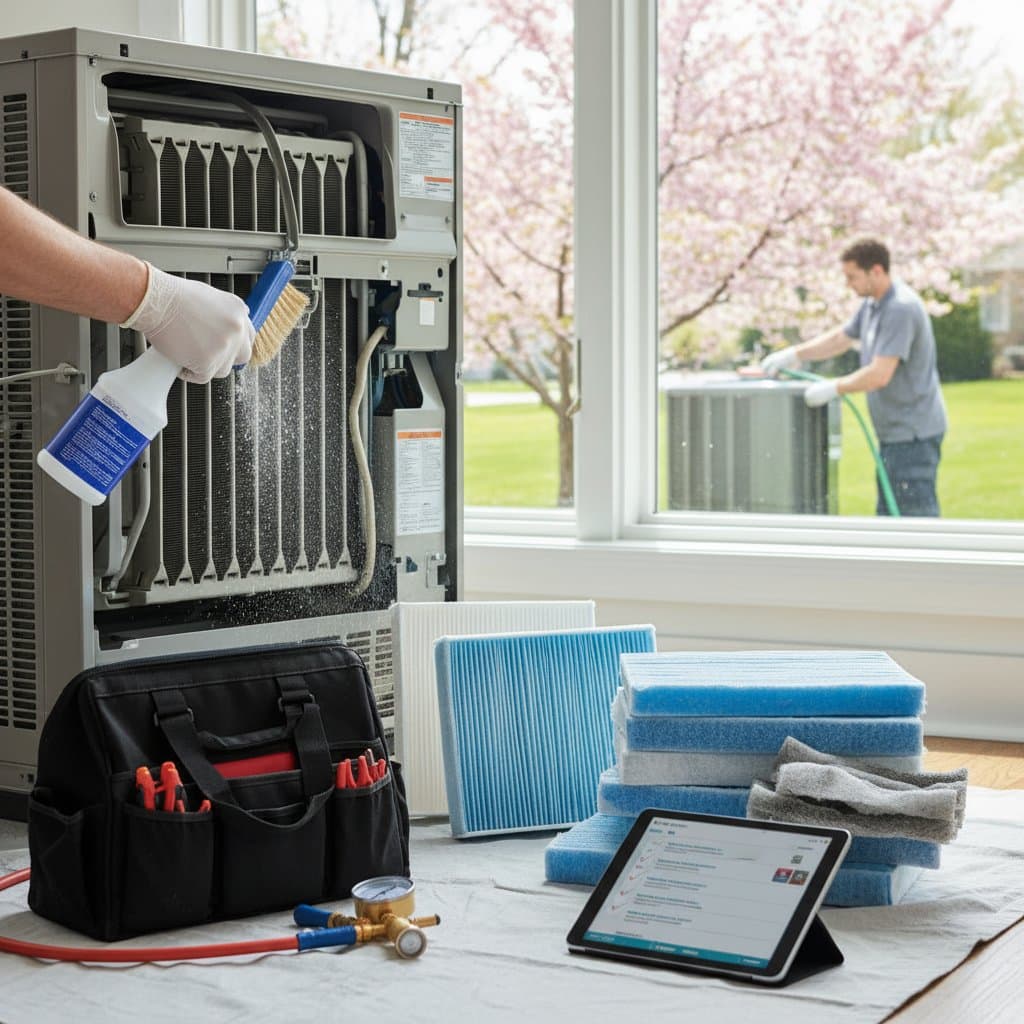
- Rinse coil fins gently with a garden hose, steering clear of pressure washers that might damage delicate structures.
This maintenance preserves air circulation and safeguards the compressor from excessive workload.
Step 3: Clean the Indoor Evaporator Coils
Evaporator coils inside the home absorb heat from indoor air. Dirt and grime on these coils hinder heat transfer, causing the system to cycle longer and lose efficiency.
Cleaning Procedures
- Access the coils through the indoor unit's access panel.
- Vacuum loose debris and apply a coil cleaner solution, allowing it to foam and rinse away residue.
- Straighten any bent fins with a fin comb for optimal airflow.
Clean coils enhance cooling capacity and prevent issues like coil freezing, which can halt operation.
Step 4: Check Refrigerant Levels
Refrigerant circulates to absorb and release heat, enabling the cooling process. Insufficient levels, often from leaks, result in warm air output or system freeze-ups.
Indicators of Low Refrigerant
- Warm air emerges from supply vents.
- The unit operates for extended periods without achieving set temperatures.
- Frost appears on refrigerant lines.
- Hissing or bubbling sounds emanate from the equipment.
Licensed technicians alone manage refrigerant, detecting leaks, performing repairs, and restoring proper charge levels.
Step 5: Inspect and Clean the Condensate Drain
The condensate drain removes moisture collected during cooling. Blockages lead to water backups, triggering safety switches that disable the system.
Drain Line Maintenance
- Locate the drain line exiting the indoor unit.
- Flush the line with a vinegar-water solution to dissolve algae and debris.
- Install a drain pan treatment tablet to inhibit future clogs.
Clear drains ensure uninterrupted operation and prevent water damage to surrounding structures.
Step 6: Test the Thermostat
The thermostat regulates system activation and temperature settings. Inaccurate calibration causes frequent cycling or insufficient runtime, resulting in inconsistent home temperatures.
Calibration and Testing
- Activate cooling mode and adjust the setting several degrees below ambient room temperature.
- Verify the unit starts promptly and delivers cooled air.
- Compare thermostat display with an independent thermometer; significant discrepancies warrant recalibration or replacement.
- Evaluate smart thermostat options for enhanced control and energy-saving features.
A reliable thermostat optimizes runtime and minimizes energy consumption.
Step 7: Schedule a Professional Tune-Up
Professional service uncovers hidden issues beyond basic homeowner tasks. Technicians use specialized tools to assess electrical integrity, measure system pressures, and lubricate components.
Benefits of Expert Inspection
- Comprehensive diagnosis of wear on belts, motors, and capacitors.
- Verification of ductwork integrity and airflow balance.
- Documentation of system performance for warranty purposes.
Annual tune-ups detect problems early, enhancing reliability and efficiency.
Typical Causes of Summer Air Conditioner Failures
Key Contributors
- Dirty filters: Limit airflow, promoting overheating of critical parts.
- Low refrigerant: Leaks overtax the compressor, accelerating wear.
- Clogged drains: Water accumulation activates shutdown mechanisms.
- Electrical faults: Frayed wires or failing capacitors interrupt power supply.
- Fouled coils: Impair heat exchange, reducing overall effectiveness.
Understanding these factors underscores the value of proactive spring preparation.
Frequently Asked Questions on Spring Air Conditioner Care
How frequently should professional maintenance occur?
Annual service in spring prepares the system for peak demand. This schedule maintains cleanliness, efficiency, and readiness for seasonal loads.
What elements does a professional tune-up encompass?
Inspections cover coil cleaning, refrigerant evaluation, electrical testing, airflow measurement, and thermostat adjustment. Additional checks include drain lines and part lubrication.
Is it feasible to perform all maintenance independently?
Homeowners manage filters, debris removal, and vent inspections. Tasks involving refrigerant, electricity, or deep cleaning require certified professionals for safety.
Why does the air conditioner operate without adequate cooling?
Possible culprits include soiled coils, obstructed filters, refrigerant shortages, or thermostat malfunctions. Begin with filter replacement; persist issues demand expert evaluation.
Does maintenance effectively avert breakdowns?
Affirmative. Neglect drives most failures through accumulated dirt and undetected wear. Routine checks identify and resolve concerns before they escalate.
Is covering the outdoor unit advisable in winter?
A partial cover over the top deters debris entry. Complete enclosure risks moisture retention, fostering rust and material degradation.
How much time does a standard tune-up require?
Sessions last one to two hours, varying by unit complexity and state. This investment yields marked improvements in dependability and operation.
Implement These Steps for Summer Reliability
Spring preparation fortifies the air conditioner against summer rigors, securing comfort and cost savings. Completing these seven steps equips the system for efficient performance and diminished breakdown risks.
For identified concerns or comprehensive service, engage a qualified HVAC specialist. Obtaining estimates from trusted providers guarantees quality work at reasonable rates.