Smart Filters: Detecting and Preventing HVAC Clogs Before They Form
Homeowners often encounter issues from clogged air filters, such as diminished airflow, inconsistent temperatures, and increased energy expenses. These problems signal strain on the HVAC system. Predictive filters introduce advanced technology to identify issues early, enabling proactive management of indoor air quality and maintenance to sidestep expensive fixes and sustain reliable comfort. This overview explains the functionality of predictive filters and their role in modern home HVAC management.
Understanding Predictive Filters
Predictive filters represent advanced air filters integrated with sensors and linked to home Wi-Fi or HVAC monitoring setups. In contrast to conventional filters that depend on periodic manual checks, these models provide ongoing surveillance of performance and air quality metrics.
Key measurements include:
- Airflow velocity
- Accumulation of airborne particles
- Pressure differences across the filter media
- Variations in humidity and temperature
Algorithms process this data to forecast clog formation and issue notifications prior to significant impacts. Certain units interface directly with smartphones or smart thermostats, delivering instant updates on system status.
Benefits of Predictive Filters for Homeowners
Beyond restricting airflow, a clogged filter burdens the HVAC motor, diminishes efficiency, and compromises air quality. Such conditions elevate operating costs and accelerate wear. Predictive filters deliver real-time insights to mitigate these risks.
Optimal system operation yields:
- Reduced monthly utility charges
- Superior indoor air purity
- Prolonged service life for HVAC components
- Uniform heating and cooling distribution
These filters remove uncertainty from upkeep routines. The system specifies precise intervention timing rather than relying on estimates.
Mechanics of Predictive Filters
Predictive filters operate through data-centric maintenance protocols. Embedded sensors gauge airflow resistance and particulate deposition. Algorithms evaluate this against established baselines from your home's usage patterns. Detection of anomalies, like declining airflow or rising particle levels, triggers projections of filter capacity limits.
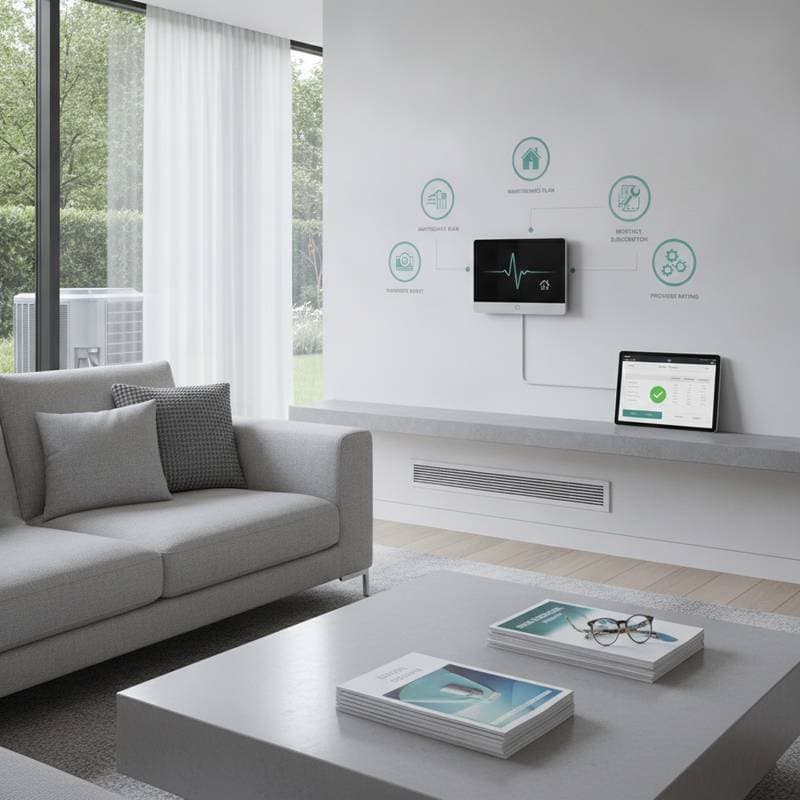
Integration with mobile applications or smart home ecosystems facilitates notifications for replacements or cleanings. Select systems connect with service networks, permitting remote oversight by technicians and preemptive service arrangements to forestall disruptions.
Operational Sequence
- Ongoing Surveillance – Sensors record air velocity, temperature fluctuations, and particle concentrations.
- Analytical Processing – Algorithms juxtapose live data with archived norms.
- Forecast Generation – Projections identify impending clog risks.
- Alert Delivery – Notifications arrive via app or connected device.
- Service Coordination – Compatible setups initiate professional assistance as required.
This methodology ensures seamless HVAC function and diminishes unexpected interruptions.
Indicators for Upgrading to Predictive Filters
Although existing filters may suffice, transitioning to predictive versions offers tangible advantages. Evaluate an upgrade if observations include:
- Recurrent clogging necessitating frequent changes
- Disparities in airflow across rooms
- Visible dust accumulation around outlets
- Escalating energy costs amid routine care
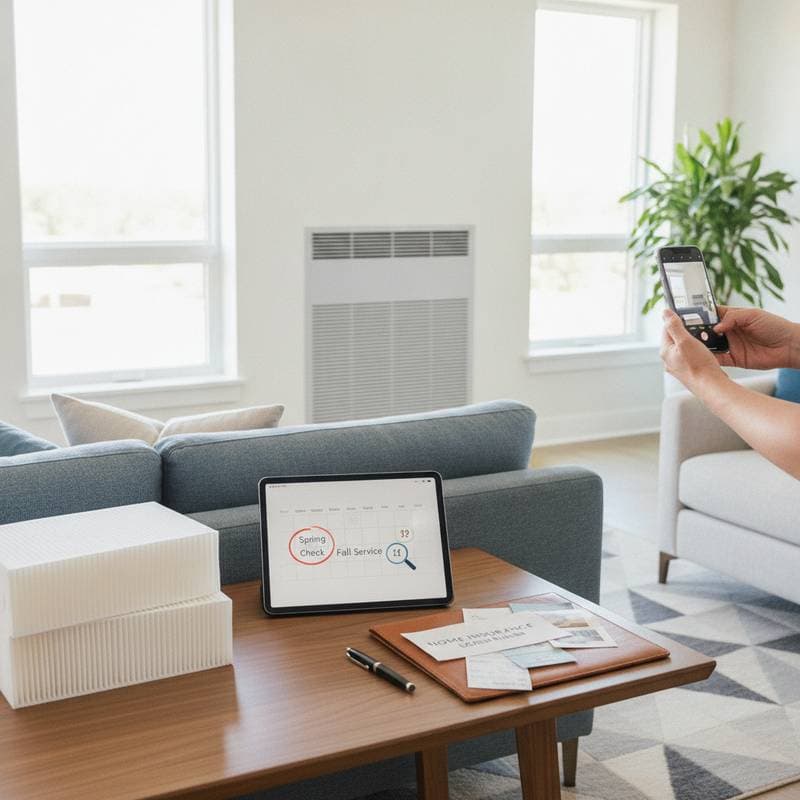
- Challenges in tracking replacement intervals
Predictive filters resolve these concerns, fostering assurance and enhanced air cleanliness.
Elements Influencing Predictive Filter Pricing
Costs for predictive filters fluctuate according to dimensions, capabilities, and system compatibility. Principal determinants encompass:
- Media Type and Dimensions – Systems with larger footprints demand correspondingly sized filters at higher prices.
- Sensor Capabilities – Units featuring sensors for humidity, particle granularity, and pressure command premiums.
- Integration Options – Wi-Fi, app, or thermostat connectivity enhances usability yet increases expense.
- Manufacturer Reputation – Reputable brands provide superior precision and extended guarantees.
- Ongoing Services – Monitoring subscriptions deliver sustained analytics and reminders, often at additional cost.
Homeowners typically recoup investments via energy savings and averted repairs. Verify compatibility with your HVAC configuration and smart devices prior to acquisition.
Comparing Predictive and Traditional Filters
Conventional filters necessitate manual evaluations or preset schedules for replacement. Predictive variants leverage live data for precise timing.
| Feature | Traditional Filter | Predictive Filter |
|---|---|---|
| Monitoring | Manual checks | Automated sensing |
| Replacement Trigger | Calendar-based | Data-informed |
| Efficiency Levels | Inconsistent | Consistently high |
| Notification Method | Absent | Digital alerts |
| Long-Term Expenses | Elevated | Diminished via prevention |
Predictive filters curb energy waste and bolster HVAC longevity. They also eliminate oversight risks that precipitate severe inefficiencies.
Handling Maintenance: DIY or Professional?
Most air filter installations and swaps qualify as straightforward DIY endeavors, yet predictive models incorporate electronics that may demand expert configuration. Distinctions follow.
DIY-Friendly Activities
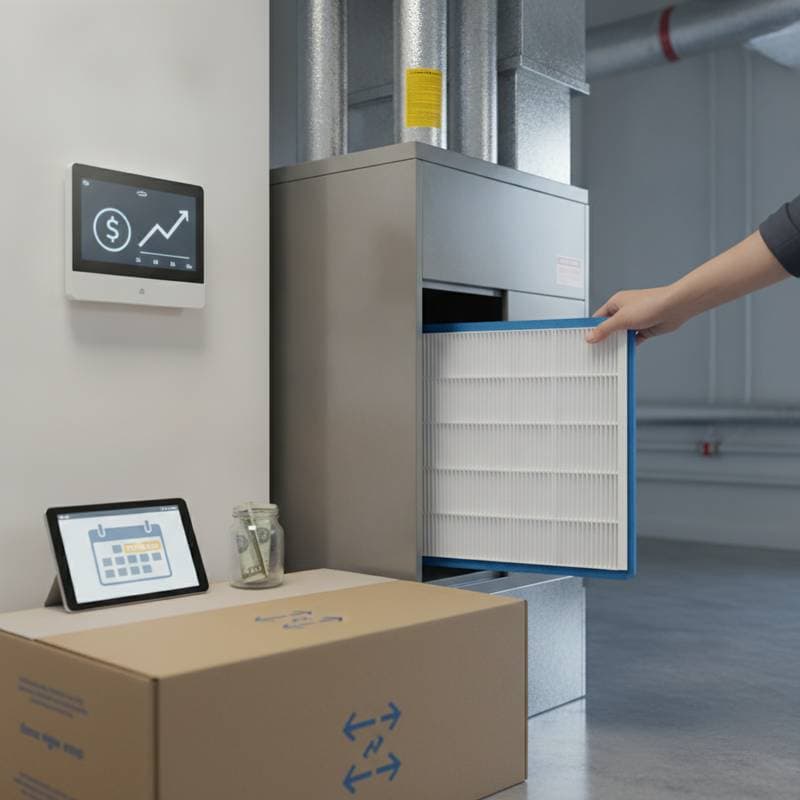
- Swapping out depleted predictive filters
- Reviewing app notifications and firmware updates
- Routine cleaning of vents and grilles
Professional Interventions
- Linking filters to thermostats or HVAC controls
- Resolving network connectivity problems
- Analyzing intricate metrics or irregularities
- Any tasks involving electrical wiring, refrigerants, or core HVAC elements
Expert installation calibrates sensors for precision, enhancing overall system dependability.
Advantages of Predictive Maintenance in HVAC
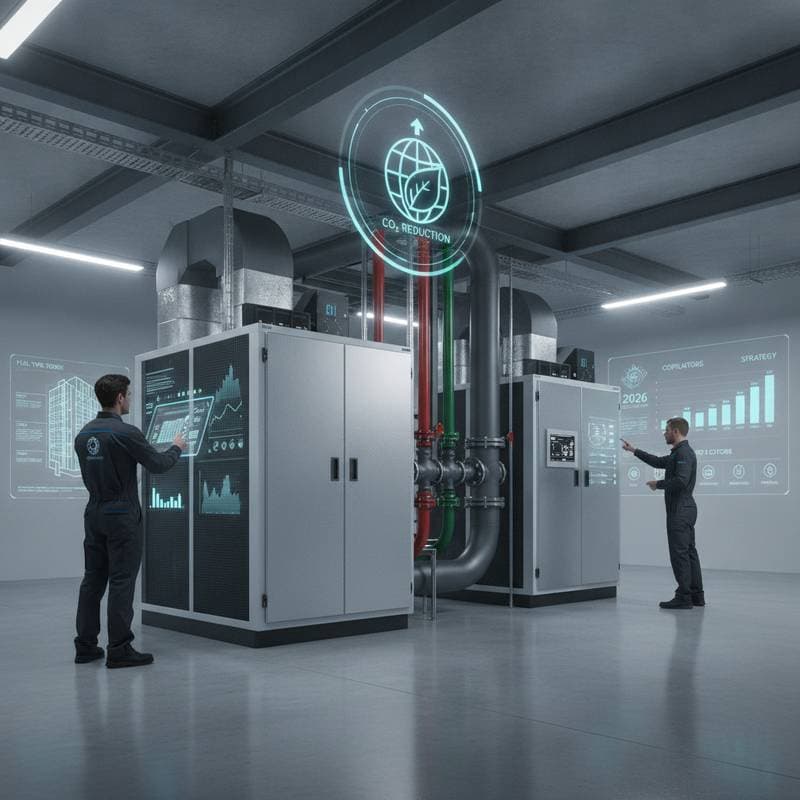
Predictive filters form a component of expansive predictive maintenance strategies in HVAC. This approach utilizes Internet of Things devices to oversee operations and preempt failures through vigilant monitoring.
Frequently Asked Questions
How do predictive filters determine alert timing?
Predictive filters assess airflow, pressure gradients, and particulate accumulation. Upon identifying shifts suggestive of emerging clogs, the system dispatches alerts via app or thermostat to prompt filter replacement or cleaning.
Are predictive filters suitable for every HVAC setup?
These filters accommodate standard HVAC configurations, though compatibility hinges on specific brands and models. Consult manufacturer details or an HVAC specialist for verification before selection.
Do predictive filters necessitate Wi-Fi access?
Most models depend on Wi-Fi for data transmission and remote alerts. Absent connectivity, basic filtration persists, but advanced monitoring and notifications become unavailable.
What is the typical duration of predictive filters?
Longevity varies with ambient air quality, system utilization, and filter specifications. Predictive features optimize replacement timing, ensuring efficiency without premature discards.
Can predictive filters contribute to energy savings?
Affirmative. Maintenance of ideal airflow prevents excessive system strain, thereby curtailing power usage, trimming bills, and preserving equipment integrity.
Integrating Predictive Filters into Your HVAC Routine
To advance your home's air management, engage a certified HVAC technician for guidance. They assist in selecting compatible predictive filters and overseeing installation for peak efficacy.