15-Minute Maintenance Routines to Double HVAC Filter Lifespan
HVAC filters perform essential work by capturing dust, pet hair, and other airborne particles to maintain clean indoor air and efficient system operation. Clogged filters increase energy consumption and strain the equipment, leading to higher costs and potential breakdowns. Simple monthly maintenance routines, requiring only 15 minutes, can extend filter life by up to double, reduce replacement frequency, and enhance overall home comfort.
Benefits of Prolonging HVAC Filter Life
Clean filters safeguard the HVAC system against debris accumulation, which preserves component integrity and optimizes energy use. They also elevate indoor air quality by effectively removing contaminants, reducing allergens and irritants. Regular upkeep prevents airflow restrictions that cause the system to overwork, thereby lowering utility bills and extending equipment longevity.
Understanding HVAC Filters
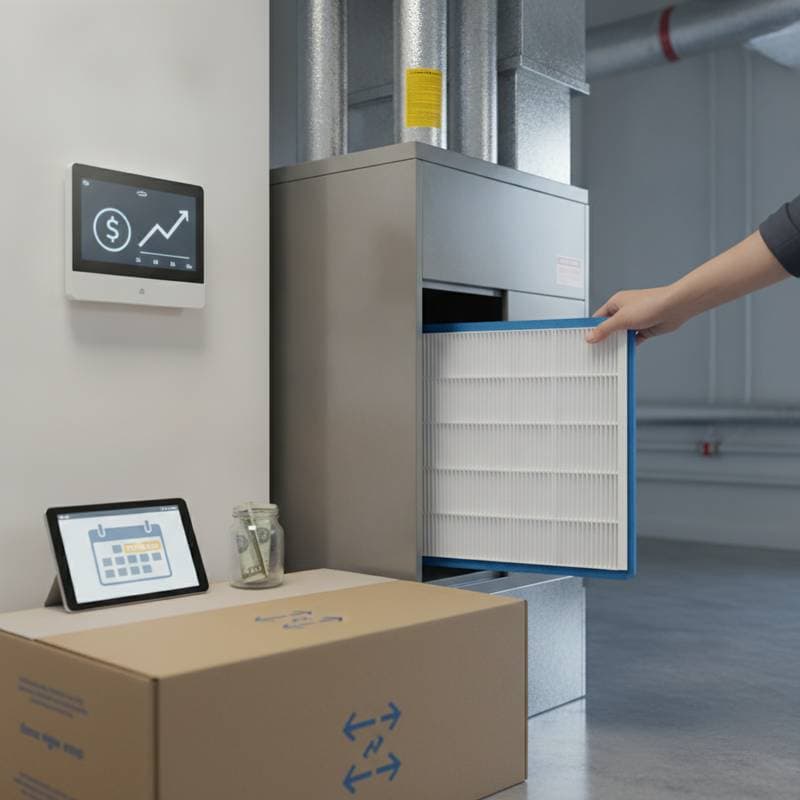
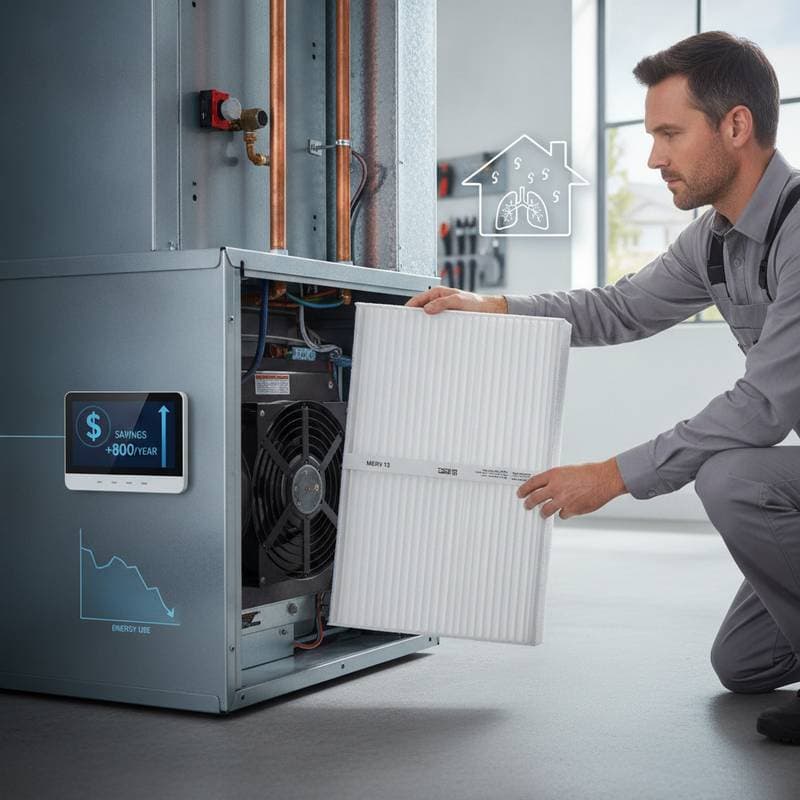
An HVAC filter consists of a thin, rectangular barrier installed in the return air duct or blower housing. It captures particles as air passes through before distribution throughout the home. Common materials include fiberglass for basic filtration, pleated paper for improved capture, and washable mesh for reusability. The MERV rating indicates filtration efficiency; higher ratings trap smaller particles but may require more frequent attention to avoid rapid clogging.
Practical 15-Minute Maintenance Routines
These routines demand no specialized tools or expertise, fitting easily into a busy schedule. Implement them monthly to minimize debris load on the filter and promote sustained performance.
1. Vacuum the Filter Surface
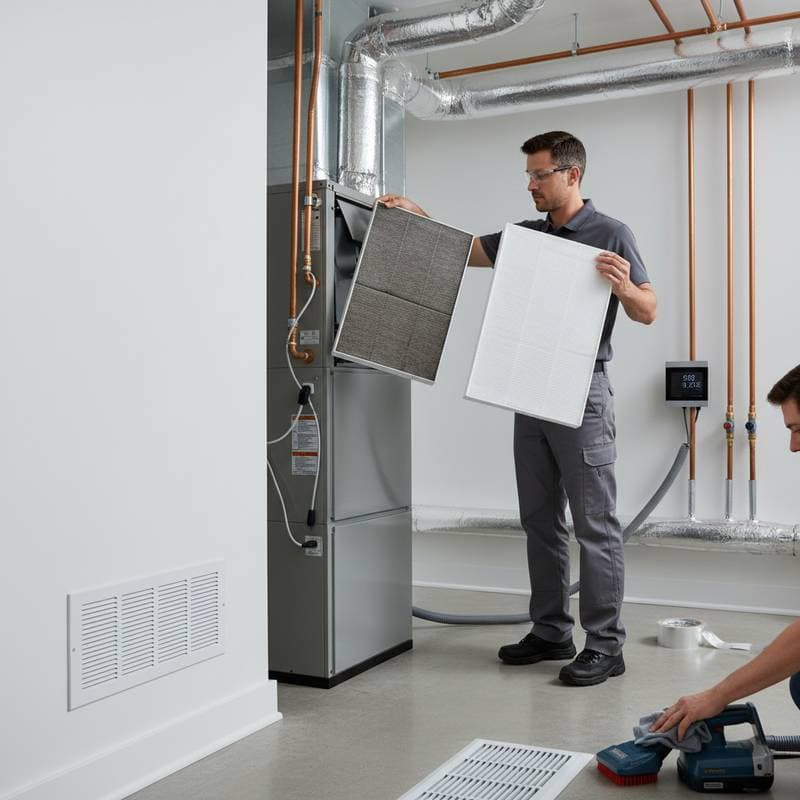
For reusable filters, employ a handheld vacuum equipped with a soft brush attachment to dislodge surface dust without damaging the material. Even with disposable filters, vacuum the adjacent intake grille to limit incoming particles. This practice enhances airflow and delays saturation.
2. Clean Vent Covers Thoroughly
Dust and pet hair accumulate on supply and return vent covers, contributing to filter contamination. Wipe these surfaces with a damp microfiber cloth to capture loose particles before they enter the system. Perform this task after vacuuming floors for comprehensive results.
3. Maintain Clean Floors and Carpets
Regular vacuuming of floors and carpets, particularly around return vents, reduces circulating dust. Focus on high-traffic areas to prevent particle lift-off during system operation. Consistent cleaning directly correlates with slower filter clogging.
4. Optimize Thermostat Fan Operation
Continuous fan settings expose the filter to constant airflow, accelerating particle collection. Set the fan to auto mode, activating only during heating or cooling cycles. This adjustment can halve the rate of filter loading in moderate-use homes.
5. Seal Gaps Around Vents and Ducts
Inspect vents and ducts for gaps that draw in external contaminants like attic dust. Apply HVAC-specific foil tape to secure loose connections and prevent infiltration. Sealed systems maintain cleaner air paths and protect filter efficiency.
6. Upgrade Weather Stripping on Windows and Doors
Worn seals around windows and doors permit outdoor pollen and dust entry. Inspect and replace deteriorated stripping with durable, weather-resistant materials. This barrier reduces the volume of external particles reaching the HVAC filter.
7. Manage Indoor Humidity
Excess humidity fosters mold growth and adhesive dust on filters. Integrate a dehumidifier in damp areas or adjust the HVAC humidity control to 30-50 percent. Balanced moisture levels minimize particle adhesion and extend filter usability.
8. Clear Space Around Return Vents
Position furniture, rugs, or drapes away from primary return vents to avoid dust traps and airflow obstruction. Maintain at least 12 inches of clearance for optimal circulation. An unobstructed zone supports even filter loading.
9. Deploy Portable Air Purifiers Strategically
Place HEPA air purifiers in pet-heavy or high-dust rooms to intercept particles pre-filter. Select units with activated carbon for odor control in addition to particulate capture. Supplementary purification eases the burden on the central system.
10. Conduct Routine Filter Inspections
Examine the filter monthly by holding it against a light source; blocked light indicates replacement or cleaning. Note any discoloration or odor as early warning signs. Proactive monitoring averts performance dips and system stress.
Influences on HVAC Filter Durability
Home environment plays a pivotal role in filter longevity. Larger residences process greater air volumes, hastening debris accumulation. Increased occupancy introduces more skin cells, hair, and fabrics shedding. External factors, such as proximity to roads or construction sites, elevate particle influx. Frequent system runtime and high-efficiency filter selections also impact replacement intervals.
Handling Filter Maintenance: DIY Approaches and Professional Interventions
Safe DIY Practices
- Inspect and swap filters as needed, following manufacturer guidelines.
- Vacuum vent surrounds and duct exteriors to curb dust entry.
- Ensure return vent proximity remains free of clutter.
Indicators for Professional Assistance
Seek expert help if airflow diminishes post-filter change, suggesting duct issues. Visible mold or heavy soiling in ducts warrants thorough cleaning. Sudden energy cost spikes may signal underlying system inefficiencies requiring diagnosis.
Common Queries on HVAC Filter Management
How frequently must HVAC filters be replaced?
Disposable filters typically last one to three months, varying by household size, occupancy, and local air quality. Reusable filters demand monthly rinsing and complete drying prior to reinstallation. Track usage patterns to refine this schedule.
Is cleaning possible for disposable filters?
Disposable varieties resist cleaning; water or vacuuming compromises their structure and filtration capacity. Reserve cleaning for designated washable models only. Adhering to this prevents diminished air quality.
Do clogged filters harm HVAC systems?
Clogged filters impede airflow, overheating the blower motor and eroding efficiency. Prolonged restriction accelerates wear on coils and compressors, escalating repair expenses. Timely maintenance mitigates these risks.
Which filter type promotes extended life?
Pleated filters with MERV ratings of 8-13 offer a strong compromise between particle capture and airflow preservation. They endure longer than ultra-high MERV options while delivering robust protection. Consult system specifications for compatibility.
Can the HVAC system operate briefly without a filter?
Minimize filterless operation to avoid debris infiltration into sensitive internals, which invites corrosion and inefficiency. Install a temporary filter promptly if needed. Prioritize continuous protection for system health.
Sustaining Optimal Filter Performance Year-Round
Integrate these routines into seasonal checklists to ensure consistent filter health. Monitor energy trends and air quality as indicators of effectiveness. Long-term adherence yields cleaner air, reduced costs, and reliable HVAC operation, enhancing home well-being.