Unlock $800 in Annual Savings Through Simple HVAC Filter Maintenance
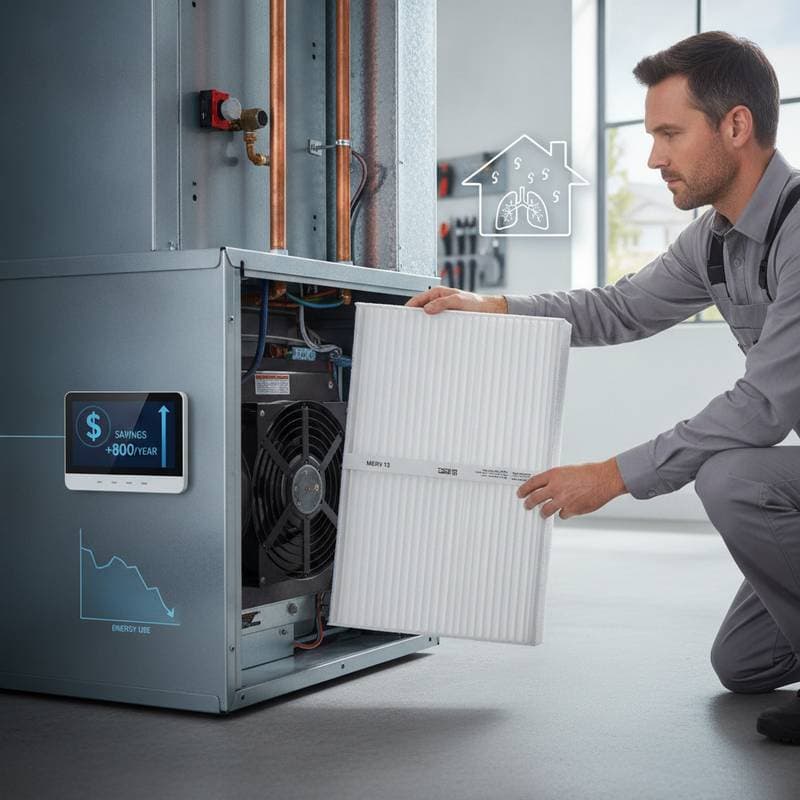
Homeowners can achieve substantial savings by performing HVAC filter changes independently. This routine task enhances energy efficiency, averts costly repairs, and maintains superior indoor air quality. The following guide details how brief maintenance sessions yield significant financial and operational benefits for typical households.
| Item | Estimated Value |
|---|---|
| Average Annual Savings | Up to $800 |
| Typical Filter Cost | $10 - $40 each |
| Recommended Change Frequency | Every 1 to 3 months |
| Potential Energy Efficiency Improvement | 5% - 15% |
| Time Required | About 5 minutes per change |
Mechanisms Behind Substantial Savings from Filter Maintenance
A dirty air filter impedes airflow within the HVAC system, compelling the blower motor to exert additional effort against accumulated dust and debris. This increased workload elevates energy consumption and accelerates component wear. Regular filter replacement facilitates smoother operation, optimizes power usage, and preserves system longevity.
Efficiency gains from clean filters typically range from 5 to 15 percent. For households reliant on heating and cooling throughout the year, these reductions compound into meaningful utility bill decreases. When factoring in diminished repair frequency and extended equipment durability, aggregate annual savings often reach $800.
Breakdown of Filter Replacement Expenses
Filter changes represent a low-cost maintenance activity compared to professional interventions. Premium options remain economical relative to service fees. The table below outlines common filter varieties, their costs, and projected yearly expenditures for self-managed upkeep.
| Filter Type | Average Cost per Filter | Lifespan | Estimated Yearly Cost (DIY) |
|---|---|---|---|
| Standard Fiberglass | $10 | 1 month | $40 - $60 |
| Pleated Disposable | $15 - $25 | 1 - 3 months | $60 - $100 |
| Washable / Reusable | $40 - $80 | Several years | $10 - $20 (cleaning supplies) |
| HEPA or High-Efficiency | $30 - $50 | 2 - 3 months | $120 - $200 |
Professional filter replacement services frequently exceed $100 per instance. Self-performed changes limit expenses to the filter price and minimal time investment.
Variables Influencing Savings from Filter Upkeep
Multiple elements determine the extent of financial benefits derived from diligent filter maintenance. Awareness of these factors enables optimized outcomes.
System Efficiency Ratings
Advanced HVAC units prioritize balanced airflow for peak performance. Clogged filters disrupt this balance, undermining ratings such as SEER2 for cooling or AFUE for heating. Consistent filter care upholds these standards, ensuring rated efficiency translates to real-world savings.
Filtration Standards and Selection
The MERV rating quantifies a filter's particle-capturing capability. Ratings from 8 to 13 suit most residences, balancing contaminant removal with airflow preservation. Elevated ratings enhance air purity yet demand more frequent replacements to prevent restriction.
Environmental Conditions in the Home
Presence of pets, allergy sufferers, or dusty locales accelerates filter saturation. Increased occupancy or cooking activities introduce additional particulates. Tailor replacement intervals to these conditions for sustained efficiency.
Operational Demands on the System
Extended seasonal usage intensifies filter loading. Systems in climates with prolonged heating or cooling periods accumulate debris rapidly. Proactive monitoring sustains performance and cost reductions.
Overview of HVAC Filter Options and Trade-Offs
Filter selections vary by performance, durability, and upkeep requirements. Alignment with household needs ensures effective filtration without compromising system function.
-
Fiberglass Filters
-
Pros: Low cost, straightforward installation
-
Cons: Limited particle capture, requires monthly replacement
-
Pleated Filters
-
Pros: Enhanced filtration, accessible pricing, maintains airflow
-
Cons: Moderate expense, potential restriction if overdue for change
-
HEPA Filters
-
Pros: Superior removal of allergens and fine particles
-
Cons: Possible system adjustments needed, elevated cost, short lifespan
-
Washable Filters
-
Pros: Durable, environmentally conscious, extended use
-
Cons: Demands meticulous cleaning, suboptimal for ultrafine dust
Proper matching of filter type to system specifications and resident preferences maximizes both savings and air quality.
Indicators Requiring Immediate Filter Inspection
Subtle performance declines often precede obvious dirt accumulation. Prompt recognition of these cues prevents energy loss and equipment strain.
- Elevated utility expenses despite stable usage patterns
- Diminished air output from supply vents
- Inconsistent temperatures between rooms
- Heightened dust accumulation on household surfaces
- Prolonged runtime for the HVAC unit
- Unusual noises like whistling from return vents
- Persistent musty scents indoors
Immediate filter assessment upon observing these symptoms typically restores normal operation swiftly.
Step-by-Step Guide to Self-Performed Filter Replacement
This procedure demands no specialized equipment or expertise. Adherence to the sequence ensures safety and efficacy.
1. Power Down the HVAC Unit
Deactivate the system to halt airflow and minimize dust dispersal during filter removal.
2. Identify the Filter Housing
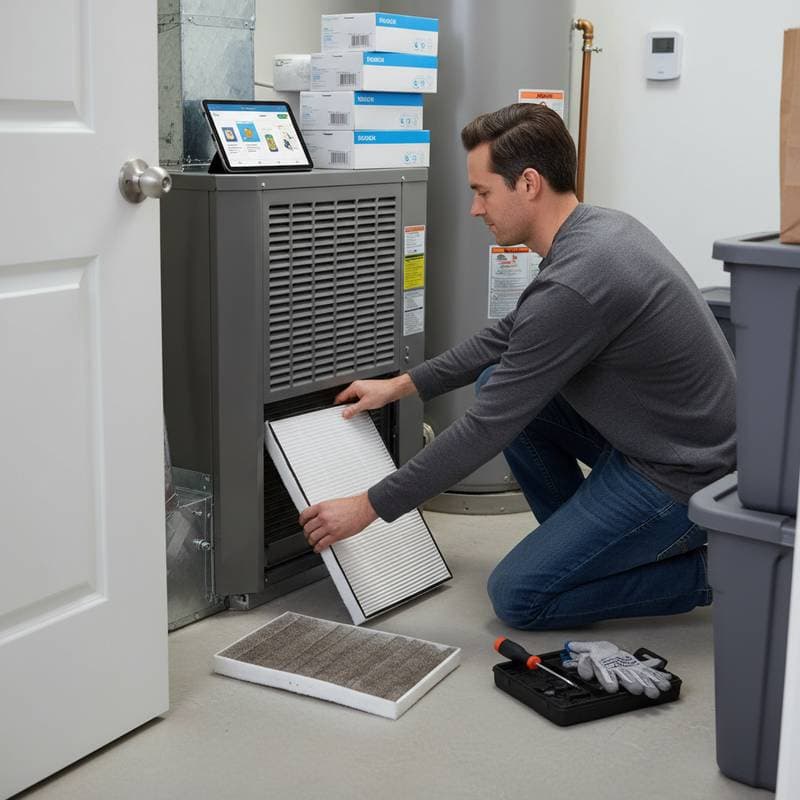
Locate the slot behind the return grille, within the furnace enclosure, or in the air handler assembly. Consult the equipment manual for confirmation if necessary.
3. Extract the Existing Filter
Gently withdraw the filter, minimizing disturbance to lodged particles. Observe and record the airflow direction indicated by the frame arrow.
4. Clean the Surrounding Space
Wipe the compartment with a moist cloth or employ a vacuum to clear residual debris prior to new filter placement.
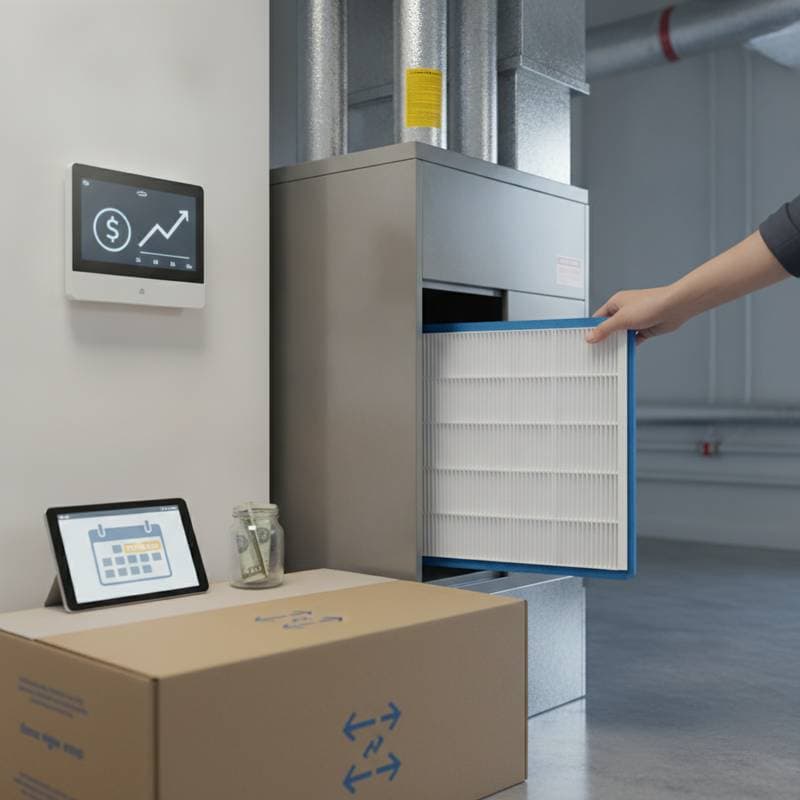
5. Install the Replacement Filter
Position the new filter so the airflow arrow corresponds to system direction. Reattach the access panel securely.
6. Reactivate the System
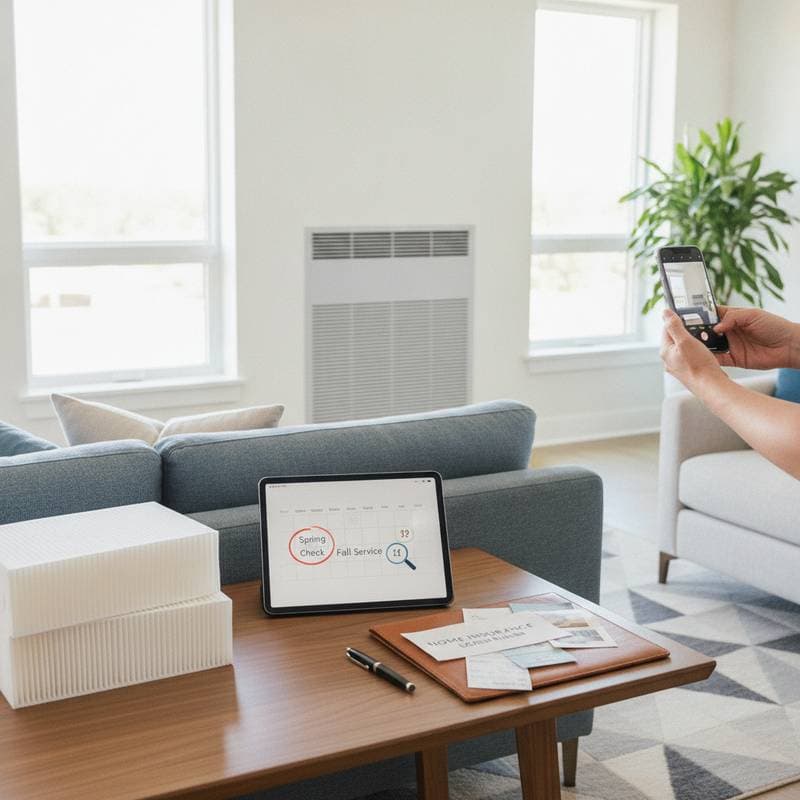
Restore power and verify adequate airflow. Document the installation date or program a calendar alert for future maintenance.
Completion of these steps generally requires under five minutes, accommodating repeated execution as environmental factors dictate.
Cost Reductions from Bypassing Professional Services
While expert HVAC servicing provides comprehensive diagnostics, filter tasks suit independent handling. This approach curtails expenditures on routine visits.
| Service | Typical Professional Cost | DIY Cost | Potential Savings |
|---|---|---|---|
| Filter Replacement Only | $100 - $150 per visit | $10 - $40 | $60 - $120 per visit |
| Annual Tune-Up Including Filter | $150 - $250 | $10 - $40 (filter only) | $100 - $200 annually |
| Emergency Service Call | $200+ | $0 | Avoided entirely with proper filter care |
Extended Advantages of Consistent Filter Maintenance
- Improved Air Purity: Filters out dust, pollen, dander, and irritants effectively.
- Enhanced Durability: Minimizes stress on blowers and motors through optimal airflow.
- Uniform Comfort Levels: Supports even distribution of conditioned air.
- Reduced Noise Levels: Eliminates strain-induced operational sounds.
- Sustainability Gains: Lowers overall energy draw, easing grid demands.
Common Queries on Independent Filter Management
What is the ideal replacement interval for HVAC filters?
Changes every one to three months serve most households well. Monthly inspections prove beneficial in homes with pets, allergies, or elevated dust. Reusable variants require equivalent cleaning frequency to preserve airflow.
What consequences arise from overlooked filter maintenance?
Airflow restriction heightens energy demands and risks component failure. Prolonged neglect may necessitate repairs or full system overhaul. Adhering to schedules mitigates these risks comprehensively.
Do premium filters justify their higher price?
Advanced filters excel in particle retention and air quality enhancement, provided timely replacement occurs. A standard pleated filter maintained diligently often outperforms an neglected high-end alternative.
Is cleaning disposable filters viable for reuse?
Such filters lack reusability; cleaning compromises their structure and efficacy. Reserve washing for designated reusable models only.
How does filter maintenance impact energy costs?
Clean filters promote efficient operation, potentially cutting consumption by 15 percent. Savings scale with system capacity and runtime, often totaling hundreds annually.
How to determine the appropriate filter dimensions?
Measurements appear on the existing filter edge or in the unit manual. Precise sizing prevents leaks and ensures thorough filtration.
Does self-managed filter care substitute for expert servicing?
It supplements but does not supplant professional evaluations. Yearly professional checks address refrigerants, wiring, and holistic function, with filter duties filling interim needs.
Implement Your Maintenance Routine Today
Establish a filter change calendar aligned with your home's specific conditions. Track initial savings through bill comparisons to reinforce the habit. This proactive step secures long-term efficiency and comfort without added complexity.