Regular HVAC Filter Changes Reduce Repairs by 62 Percent
Replacing HVAC filters on a consistent schedule reduces repair costs by up to 62 percent. Clean filters maintain efficient operation, lessen wear on essential components, and preserve healthy indoor air quality. Modern subscription services for DIY filters simplify this routine, making it straightforward to prevent costly system failures.
| Benefit | Average Savings or Impact |
|---|---|
| Reduced Repair Costs | Up to 62 percent |
| Improved Energy Efficiency | 10 to 15 percent lower bills |
| Longer System Lifespan | 5 to 10 additional years |
| Better Indoor Air Quality | 30 percent fewer airborne particles |
The Importance of Filter Maintenance
HVAC air filters serve as the primary barrier against dust, debris, and allergens entering the system. Clogged filters restrict airflow, forcing the unit to operate under increased pressure. This extra effort accelerates wear on motors, fans, and compressors, leading to premature breakdowns and higher energy use.
Regular maintenance ensures optimal performance and comfort. Systems with clean filters distribute air evenly, reducing hot or cold spots in the home. Over time, this practice enhances reliability and supports a healthier living environment by minimizing irritants in the air.
How Regular Filter Changes Prevent HVAC Repairs
Dirt accumulation in filters causes overheating and strains system components, often resulting in failures like seized blowers or damaged coils. Changing filters every one to three months, depending on usage and air quality, sustains proper airflow and internal pressure. These conditions allow the HVAC unit to function without undue stress.
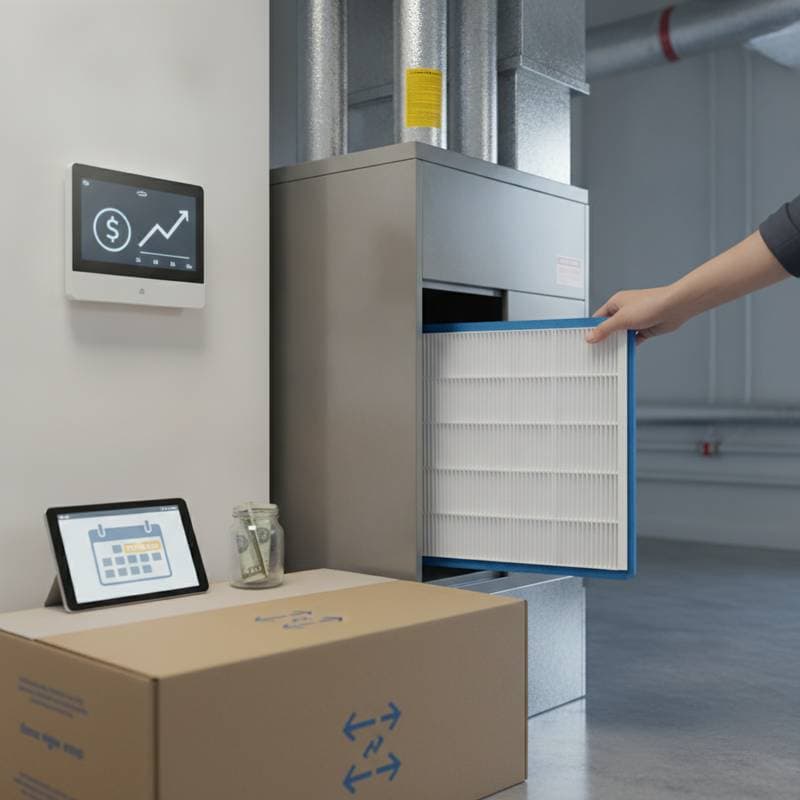
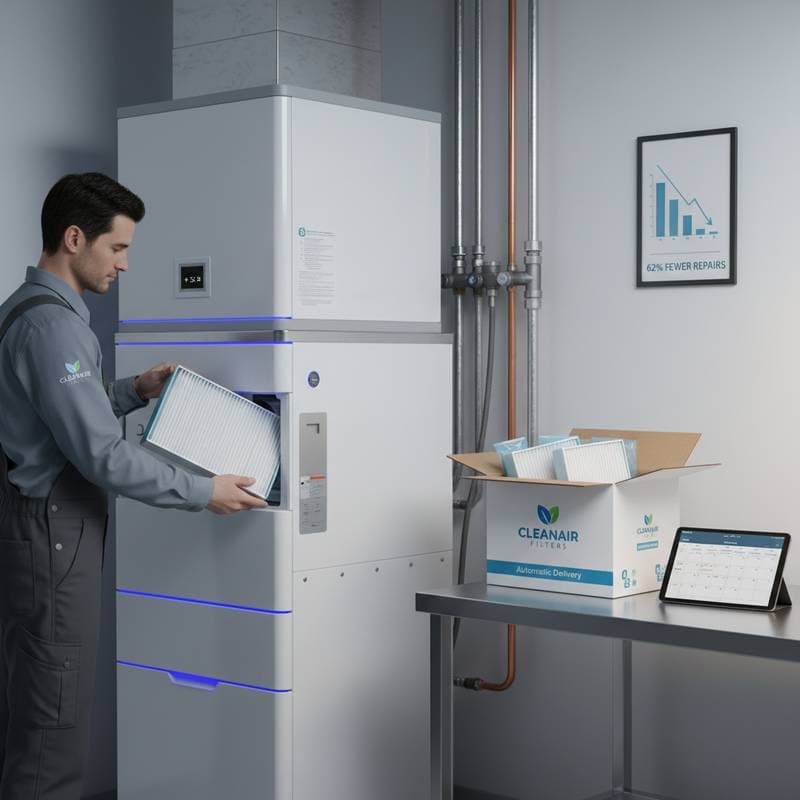
Subscription services for DIY filters deliver replacements directly to homeowners at predetermined intervals. Users provide initial measurements once, and subsequent orders match exact specifications. This approach fosters adherence to schedules, directly contributing to the observed 62 percent drop in repair incidents.
Advantages of DIY Filter Subscription Services
Reliable Scheduling
Automatic shipments align with recommended replacement cycles, such as monthly for high-pollen areas or quarterly for standard homes. Homeowners receive notifications, ensuring timely swaps without manual tracking.
Precise Sizing and Compatibility
Services retain details like filter dimensions and MERV ratings from the initial order. Each delivery includes filters tailored to the specific HVAC model, avoiding mismatches that could impair performance.
Cost-Effective Long-Term Strategy
Subscription fees typically range from a few dollars per filter, far below the expense of major repairs like a compressor replacement, which can exceed one thousand dollars. Bulk purchasing through subscriptions often includes discounts, amplifying savings.
Enhanced Air Purification
Fresh filters with higher efficiency ratings capture finer particles, including mold spores and volatile compounds. Residents experience fewer respiratory issues and reduced cleaning needs, as less dust circulates through the home.
Indicators That Filters Require Immediate Replacement
Energy bills may rise unexpectedly due to the system's compensatory efforts. Visible dust layers on surfaces near vents signal inadequate filtration. Reduced airflow from outlets indicates blockages within the filter.
Unpleasant odors, such as mustiness, suggest trapped moisture and contaminants. Increased allergy flare-ups among household members point to elevated pollutant levels. Addressing these promptly averts escalation to full system malfunctions.
Step-by-Step Guide to Changing HVAC Filters
- Power down the HVAC system at the thermostat and breaker to ensure safety during the process.
- Access the filter slot, typically found in the return air grille, furnace cabinet, or near the air handler unit.
- Slide out the existing filter and examine its condition; a darkened or clogged appearance confirms the need for replacement.
- Position the new filter with airflow direction arrows pointing toward the blower, securing it firmly in place.
- Restore power and monitor the system for improved air movement over the next few hours.
This procedure demands minimal tools and completes in under five minutes. Performing it routinely safeguards against inefficiencies and extends equipment durability.
Sustaining Optimal HVAC Performance Throughout the Year
Integrate filter changes with annual professional servicing to address issues like refrigerant levels or duct leaks. Monitor environmental factors, such as pet hair or construction dust, which may necessitate more frequent replacements. Document each change to track patterns and refine maintenance timing.
Subscription services eliminate guesswork, delivering peace of mind alongside cleaner air. Homeowners who adopt this habit report fewer service calls and noticeable improvements in comfort. Invest in consistent care today to secure reliable operation and substantial savings for the long term.