Unlock Hassle-Free HVAC Maintenance with Predictive Filter Auto-Orders
Understanding Predictive Filter Auto-Ordering and Its Role in Simplifying Maintenance
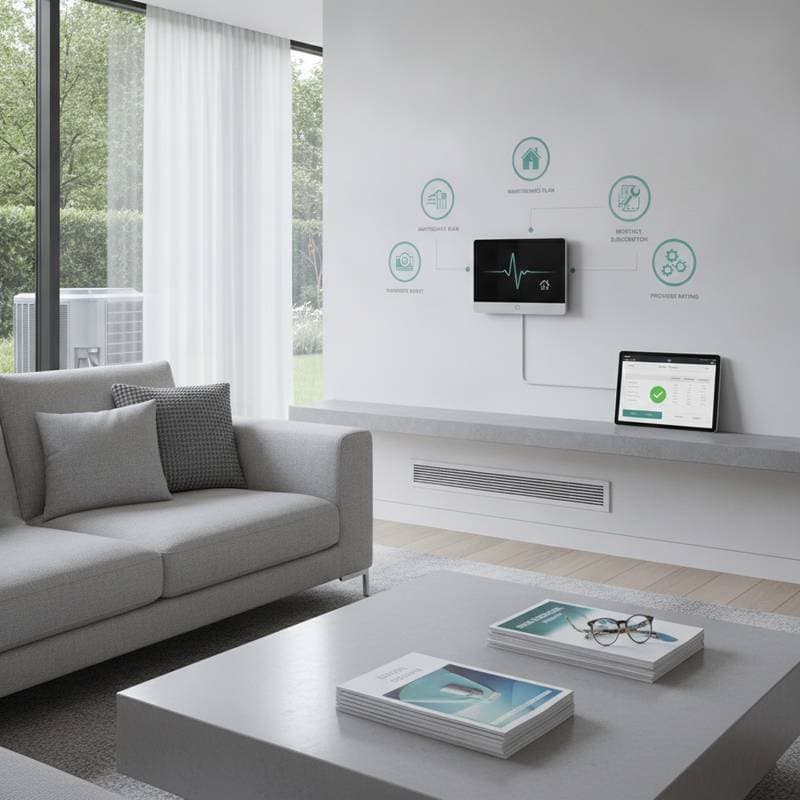
Homeowners often seek efficient methods to maintain clean indoor air and optimal HVAC performance. Predictive filter auto-ordering provides an automated solution that removes the uncertainty from filter replacement schedules. This system employs smart sensors, data analysis, and subscription services to deliver the appropriate filter precisely when required, eliminating the need for manual tracking or urgent purchases.
In many homes, regular filter changes represent an overlooked aspect of upkeep. However, these changes significantly impact air quality, energy use, and equipment durability. Predictive auto-ordering integrates advanced technology with practical convenience to address these challenges effectively.
Essential Benefits of Predictive Filter Subscriptions
1. Sustained Indoor Air Quality
Predictive filter auto-orders ensure consistent air filtration throughout the year. Clean filters effectively capture dust, pollen, and other contaminants, which minimizes allergens and supports better respiratory health. As a result, indoor environments feel more comfortable, and HVAC systems operate with greater efficiency.
2. Elimination of Maintenance Reminders
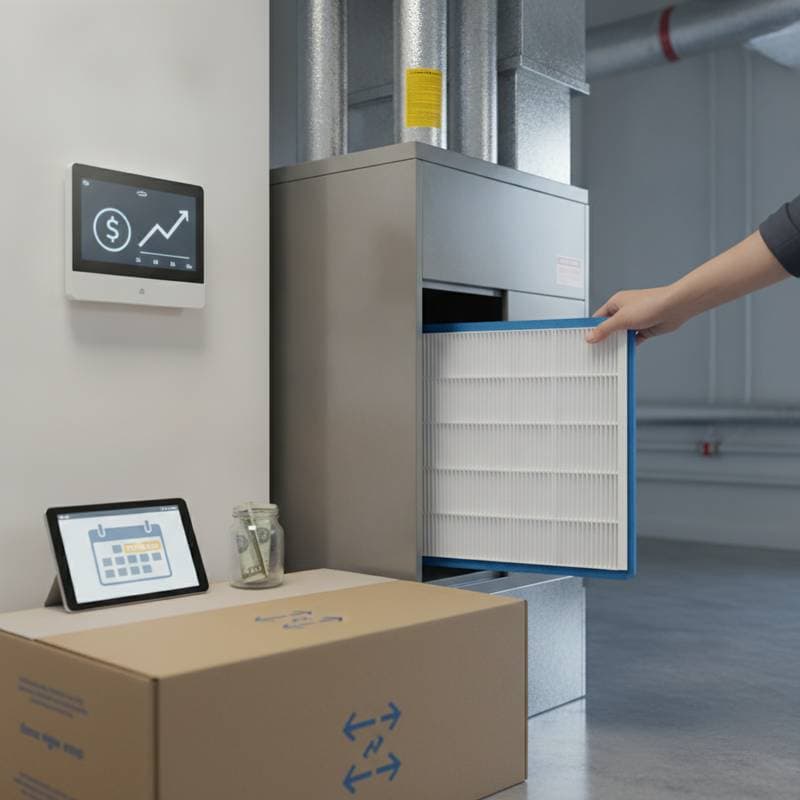
Conventional routines demand that users track replacement dates or rely on calendar alerts. Predictive systems eliminate this responsibility by automating the process entirely. Filters arrive on schedule, safeguarding the equipment and preventing the inconvenience of overlooked tasks or emergency buys.
3. Savings on Energy and Overall Costs
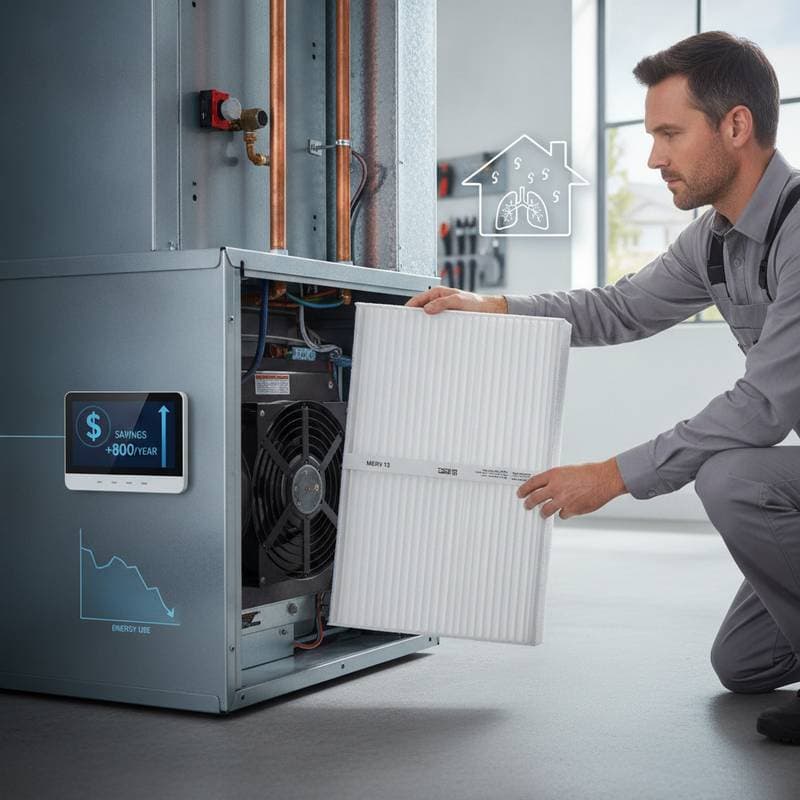
HVAC units with unobstructed filters consume less power to circulate air. This efficiency leads to reduced monthly utility expenses over time. Furthermore, proactive maintenance decreases the likelihood of malfunctions, thereby lowering repair bills and prolonging the lifespan of the entire system.
4. Promotion of Environmental Sustainability
By dispatching filters based on actual usage data, predictive systems minimize excess inventory and shipping. This targeted approach reduces packaging waste and resource consumption, offering a more sustainable alternative to fixed-interval deliveries.
Key Factors Affecting Predictive Filter Replacement Timing
Predictive technologies draw from multiple variables to pinpoint the ideal moment for filter changes. Homeowners benefit from recognizing these elements, as they highlight the system's accuracy.
- HVAC Runtime: Extended operation accelerates filter saturation with debris.
- Household Occupancy: Higher numbers of residents or pets increase particle generation.
- External Air Conditions: Elevated levels of outdoor dust, pollen, or pollutants hasten clogging.
- Filter Specifications: Advanced models that trap finer particles require more frequent swaps.
- Property Characteristics: Expansive layouts or multi-zone designs influence air distribution and filter strain.
Through evaluation of these metrics, the system determines replacement needs with precision, avoiding premature or delayed changes.
Frequently Asked Questions About Predictive Filter Auto-Orders
How Does the System Determine Replacement Needs?
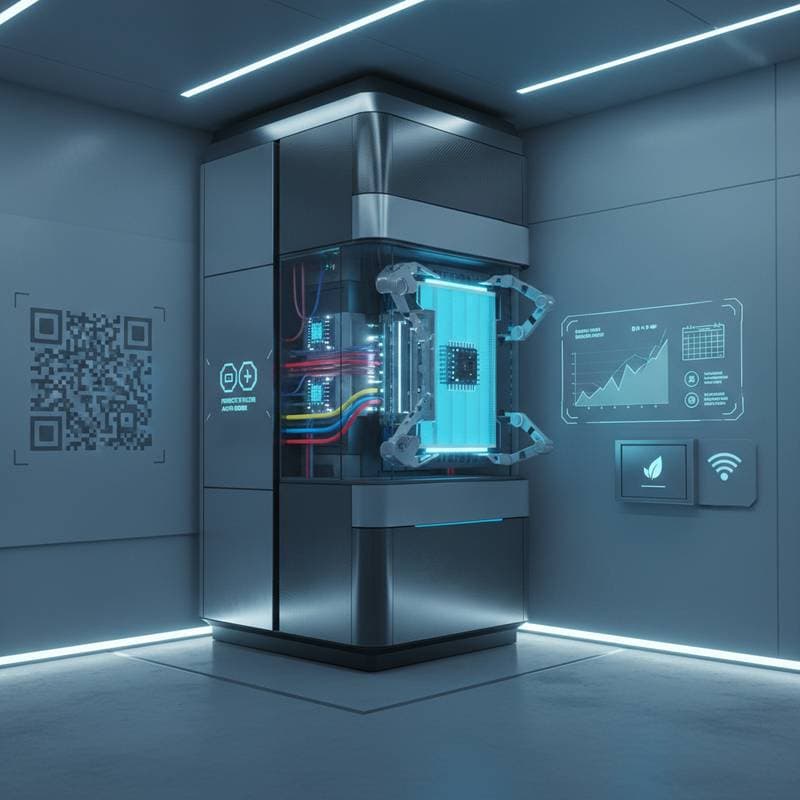
Integrated sensors monitor airflow resistance, operational hours, and ambient factors within the HVAC setup or filter unit. Upon detecting thresholds that signal diminished performance, the system initiates an order via the linked platform.
Is Compatibility Universal Across HVAC Models?
These services integrate well with typical home HVAC configurations. Certain options necessitate smart thermostat pairings or dedicated sensors. Verify alignment with your setup prior to enrollment for uninterrupted functionality.
What Is the Typical Replacement Frequency?
Replacements occur based on real-time data rather than set intervals, varying from every few weeks to several months. Factors such as daily usage and local air quality dictate the pace.
Do These Subscriptions Incur High Costs?
Pricing depends on the provider and filter grade, yet long-term savings often offset initial outlays. Data-driven timing prevents excess orders, curbing unnecessary expenditures and material waste.
Can Predictive Systems Extend HVAC Equipment Life?
Yes, by ensuring timely filter changes, these systems prevent strain from restricted airflow, which can lead to component wear. Regular maintenance through automation reduces downtime and major repairs, ultimately supporting a longer operational lifespan for the HVAC unit.
Steps to Implement Predictive Filter Auto-Orders
Essential Questions to Consider Before Enrollment
- Does the service align with my current HVAC configuration?
- What installation process applies to the required sensors?
- Which filter options suit my equipment specifications?
- How does the platform process data for timing predictions?
- Is manual adjustment or suspension of orders possible?
- Are setup fees associated with sensors or digital interfaces?
- Will notifications precede each automated order?
- How does the service handle changes like relocation or system upgrades?
- Do the filters support recycling initiatives?
- What support channels exist for technical issues?
Achieve Reliable HVAC Performance Through Automation
Predictive filter auto-orders mark a practical advancement in residential upkeep. This technology monitors conditions in real time and coordinates deliveries accordingly, delivering enhanced air purity and operational reliability with minimal user involvement. Homeowners enjoy reduced expenses and greater assurance in their home's comfort systems.