Why MERV 13 Shortages Will Hit 40 Percent of US Homes in 2025
Understanding the Coming MERV 13 Filter Shortage
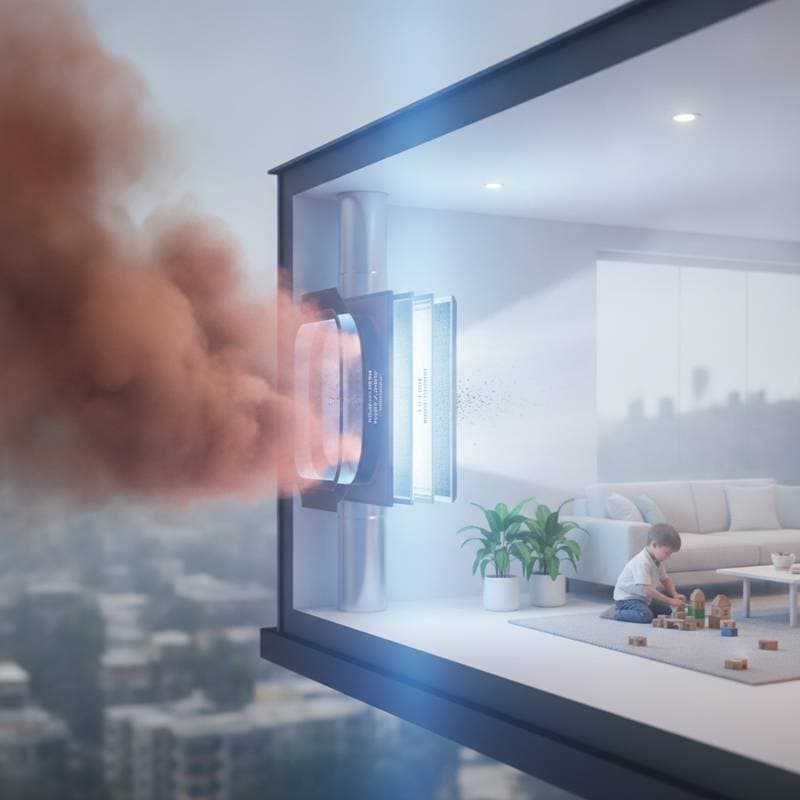
Homeowners across the United States face an emerging challenge with air filtration. Projections indicate that demand for MERV 13 air filters will exceed supply, potentially impacting up to 40 percent of homes by 2025. These filters excel at capturing fine particles such as dust, pollen, and smoke, making them essential for superior indoor air quality. With increasing adoption in residential and commercial settings, supply chains struggle to meet the surge. This article details the causes of the shortage, its effects on heating, ventilation, and air conditioning systems, and practical preparation strategies for homeowners.
Reasons for the Growing MERV 13 Shortage
Several factors contribute to the impending shortage of MERV 13 filters. Each element strains production and distribution, creating widespread availability issues.
1. Heightened Awareness of Indoor Air Quality
Public concern over indoor pollutants has surged in recent years. Homeowners increasingly prioritize environments free from allergens and irritants, which boosts demand for high-efficiency filtration options. Manufacturers encounter difficulties scaling production to match this rapid shift in consumer preferences, as facilities operate near capacity.
2. Constraints on Raw Materials
MERV 13 filters rely on advanced synthetic media designed to trap microscopic particles. Production of this material demands precise processes and specific chemicals, which face global supply disruptions. Shortages in these components delay manufacturing runs and limit output from key suppliers.
3. Expansion of Compatible HVAC Systems
Many households undertake HVAC upgrades or installations that support higher MERV ratings. Newer systems incorporate designs that accommodate MERV 13 filters without compromising performance. This trend amplifies overall demand, as both replacement and new-construction markets seek these advanced options.
4. Challenges in Manufacturing and Distribution
Logistical hurdles persist throughout the supply chain. Delays in international shipping, combined with domestic labor shortages, hinder timely production. Elevated transportation expenses further complicate efforts to deliver filters to local retailers and service providers, resulting in uneven regional availability.
Impacts of the Shortage on Homeowners
Beyond mere inconvenience, the MERV 13 shortage carries significant consequences for home maintenance and well-being. Homeowners must anticipate changes in costs, system functionality, and air purity.
| Impact Area | Description | Possible Outcome |
|---|---|---|
| Cost | Reduced supply drives up prices for available MERV 13 filters. | Elevated expenses for replacements. |
| Maintenance | Temporary reliance on lower-rated filters becomes necessary. | Compromised particle capture. |
| System Performance | Incompatible filters alter airflow dynamics in HVAC units. | Decreased energy efficiency and strain on components. |
| Health and Comfort | Inadequate filtration allows more indoor contaminants to circulate. | Increased exposure to dust and allergens, affecting respiratory health. |
These effects underscore the need for strategic planning to mitigate disruptions.
Strategies to Prepare for the MERV 13 Shortage
Proactive measures enable homeowners to safeguard their HVAC systems and indoor environments. Implement these steps to maintain efficiency during periods of limited supply.
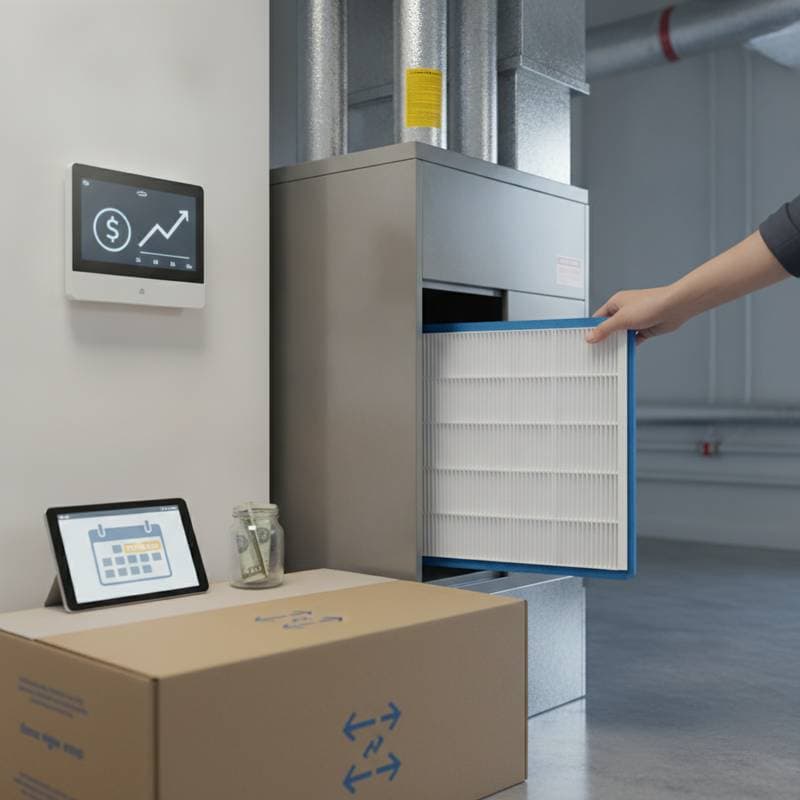
- Purchase MERV 13 filters in advance and store extras in a dry, accessible location for routine changes.
- Verify HVAC compatibility with alternative filters through manufacturer guidelines or professional assessment to avoid performance issues.
- Perform regular cleaning of ducts and vents using a vacuum with a HEPA attachment to minimize dust buildup and support any filter adjustments.
- Arrange annual maintenance appointments with certified HVAC technicians to optimize airflow and detect potential vulnerabilities early.
- Consider high-quality reusable filters that undergo washing and reinstallation, extending their lifespan while preserving filtration standards.
Adopting these practices not only addresses immediate shortages but also enhances long-term system reliability.
Frequently Asked Questions About MERV 13 Filters
Can a MERV 11 or MERV 12 Filter Serve as a Substitute?
Such alternatives provide viable temporary options, provided the HVAC system supports them. These ratings capture a substantial portion of allergens like pet dander and mold spores. Consult system documentation to ensure safe integration without risking reduced efficiency.
What Is the Recommended Replacement Interval for MERV 13 Filters?
Replace filters every three months under standard conditions. Households with pets, high occupancy, or proximity to polluted areas may require monthly inspections. Monitor pressure gauges or visual indicators on the filter frame to determine precise timing.
Does a Higher MERV Rating Risk Damage to the HVAC System?
Systems not engineered for high-resistance filters may experience restricted airflow with MERV 13 options. This restriction can lead to overworking the blower motor and higher energy use. Engage a technician to evaluate and adjust the system before any upgrade.
Maintaining Optimal Air Quality Amid Supply Challenges
Forward-thinking homeowners position themselves to navigate filter shortages effectively. By securing supplies ahead of time, upholding rigorous maintenance routines, and seeking expert advice, individuals preserve clean air and operational HVAC performance. These efforts yield sustained benefits, including lower energy bills and healthier living spaces, even as market conditions fluctuate.