
Save Up to $400 Annually on HVAC Costs with Filter Subscriptions
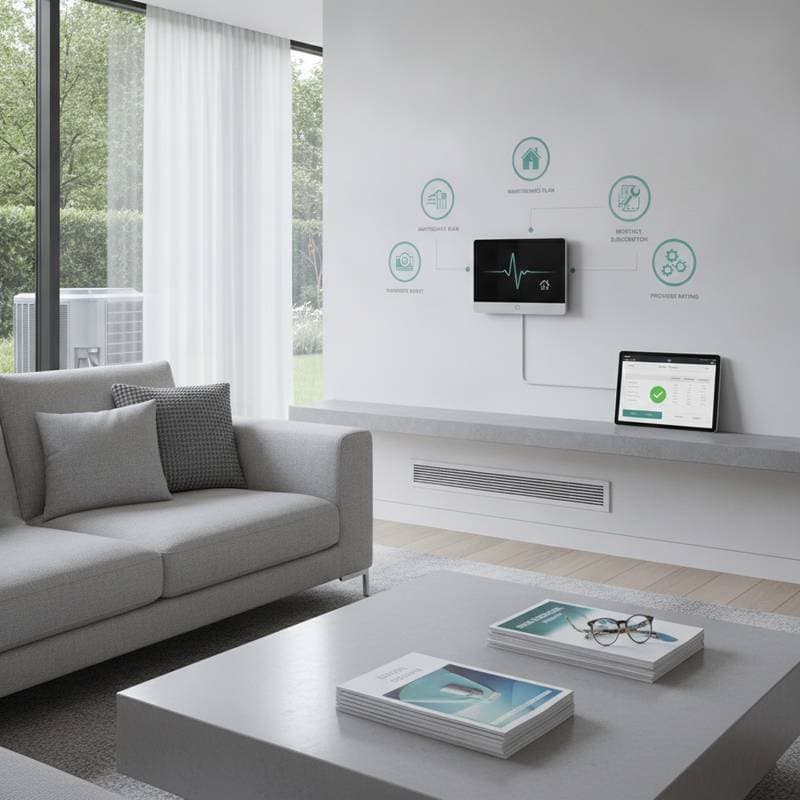
Homeowners seeking to reduce HVAC expenses by up to $400 per year should consider filter subscription services. These programs promote regular filter replacements that enhance system efficiency, minimize energy loss, and avoid expensive breakdowns. By automating the process, subscriptions eliminate oversight, allowing the HVAC system to operate at peak performance and endure longer.
| Item | Average Annual Savings |
|---|---|
| Lower Energy Bills | $150 - $250 |
| Reduced Repair Costs | $100 - $150 |
| Extended Equipment Life | $50 - $100 |
| Total Potential Savings | Up to $400 |
The Financial Benefits of HVAC Filter Subscriptions
HVAC systems require unobstructed airflow to perform effectively. Clogged filters accumulate dust and debris, forcing the system to exert additional effort for air circulation. This increased workload results in elevated energy consumption, accelerated wear, and premature component failure. Filter subscriptions automate maintenance, ensuring consistent efficiency throughout the seasons.
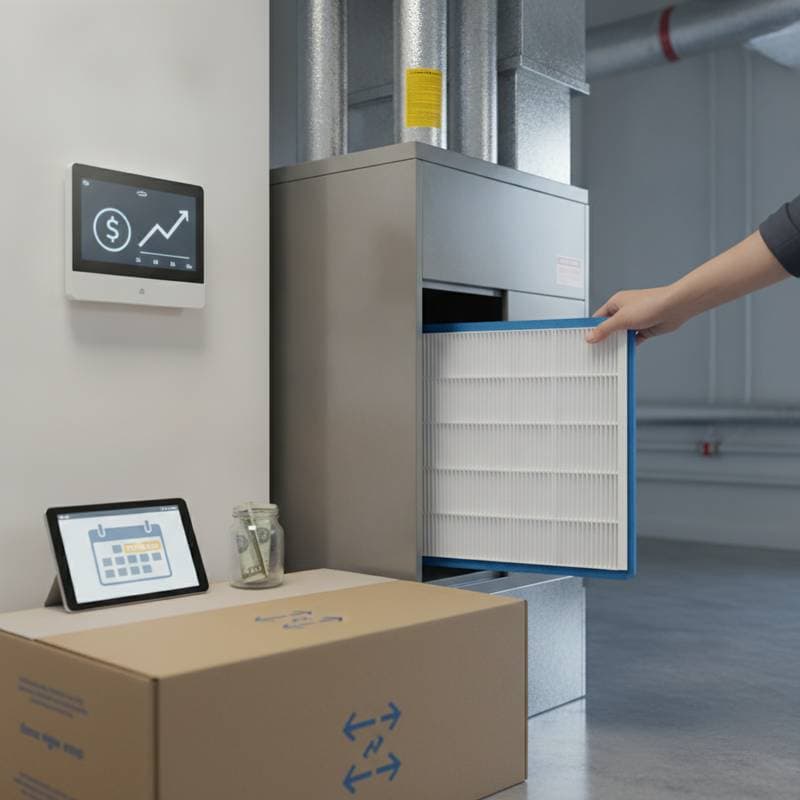
Rather than estimating replacement intervals or visiting stores, subscribers receive filters precisely when needed. Upon installation, the system experiences reduced resistance, leading to immediate improvements in performance and utility costs. Over time, this routine yields significant savings and decreases the need for professional interventions.
Typical Expenses for Filter Subscriptions
Filter subscription services generally range from $10 to $30 monthly, influenced by filter specifications, dimensions, and shipment intervals. Annual expenditures for many households fall between $120 and $360 for reliable replacements. In contrast, a single repair visit for a blocked system often surpasses $200, highlighting the economic advantage of proactive care.
| Filter Type | Monthly Cost | Delivery Frequency |
|---|---|---|
| Standard Pleated Filter | $10 - $15 | Every 3 months |
| High-Efficiency Filter (MERV 11-13) | $15 - $25 | Every 2 months |
| Premium Allergy or HEPA Filter | $25 - $30 | Monthly |
Elements Affecting Savings from Filter Subscriptions
Filter Quality and MERV Rating
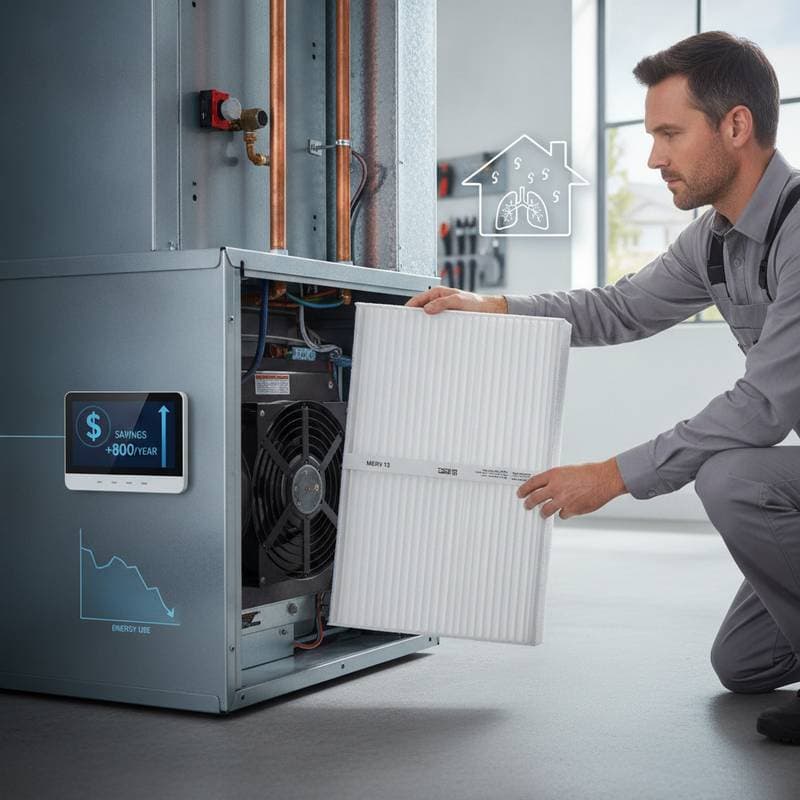
The Minimum Efficiency Reporting Value (MERV) rating indicates a filter's ability to capture airborne particles. Filters with higher MERV values detain finer pollutants, enhancing indoor air purity and operational efficiency. For typical residences, MERV ratings of 8 to 12 provide an optimal combination of filtration and airflow. Selecting an inappropriate high rating may overburden the blower motor, so compatibility with the existing system remains essential.
Household Size and Air Quality Requirements
Residences with more occupants or pets demand accelerated filter replacement cycles. Fur, skin flakes, and particulates accumulate rapidly, obstructing filters prematurely. Individuals with sensitivities to allergens benefit from advanced filters changed frequently, fostering better health and living conditions.
HVAC System Configuration and Operation
Central conditioning units, heat pumps, and furnaces all depend on clear filters for smooth function. Equipment operating continuously requires shorter replacement periods. Greater runtime accelerates filter saturation, amplifying the potential returns from diligent maintenance.
Delivery Cadence in Subscriptions
Providers typically offer customizable shipment options, such as every one to three months. Aligning deliveries with specific environmental factors avoids excess inventory while optimizing cost reductions.
Available HVAC Filter Subscription Options
Various subscription models cater to different preferences, each with distinct advantages.
- Basic Subscription: Delivers standard filters at predetermined intervals. Suitable for compact spaces with low particulate levels.
- Premium Subscription: Accommodates tailored dimensions, superior filtration technologies, and adjustable timing.
- Smart Subscription: Integrates alerts or automated reorders based on system monitoring data.
Advantages of Filter Subscriptions:
- Eliminates the risk of overlooked replacements
- Decreases energy expenses and service requirements
- Promotes purer indoor environments with reduced irritants
- Provides hassle-free doorstep delivery
Disadvantages of Filter Subscriptions:
- Initial costs exceed bulk purchases slightly
- Demands initial configuration for precise sizing
Indicators of Required Filter Replacement
Overlooked clogs in filters prove subtle yet detectable with awareness of common symptoms.
- Escalating utility statements
- Diminished ventilation from registers
- Increased household dust accumulation
- Stagnant or odorous interior atmosphere
- Prolonged operation cycles for the HVAC unit
- Apparent soiling or staining on the filter media
These signals suggest unnecessary system stress. Subscriptions mitigate such problems through reliable scheduling.
Implementing a Filter Subscription
Enrollment in a filter subscription involves straightforward steps. Services request details on filter measurements, performance standards, and preferred intervals.
- Determine Filter Dimensions: Inspect markings on the existing filter or take direct measurements.
- Choose Appropriate Filter Specifications: Select a MERV level aligned with efficiency and purification goals.
- Establish Shipment Timing: Opt for monthly, bimonthly, or quarterly deliveries.
- Install Upon Receipt: Exchange the worn filter promptly with the new unit.
- Monitor Improvements: Observe reductions in energy use and overall system responsiveness.
Automated shipments remove uncertainty and delay. The HVAC setup maintains cleanliness and productivity with minimal involvement.
Long-Term Gains in Labor and Upkeep
Filter replacement qualifies as a basic self-service procedure, yet cumulative advantages surpass material expenses. Routine changes alleviate pressure on motors, evaporators, and blowers, curtailing failures and associated fees. Service experts frequently attribute HVAC issues to ignored filtration.
Well-maintained systems consume up to 15 percent less power. Applied over 12 months, this translates to hundreds of dollars in avoided utility charges. When paired with diminished repair needs, subscriptions recoup investments multiple times.
Common Questions on Filter Subscriptions
How often should I change my HVAC filter?
The majority of households require replacements every one to three months. Those with animals or respiratory concerns often achieve superior outcomes with monthly intervals.
Are subscription filters as good as store-bought ones?
Yes. Established providers supply equivalent brands and efficiency levels available in stores, frequently at comparable or reduced rates with superior convenience.
Can I install the filters myself?
Absolutely. The process involves locating the filter compartment, removing the old unit, inserting the new one with arrows facing airflow direction, and securing the panel. No specialized tools prove necessary.
What happens if I forget to change a filter?
Neglect leads to restricted airflow, spiking energy use by 5 to 15 percent, straining components, and risking damage like coil icing or motor burnout. This escalates bills and may necessitate urgent repairs.
Do filter subscriptions work for older HVAC systems?
Yes, and they prove particularly valuable. Aging units suffer amplified effects from clogs, so regular filtration extends usability, averts breakdowns, and defers replacement costs.
Initiate Your Savings Strategy
Transition to a filter subscription requires minimal effort yet delivers measurable returns. Begin by assessing your current filter and household dynamics to select an ideal plan. Consistent implementation transforms routine maintenance into a source of financial and operational efficiency, securing comfort year-round.