How DIY HVAC Filter Upgrades Deliver 18 Percent Energy Savings
The Impact of Proper HVAC Filter Maintenance
A well-maintained HVAC filter significantly influences a home's energy consumption. Homeowners often neglect this essential component of their heating and cooling systems. Research indicates that correct filter upgrades and maintenance yield up to 18 percent savings on utility bills. These gains arise from minimized airflow resistance, reduced system contamination, and optimized operational performance.
This guide details the mechanics of DIY HVAC filter upgrades, associated expenses, selection criteria, and precise replacement procedures. It addresses frequent inquiries regarding upkeep and highlights enduring advantages for system durability and energy management.
Costs Associated with DIY HVAC Filter Replacements
HVAC filter replacement ranks among the simplest and most economical home maintenance tasks. The typical expense for a DIY replacement falls between 10 and 50 dollars, varying by dimensions, material, and performance level. Opting for high-efficiency or reusable options often results in net savings over time.
| Filter Type | Average Cost | Description |
|---|---|---|
| Basic Fiberglass | 10–20 dollars | Disposable units that safeguard the system with basic particle interception. |
| Pleated Disposable | 15–35 dollars | Enhanced airflow management and contaminant capture, suitable for typical residences. |
| Washable Reusable | 25–50 dollars | Cleanable for repeated use, minimizing waste and ongoing expenses. |
| HEPA High-Efficiency | 30–60 dollars | Traps ultrafine particles, ideal for homes with allergy concerns. |
Filter selection influences air purity and system productivity. An obstructed or inferior filter compels the blower to exert greater effort, elevating power draw and accelerating component degradation.
Mechanisms by Which DIY Filters Enhance Efficiency
Optimized Airflow Reduces Power Demands
Unimpeded air passage through the HVAC system demands minimal energy for distribution. Contaminated filters impede this movement, prompting the fan to consume additional electricity. Routine replacements sustain optimal flow, enabling quicker attainment of set temperatures.
Minimized Stress on System Elements
Pristine filters block dust accumulation on coils, blowers, and related parts. This prevention facilitates superior heat transfer during heating or cooling cycles. Consequently, major components endure less wear, postponing expensive repairs.
Improved Indoor Air Purity
Advanced filters seize allergens, particulates, and pollutants more effectively. This purification diminishes breathing discomfort and maintains a fresher environment. Such enhancements complement energy benefits by promoting health and livability.
Detailed Procedure for HVAC Filter Replacement
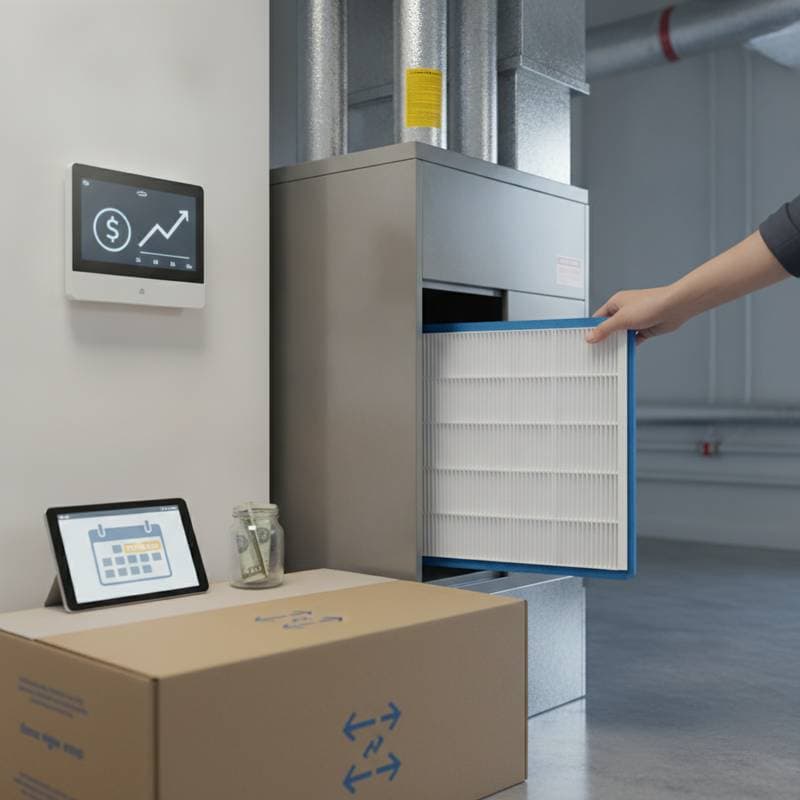
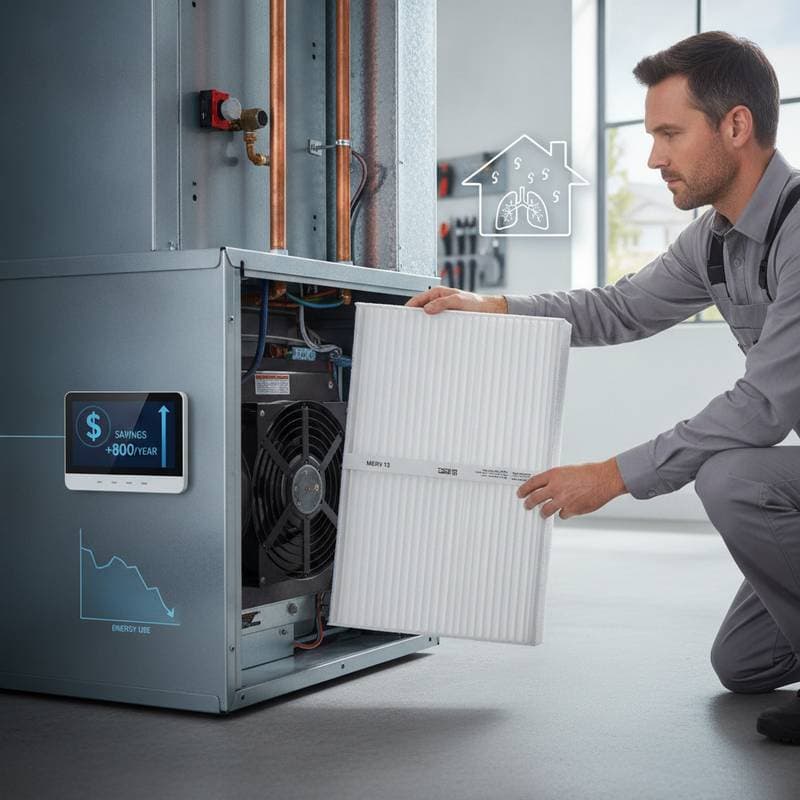
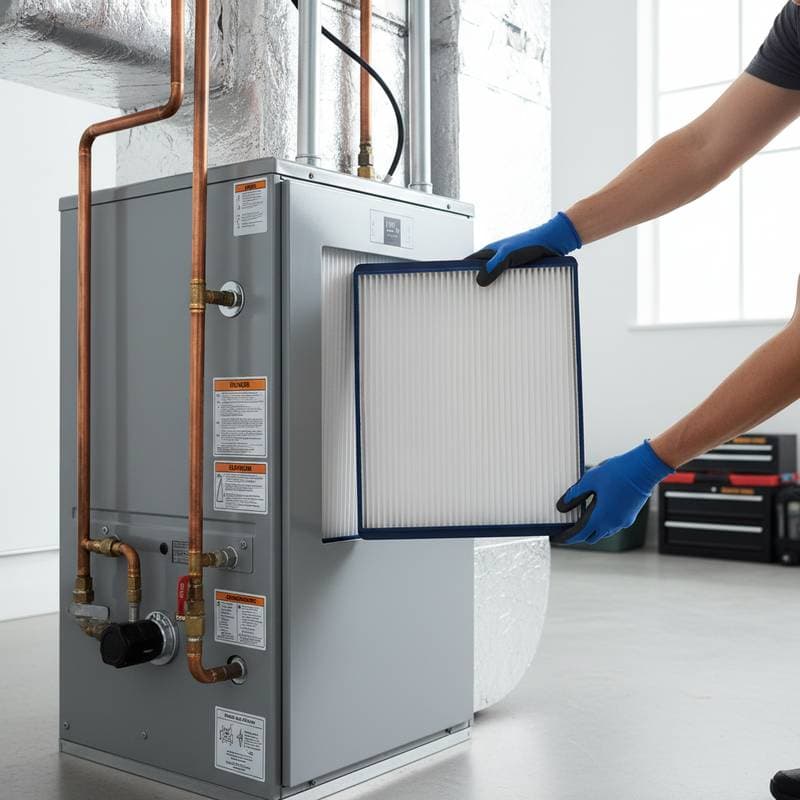
Replacing an HVAC filter demands no specialized equipment or advanced skills. Adherence to these steps guarantees a snug installation and directional airflow integrity.
-
Power Down the Unit
Deactivate the HVAC system prior to filter removal to prevent unfiltered air entry into ducts. -
Identify the Filter Compartment
Filters typically reside adjacent to the return air grille or within the air handler. Refer to the equipment manual for confirmation if location proves unclear. -
Extract the Used Filter
Gently withdraw the filter to limit dust dispersal. Examine for soiling or staining to assess installation duration. -
Verify Dimensions
Frame markings specify required measurements. Incorrect sizing permits dust evasion through unsealed edges. -
Position the Replacement Filter
Align airflow indicators on the frame toward the blower assembly. This orientation ensures peak filtration efficacy. -
Seal and Reactivate
Fasten access covers securely, then resume system operation. Monitor for atypical noises or diminished output.
Maintenance Schedules for Various Filter Types
Replacement intervals hinge on filter variety, occupancy levels, pet presence, and ambient conditions.
| Filter Type | Recommended Interval | Additional Guidance |
|---|---|---|
| Fiberglass | Every 30 days | Suited to low-contaminant settings for brief service. |
| Pleated | Every 60–90 days | Standard for household applications. |
| Washable | Clean every 60 days, then reinstall | Thorough drying post-cleaning prolongs usability. |
| HEPA | Every 90–120 days | Superior capture requires consistent replacement for flow preservation. |
Key Factors Influencing DIY Filter Expenses
Dimensions and Depth
Systems in larger homes necessitate expansive filters, incurring higher prices. Deeper variants, like 4-inch or 5-inch profiles, provide extended service but demand compatible enclosures.
MERV Performance Scale
The Minimum Efficiency Reporting Value denotes particle-trapping capability. Ratings from 8 to 12 strike an optimal balance for residential use, enhancing filtration without excessive flow hindrance. Exceeding system tolerances risks blower overload.
Construction Materials
Fiberglass offers affordability at the expense of efficacy. Pleated and reusable designs employ compact media for superior detention and energy optimization.
Equipment Suitability
Advanced filters may overwhelm legacy HVAC models. Confirm compatibility via manufacturer guidelines to avert performance issues.
Surrounding Environment
Arid, dusty, or pollen-heavy locales accelerate soiling. Adjust schedules seasonally to accommodate fluctuations.
Common Inquiries on HVAC Filters
What Energy Reductions Does a Clean Filter Provide?
Experts affirm that a pristine filter boosts efficiency by up to 18 percent. Actual gains vary with prior clogging extent and overall upkeep. Sustained practice yields notable yearly reductions in expenses.
Consequences of Overlooking Replacements?
Infrequent changes diminish airflow, extending runtime and amplifying consumption. This results in temperature inconsistencies and blower strain. Accumulated debris on coils impairs thermal transfer.
Feasibility of Efficiency Upgrades Across Systems?
Most units accommodate enhancements, though elevated MERV options may burden aged infrastructure. Review specifications or seek expert advice prior to advanced installations.
Value of Reusable Filters?
Initial investment exceeds disposables, yet reusables endure years with diligent care. They curb landfill contributions and recurring purchases, provided complete drying prevents microbial issues.
Influence on Air Quality?
Premium filters eliminate minute pollutants like pollen and odors. This purges allergens, aiding sensitive individuals and fostering healthier circulation.
Indicators of Required Replacement?
Monthly visual checks reveal graying or debris. Escalating bills or weakened vent output similarly denote obstruction.
Maximizing Benefits from Filter Upgrades
Integrate with Professional Servicing
Filter tasks complement routine DIY efforts, but expert evaluations detect issues like refrigerant leaks or coil blockages. This holistic approach sustains peak efficiency.
Track Consumption Patterns
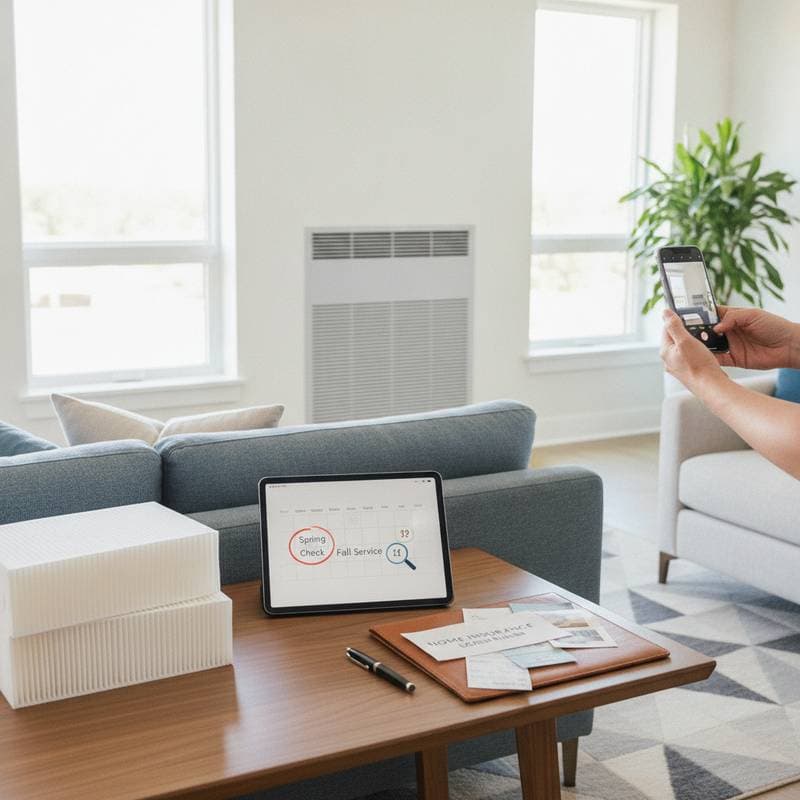
Compare bills pre- and post-implementation. Document change dates to enforce discipline, revealing tangible declines in usage.
Leverage Digital Aids
Program alerts for inspections. Modern thermostats automate notifications based on operational hours, reinforcing adherence.
Essential Considerations for Filter Purchases
- Confirm exact size and depth for the HVAC unit.
- Identify manufacturer-suggested MERV range.
- Evaluate potential airflow impacts on existing configuration.
- Determine upkeep frequency for the selected model.
- Inquire about incentives for efficient components.
- Review warranty terms and return policies.
- Assess fit for reusable types in current slots.
- Test suitability in prevalent local conditions.
- Examine material sustainability and composition.
- Verify efficacy against allergens and scents.
Sustaining Long-Term System Performance
Consistent filter management preserves investments in home comfort. Regular attention not only curbs costs but also prolongs equipment life, ensuring reliable operation year-round.