DIY Filters Cost You $800: Pro Service Saves Big
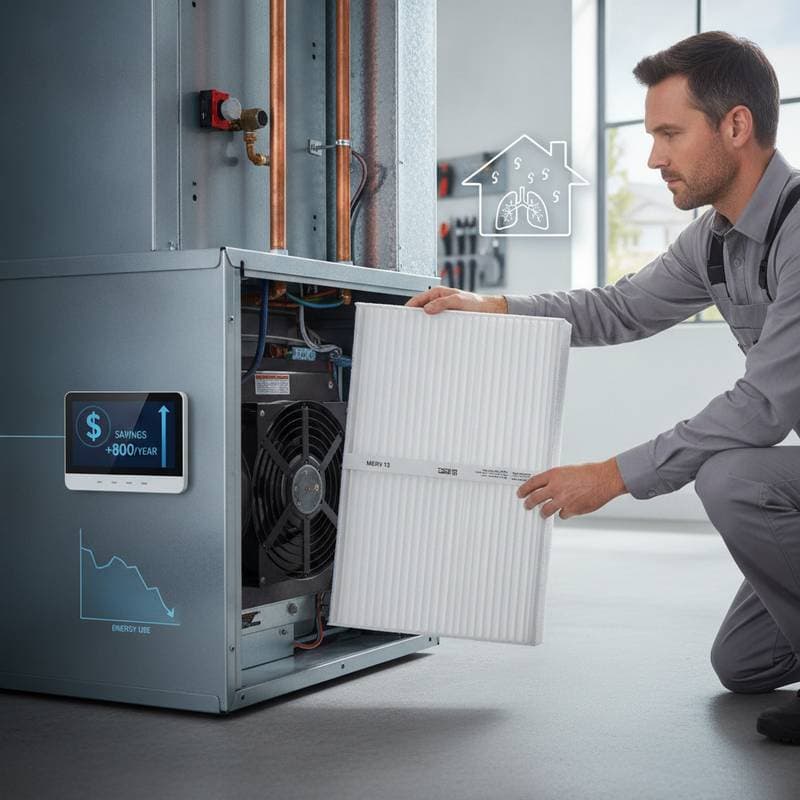
Replacing HVAC filters yourself appears straightforward and budget-friendly at first glance. However, improper handling leads to substantial hidden expenses, including elevated energy consumption, premature repairs, and compromised indoor air quality. Homeowners typically forfeit approximately $800 annually from these errors. Engaging a certified HVAC technician for regular maintenance and filter services delivers cost savings, prolongs equipment durability, and maintains superior air purity. This article details the advantages of professional intervention and strategies to safeguard your HVAC investment.
| Item | Average Cost / Savings |
|---|---|
| DIY Filter Mistakes | $800+ in wasted energy and repairs |
| Professional Filter Replacement | $100 - $250 per visit |
| Average Annual Savings with Pro Care | $300 - $600 |
| Added Equipment Lifespan | 3 - 5 years longer |
Average HVAC Filter Maintenance Costs
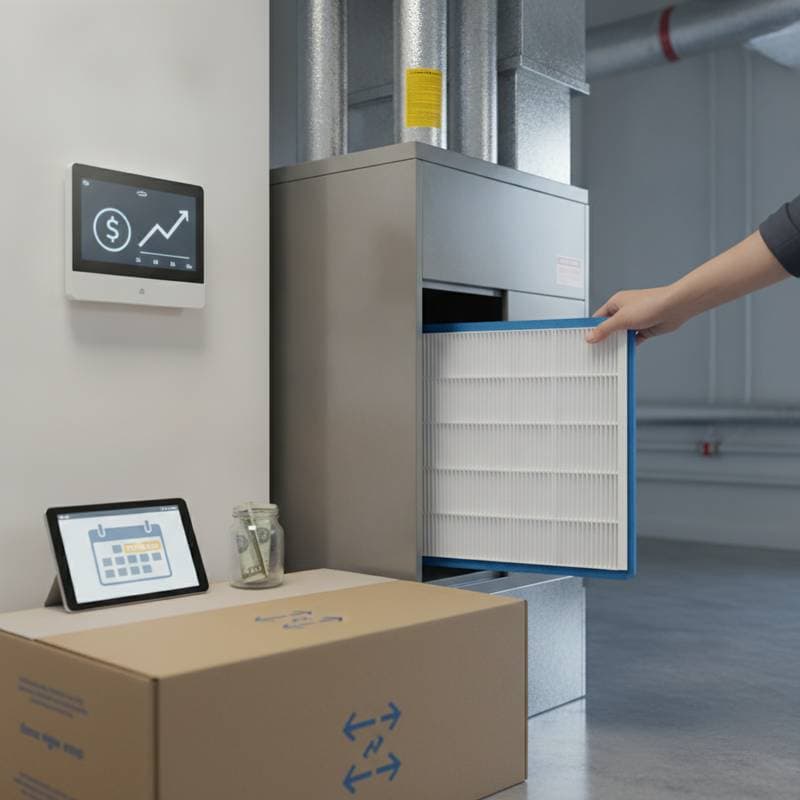
Purchasing a basic HVAC filter for self-installation costs between $20 and $50. Yet, errors in placement or irregular replacements cause blockages that diminish airflow and compel the system to operate under duress. Such conditions elevate utility expenses and accelerate wear on components.
Professional visits range from $100 to $250 and encompass comprehensive evaluations. Technicians inspect the air handler, clear vents and blowers, select appropriately sized filters, and verify airflow efficiency. This investment offsets the $800 annual losses from DIY oversights, yielding clear financial benefits.
Key Factors That Affect Filter Replacement Costs
Filter Type and Quality
Filters vary from basic fiberglass to advanced pleated or HEPA models. Superior options capture finer particles and endure longer, though they demand precise fitting to prevent airflow limitations. Experts assess your system's specifications and household needs to recommend optimal selections.
System Size and Accessibility
Expansive units or those in challenging locations, such as attics or basements, involve additional effort for access. Professional fees may adjust accordingly, but this ensures thorough checks and secure procedures.
Frequency of Replacement
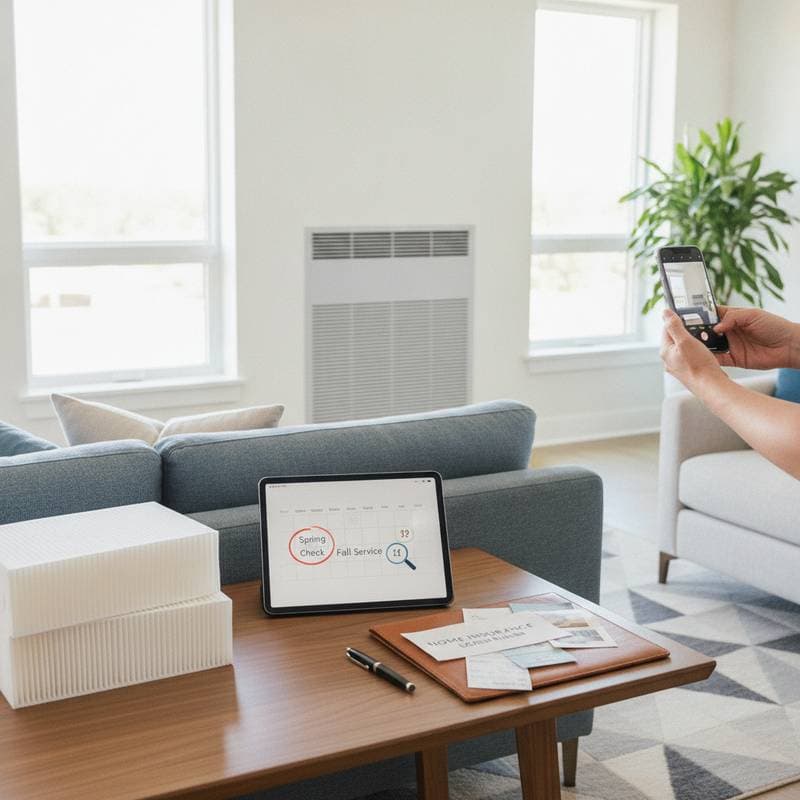
Environments with pets, tobacco use, or allergy concerns necessitate more frequent exchanges. Technicians establish customized schedules to avert accumulations and sustain performance levels.
Labor and Regional Rates
Rates differ by area, yet qualified professionals apply specialized knowledge to avoid complications. Their adherence to manufacturer guidelines guarantees seamless operation and filter integration.
Types of HVAC Filters
Filter selection influences efficiency and expenses. Consider these primary categories:
-
Fiberglass Filters
-
Pros: Affordable and easy to find
-
Cons: Limited particle capture, frequent changes required
-
Pleated Filters
-
Pros: Enhanced filtration, reasonable cost, extended durability
-
Cons: Potential airflow reduction without correct installation
-
Electrostatic Filters
-
Pros: Reusable after washing, effective against dust and allergens
-
Cons: Demand consistent upkeep to function properly
-
HEPA Filters
-
Pros: Superior contaminant removal, beneficial for sensitive individuals
-
Cons: Higher price, possible need for system adjustments
Consult a professional to match filters with your HVAC configuration and air quality objectives.
Signs You Need a Professional Filter Service
Recognize these indicators to prompt expert assistance:
- Rapid dust accumulation around vents or surfaces post-cleaning
- Inconsistent temperatures in different areas
- Unexpected spikes in energy statements
- Abnormal sounds from the equipment
- Persistent odors or stagnant air indoors
- Observable grime or deterioration on the filter
These cues point to airflow restrictions or underlying problems that require skilled diagnosis.
The Professional Filter Replacement Process
A scheduled service follows a structured approach:
- System Inspection – Evaluate for obstructions, leaks, and operational concerns.
- Filter Evaluation – Gauge airflow and inspect the existing filter's suitability.
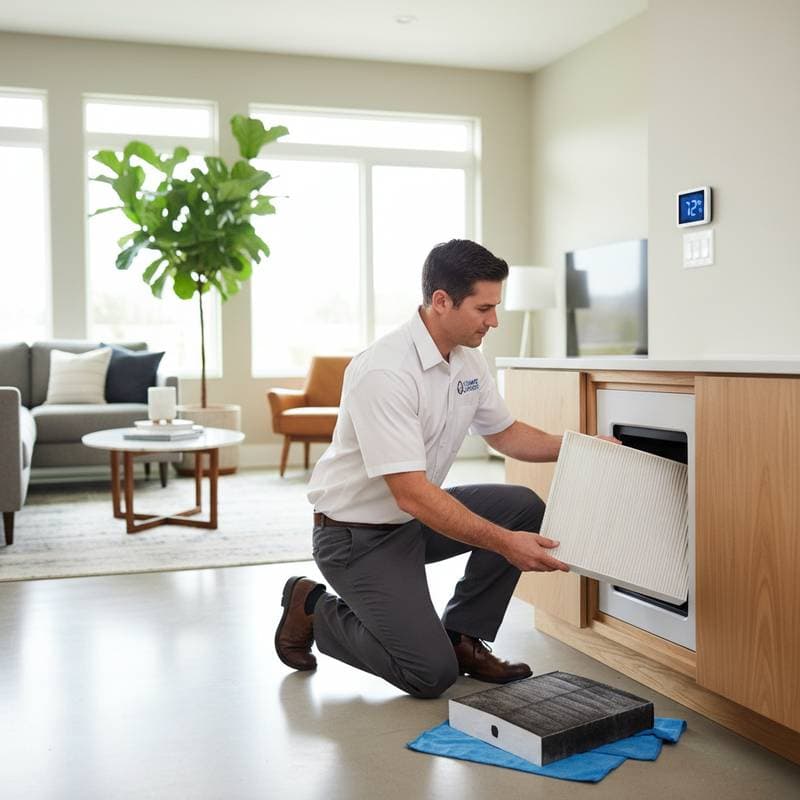
- Replacement or Cleaning – Install a fresh filter or restore a reusable one.
- Efficiency Testing – Measure static pressure and airflow for optimal results.
- Maintenance Recommendations – Receive guidance on timing, selections, and interim care.
HVAC Labor Costs for Professional Service
Hourly labor falls between $75 and $200, influenced by local standards. The expertise provided justifies the fee, as it mitigates risks of inefficiency or damage from amateur efforts.
Frequently Asked Questions About HVAC Filter Replacement
How often should filters be replaced?
Standard filters require changes every one to three months, adjusted for environmental factors. Advanced filters offer longer intervals but benefit from periodic reviews.
Can I upgrade to a HEPA filter myself?
Compatibility varies; these filters increase resistance and may necessitate modifications. Professionals verify fit and perform safe installations.
Why is my new filter making noise?
Whistling typically indicates improper sizing or seating, permitting air leaks that undermine performance.
Do reusable filters save money?
Proper maintenance enables savings through longevity. Inadequate cleaning, however, invites inefficiencies and added costs.
What happens if I skip filter changes?
Accumulated debris hampers circulation, raises expenses, and risks component failures like compressor or coil breakdowns.
Implement Professional Care for Sustained Efficiency
Opting for expert HVAC filter management represents a prudent choice for financial and comfort benefits. Routine professional attention minimizes bills, enhances air quality, and maximizes system longevity. Schedule a service today to realize these gains.