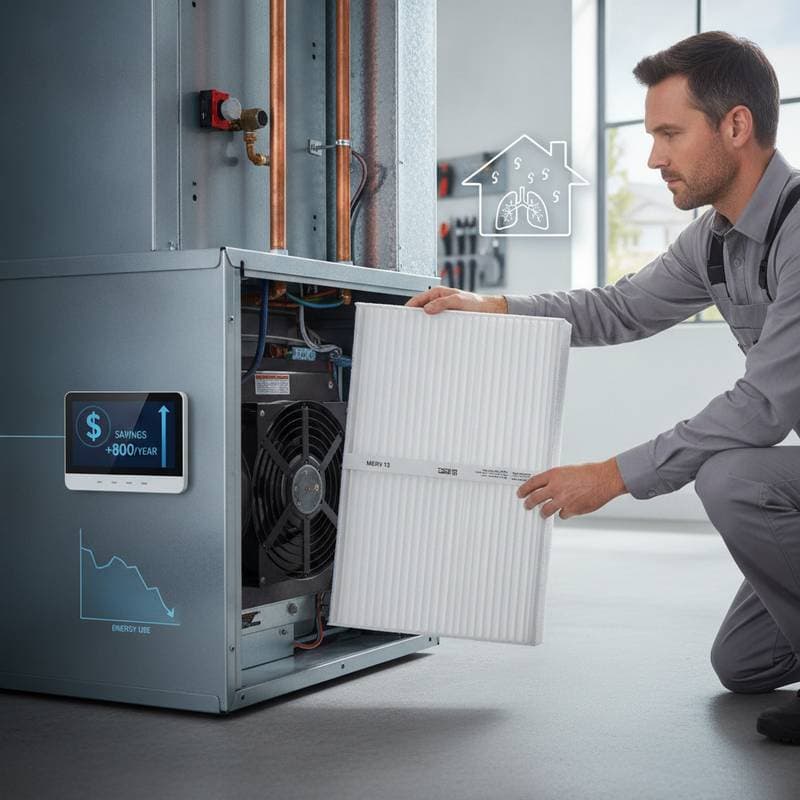
78% of DIYers Install Air Filters Backwards: Why Direction Matters and How to Get It Right
Homeowners often overlook the details of HVAC maintenance, yet a startling 78% of those who handle it themselves install air filters backwards. This error diminishes system efficiency, drives up energy consumption, and accelerates wear on components. Understanding airflow direction proves essential for optimal performance, and this article outlines the reasons behind the issue, correct installation procedures, and strategies to avoid common pitfalls.
| Key Information | Summary |
|---|---|
| Percentage of DIYers installing filters backwards | 78% |
| Primary consequence | Restricted airflow and increased system strain |
| Recommended replacement interval | Every 1 to 3 months, based on filter type |
| Typical filter cost | $10 to $50 |
| Cost of professional inspection | $75 to $150 |
Air Filter Maintenance Costs
Maintaining air filters ranks among the most cost-effective measures to safeguard an HVAC system. Expenses vary by filter type, dimensions, and performance level.
| Filter Type | Cost per Filter | Expected Lifespan | Filtration Level |
|---|---|---|---|
| Basic fiberglass | $5 to $10 | 1 month | Low |
| Pleated synthetic | $10 to $25 | 2 to 3 months | Medium |
| Electrostatic reusable | $25 to $50 | Washable and reusable | Medium to high |
| HEPA or high-efficiency | $30 to $70 | 3 to 6 months | Very high |
Regular replacement remains far less expensive than repairs from airflow restrictions. Such issues frequently result in blower motor breakdowns or frozen evaporator coils, with repair bills surpassing several hundred dollars.
Common HVAC Air Filter Types
Selecting an appropriate filter involves balancing budget, air quality requirements, and system compatibility. The following sections describe prevalent options, including their strengths and limitations.
Fiberglass Filters
Advantages:
- Inexpensive and readily accessible
- Straightforward to install and replace
Disadvantages:
- Trap only larger particles
- Offer brief service life and minimal efficiency
Pleated Filters
Advantages:
- Superior capture of particles compared to fiberglass
- Offered in various MERV ratings
- Balanced pricing with simple setup
Disadvantages:
- Potential to impede airflow without timely replacement
Electrostatic Filters
Advantages:
- Designed for washing and repeated use
- Attract fine particles through electrostatic charge
Disadvantages:
- Necessitate consistent cleaning
- Higher upfront expense relative to disposables
HEPA Filters
Advantages:
- Remove up to 99.97% of airborne particles
- Ideal for individuals with allergies or asthma
Disadvantages:
- Risk airflow restriction in conventional home systems
- Best suited for specialized or modified setups
Activated Carbon Filters
Advantages:
- Minimize odors and volatile organic compounds
- Effective in households with pets or frequent cooking
Disadvantages:
- Require pairing with a particle-trapping filter
- Reduced durability in humid environments
Step-by-Step Guide to Proper Air Filter Installation
Installing a filter correctly requires attention to airflow orientation and secure placement. Follow these steps to eliminate the risk of reversal.
Step 1: Power Down the System
Deactivate the HVAC unit prior to handling the filter. This action prevents contaminants from entering the ducts and shields the blower from potential harm.
Step 2: Identify the Filter Location
Filters typically reside in the return air grille or adjacent to the air handler. Larger residences may feature multiple units.
Step 3: Extract the Existing Filter
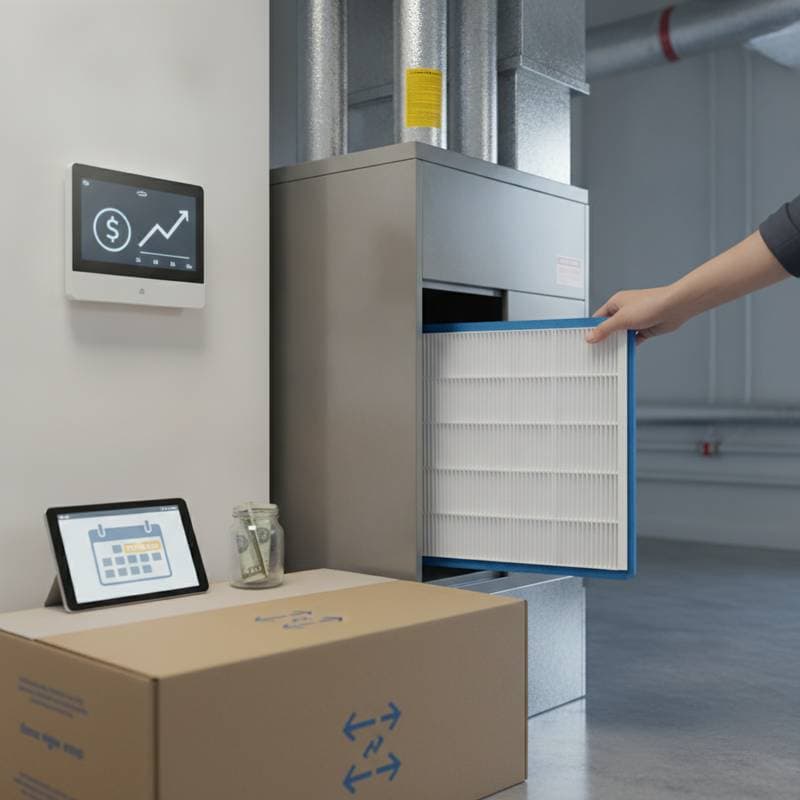
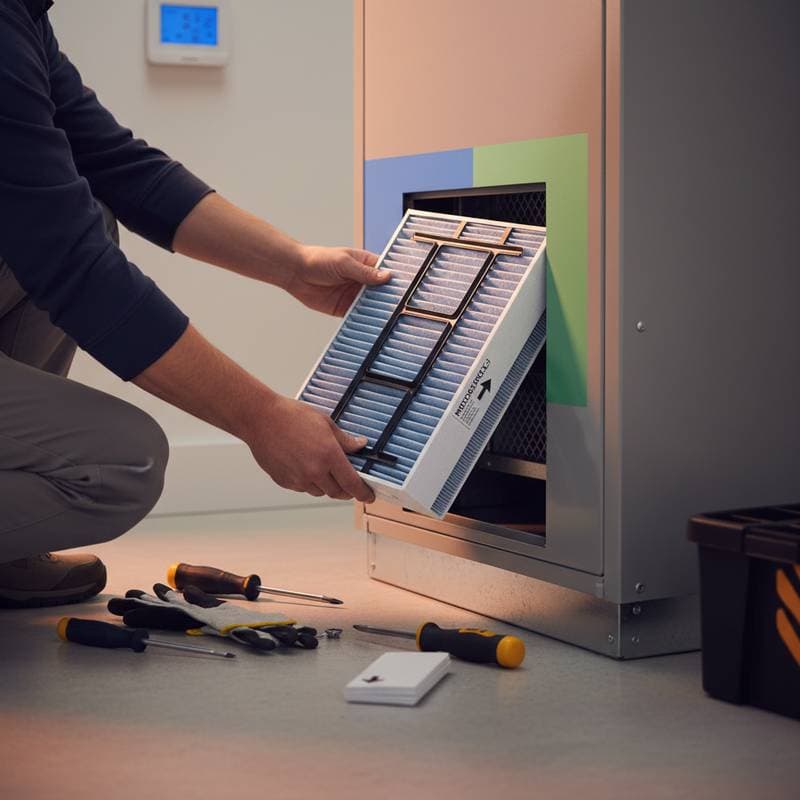
Gently remove the used filter. Observe and record the airflow arrow on its frame, which indicates the path toward the furnace or air handler, before disposal.
Step 4: Verify Arrow Orientation on the New Filter
Locate the directional arrow on the replacement filter. Position it to direct airflow toward the HVAC unit, away from the return vent or living space.
Step 5: Insert and Secure the Filter
Ease the filter into the compartment until it seats firmly. Confirm no gaps exist along the edges and that the frame remains undistorted.
Step 6: Reactivate and Test the System
Restore power to the HVAC and monitor vent airflow. Attend to any atypical sounds that might signal misalignment.
Professional Services for Air Filter Handling
Although self-replacement suits many, professional assistance benefits systems with inaccessible filters or intricate configurations. Such services encompass replacement, performance checks, and comprehensive evaluations.
| Service Category | Typical Cost | Components Included |
|---|---|---|
| Standard filter swap | $50 to $100 | Replacement alone |
| Routine maintenance call | $75 to $150 | Filter exchange, cleaning, and assessment |
| Complete system tune-up | $100 to $250 | Filter service, coil maintenance, and diagnostic testing |
Engaging experts guarantees accuracy and uncovers minor problems early, averting expensive fixes.
Common Questions on Air Filter Orientation and Care
How do I determine the correct filter direction?
Examine the arrows on the filter frame, which denote airflow and must align toward the furnace or air handler. Position them opposite the return vent or interior areas.
What are the risks of prolonged use with a reversed filter?
A backwards filter leads to diminished airflow, soiled coils, and elevated energy demands. Extended operation may overtax the blower motor or precipitate early component failure.
What replacement schedule applies to air filters?
Exchange disposable filters every one to three months. Residences with pets, allergy concerns, or intensive usage warrant monthly intervals, whereas advanced filters endure longer.
Is cleaning possible for disposable filters?
Disposable varieties resist cleaning and reuse. Attempts to wash or vacuum impair the material, compromising particle retention.
Why does airflow direction hold significance?
Proper orientation positions the filter's supportive frame against the blower while exposing the media to incoming air. Inversion hampers flow and filtration performance.
Is a higher MERV filter advisable?
Higher MERV ratings suit systems capable of managing added resistance. Review the equipment manual or seek technician advice prior to upgrades.
Which filter excels for allergy management?
Pleated or HEPA options with MERV 11 or above effectively combat pollen, dust mites, and pet dander. Consistent upkeep amplifies indoor air purity.
Implement Effective Filter Practices for System Longevity
Prioritizing correct filter installation fortifies HVAC reliability through basic, routine actions. Verify the airflow arrow with each change and adhere to replacement timelines. Consult a qualified technician for guidance on orientation or selection tailored to your residence.
Well-maintained filters promote unrestricted air circulation, reduce operational expenses, and minimize equipment stress. Establish a regular inspection routine to secure sustained efficiency, enhanced comfort, and enduring performance.