7 Steps to Dodge HVAC Breakdowns This Spring
As temperatures rise, the HVAC system transitions from heating to cooling duties. Following a winter of operation, the equipment requires preparation to manage this shift effectively. Routine maintenance prevents expensive failures, maintains home comfort, and prolongs equipment longevity. The following guide details essential actions to prepare the HVAC system for spring demands.
Why Spring HVAC Maintenance Matters
Spring presents an ideal opportunity for HVAC system evaluation. The equipment endures significant strain during winter, and prior to intensive cooling cycles, a thorough inspection proves essential. Neglected problems, such as soiled filters or insufficient refrigerant, escalate into substantial repair needs. Proper upkeep enhances operational efficiency, reduces energy expenses, and eliminates disruptions on peak heat days.
Step 1: Replace or Clean Air Filters
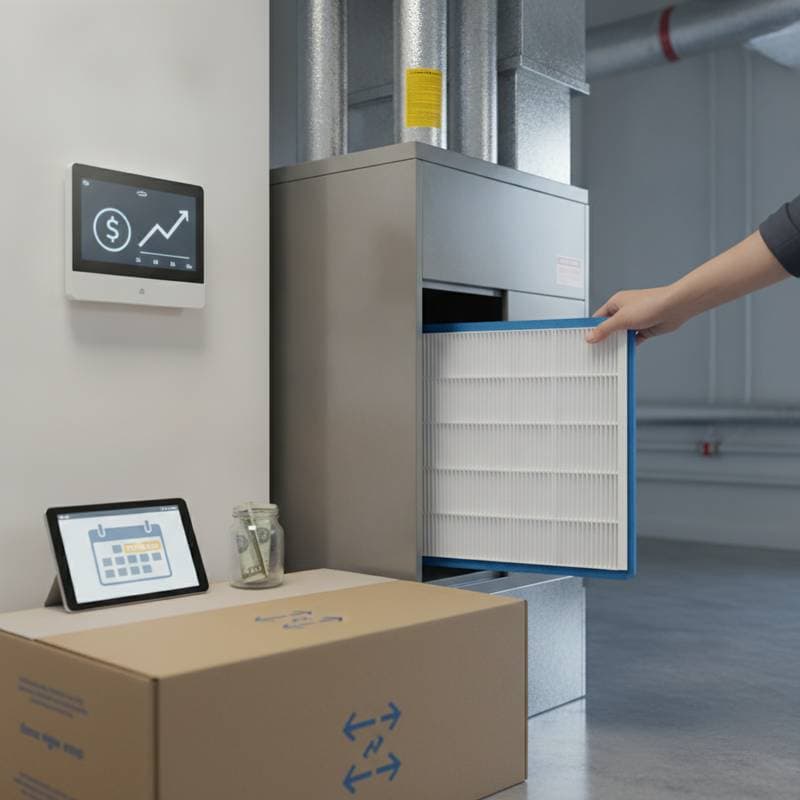
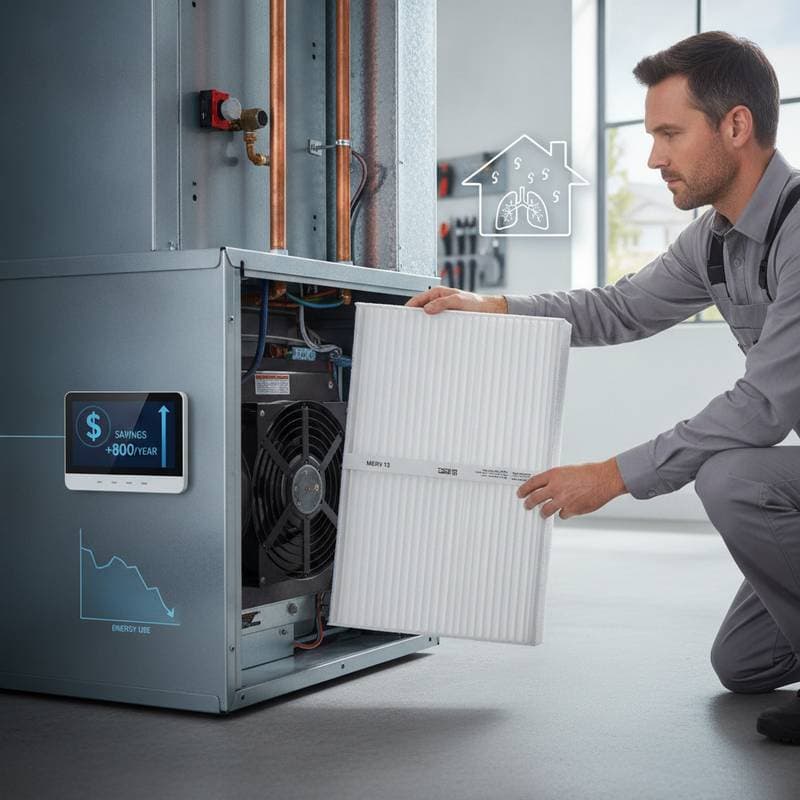
Examine the air filter as the initial and most impactful maintenance procedure. A restricted filter impedes airflow, compelling the system to exert additional effort. This increased workload risks coil freezing, overheating, or complete malfunction.
- Inspect the filter monthly during periods of intense operation.
- Swap out disposable filters or rinse reusable variants per manufacturer guidelines.
- Select the precise filter type and dimensions specified for the system.
Fresh filters safeguard the HVAC components while elevating indoor air quality. This improvement minimizes allergens and particulate matter throughout the living spaces.
Step 2: Clear Away Debris Around the Outdoor Unit
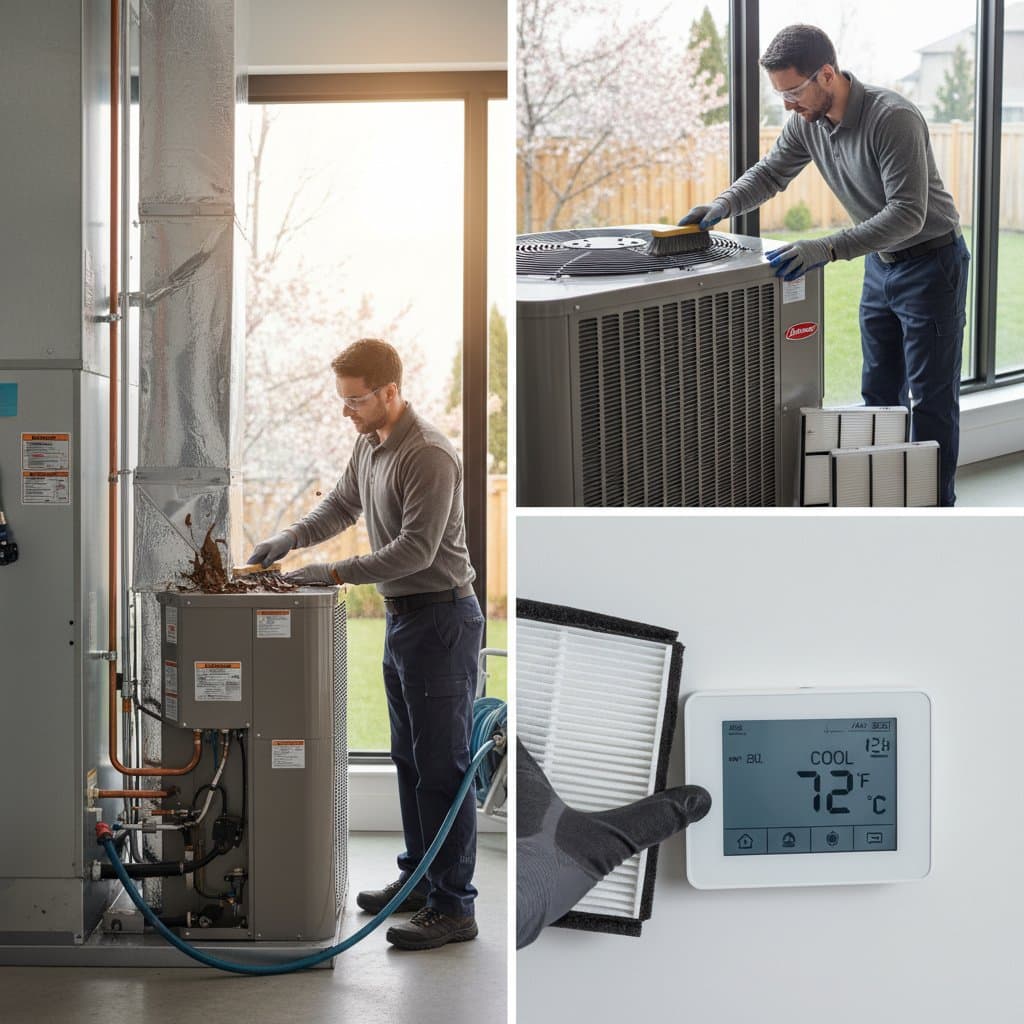
The exterior condenser demands unobstructed airflow for optimal function. Winter accumulation of foliage, twigs, and soil encases the unit, obstructing ventilation and prompting overheating.
- Disconnect power supply to the unit prior to any cleaning.
- Maintain a minimum two-foot clearance on all surrounding sides.
- Rinse the coils softly using a standard garden hose to dislodge accumulated particles.
Refrain from employing pressure washers, which may deform the sensitive coil fins. For severe debris encrustation, engage a qualified professional to perform safe removal.
Step 3: Inspect Air Vents and Registers
Tour the residence to verify that all vents and registers remain fully accessible. Obstructions from furnishings, drapery, or flooring coverings hinder airflow, resulting in uneven room temperatures and prolonged system runtime.
Weak airflow or atypical sounds may indicate ductwork impediments. In such cases, a certified HVAC specialist can assess and cleanse the ducts to reinstate balanced distribution.
Step 4: Test the Thermostat
The thermostat serves as the central control for the HVAC system, directing heating and cooling activation. Inaccurate calibration leads to excessive or inadequate operation. Evaluate functionality by adjusting the setting several degrees from ambient conditions and observing system response.
Upgrade to a programmable or intelligent thermostat for enhanced control. These devices modulate temperatures according to daily routines, conserving energy while preserving consistent comfort levels.
Step 5: Check the Drain Line and Condensate Pan
Cooling units generate moisture that exits via a dedicated drain pipe. Gradual accumulation of algae, fungi, and residues clogs this conduit, risking leaks or unit damage. Preventive measures include:
- Identify the drain line and scan for evident obstructions.
- Irrigate the line with a vinegar-water solution to dissolve deposits.
- Drain and sanitize the condensate pan beneath the interior unit.
Persistent moisture or recurrent blockages necessitate professional intervention. Technicians utilize specialized equipment to unclog thoroughly and avert recurrence.
Step 6: Examine Electrical Connections and System Components
Frayed wiring or degraded electrical elements provoke intermittent operation or abrupt halts. Homeowners may conduct basic visual reviews, but electrical diagnostics and corrections require expert handling.
A qualified technician performs:
- Securing of electrical terminals.
- Measurement of motor voltage and amperage.
- Application of lubricant to mechanical elements for smoother motion.
- Assessment of blower motor and drive belts for deterioration.
These procedures mitigate sudden failures and uphold safe, reliable performance throughout the season.
Step 7: Schedule a Professional HVAC Tune-Up
Despite apparent normalcy, expert servicing offers the strongest protection against seasonal disruptions. Technicians detect subtle faults, evaluate overall capacity, and adjust refrigerant charges as needed.
A comprehensive tune-up encompasses:
- Coil examination and decontamination.
- Thermostat calibration verification.
- Safety mechanism testing.
- Refrigerant pressure evaluation.
- Efficiency analysis of the entire assembly.
Frequently Asked Questions
How often should I schedule HVAC maintenance?
Annual professional inspections and servicing represent the standard recommendation. Numerous homeowners opt for spring evaluations of cooling components and autumn checks for heating elements to align with seasonal transitions.
Can I clean my HVAC coils myself?
Light surface dust on exterior coils permits gentle hosing by homeowners. Substantial soiling demands professional attention to prevent fin distortion or harm to internal structures.
Why is my HVAC running constantly after winter?
Constant operation often stems from airflow limitations, refrigerant deficiencies, or filter contamination. Initiate resolution by installing a new filter. Continued issues warrant technician diagnosis of underlying mechanical concerns.
What happens if I skip spring maintenance?
Omission heightens breakdown probabilities, elevates utility costs, and compromises comfort. Progressive dust and component fatigue accelerate wear on vital parts.
How do I know if my HVAC system is ready for replacement?
Frequent repair demands, temperature regulation failures, or escalating energy consumption signal potential obsolescence. A professional assessment determines the viability of repairs versus full substitution.
Sustaining Peak HVAC Performance
Dedicated spring preventive actions avert significant operational challenges. Routine tasks such as filter renewal, unit perimeter clearing, and thermostat verification substantially elevate reliability. Expert inspections address intricate elements, guaranteeing safe, efficient function and enduring home comfort.