Spring HVAC Tune-Up: 8 DIY Steps Before Summer Heat
When warmer weather arrives, the air conditioner assumes a critical role in maintaining home comfort. A spring HVAC tune-up prepares the system to operate efficiently before the initial heatwave arrives. Homeowners often neglect this preparation, which leads to unexpected breakdowns later in the season. The following guide outlines essential knowledge and eight straightforward DIY tasks to ready the HVAC system for summer, ensuring optimal performance and avoiding expensive repairs.
Why a Spring HVAC Tune-Up Matters
The HVAC system endures significant strain during the colder months, accumulating dust, debris, and general wear. A spring tune-up detects minor issues before they escalate into major problems. This process enhances energy efficiency, reduces utility bills, and prolongs the equipment's operational life.
A properly maintained system delivers consistent comfort while consuming less power. It also promotes superior indoor air quality, a key benefit for individuals with allergies or asthma.
8 DIY Steps to Prepare Your HVAC System for Summer
Basic maintenance requires no specialized expertise. These eight steps suit most homeowners and yield substantial improvements in system performance.
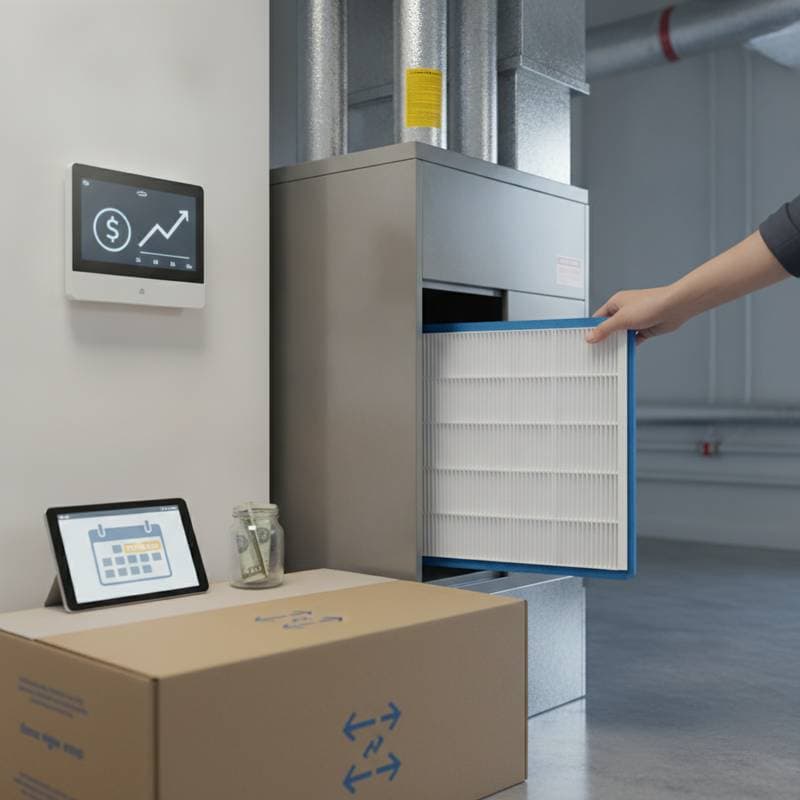
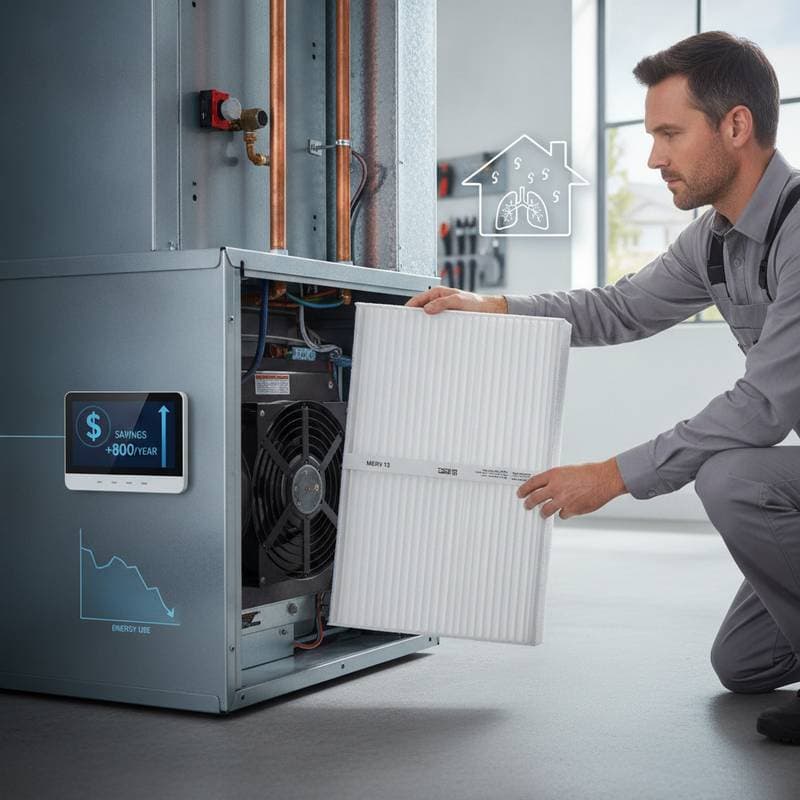
1. Replace or Clean the Air Filter
The air filter captures dust particles and allergens, preserving clean indoor air. A clogged filter forces the system to labor excessively, which increases energy use and diminishes airflow.
- Inspect the filter on a monthly basis.
- Replace disposable filters or wash reusable ones according to the manufacturer's guidelines.
- Select the precise size and type compatible with the system.
2. Clear Debris Around the Outdoor Unit
Leaves, twigs, and soil gather around the outdoor condenser unit, impeding airflow and reducing efficiency.
- Disconnect power to the unit for safety.
- Clear all debris from a two-foot radius surrounding the unit.
- Rinse accumulated dirt from the fins using a garden hose at low pressure to prevent damage.
3. Inspect Air Vents and Registers
Obstructed vents cause uneven cooling and place extra stress on the system.
- Survey the home to confirm all vents remain open and free from obstructions such as furniture or drapes.
- Vacuum dust from the vents.
- Wipe surfaces with a damp cloth to refresh them for the season.
4. Check the Thermostat Settings
Verify that the thermostat operates in cooling mode.
- Adjust the setting from heat to cool.
- Lower the temperature by a few degrees below the ambient room level to confirm system activation.
- For enhanced comfort and energy conservation, install a programmable or smart thermostat that modulates settings during absences.
5. Clean the Condensate Drain Line
The air conditioner extracts humidity from the air, directing moisture through a condensate drain. Algae and sediment eventually block this line, resulting in leaks or water damage.
- Identify the drain line adjacent to the indoor unit.
- Introduce one cup of white vinegar into the line to inhibit clogs.
- If water accumulates, engage a professional for safe clearing.
6. Inspect the Ductwork
Leaking ducts allow cooled air to escape, compromising efficiency.
- Examine for apparent gaps or unsecured joints near vents and registers.
- Apply foil tape or mastic sealant to minor leaks.
- For suspected extensive leaks or inadequate airflow, arrange a professional duct evaluation.
7. Examine the Outdoor Unit’s Fins and Coils
Condenser fins and coils facilitate heat dissipation from the home. Damaged fins or soiled coils impair cooling capacity.
- Assess fins for bends and employ a fin comb to realign them with care.
- Brush coils lightly or apply a dedicated coil cleaner spray.
- Protect the delicate aluminum surfaces from bending or harm.
8. Test the System and Listen Carefully
Operate the air conditioner briefly to validate functionality.
- Monitor for atypical sounds, including rattling, grinding, or buzzing.
- Confirm consistent airflow and chilled output from the vents.
When to Call a Professional
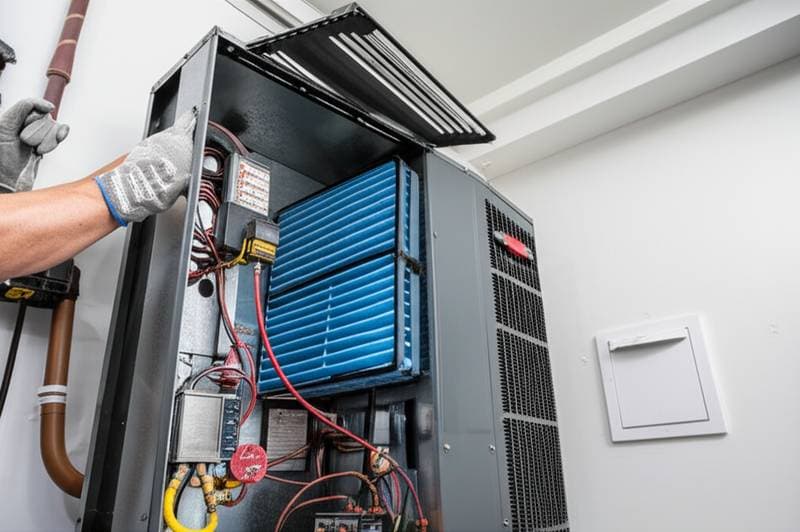
These DIY measures support routine upkeep, yet certain concerns demand an HVAC specialist. Procedures involving refrigerant levels, electrical diagnostics, and thorough internal cleaning pose safety hazards and require professional equipment.
If the system fails to cool adequately, cycles excessively, or produces inconsistent temperatures, address the issue promptly. A technician can diagnose the problem and reinstate efficiency prior to peak summer demands.
Frequently Asked Questions
How often should I schedule an HVAC tune-up?
Experts advise tune-ups twice annually: once in spring to prepare for cooling and once in fall for heating. Consistent servicing sustains efficiency and reveals minor faults early.
Can I clean my air conditioner coils myself?
Individuals may clean the exterior coil surfaces with water and a gentle cleaner. Refrain from applying high pressure or distorting fins. Professional intervention proves necessary for internal deep cleaning.
Why is my air conditioner making a buzzing sound?
Such noises often stem from unsecured components, electrical faults, or foreign objects in the fan. Deactivate the system immediately and summon a technician to prevent escalation.
What temperature should I set my thermostat to in summer?
Comfort levels typically range from 74 to 78 degrees Fahrenheit. Raise the setting modestly during absences to conserve energy while upholding livability.
How can I improve my HVAC system’s efficiency?
Maintain clean filters, secure duct seals, and commit to regular servicing. Ceiling fans assist in circulating cool air uniformly across living spaces.
Sustaining Peak HVAC Performance Year-Round
Executing a spring HVAC tune-up instills confidence as warmer months approach. Routine actions such as filter replacement, vent inspection, and debris removal optimize efficiency and prolong system durability. Delegate intricate tasks to certified professionals for secure, effective inspections, adjustments, and repairs.