Are HVAC Maintenance Plans Worth the Investment in 2025?
Evaluating the True Value of HVAC Service Agreements for Homeowners
Homeowners frequently question whether an HVAC maintenance plan represents a wise financial choice or an avoidable outlay. The average cost of such a plan ranges from $150 to $500 annually, influenced by coverage extent and equipment type. These agreements deliver routine tune-ups, expedited service, and repair reductions. HVAC providers highlight their role in prolonging system longevity and curbing future expenses.
This article examines the merits of HVAC maintenance plans against their annual cost. It details standard pricing, advantages, limitations, and selection strategies for your heating and cooling setup. Grasping the components of these contracts empowers you to assess their suitability for your residence.
Core Components of HVAC Maintenance Plans
HVAC maintenance plans emphasize proactive measures to sustain peak operation and sidestep major failures. Although specifics differ among providers, common elements address essential upkeep needs.
1. Seasonal Tune-Ups
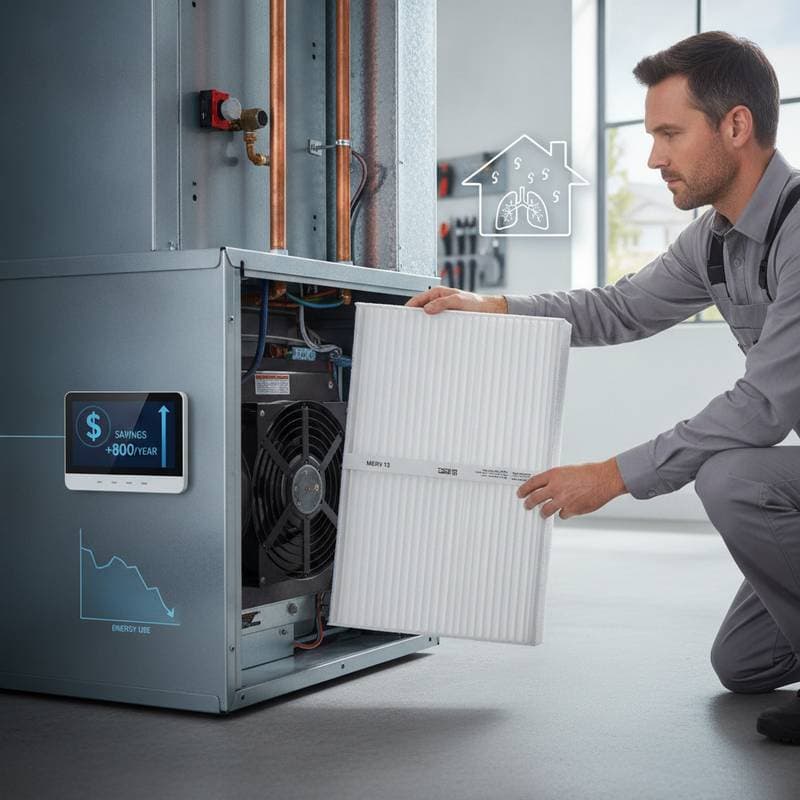
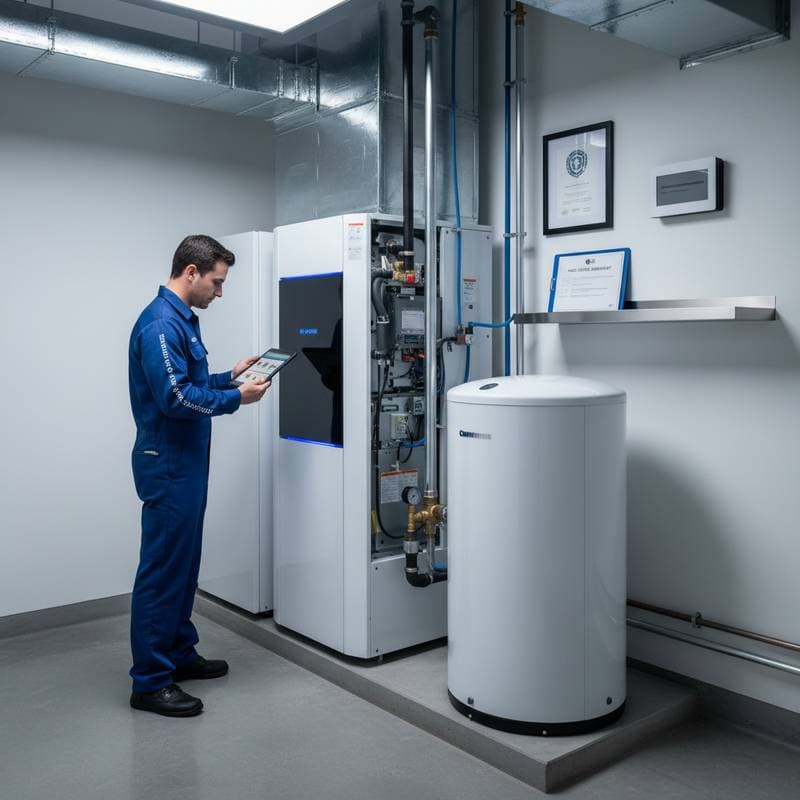
Typical agreements furnish two annual visits: one for heating preparation and one for cooling readiness. Technicians perform thorough cleanings, inspect electrical components, apply lubricants to mechanisms, evaluate filters, and confirm refrigerant charges. These sessions identify minor issues before they escalate.
2. Expedited Service Access
Plan holders gain preferential booking, particularly amid seasonal surges. This perk proves invaluable during harsh weather events, when service requests multiply.
3. Reductions on Repairs
Many contracts offer 10 to 20 percent savings on repair parts and labor. Such incentives can recoup the plan fee through a single routine fix.
4. Warranty Safeguards
Select manufacturers mandate documented yearly servicing to uphold warranty terms. A formal agreement supplies verifiable records that support claims and preserve protections.
Assessing the Worth of HVAC Service Plans
The justification for an HVAC maintenance plan rests on operational habits, equipment maturity, and financial priorities. For many, the primary returns stem from averting disruptions and upholding reliability.
Key Advantages of Enrollment
- Reduced incidence of sudden failures via proactive checks and adjustments
- Prolonged durability of components through systematic care
- Heightened operational efficiency that decreases power consumption
- Swift response times amid high-demand periods
- Cost reductions on fixes that balance the yearly investment
Newer systems under active warranties benefit from logged maintenance to sustain eligibility. Older installations gain from timely interventions that postpone full replacements.
Scenarios Where Plans Add Limited Value
Brand-new, minimally operated units with comprehensive warranties may yield modest immediate gains. In these instances, procuring standalone tune-ups remains economical until age-related concerns arise.
Frequently Asked Questions About HVAC Plans
How Frequently Do HVAC Systems Require Servicing?
Experts recommend servicing twice yearly: prior to summer cooling and winter heating. This regimen maintains cleanliness, curbs deterioration, and optimizes circulation.
Do Plans Cover Emergency Repairs?
Advanced tiers frequently encompass urgent interventions or prioritized off-hour responses. Entry-level options might exclude them, so review terms meticulously.
Is Plan Transfer Possible Upon Relocation?
Numerous providers permit transfers to subsequent owners, enhancing property appeal. Alternatives include termination or credit application toward future installations.
What Are the Consequences of Missing Maintenance?
Neglecting visits risks warranty invalidation and efficiency declines. Providers often stipulate full attendance to sustain agreement validity.
Are These Plans Tax-Deductible?
Residential agreements generally do not qualify for deductions. Commercial operators, however, may claim upkeep as operational costs.
Securing Quotes for HVAC Maintenance Plans
Essential Inquiries for Service Agreements
To compare offerings equitably, pose uniform questions to prospective providers.
- Which procedures comprise each visit?
- Does the fee cover filters or minor components?
- Is urgent service complimentary or charged extra?
- What repair or replacement discounts apply?
- Exist cancellation penalties or auto-renewal mandates?
- Can the agreement transfer upon sale?
- What records support warranty adherence?
- What response times apply during peaks?
- Do multi-unit or extended-term rebates exist?
- What exclusions limit coverage?
Safeguarding System Reliability and Savings
HVAC maintenance plans deliver dependable operation and budgeted expenses for dedicated homeowners. They excel for mature equipment or year-round intensive use. Select a plan aligned with your needs to maximize comfort and fiscal prudence.