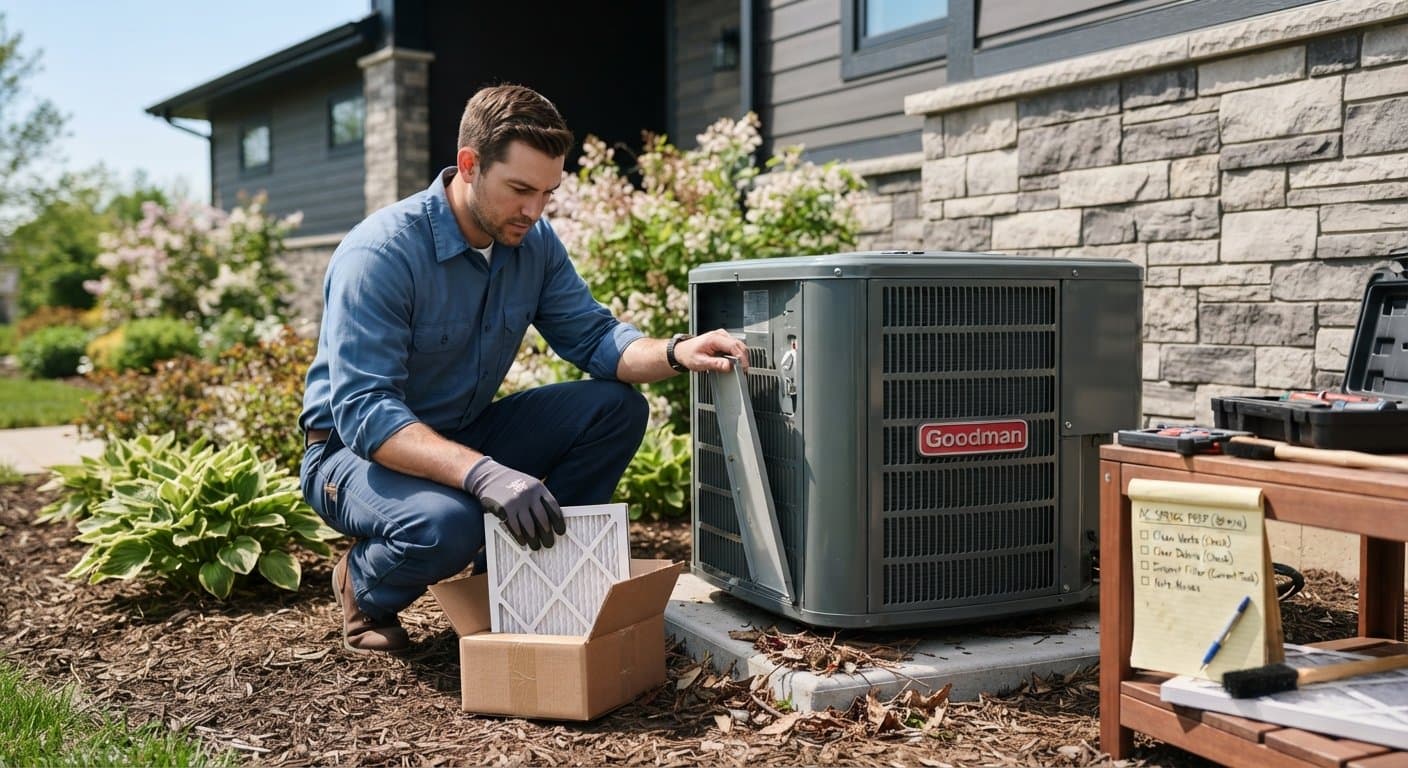
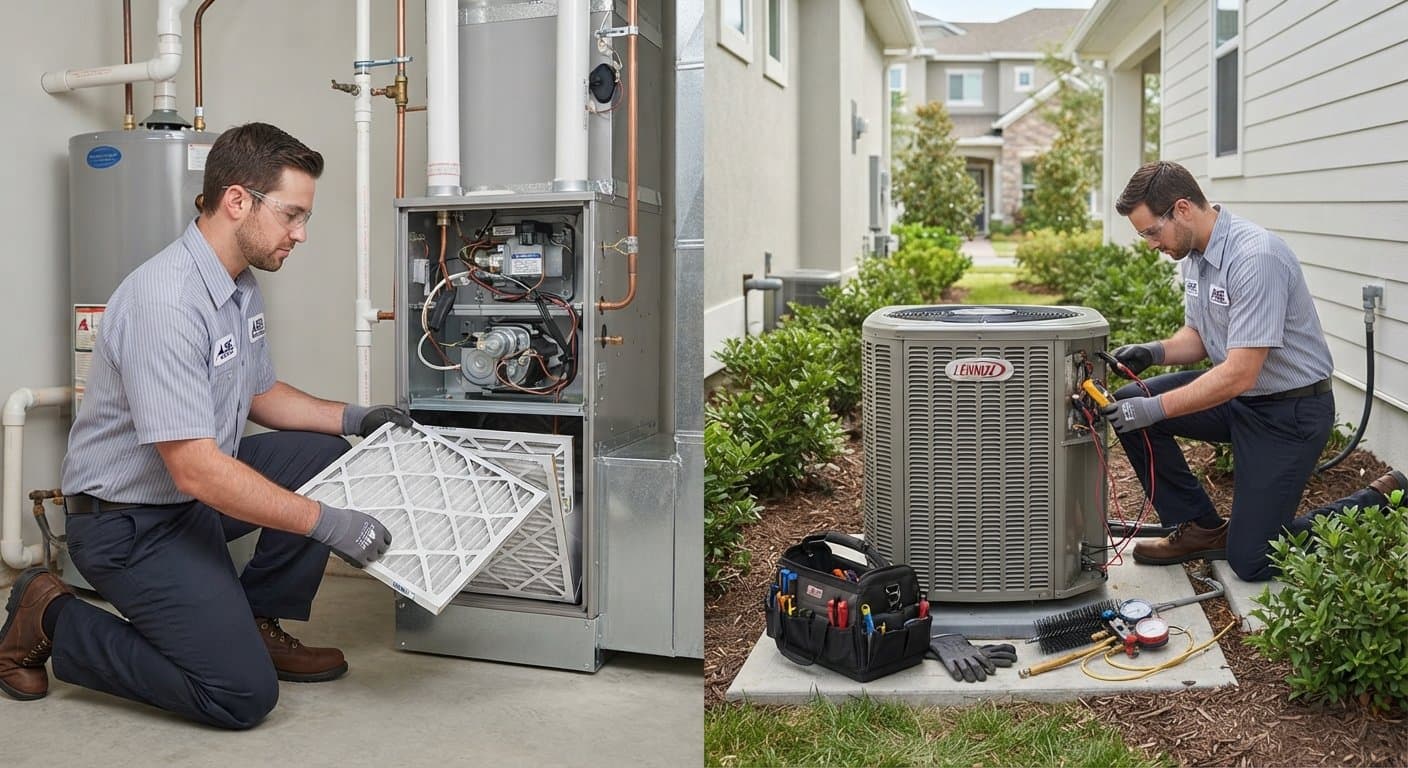
Get your air conditioner ready for warmer weather with a practical 30-minute spring checklist. Replace a dirty filter, clear vents and outdoor debris, and note unusual sounds or symptoms without touching wiring, refrigerant, or gas connections. Learn what you can safely handle yourself, what to leave to professionals, and when to schedule service.
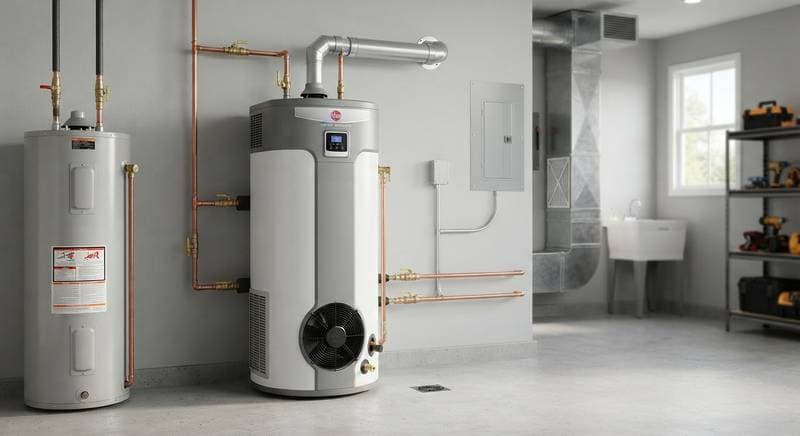
Heat pump water heaters can reduce electricity use for water heating by approximately half compared with standard electric tanks. This guide examines equipment costs, installation requirements, rebate opportunities, and factors that determine whether the investment provides value for your household.
Get your AC ready for warmer weather with a few simple checks: replace the filter, clear debris around the outdoor unit, unblock vents, inspect the condensate drain, and test the system. Leave electrical, refrigerant, and internal inspections to a qualified HVAC technician and learn which warning signs mean it is time to schedule service.
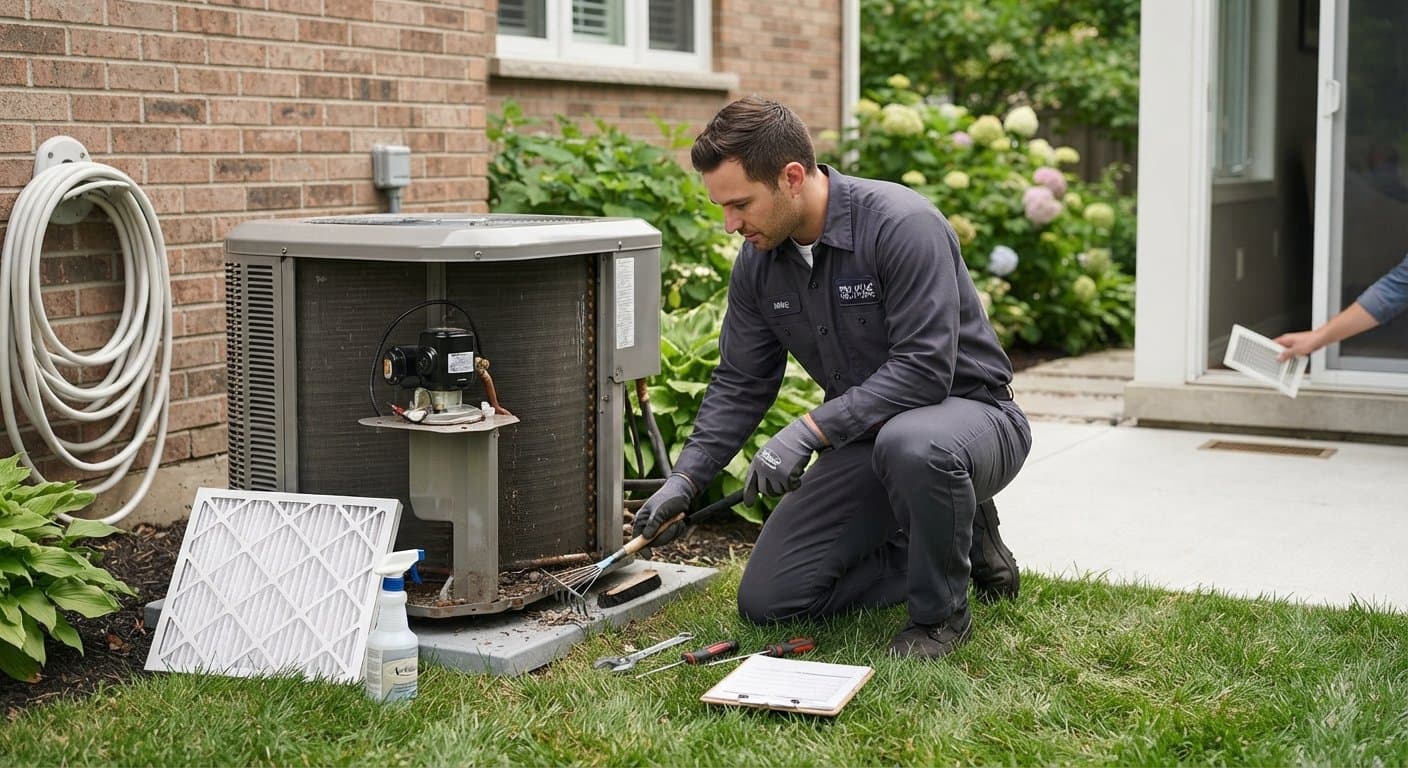
Get your HVAC system ready for warmer weather with 10 safe maintenance steps that homeowners can perform. From filter replacement and debris removal to vent checks and drain inspection, learn which tasks support system performance and when professional service is essential for electrical, refrigerant, and gas components.
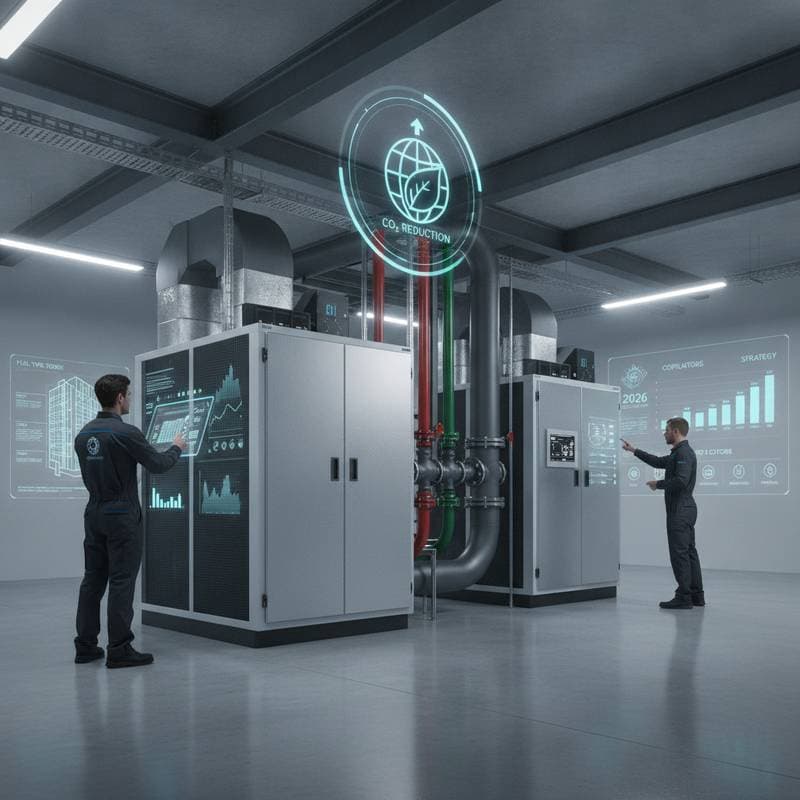
Commercial HVAC carbon costs vary by location, fuel use, refrigerants, building size, and regulations. Expenses may include fuel charges, efficiency upgrades, leak compliance, reporting, and penalties. Learn how to estimate exposure, identify savings, compare retrofit options, and prepare your building for evolving 2026 requirements with a practical compliance strategy.
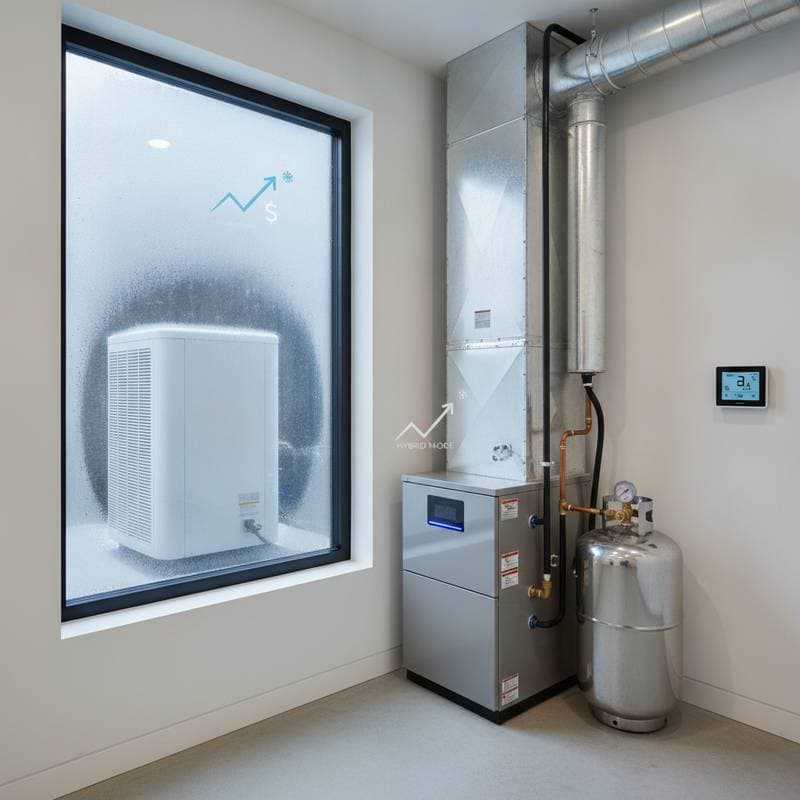
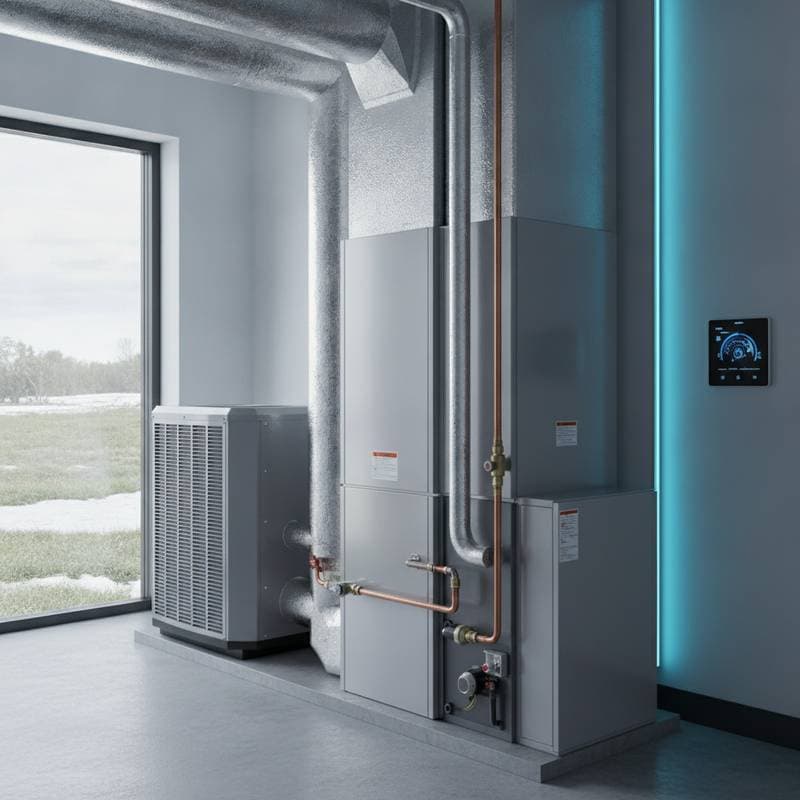
Dual fuel heating combines electric heat pumps with propane or gas furnaces to automatically select the most efficient heating source. This hybrid approach reduces winter energy costs while providing reliable backup heat during extreme cold. Discover installation costs, savings potential, system types, and professional setup requirements.
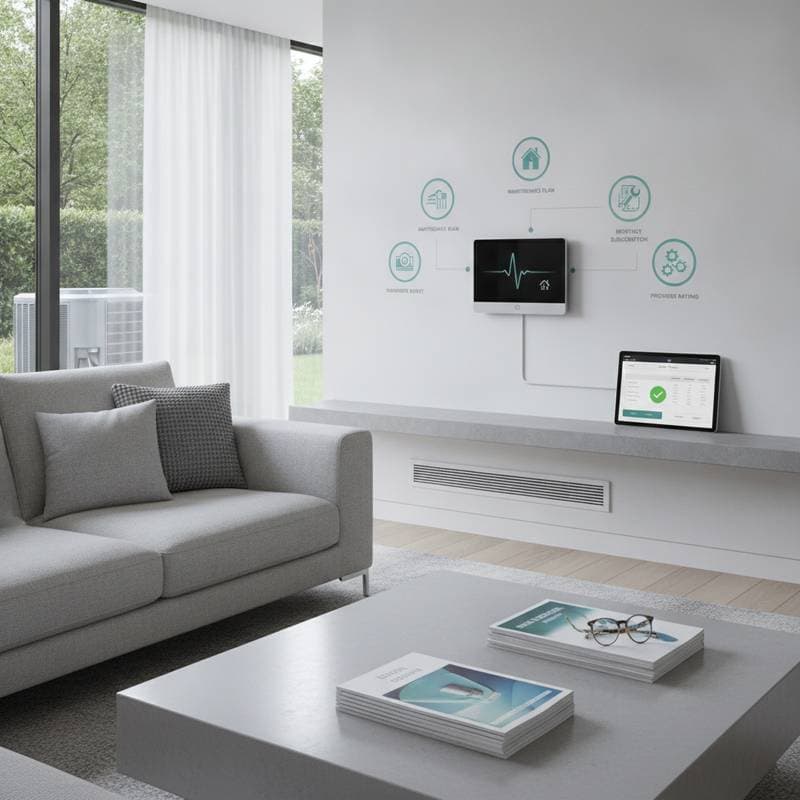
Four million households now use monthly HVAC subscriptions instead of traditional service contracts. These plans combine maintenance, monitoring, and repair discounts, though value depends on equipment age, coverage limits, and provider terms.
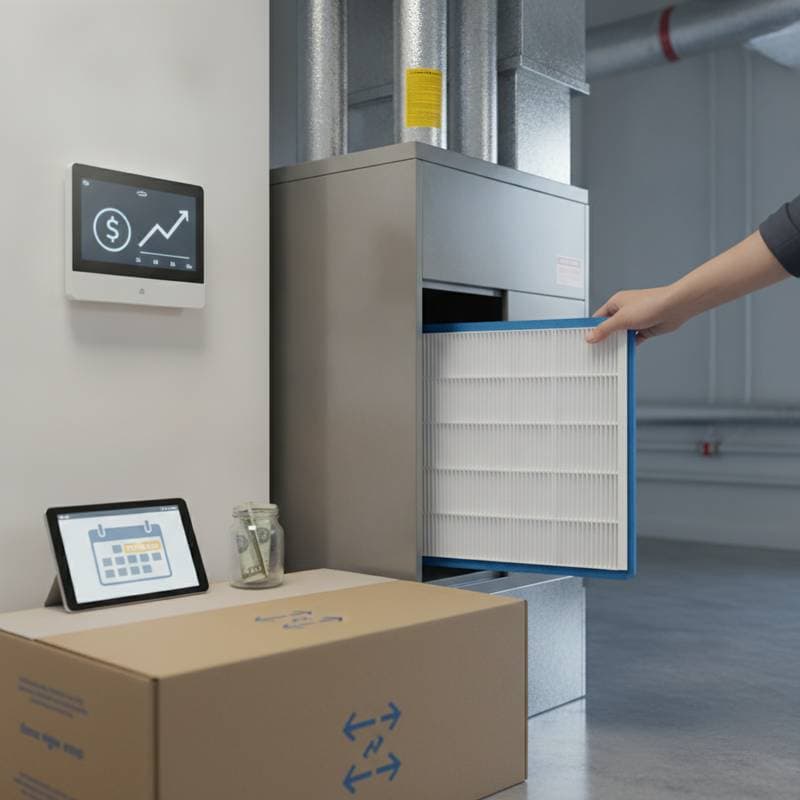
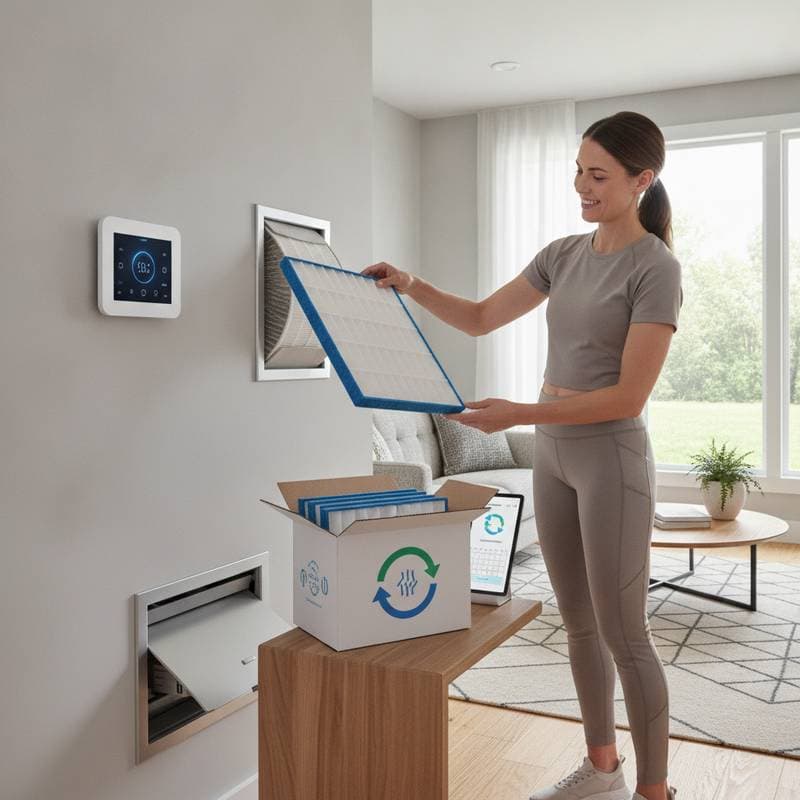
A furnace filter subscription costs roughly $8 to $30 per filter and keeps replacements on schedule. Regular changes improve airflow, support indoor air quality, reduce energy waste, and may prevent costly breakdowns, potentially saving up to $800 in a heating season. Learn how filter type, home conditions, and furnace maintenance affect your actual savings.
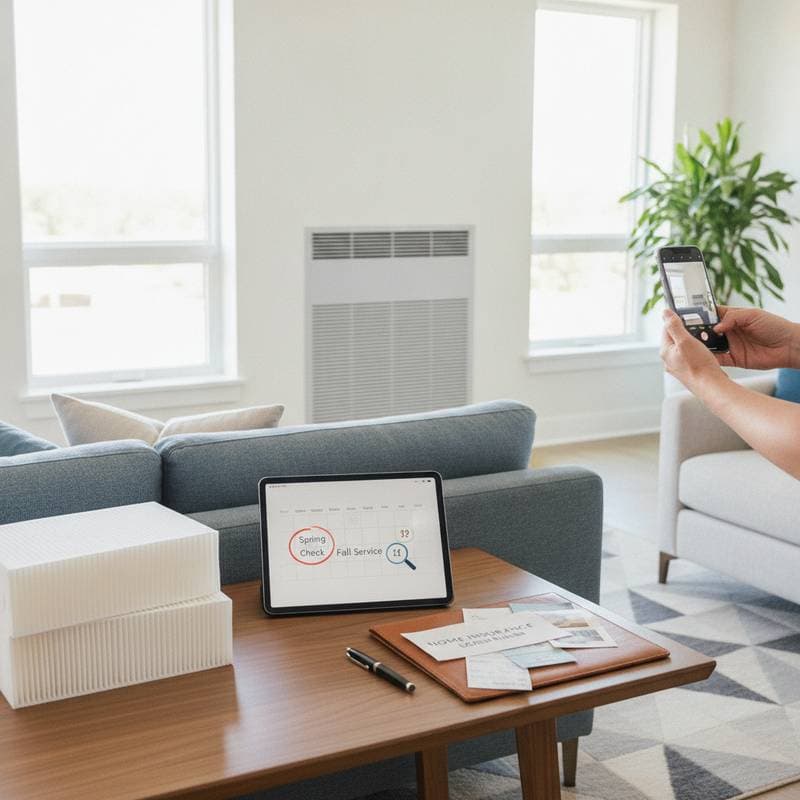
Some insurers now require documented HVAC filter changes twice yearly, affecting renewals, inspections, and claims. Requirements vary by policy, property, and equipment. Learn how often to replace filters, what maintenance costs, how to preserve receipts and photos, which questions to ask your insurer, and why proper airflow protects equipment and coverage.
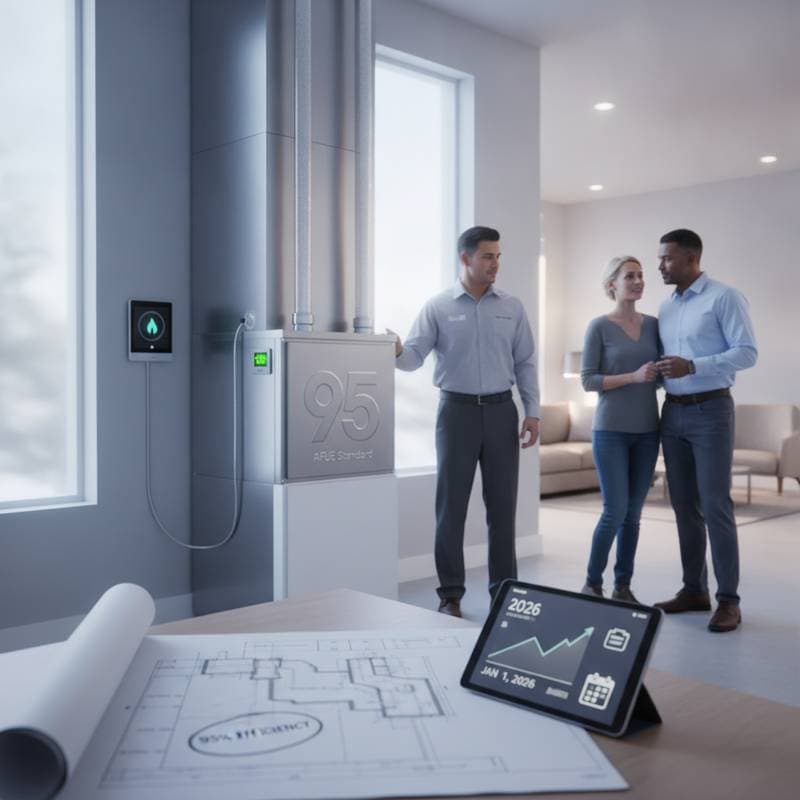
Starting in 2026, new furnaces must meet a 95% AFUE efficiency standard. This guide explains the requirement, differences in condensing technology, cost considerations, and the value of professional planning.
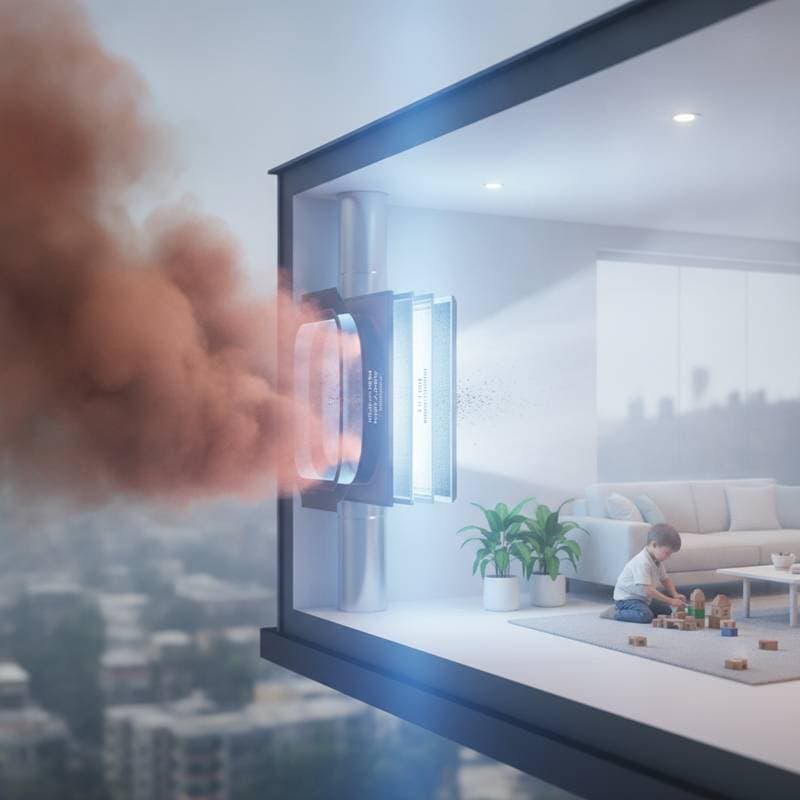
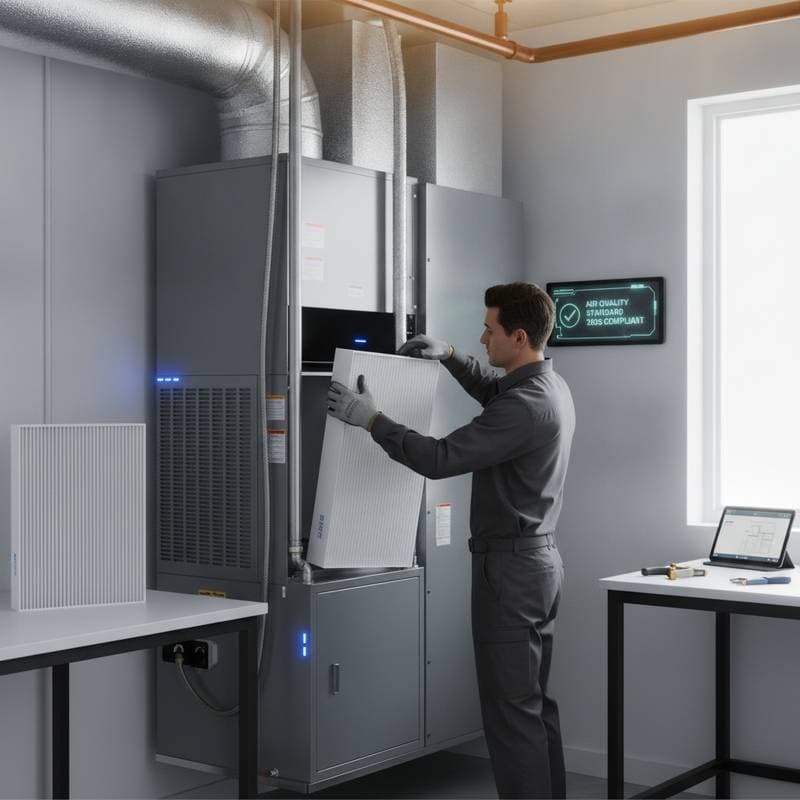
Advanced 2026 HVAC filters use high MERV ratings and specialized materials to capture fine smoke particles and odors. This guide covers performance, pricing, selection, installation, and maintenance for improved home air quality.
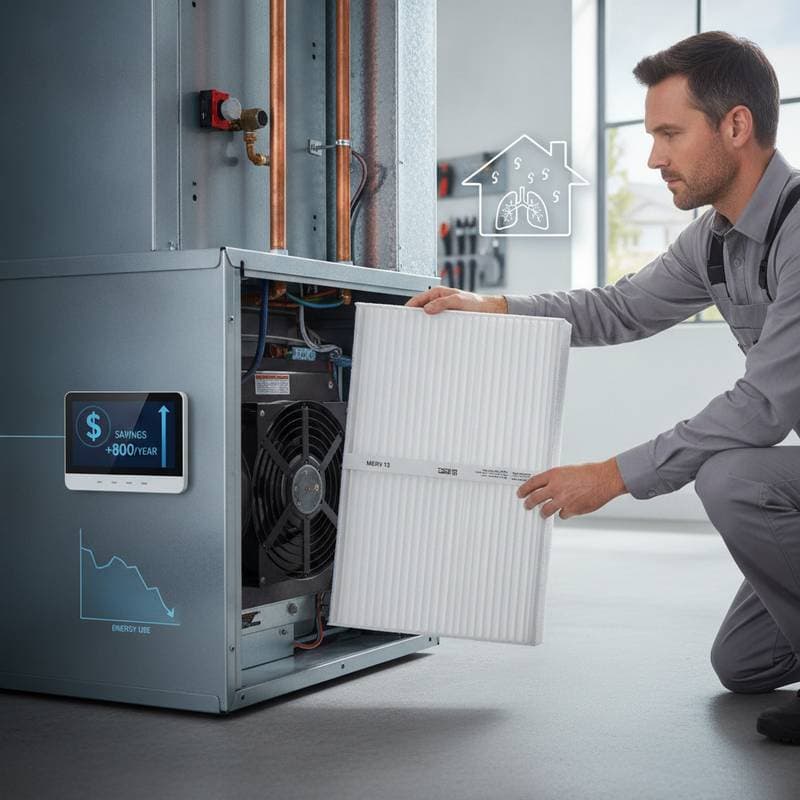
MERV 13 filters deliver measurable savings by lowering energy consumption, decreasing repair frequency, and extending HVAC lifespan. Homeowners gain cleaner air and smoother system operation with proper installation and routine changes.
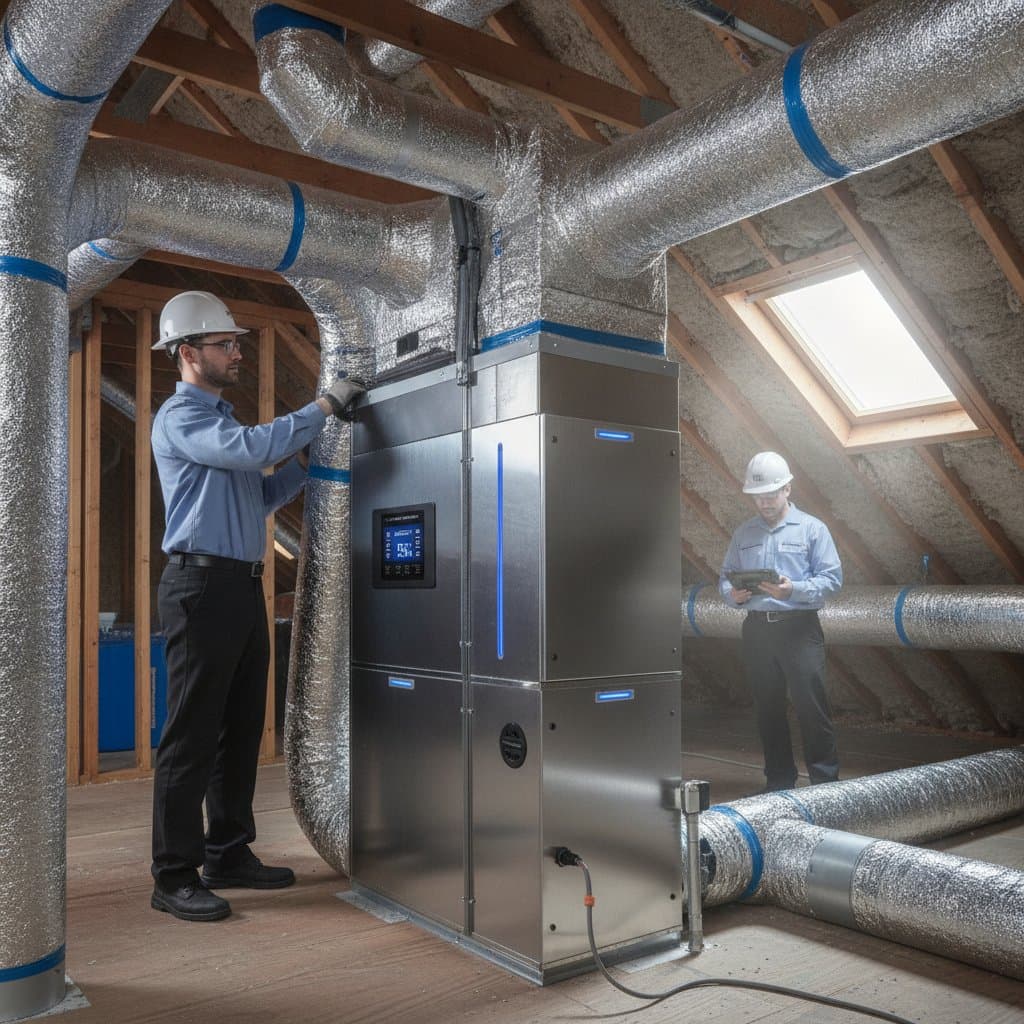
Heat recovery systems reduce HVAC energy waste by up to 55 percent. This guide explains HRV and ERV operation, costs, installation steps, and maintenance practices that improve efficiency and indoor air quality.
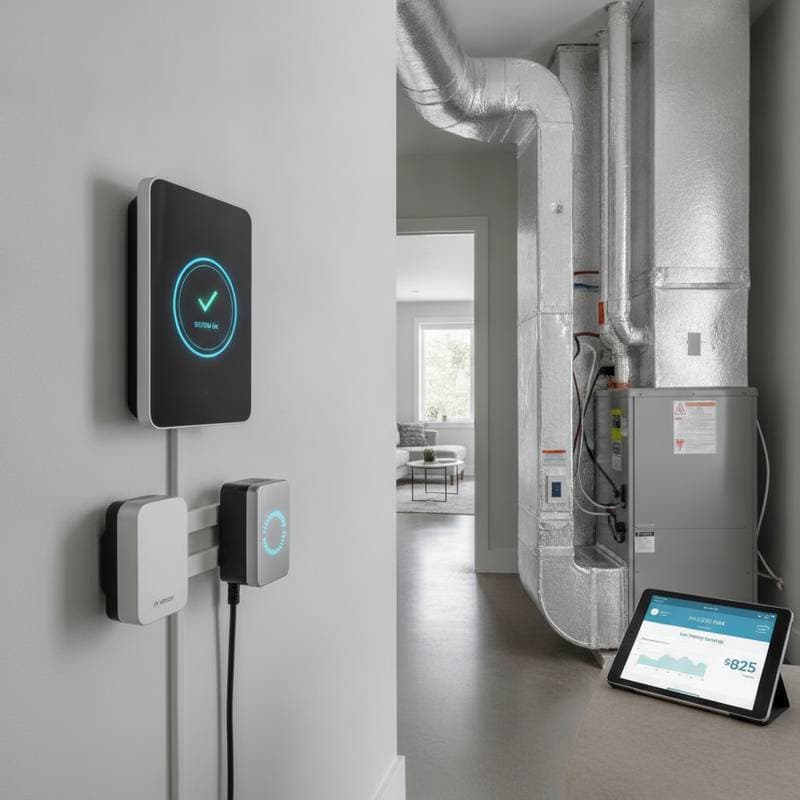
AI-driven predictive HVAC maintenance uses smart sensors to detect issues before breakdowns occur. Homeowners save over $800 annually in repairs and energy costs while extending equipment life and improving efficiency.
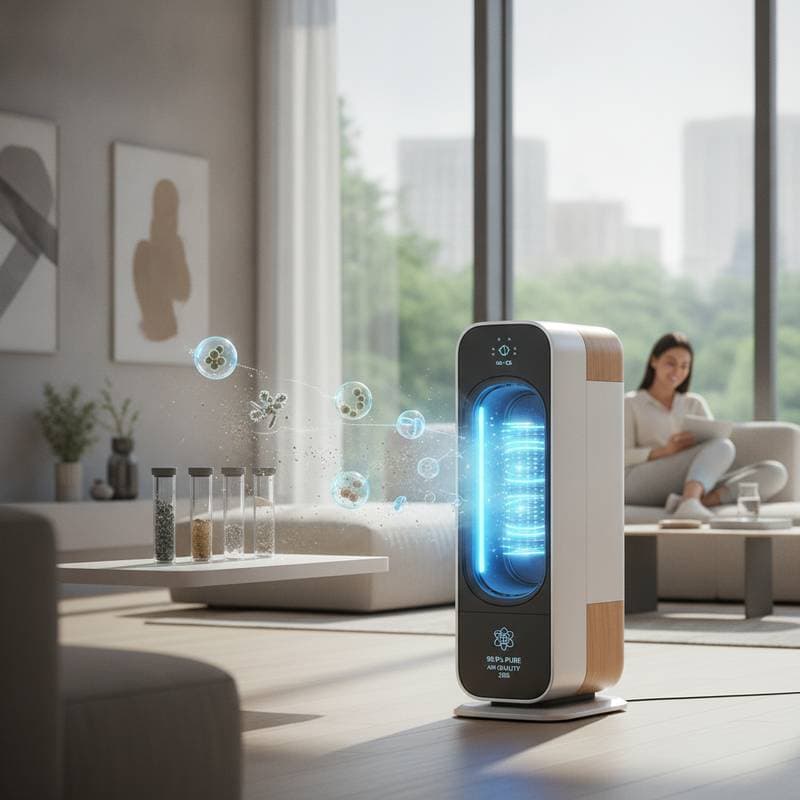
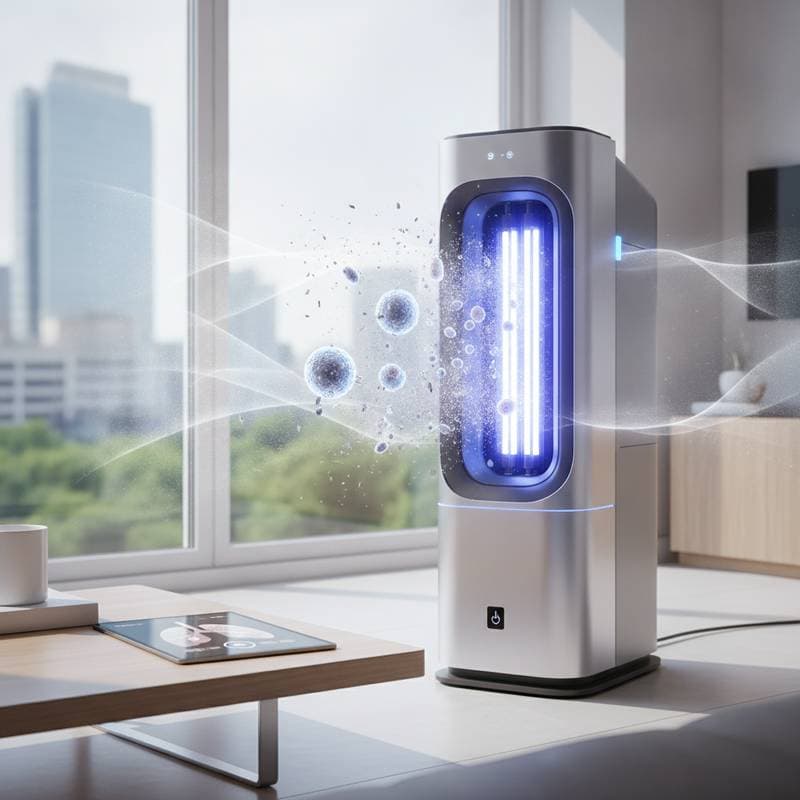
Discover why UV-C air purifiers are 2026’s essential upgrade for allergy season. Learn how ultraviolet light technology neutralizes airborne allergens, bacteria, and mold, improving indoor air quality. Explore cost ranges from portable to whole-home systems, key pricing factors, maintenance tips, and expert advice to choose the right purifier.
As homeowners face unpredictable weather and rising energy costs, dual-fuel HVAC systems offer a smart, efficient solution. Combining a heat pump and furnace, they automatically switch for optimal comfort, savings, and sustainability. Learn how this hybrid technology works, its benefits, costs, and why it is transforming home heating and cooling.
By 2026, homeowners must upgrade to HEPA 13 HVAC filters to capture 99.97 percent of airborne particles. Though installation averages $200 to $500, benefits include healthier air, longer system life, and compliance with new standards.
Over eight million homeowners now rely on HVAC filter subscriptions for automatic deliveries, improved air quality, and reduced energy use. The service removes the need to track replacement dates while protecting system performance.
UV-C air purifiers are emerging as the 2026 allergy solution, using ultraviolet light to destroy airborne bacteria, mold, and allergens. More effective than standard filters, they improve indoor air quality, reduce odors, and ease allergy symptoms. Learn how they work, installation options, costs, and maintenance essentials for cleaner air.
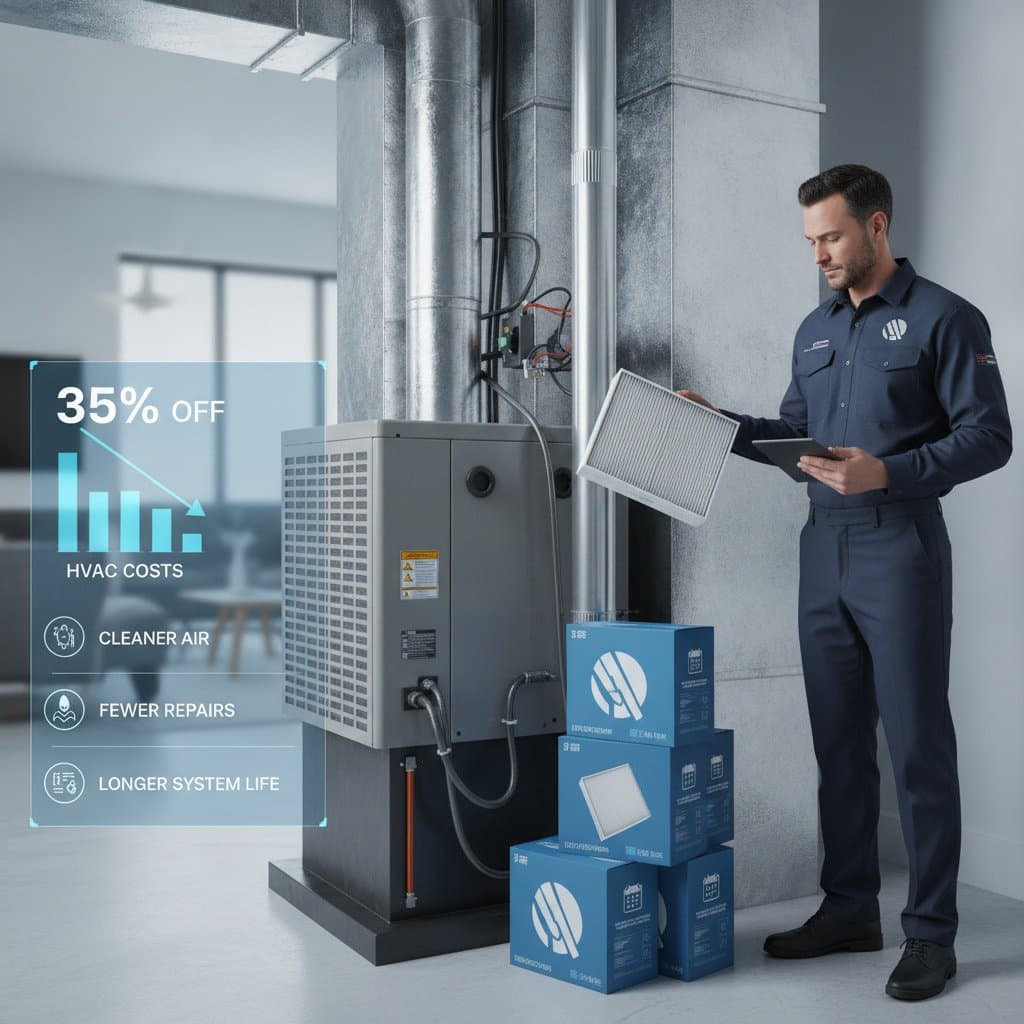
HVAC filter subscriptions deliver clean air, fewer repairs, and savings up to 35 percent by automating replacements that keep systems efficient year round.