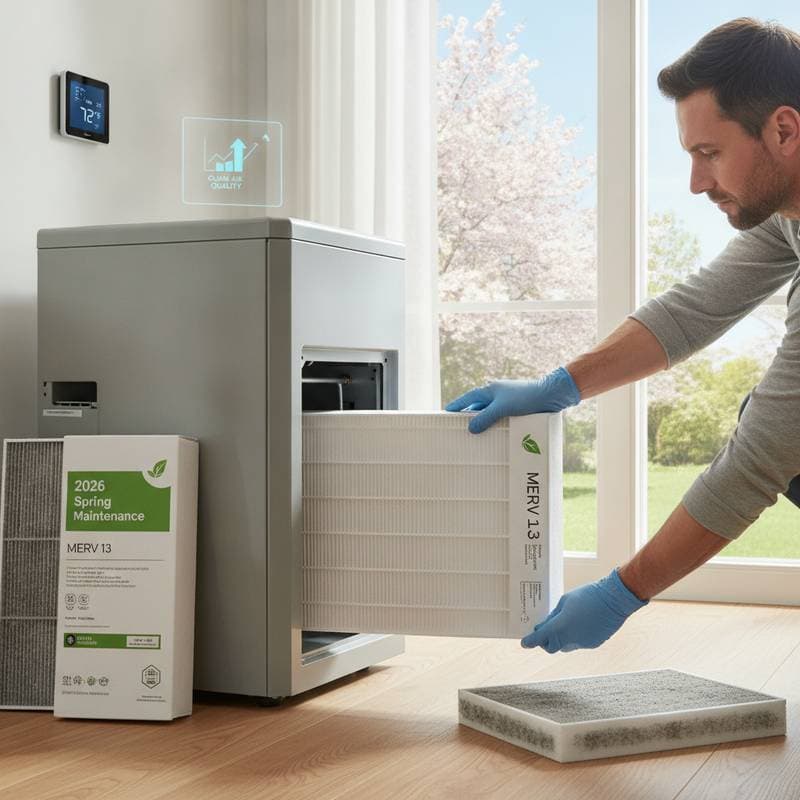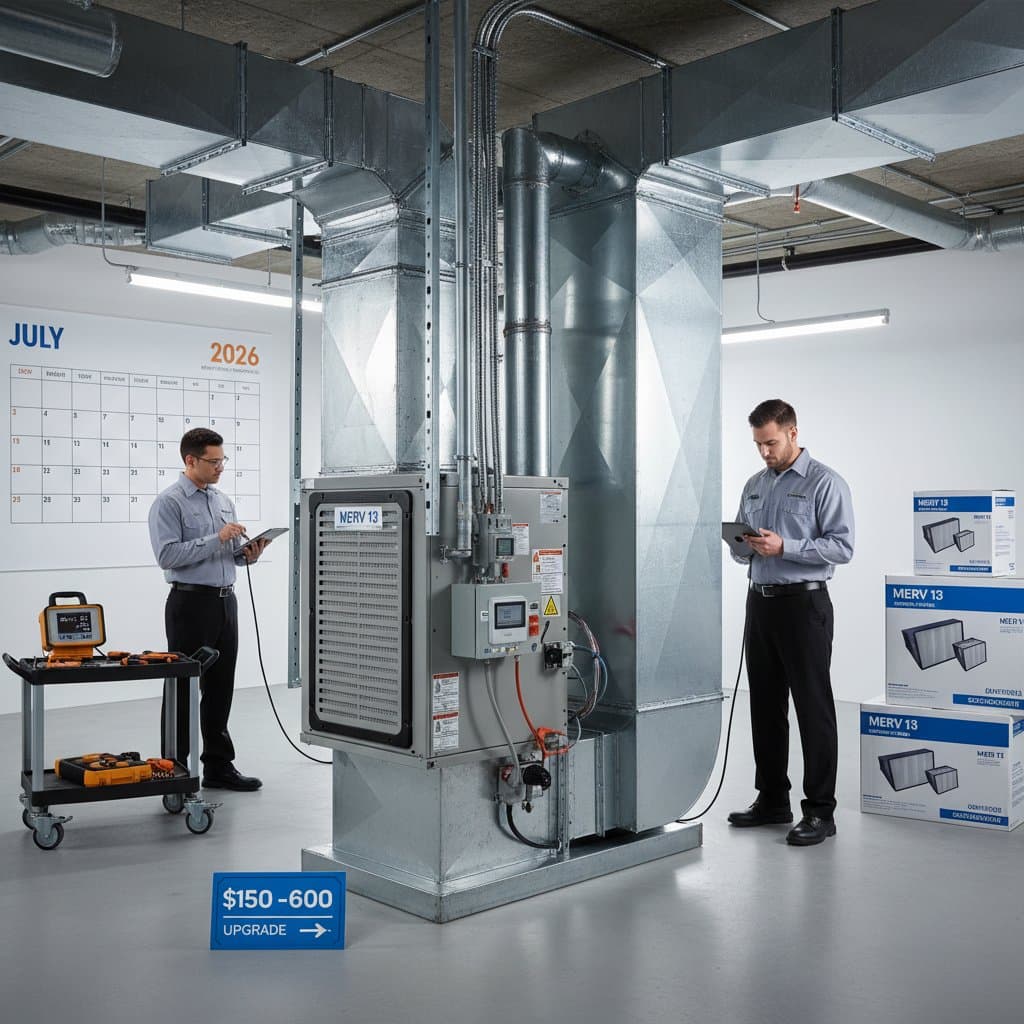
The Department of Energy (DOE) has introduced new standards for HVAC systems that mandate the use of filters rated at MERV 13 or higher. This regulation aims to enhance indoor air quality by capturing more airborne contaminants in residential and commercial settings. Property owners and managers benefit from early planning, as the requirement becomes effective in July 2026.
This guide covers the essentials of MERV 13 filters, the implications of the regulation, anticipated expenses, and preparation strategies for your HVAC system.
| Item | Key Information |
|---|---|
| New DOE Requirement | Minimum MERV 13 filter for residential and commercial HVAC systems |
| Purpose | Improve indoor air quality and reduce airborne pollutants |
| Compliance Deadline | July 2026 |
| Typical Cost to Upgrade | $150 to $600 for most systems |
| Benefits | Cleaner air, fewer allergens, improved system efficiency |
What Is a MERV 13 Filter?
MERV represents Minimum Efficiency Reporting Value, a scale that evaluates a filter's capacity to trap particles from the air. Higher ratings indicate superior particle capture.
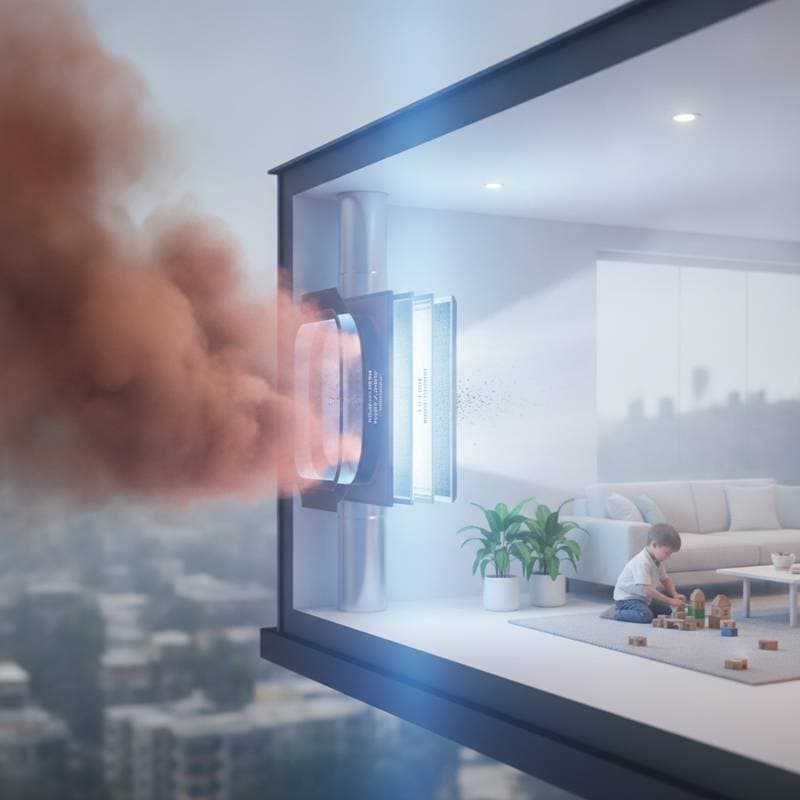
A MERV 13 filter targets particles down to 0.3 microns in size, such as bacteria, smoke, pet dander, and certain viruses. This level outperforms the MERV 8 filters typical in many legacy systems, providing advanced filtration. However, the denser material in MERV 13 filters increases airflow resistance, so legacy HVAC units often require adjustments to sustain optimal operation.
Average Cost to Upgrade to MERV 13
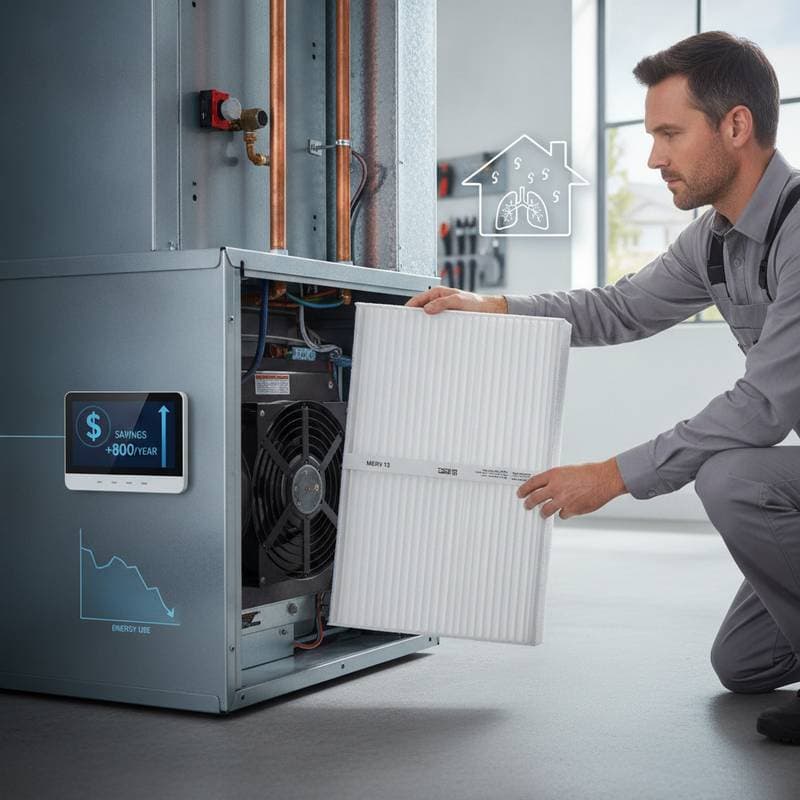
Expect costs between $150 and $600 for transitioning to a MERV 13 filter, influenced by your system's configuration and necessary adaptations. Professionals might need to install a new blower motor, alter ductwork, or add specialized filter housing to preserve airflow.
Systems designed for high-efficiency filters simplify the process to a straightforward replacement. Legacy setups, by contrast, demand more involved interventions.
Typical Upgrade Costs by System Type
| System Type | Average Upgrade Cost |
|---|---|
| Central Air Conditioner | $250 - $500 |
| Heat Pump | $200 - $450 |
| Furnace | $150 - $400 |
| Ductless Mini-Split | $300 - $600 |
Key Factors That Affect Upgrade Costs
Multiple elements shape the expense of achieving DOE compliance with MERV 13 filters. Grasping these allows for precise budgeting.
HVAC System Age and Condition
Systems over ten years old frequently encounter challenges with dense filters due to airflow limitations. In such instances, technicians may perform targeted modifications or recommend complete replacements to manage the added resistance effectively.
Filter Size and Compatibility
Filters vary in dimensions across HVAC models. Nonstandard sizes necessitate custom solutions or housing alterations, which elevate costs and may involve lead times for procurement.
Airflow and Static Pressure
The density of MERV 13 filters elevates static pressure within ducts. To counteract this, experts often upgrade blower motors or refine duct configurations, ensuring consistent airflow and occupant comfort.
Labor and Service Rates
Regional differences influence labor expenses, with hourly rates typically spanning $75 to $150. Extensive retrofits, including electrical or structural changes, result in elevated total charges.
Types of HVAC Filters and Their Differences
Familiarity with filter varieties aids in selecting the optimal option for MERV 13 compliance.
-
Fiberglass Filters
Pros: Inexpensive and simple to install.
Cons: Offer minimal efficiency, failing to satisfy MERV 13 standards. -
Pleated Filters
Pros: Effectively trap dust and pollen; available up to MERV 13.
Cons: Potentially impede airflow in aging systems. -
Electrostatic Filters
Pros: Reusable after washing; adept at fine particle removal.
Cons: Higher initial investment; performance declines with accumulated debris. -
HEPA Filters
Pros: Trap virtually all airborne particles.
Cons: Require significant system alterations for residential use.
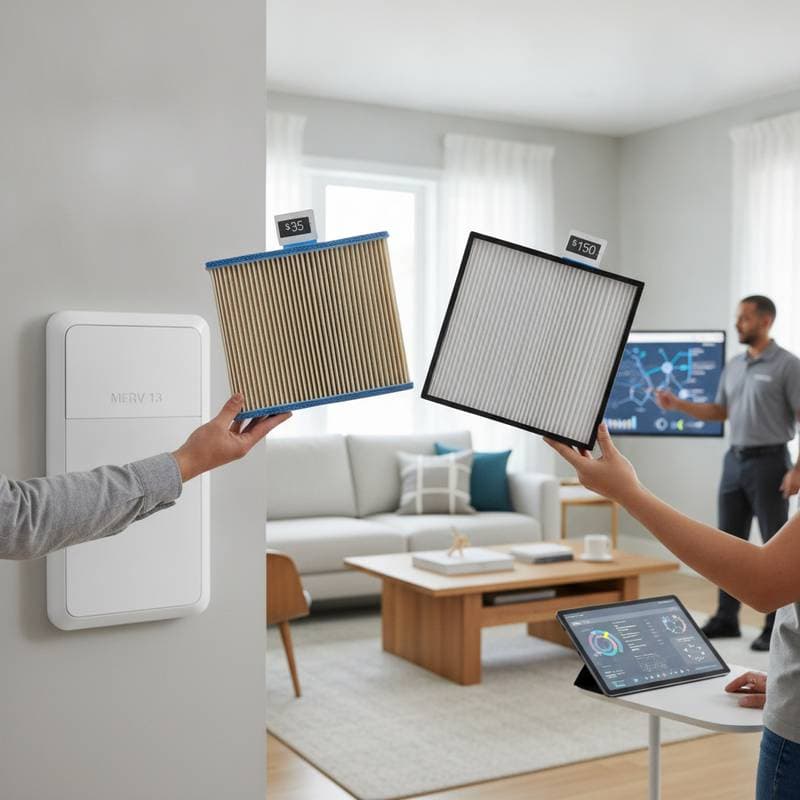
Pleated MERV 13 filters strike an ideal balance of affordability, efficacy, and system compatibility for most homes.
Signs You May Need a Filter or System Upgrade
Certain indicators suggest your existing filtration struggles to perform adequately:
- Persistent dust accumulation on furnishings despite frequent cleaning.
- Aggravated allergy or asthma conditions in the household.
- Inconsistent room temperatures or diminished vent output.
- Abnormal sounds from the blower assembly.
- Escalating utility costs without altered consumption patterns.
These symptoms signal airflow or filtration deficiencies. Proactive measures now prevent costlier interventions down the line.
The Upgrade Process: What to Expect
A certified HVAC specialist follows a structured approach to implement MERV 13 compliance:
- System Inspection – Assess filter compartment, blower, and ducts for compatibility.
- Airflow Testing – Gauge static pressure to verify tolerance for denser filtration.
- Filter Selection – Identify a MERV 13 option matched to your unit's specifications.
- System Modification – Adapt housing, blower settings, or ducting as required for optimal flow.
- Installation and Testing – Fit the filter, verify functionality, and measure air quality improvements.
Most projects conclude within a single appointment, spanning several hours.
Labor Costs for MERV 13 Compliance
Installation labor for MERV 13 adaptations ranges from $100 to $400, based on project scope. Complex adjustments involving electrical or structural elements can push expenses beyond $600.
Engaging qualified professionals guarantees adherence to DOE guidelines while safeguarding system longevity.
Frequently Asked Questions About the MERV 13 Requirement
What Happens If You Do Not Upgrade to a MERV 13 Filter?
Post-July 2026, noncompliance risks inspection failures or warranty invalidation. Compliance preserves efficiency and aligns with federal mandates.
Will a MERV 13 Filter Reduce HVAC Efficiency?
Proper installation mitigates this concern. Technicians calibrate the system to offset resistance, upholding airflow and thermal performance.
Can Every HVAC System Handle a MERV 13 Filter?
Compatibility varies; compact or dated units often require enhancements or component swaps to support the filter's demands.
How Often Should You Replace a MERV 13 Filter?
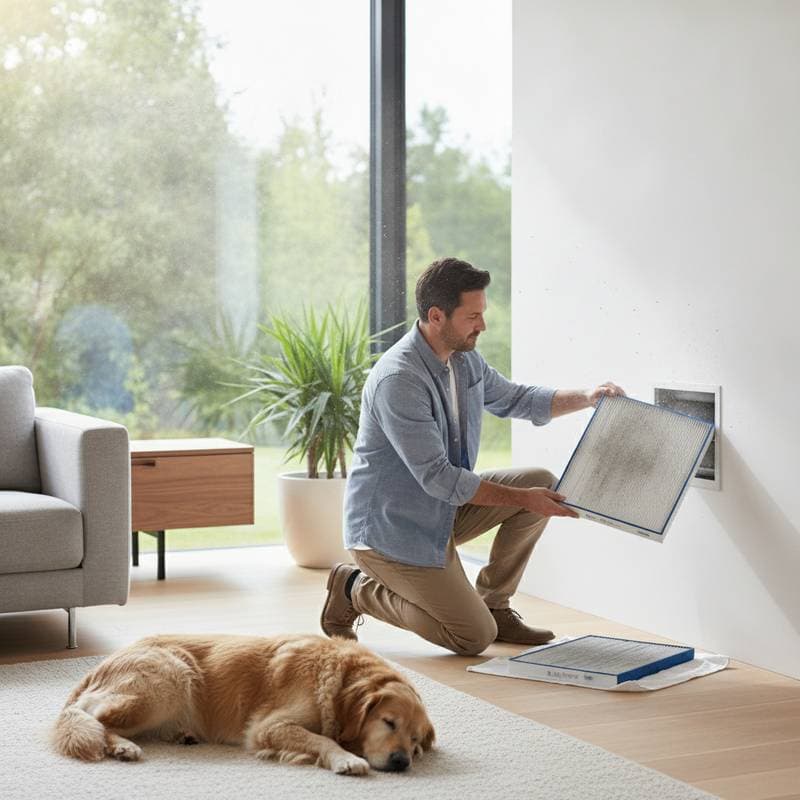
Replacement intervals depend on usage and environment but generally occur every 3 to 6 months. Monitor pressure differentials or visual indicators to determine precise timing.
Steps to Achieve Compliance Before the Deadline
Begin by scheduling a professional assessment of your HVAC setup to identify necessary changes. Select filters from reputable manufacturers that meet or exceed MERV 13 specifications. Budget for potential modifications and monitor regulatory updates from the DOE. These actions position your system for seamless adherence, yielding long-term gains in air purity and energy savings.