Understanding HVAC Subscription Costs in 2025
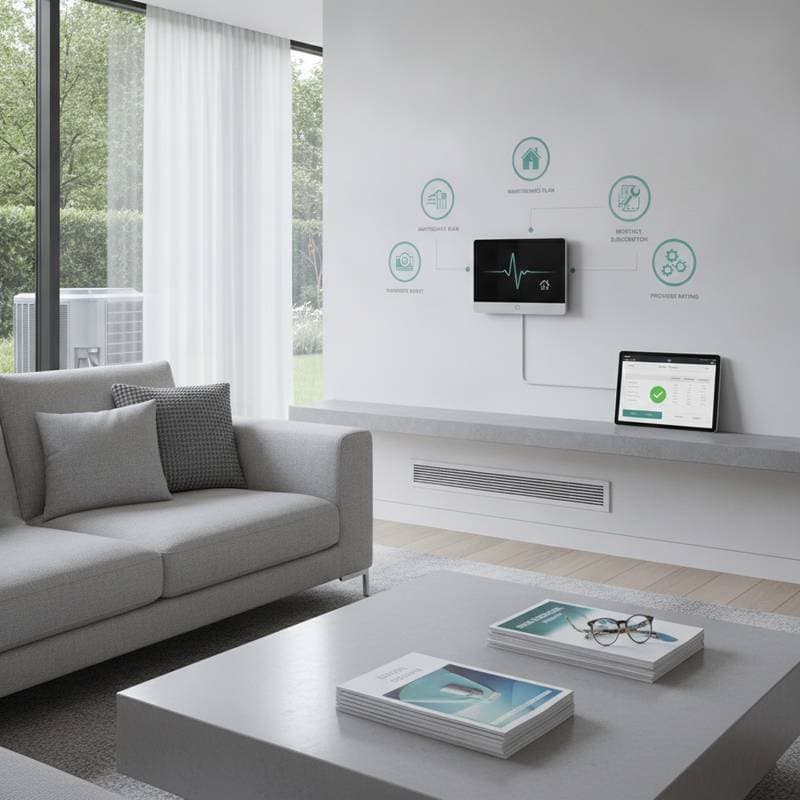
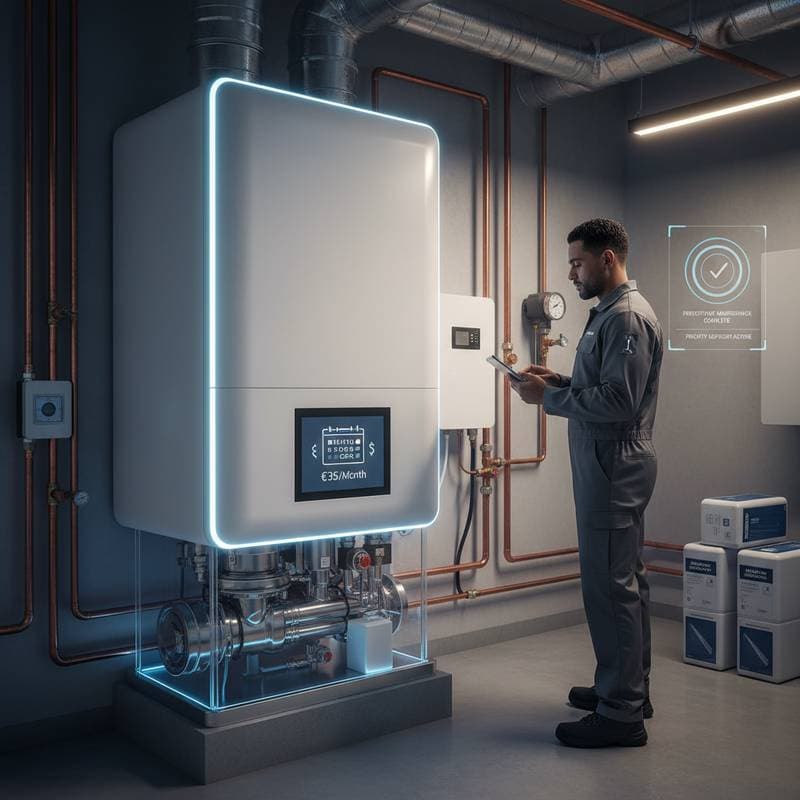
Homeowners increasingly adopt HVAC subscription services to manage heating and cooling systems effectively. These services provide scheduled maintenance, priority repair access, and performance oversight for a fixed monthly or annual payment. In 2025, typical plans cost between $15 and $50 per month, influenced by coverage scope, equipment scale, and service provider.
This guide details the components of HVAC subscriptions, pricing structures, homeowner advantages, and emerging trends in residential comfort management. It includes breakdowns of plan categories, pricing influences, and essential inquiries for selecting an appropriate service.
Breaking Down Average Costs
Pricing for HVAC subscriptions varies based on service depth, equipment configuration, and regional factors. Options span from essential upkeep packages to comprehensive agreements that encompass repairs and digital surveillance.
| Plan Type | Monthly Cost | Annual Cost | Key Inclusions |
|---|---|---|---|
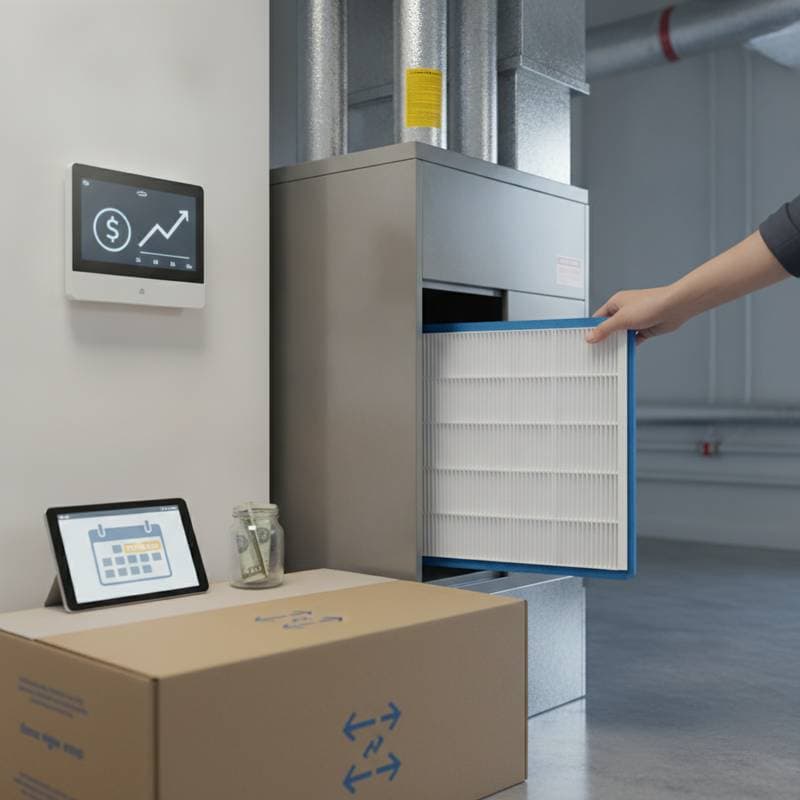
| Basic Preventive Plan | $15–$25 | $180–$300 | Two annual tune-ups, filter changes, full system checks |
| Enhanced Maintenance Plan | $25–$40 | $300–$480 | Priority appointments plus repair discounts |
| Full-Service Subscription | $40–$50 | $480–$600 | Repair coverage for parts and labor, plus round-the-clock monitoring |
Providers frequently propose reduced annual fees for upfront payments, enhancing affordability for committed users.
Key Factors Influencing Pricing
Subscription expenses fluctuate due to multiple variables. Grasping these elements enables precise plan comparisons and selections aligned with individual budgets and equipment needs.
Equipment Type and Scale
Residences with expansive layouts or multiple units demand advanced plans. Servicing a standalone heat pump proves less expensive than maintaining an integrated setup of furnace, air handler, and mini-split systems.
Coverage Extent
Basic options limit services to routine inspections, keeping costs low. Comprehensive packages that absorb parts, labor, and urgent interventions suit aging equipment prone to issues.
Service Visit Cadence
Standard plans feature biannual checkups, while premium ones incorporate quarterly assessments. Increased visit frequency elevates expenses yet bolsters operational dependability.
Integration of Smart Features
Contemporary plans often bundle IoT sensors for remote analysis. Such technological additions enhance usability but contribute to higher premiums.
Regional Service Variations
Expenses reflect local technician compensation and market dynamics. Regions with elevated wages or fewer competitors experience marginally increased rates.
Incentives and Discounts
Providers extend introductory offers or loyalty rewards upon enrollment. Energy-saving upgrades within plans may qualify for additional rebates.
Evaluating Plan Options
Plan selection hinges on family requirements and equipment condition. The following comparison highlights standard inclusions across tiers.
| Feature | Basic Plan | Enhanced Plan | Full-Service Plan |
|---|---|---|---|
| Seasonal Tune-Ups | Yes | Yes | Yes |
| Filter Replacements | Yes | Yes | Yes |
| Priority Appointments | No | Yes | Yes |
| Repair Discounts | No | Yes | Yes |
| Parts Coverage | No | No | Yes |
| Remote Monitoring | No | Optional | Yes |
| Emergency Response | No | Limited | Yes |
Owners of recently installed systems typically opt for basic or enhanced levels. Those with established units often realize greater value from full-service commitments over extended periods.
Frequently Asked Questions About HVAC Subscriptions
How does a maintenance plan differ from a full subscription?
Maintenance plans focus on preset tune-ups and basic filter services. Subscriptions expand to continuous oversight, repair incentives, and potential full coverage for parts and labor, resembling comprehensive membership programs.
What service frequency do subscriptions typically provide?
Standard arrangements schedule two visits annually, aligned with heating and cooling seasons. Premium options add quarterly reviews or digital tracking for ongoing evaluation.
Do subscriptions benefit new HVAC installations?
Absolutely. Routine care sustains peak performance and upholds warranty conditions mandating proof of upkeep. Early detection of minor faults prevents escalation into significant failures.
Is cancellation flexible under most plans?
Terms differ among providers. Numerous allow exits post-initial term or impose modest penalties for premature withdrawal. Examine agreements thoroughly prior to commitment.
Do plans address urgent repairs?
Entry-level options exclude them, whereas enhanced and full tiers often provide no-cost emergency handling. Members may receive assured same-day responses.
What occurs upon relocating?
Subscriptions generally transfer seamlessly. Users can relocate the agreement or convey it to new owners, enhancing property appeal during sales.
Securing Quotes for HVAC Subscriptions
Obtain itemized proposals from multiple regional providers before deciding. Assess costs, inclusions, and reliability to inform selections. Prioritize agreements with explicit delineations of covered elements.
Essential Questions for Providers
- Which procedures comprise each maintenance session?
- Does coverage extend to both heating and cooling components?
- Are urgent repairs encompassed, or do they incur separate fees?
- How are non-included repairs billed for parts and labor?
- What flexibility exists for cancellation or adjustments?
- Does annual payment yield savings over monthly billing?
- Is remote monitoring or analytics available?
- Do inclusions cover filters and refrigerant?
- What response times apply during high-demand periods?
- Does the plan support warranty compliance?
These inquiries promote clarity and avert unforeseen obligations.
Safeguarding Your HVAC System Long-Term
HVAC subscriptions mark a proactive approach to residential climate control, supplanting crisis responses with systematic preservation. Consistent servicing stabilizes utility expenses and mitigates disruption from failures. Households gain fiscal stability and operational assurance through these structured programs.
Review area providers, scrutinize offerings, and weigh enduring gains to select a subscription that fortifies your equipment investment. This choice ensures sustained efficiency and comfort across seasons.