HVAC Filter Subscriptions: Maintain Peak System Efficiency Effortlessly
Homeowners frequently overlook the simple task of replacing HVAC filters, yet this oversight leads to widespread inefficiencies in heating and cooling systems. Clogged filters restrict airflow, strain equipment, and elevate energy consumption. Fortunately, HVAC filter subscription services address these challenges by delivering replacements on a consistent schedule, ensuring optimal performance without constant reminders.
This guide examines the mechanics of these services, highlights essential selection criteria, and provides practical advice for integrating them into your home maintenance routine. By adopting a subscription, individuals secure cleaner air, lower utility bills, and extended system longevity.
Understanding HVAC Filter Subscriptions
An HVAC filter subscription operates as an automated delivery program tailored to residential needs. Participants specify filter dimensions, material preferences, and replacement intervals, after which the provider dispatches new units directly to the residence. This model eliminates manual purchasing and tracking, fostering consistent upkeep.
Providers frequently incorporate user-friendly features such as email notifications for upcoming deliveries and options to modify schedules based on seasonal demands. Several services prioritize environmental responsibility through biodegradable packaging and programs for recycling used filters, aligning personal comfort with broader ecological goals.
The Critical Role of Regular Filter Maintenance
Air filters serve as the primary defense against airborne contaminants, safeguarding both HVAC components and indoor environments. As filters accumulate dust and debris, they impede airflow, compelling the system to operate under increased pressure. Consequences include elevated electricity usage, inconsistent climate control, and accelerated deterioration of critical parts like blower motors and evaporator coils.
Neglected filters exacerbate health concerns by circulating higher levels of pollen, pet dander, and mold spores. Regular replacement mitigates these risks, promoting balanced humidity levels and reducing the incidence of respiratory irritations. Homeowners who adhere to a maintenance schedule report noticeable improvements in overall well-being and operational reliability.
Key repercussions of irregular replacement include:
- Diminished airflow that results in inadequate heating or cooling distribution
- Accumulation of particulates on internal surfaces, complicating future cleanings
- Amplification of indoor allergens, affecting sensitive individuals
- Escalation in energy expenditures, often by 15 percent or more
- Potential for mechanical failures, such as compressor strain or duct blockages
Timely interventions preserve system integrity and contribute to a healthier living space throughout the seasons.
Evaluating Top HVAC Filter Subscription Services
Subscription providers differ significantly in their offerings, catering to diverse priorities such as filtration efficacy, logistical ease, and budgetary constraints. A thorough comparison reveals strengths in areas like material durability, shipment reliability, and supplementary benefits. The following aspects guide informed decision-making.
Filter Performance and MERV Standards
The Minimum Efficiency Reporting Value, or MERV, quantifies a filter's ability to trap particles ranging from large dust motes to microscopic pollutants. Standard residential applications benefit from MERV ratings of 8 to 13, which balance capture efficiency with sufficient airflow to avoid system strain. Households with allergy-prone members or high pet traffic may require MERV 13 or higher for superior allergen control.
Reputable subscription services supply detailed specifications and recommend ratings based on user profiles. Selecting an appropriate MERV level ensures effective purification without compromising energy efficiency, as overly restrictive filters can increase operational costs.
Customization of Delivery Schedules
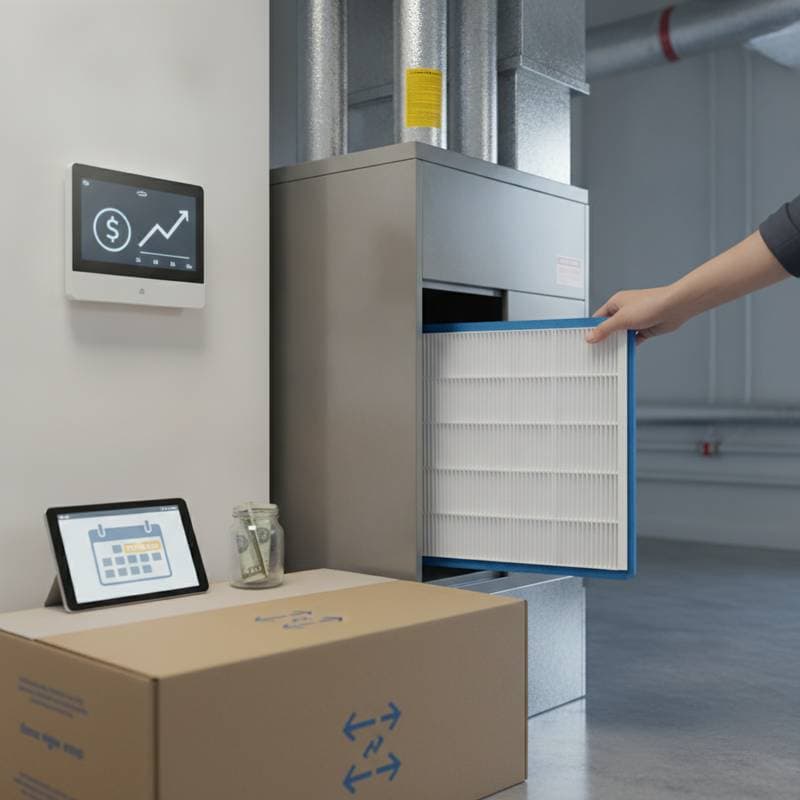
Effective services accommodate varying replacement cadences, typically ranging from monthly to quarterly shipments. This adaptability prevents excess inventory during low-use periods and guarantees availability during peak seasons like summer or winter. Users appreciate the ability to synchronize deliveries with personal calendars or system diagnostics.
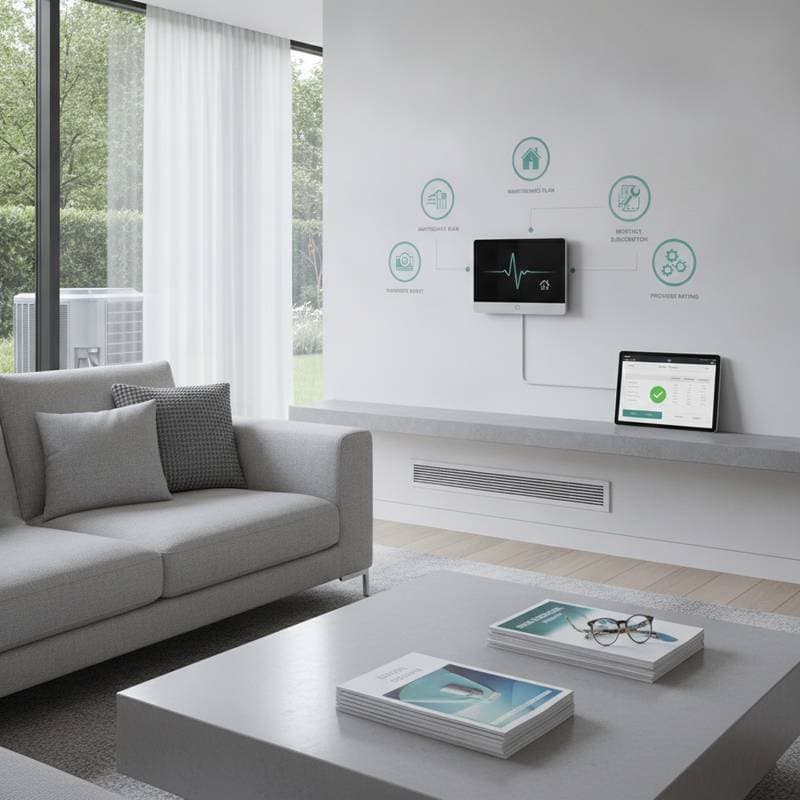
Some providers integrate smart home compatibility, allowing adjustments via apps for real-time monitoring of filter status. Such flexibility enhances user satisfaction and reinforces adherence to maintenance protocols.
Commitment to Sustainability Practices
Contemporary subscriptions increasingly adopt green initiatives, including filters crafted from recycled plastics and shipments via low-emission carriers. Carbon offset programs neutralize delivery impacts, appealing to environmentally aware consumers. Recycling kits simplify the disposal of old units, closing the loop on waste management.
Opting for sustainable options not only reduces household carbon footprints but also supports industry shifts toward responsible manufacturing. Providers transparent about their eco-credentials build trust and encourage long-term patronage.
Cost Structures and Overall Value
Pricing models reflect variables like filter grade, quantity per shipment, and frequency of delivery. Basic plans start at affordable rates for standard filters, while premium selections command higher fees for advanced features such as antimicrobial coatings. Long-term savings emerge from prevented repairs and optimized energy use, often offsetting initial premiums.
Value assessments should factor in intangible benefits, including time saved on errands and reduced stress from forgotten tasks. Comprehensive plans that bundle filters with air quality sensors provide exceptional returns for tech-savvy households.
Support Services and Communication Tools
Superior providers maintain responsive customer service channels, available through phone, email, or chat for prompt issue resolution. Automated reminders via text or app notifications ensure users stay proactive about installations. Educational resources, such as video tutorials on filter placement, empower novices to perform tasks confidently.
Robust support fosters loyalty, as subscribers feel supported in achieving maintenance success. Providers that offer satisfaction guarantees or trial periods further demonstrate commitment to quality.
Performing Filter Replacements: DIY Guidance
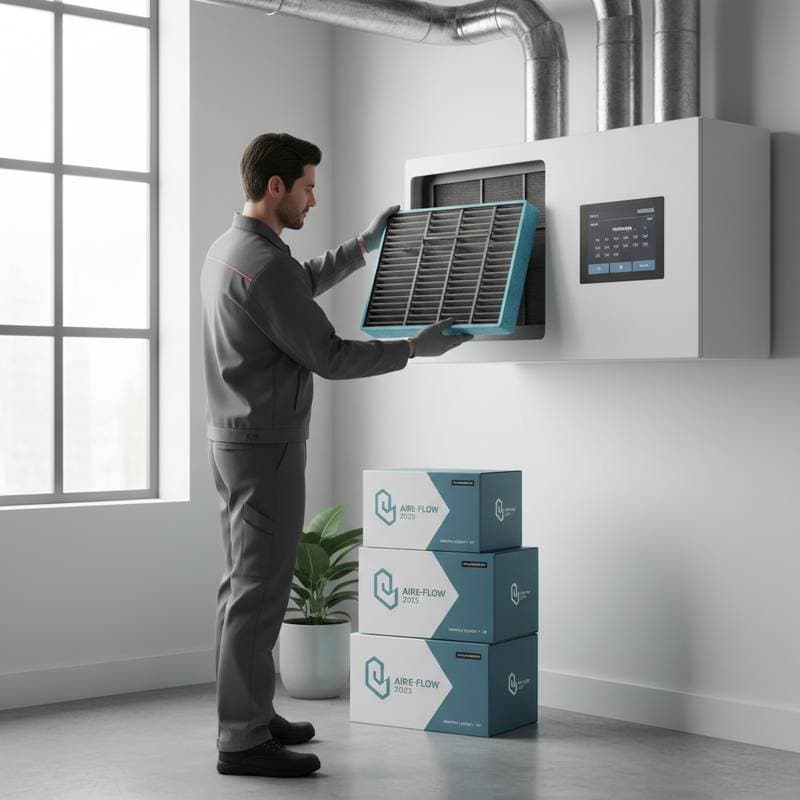
Most HVAC systems feature accessible filter slots, rendering replacements a straightforward process suitable for average homeowners. Locate the return air grille or dedicated compartment, typically near the furnace or air handler, and power off the unit for safety. Extract the worn filter, note the airflow direction arrow, and insert the fresh one accordingly before securing the panel.
Tools prove unnecessary in standard designs, with the entire procedure requiring mere minutes. For confirmation, consult the equipment manual or observe initial installation orientations. Regular practice builds familiarity, minimizing errors that could affect performance.
Professionals become advisable for complex setups, such as those in attics or with multi-stage filtration. Annual inspections by certified technicians complement DIY efforts, identifying broader issues like duct leaks or coil fouling.
Selecting the Ideal Subscription for Your Residence
Decision-making begins with assessing household specifics, including the quantity of filters required per unit and overall system configuration. Consider occupancy factors, such as the number of residents, presence of pets, or individuals with respiratory conditions, which influence filtration demands. Evaluate personal values regarding convenience levels and ecological impact to narrow options.
Budget allocation plays a pivotal role; calculate annual expenditures against potential savings in energy and repairs. Trial periods or introductory offers allow testing compatibility without long-term commitment. Ultimately, the chosen service should seamlessly integrate into daily routines, delivering peace of mind through reliable execution.
Common Queries on HVAC Filter Subscriptions
What Interval Suits Most HVAC Filter Replacements?
Standard recommendations suggest intervals of one to three months, contingent on filter type and environmental factors. High-efficiency models may extend to six months in low-dust settings, while heavy-use homes necessitate more frequent changes. Adhere to equipment guidelines and monitor visual cues like discoloration to fine-tune schedules.
Do Subscription Filters Exceed the Cost of Retail Purchases?
Individual unit prices may appear elevated due to delivery premiums, yet aggregate benefits often yield net savings. Efficient systems curtail energy demands, and avoidance of breakdowns averts expensive interventions. Convenience equates to intangible value, particularly for busy schedules.
Is Subscription Cancellation or Suspension Feasible?
Reputable services permit pauses, skips, or terminations with minimal notice, often through online portals. Review terms at signup to confirm policy details and any associated fees. This flexibility accommodates life changes, such as relocations or seasonal absences.
How Are Non-Standard Filter Dimensions Handled?
Many providers maintain extensive inventories covering custom sizes, with measurement guides to assist accurate orders. Upload specifications or consult support for verification, ensuring precise fits. Adaptations rarely incur extra charges, broadening accessibility.
Establish Reliable HVAC Protection Today
Implementing an HVAC filter subscription fortifies system resilience and elevates living standards through sustained efficiency. Select a provider aligned with your priorities, execute replacements diligently, and monitor performance metrics for ongoing optimization. This proactive approach yields enduring rewards in comfort, health, and fiscal prudence.