Addressing Persistent AC Noise with 2025 HVAC Solutions
The Evolution of Quieter Air Conditioning in 2025
Excessive noise from air conditioners often interferes with daily activities, from restful sleep to focused work. Fortunately, 2025 brings significant advancements in noise-reduction technology for HVAC systems. These developments enable homeowners to experience cooling that operates at whisper levels, typically reducing sound by up to 20 decibels through innovations like variable-speed compressors and enhanced insulation.
Upgrading to such a system generally costs between $6,000 and $12,000, influenced by factors such as unit capacity, home layout, and regional labor rates. This guide details the mechanisms behind these quieter operations, highlights must-have features, and outlines cost drivers. It also provides strategies for system maintenance and key inquiries for HVAC professionals to ensure optimal performance.
Mechanisms Behind Modern Noise Reduction in AC Units
Variable-Speed Compressors for Smooth Operation
Conventional compressors operate at a fixed speed, leading to abrupt startups that generate vibrations and audible hums. Variable-speed compressors modulate their power output in response to cooling needs, which minimizes initial surges and maintains steady temperatures. This technology alone lowers noise by approximately 10 decibels relative to traditional single-speed units, while also enhancing overall system efficiency.
Acoustic Insulation for Vibration Absorption
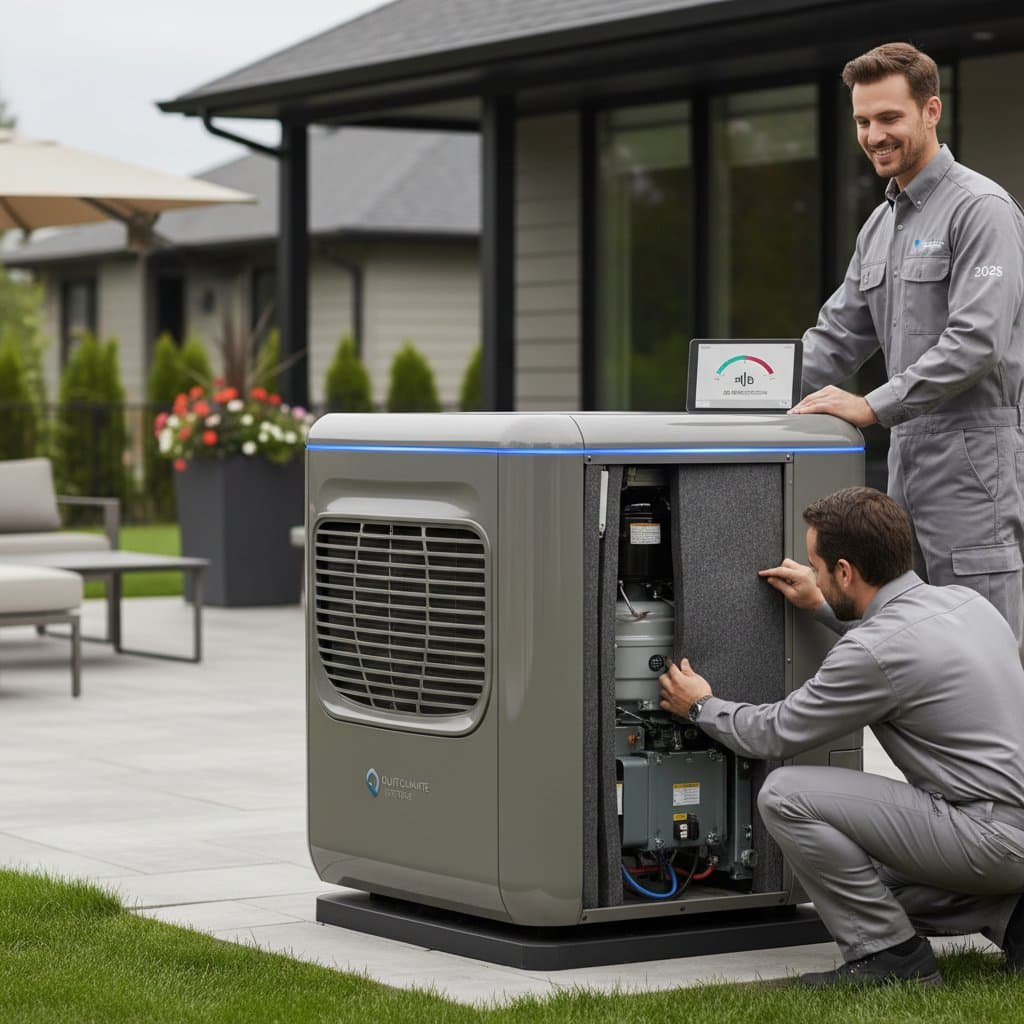
Contemporary HVAC designs incorporate specialized insulation within compressor enclosures to dampen sound waves and vibrations. These materials withstand high temperatures and humidity, preserving their effectiveness over time without impeding air circulation. As a result, internal components produce less resonance, contributing to a more serene indoor environment.
Aerodynamic Fan Blades for Efficient Airflow
Fan blades in 2025 models feature curved, low-turbulence profiles that facilitate air movement at reduced rotational speeds. This design delivers robust cooling capacity with significantly less whooshing or rattling. Outdoor units equipped with these blades can achieve noise reductions of up to 50 percent compared to earlier generations.
Inverter Technology for Demand-Based Control
Inverter systems continuously adjust compressor speeds according to instantaneous cooling requirements, eliminating the harsh sounds associated with frequent on-off cycling. This precise regulation not only curbs noise spikes but also optimizes energy use, a hallmark of premium 2025 HVAC offerings. Homeowners benefit from consistent comfort without the interruptions of older, less refined mechanisms.
Isolation Mounts to Prevent Sound Transmission
Strategic placement of rubber or composite mounts separates vibrating elements like compressors and motors from the unit's structure. This isolation prevents low-frequency noises from propagating through building materials such as walls or ductwork. Effective implementation ensures that external operations remain inaudible indoors.
Factors Influencing Costs of Quiet HVAC Systems
Budgeting for a noise-minimized HVAC installation involves evaluating multiple variables to align expenses with performance expectations.
Installation Labor Considerations
Professional labor charges range from $75 to $150 per hour, depending on local market conditions and technician expertise. Intricate setups, including those for multi-zone configurations, demand additional hours for precise alignment. Investing in thorough vibration control during installation pays dividends by averting future noise complaints.
Capacity and Sizing Requirements
System capacity must match the home's square footage and insulation quality to avoid inefficiencies. Properly sized units operate smoothly without excessive strain, which could amplify sounds. Conversely, oversized equipment tends to short-cycle, producing repetitive clicks and thuds that undermine quiet performance.
Technology and Efficiency Specifications
Advanced features like variable-speed drives and inverter controls elevate upfront costs but deliver substantial noise and energy savings. Basic models with single-speed components prove more affordable yet noisier and less economical over time. Selecting SEER ratings above 16 often correlates with quieter, higher-performing systems.
Optional Enhancements for Further Noise Control
Supplementary items such as compressor sound blankets, anti-vibration pads, and perimeter barriers around outdoor units provide targeted reductions in external noise. Integrating smart thermostats promotes even runtime, preventing the temperature fluctuations that trigger louder operations. These additions typically add $500 to $2,000 to the total investment.
Strategies for Maintenance and Durability
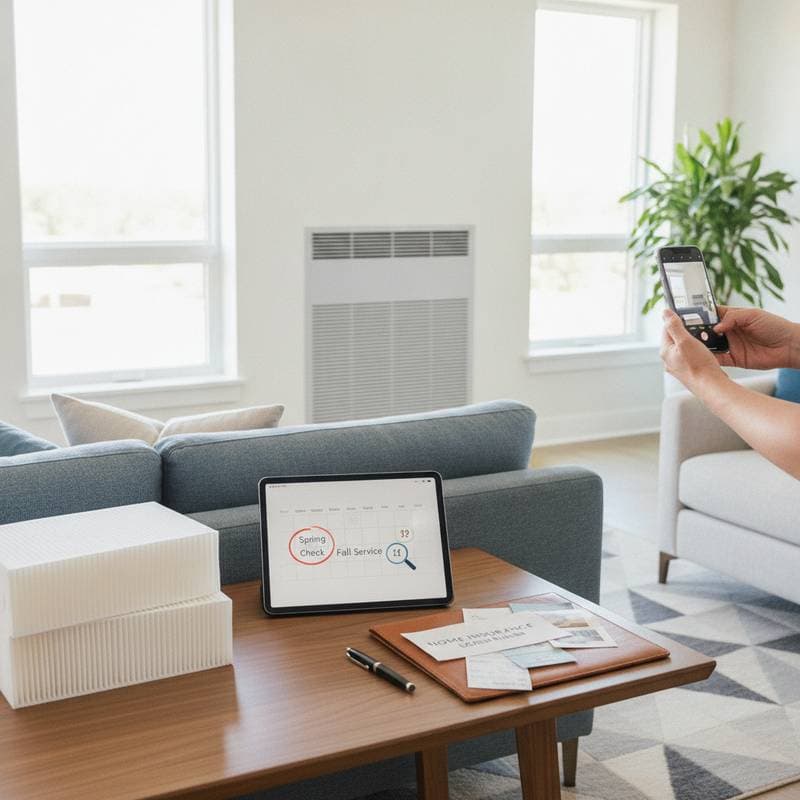
Proactive upkeep preserves the quiet attributes of modern HVAC systems. Accumulated debris on coils or restricted filters can force components to work harder, elevating sound levels. Biannual professional tune-ups identify wear early, extending the lifespan of noise-sensitive parts.
Securing Accurate Quotes for Quiet HVAC Installations
Essential Questions for HVAC Contractors
- What is the operational decibel rating for this specific model under normal load?
- Does the proposal encompass acoustic insulation and vibration-dampening measures?
- How does the proposed unit placement impact indoor and outdoor noise levels?
- Which compressor technology—variable-speed or inverter—does this system employ?
- Are incentives or rebates available for energy-efficient or low-noise installations in this area?
- What routine maintenance protocols ensure sustained quiet operation?
- Can you share testimonials from clients with comparable quiet-system setups?
- What coverage does the warranty provide for noise-related defects?
- Is your installation crew certified in techniques for sound optimization?
- Will post-installation testing verify the system's noise performance?
Ensuring Long-Term Quiet Performance
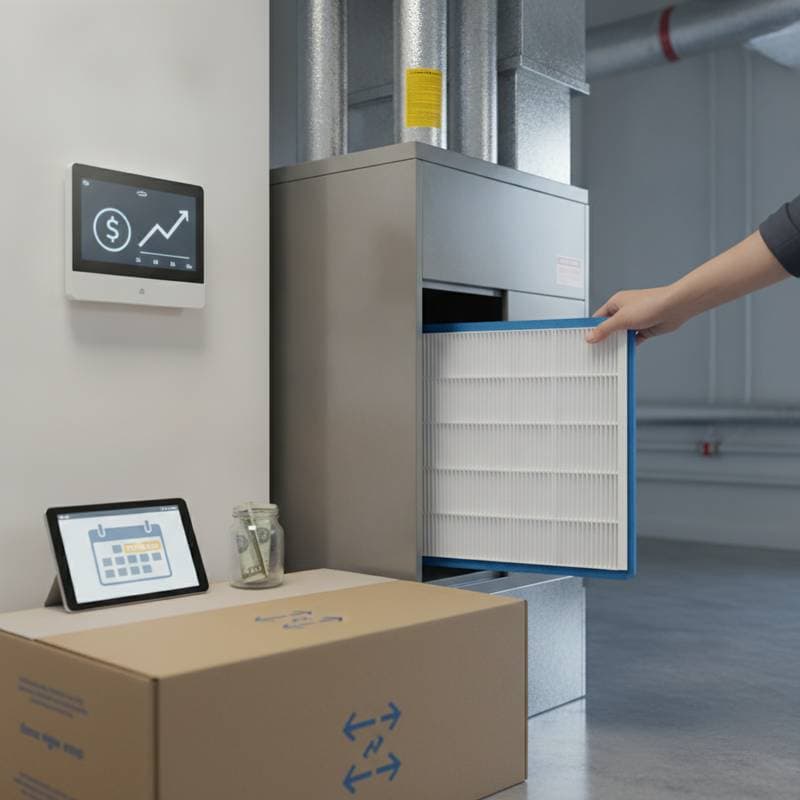
After installation, diligent care sustains the benefits of a low-noise HVAC system. Replace air filters every month to maintain unrestricted airflow, inspect for secure panels that might rattle, and arrange annual servicing by qualified technicians.
The integration of cutting-edge compressor modulation, fan aerodynamics, and sound-absorbing materials in 2025 HVAC technology empowers homeowners to reclaim tranquility. These systems deliver robust cooling with minimal auditory disturbance, fostering a more restful and productive home atmosphere.