Reduce Energy Bills by 38 Percent with Smart HVAC Zoning
If certain rooms in your home consistently feel too hot or too cold, or if energy bills continue to rise, smart HVAC zoning offers an effective solution. This system enables independent temperature control in various areas of the home, which enhances comfort and improves efficiency. The following sections explain how smart zoning achieves energy savings of up to 38 percent while maintaining personalized comfort in every room.
Understanding Smart HVAC Zoning
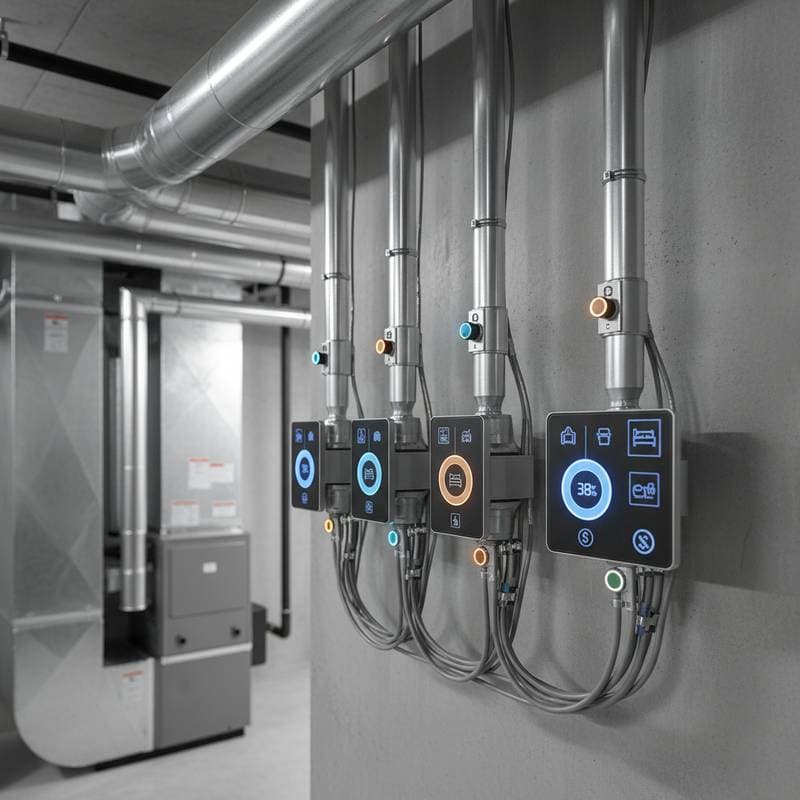
Smart HVAC zoning segments the home into distinct temperature zones. Each zone features its own thermostat that interfaces with a central control panel. Motorized dampers within the ductwork open or close according to the designated temperature settings for each zone.
Rather than conditioning the entire house simultaneously, the HVAC system targets only the areas that require heating or cooling. This precise method minimizes energy waste and delivers uniform comfort levels throughout the living spaces.
Indicators That Suggest the Need for HVAC Zoning
Homeowners often recognize the value of zoning after enduring inconsistent temperatures or escalating energy expenses for an extended period. Consider these common indicators that signal the potential benefits of an upgrade:
- Upper floors maintain higher temperatures than ground levels
- Specific rooms fail to achieve the desired temperature
- Family members frequently modify the thermostat settings
- Energy expenses increase sharply during periods of extreme weather
- Infrequently used rooms receive unnecessary heating or cooling
If these situations resonate with your experience, smart zoning can substantially elevate both comfort and operational efficiency in the home.
Mechanisms by Which Smart HVAC Zoning Lowers Energy Costs
Zoning optimizes energy use by directing the HVAC system more intelligently. The following points detail the primary ways it contributes to reduced bills:
- Targeting occupied spaces exclusively – Lower heating or cooling settings apply to unoccupied rooms, which prevents energy expenditure on unused areas.
- Reducing system operational duration – With fewer zones requiring simultaneous conditioning, the equipment operates for shorter periods, which conserves power.
- Implementing intelligent temperature regulation – Smart thermostats analyze daily routines and make automatic adjustments, which eliminate superfluous heating or cooling cycles.
- Optimizing airflow distribution – Dampers regulate airflow to ensure the system functions without excessive effort to equalize temperatures across the home.
These strategies culminate in a more efficient HVAC operation that substantially decreases overall energy consumption. Homeowners typically observe meaningful reductions in monthly utility statements as a direct outcome.
Comparing Smart HVAC Zoning to Traditional Systems
Conventional HVAC systems depend on a solitary thermostat to regulate the entire residence. This method frequently results in inconsistent comfort levels and inefficient energy utilization, as the unit continues to operate until the most remote room attains the specified temperature.
In contrast, smart zoning employs multiple thermostats and dampers to address variations in room needs promptly. This allows for customized settings that align with actual occupancy and preferences, thereby avoiding overworking the system. The difference becomes particularly evident in larger homes or those with diverse room usages, where traditional setups waste energy on conditioning vacant or low-priority spaces.
Evaluating DIY Adjustments Against Professional Installation
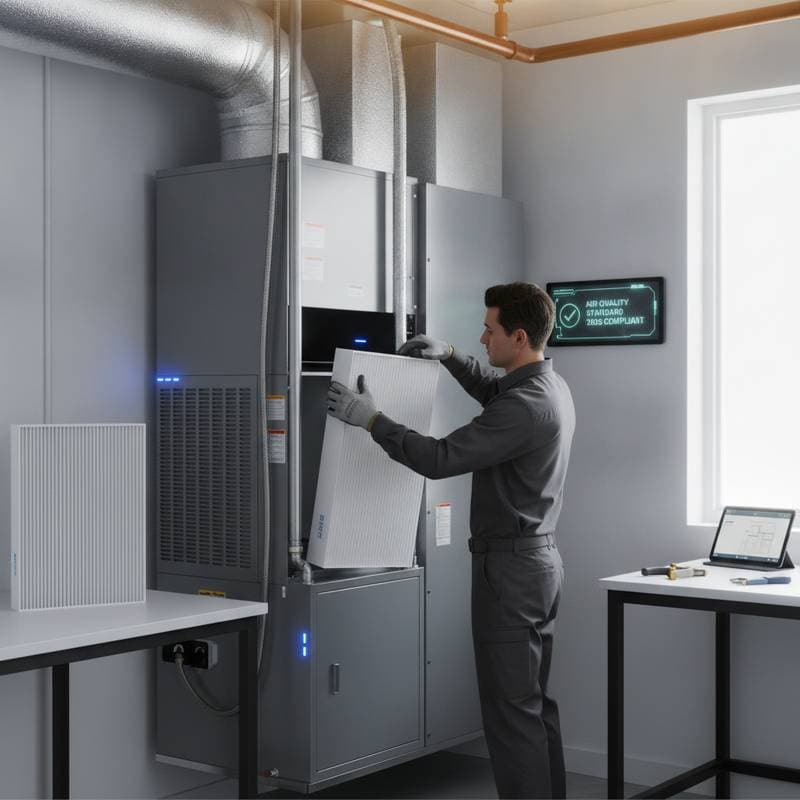
Homeowners may handle basic operations, such as programming temperature schedules or calibrating thermostat preferences, without risk. However, the installation or maintenance of dampers, sensors, or control panels demands the expertise of a certified technician.
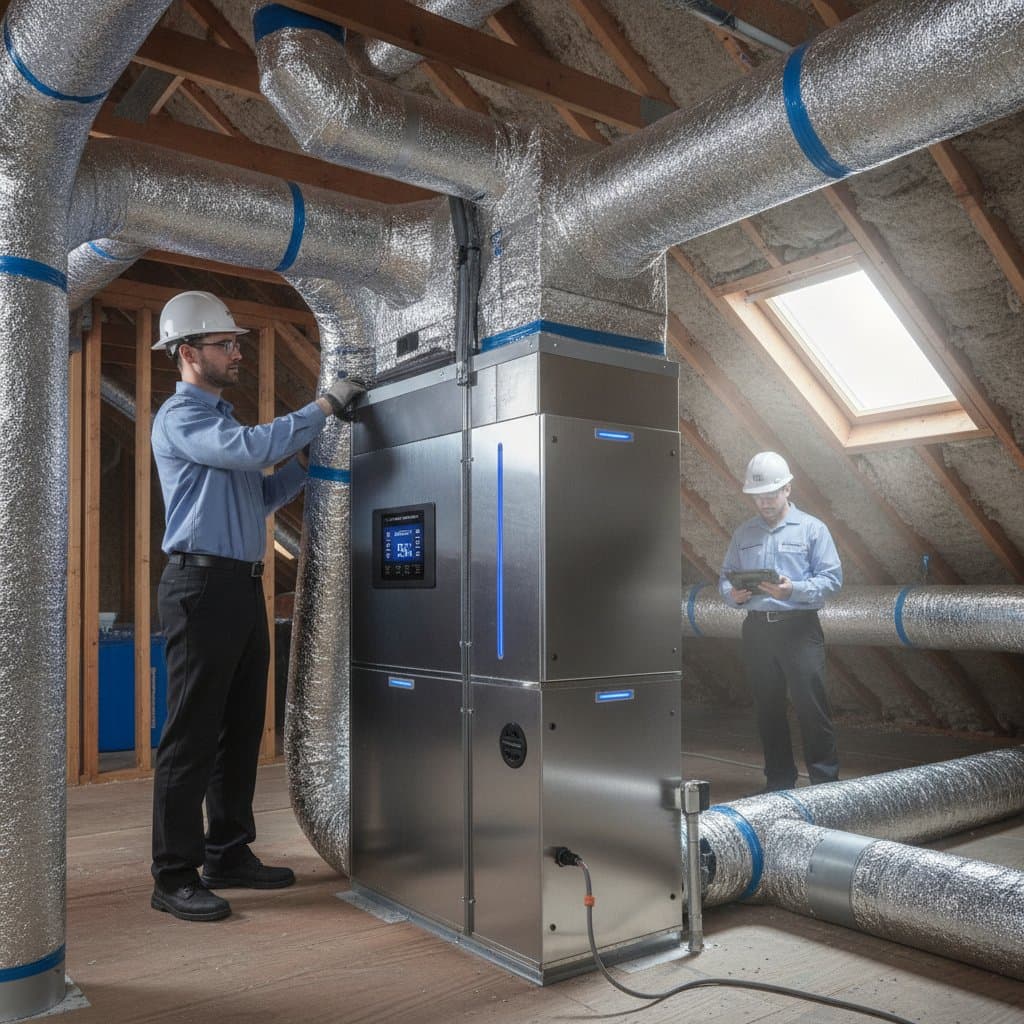
Professionals evaluate the home's architecture to design a zoning configuration that integrates seamlessly with existing infrastructure. They guarantee that all elements operate in harmony, which promotes safety, longevity, and peak performance. Attempting complex modifications independently can lead to inefficiencies or safety hazards, underscoring the importance of expert involvement.
Frequently Asked Questions
How many zones are suitable for a typical home?
Most residences accommodate two to four zones, based on their dimensions and configuration. A qualified technician conducts an on-site evaluation to determine the ideal number, ensuring balanced comfort and energy savings.
Do smart zoning systems integrate with current HVAC equipment?
Yes, zoning solutions often retrofit to existing central air conditioning or furnace systems. Technicians examine the ductwork and machinery to verify compatibility and recommend any necessary adaptations.
Does implementation require new thermostats?
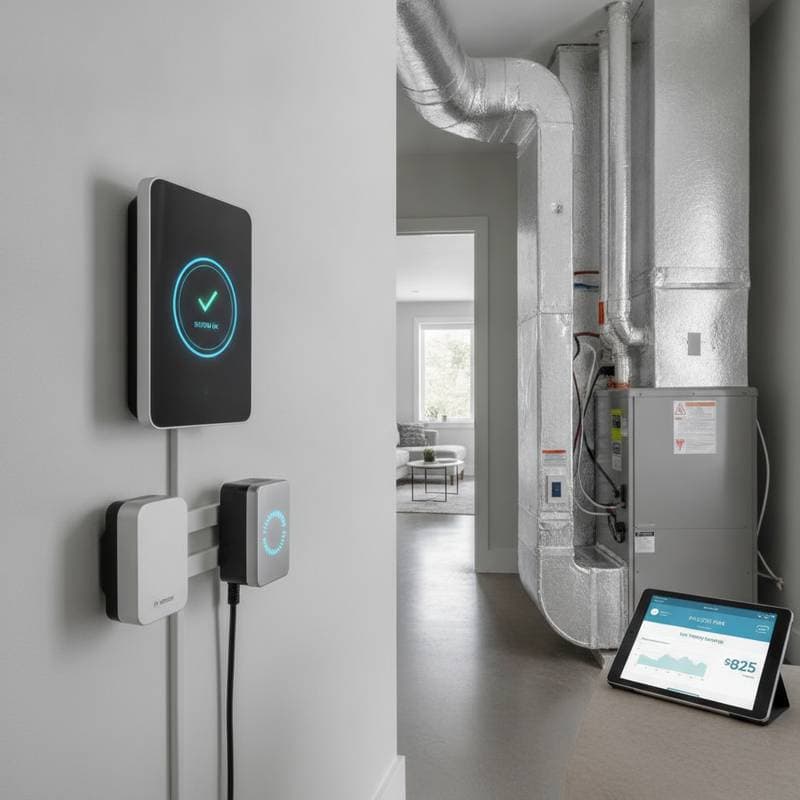
Generally, yes. Each zone necessitates a dedicated thermostat linked to the central panel. Opting for smart models facilitates remote adjustments via mobile devices or voice-activated assistants.
Can zoning genuinely decrease energy expenses?
Affirmative. Through precise control of heating and cooling in designated areas, numerous homeowners achieve reductions of 30 to 40 percent relative to conventional systems.
Does zoning complicate routine maintenance?
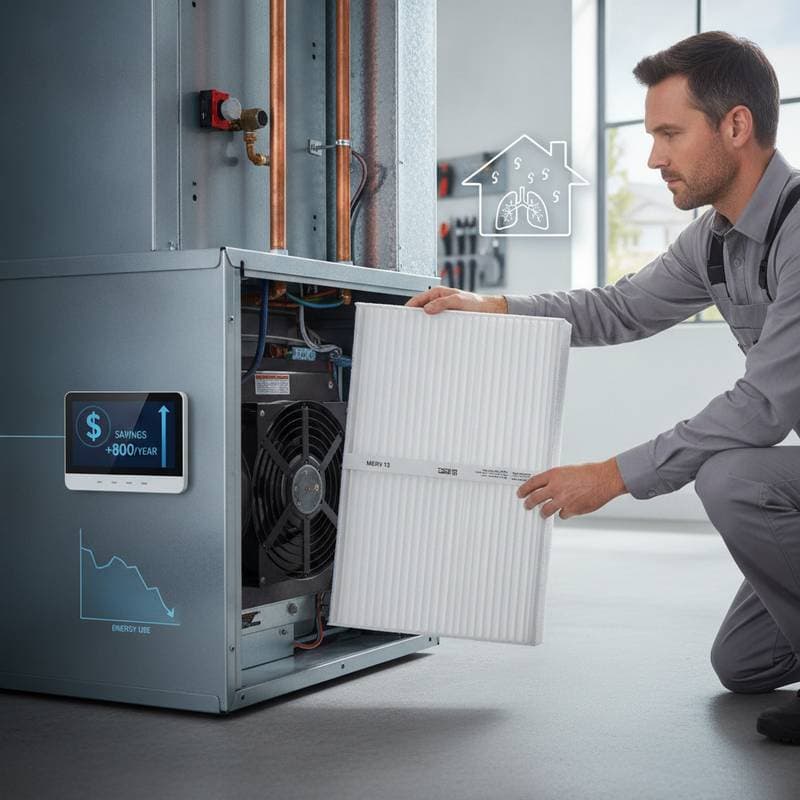
No. Standard procedures, such as filter replacements and annual inspections, remain unchanged. Technicians incorporate checks for dampers and sensors during scheduled services to maintain reliability.
Steps to Implement Smart HVAC Zoning
Smart HVAC zoning introduces superior comfort and efficiency by managing temperatures on a room-by-room basis, which curtails waste and prolongs equipment durability. To address persistent temperature discrepancies or increasing costs, consult a licensed HVAC specialist for a personalized assessment and installation plan.