
Why 4 Million Homes Switched to HVAC Subscriptions
Millions of homeowners now choose subscription-based HVAC maintenance over sporadic repairs. These plans deliver consistent costs, scheduled tune-ups, and fast response times for issues. This article explores the reasons behind this shift, details typical offerings, and outlines the long-term advantages for your home.
| Benefit | Description |
|---|---|
| Average Monthly Cost | $15 to $40 per system |
| Common Inclusions | Seasonal tune-ups, filter replacements, priority scheduling |
| Typical Savings | 10 to 30 percent on repair costs |
| Added Value | Extended equipment life, improved efficiency, reduced emergencies |
Reasons Homeowners Adopt HVAC Subscriptions
Reactive HVAC care typically occurs only after a failure, resulting in steep bills and disrupted comfort. Subscription models distribute costs predictably across the year, minimize unexpected failures, and sustain optimal system performance. Participants often experience reduced repair frequency and decreased energy expenses through structured preventive measures.
Homeowners in varied climates appreciate the reliability these plans provide. For instance, in regions with harsh winters or humid summers, consistent upkeep prevents strain on heating and cooling components. This forward-thinking strategy aligns maintenance with seasonal demands, ensuring steady indoor conditions.
Costs of HVAC Subscription Plans
Standard HVAC subscriptions range from $15 to $40 monthly per system. Providers frequently present tiered packages that incorporate additional inspections or component protections. For a standard residence equipped with integrated heating and cooling, yearly expenses fall between $180 and $480, a figure that pales against the price of one major breakdown.
Plan Tiers Explained
- Basic Plan: Encompasses one yearly inspection, filter changes, and expedited appointment booking.
- Standard Plan: Incorporates biannual tune-ups, reductions on small parts, and thorough system decontamination.
- Premium Plan: Features several annual visits, intensive cleanings, and comprehensive labor fee waivers.
These levels allow customization to match household needs, from modest upkeep to robust safeguards.
Elements Influencing Subscription Prices
Multiple considerations determine subscription fees, enabling informed selection tailored to your residence.
Equipment Type and Scale
Residences with expansive layouts, multiple units, or zoned configurations incur elevated maintenance demands. Distinct setups like central air handlers, heat pumps, or gas furnaces require specialized attention. Complexity directly correlates with premium adjustments.
Scope and Visit Cadence
Packages with frequent servicing or inclusive part repairs command higher rates. Options for quarterly filter swaps or warranty extensions position costs at the spectrum's upper limit. Evaluate usage patterns to align coverage with actual requirements.
Regional Service Variations
Fees fluctuate according to local technician wages and environmental factors. Communities facing elevated operational expenses or severe seasonal shifts reflect these in pricing structures. Research providers within your area for competitive alignments.
Core Components of HVAC Subscriptions
Subscription services emphasize proactive strategies to uphold efficiency and dependability. Standard elements include:
- Seasonal tune-ups for heating and cooling assemblies
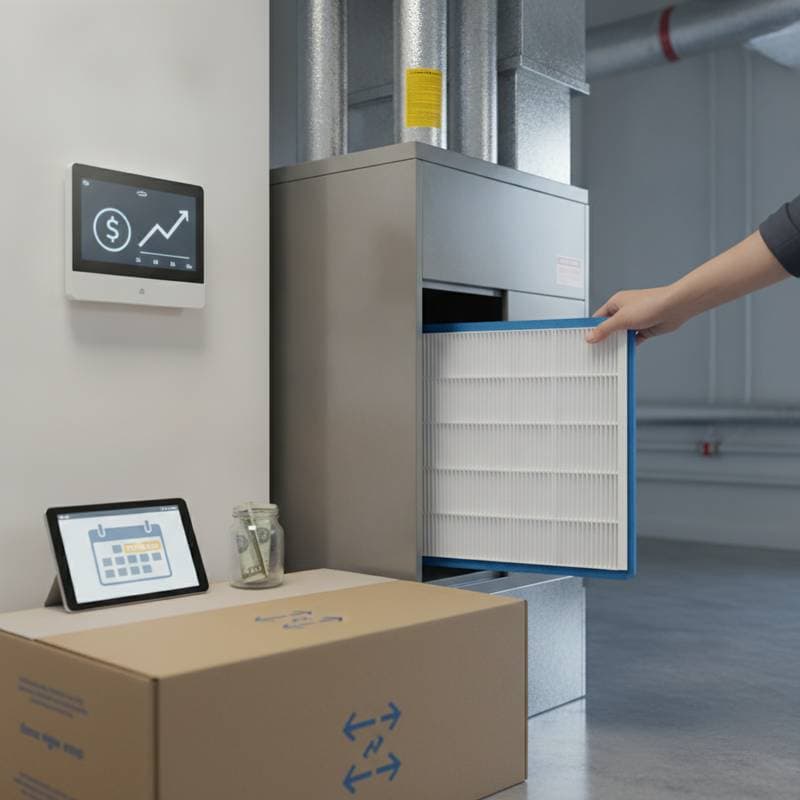
- Scheduled filter substitutions
- Debris and dust removal from system interiors
- Evaluations of airflow, refrigerant levels, and safety mechanisms
- Accelerated booking for corrective actions
- Reductions on labor and component acquisitions
Such provisions sustain operational integrity, curb deterioration, and prolong service duration while eliminating the need for manual scheduling.
Primary Advantages of HVAC Subscriptions
Consistent Expense Management
Fixed monthly payments replace erratic repair invoices, facilitating precise financial planning. This structure shields against monetary shocks amid peak usage periods.
Reduced System Failures
Periodic assessments identify potential faults in advance. Technicians address component wear or optimization issues proactively, averting extensive disruptions and associated expenditures.
Enhanced Operational Efficiency
Maintained filters, greased mechanisms, and adjusted controls optimize energy consumption. Sustained practices yield measurable declines in utility charges and lessen ecological impacts over time.
Prolonged System Durability
Systematic interventions mitigate risks like thermal stress, material degradation, and component breakdowns. Diligently serviced units routinely exceed the longevity of those lacking routine care by multiple years.
Indicators for Adopting an HVAC Subscription
Consider a subscription if your household encounters:
- Recurrent service requests or escalating repair expenses
- Inconsistent temperature distribution throughout spaces
- Elevated utility statements amid standard operation
- Overlooked routine maintenance deadlines
- Aging equipment demanding vigilant oversight
These signals highlight opportunities where structured plans deliver streamlined solutions and assurance.
Steps in the HVAC Subscription Journey
Enrollment initiates a straightforward sequence:
- Select a tier suited to your equipment and preferences.
- Arrange an initial evaluation and decontamination session.
- Benefit from automated notifications for upcoming services.
- Access preferential timing for any emergent needs.
- Monitor efficiency metrics via technician-provided summaries.
This methodical framework ensures year-round reliability and performance.
Frequently Asked Questions About HVAC Subscriptions
Are HVAC subscriptions truly worthwhile?
Affirmative. Participants generally realize cost reductions through averted major fixes and heightened efficiency. The assurance and ease provided justify the nominal ongoing investment.
Can subscribers terminate plans at any time?
Most agreements permit cancellation with notice, often 30 days, though some impose early termination fees. Review contract terms to confirm flexibility and any prerequisites.
Do plans encompass replacement components?
Basic options typically offer discounts rather than full coverage. Premium variants may include select parts, but comprehensive replacements often necessitate additional policies. Clarify inclusions during signup.
What is the visit frequency under a subscription?
Basic plans schedule one to two annual sessions, while advanced ones provide quarterly or semiannual access. Frequency aligns with chosen tier and system specifications.
Does a subscription extend system lifespan?
Indeed. Regular interventions prevent premature wear, enabling units to operate effectively for extended periods. Homeowners frequently report 20 to 50 percent longer service from maintained systems.
Integrating Subscriptions into Your Routine
To maximize value, assess your current setup against plan offerings and select accordingly. Engage a local specialist for a no-obligation consultation to pinpoint ideal coverage. This integration fosters sustained comfort, efficiency, and fiscal prudence for your household.