How New 55 dB HVAC Limits Impact Homeowners
Emerging noise regulations transform residential HVAC design and installation processes. Eight states implement 55 dB limits for outdoor HVAC units, demanding quieter equipment and precise placement. These measures curb neighborhood noise while preserving indoor comfort and system efficiency.
This overview details the 55 dB HVAC noise regulation for homeowners and contractors. It covers affected states, equipment selection implications, and compliance strategies.
States Implementing HVAC Noise Regulations
Eight states enact residential HVAC noise laws that align with or expand local ordinances. The core objective remains consistent: restrict outdoor unit noise to 55 decibels or less. These states span coastal areas, southern regions, and interior zones with elevated HVAC demands from climate and density.
Variations exist in testing distances and measurement protocols across states. Certain areas incorporate limits into building permits; others rely on noise complaint mechanisms. For new installations, verify equipment compliance prior to purchase to avoid delays.
Effective Installation Practices to Minimize HVAC Noise
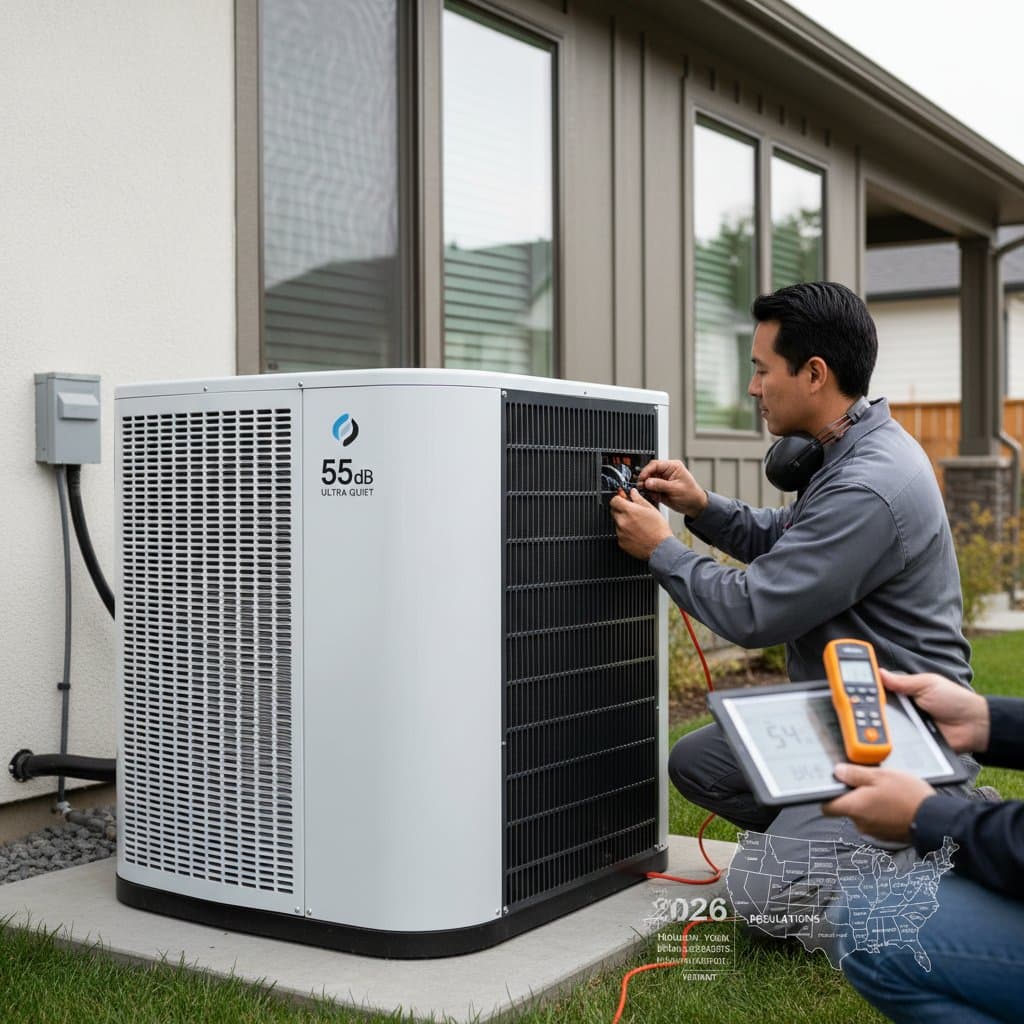
A low-noise system may surpass limits through poor installation, amplifying vibrations or sound reflections. Contractors adapt methods to suppress these issues effectively.
Key techniques include:
- Mounting units on isolation pads to dampen vibration transmission to structures.
- Positioning equipment distant from property boundaries or nearby windows.
- Installing sound-absorbing barriers or fences to redirect noise away from neighbors.
- Choosing units equipped with variable-speed fans that run at reduced speeds during typical operation.
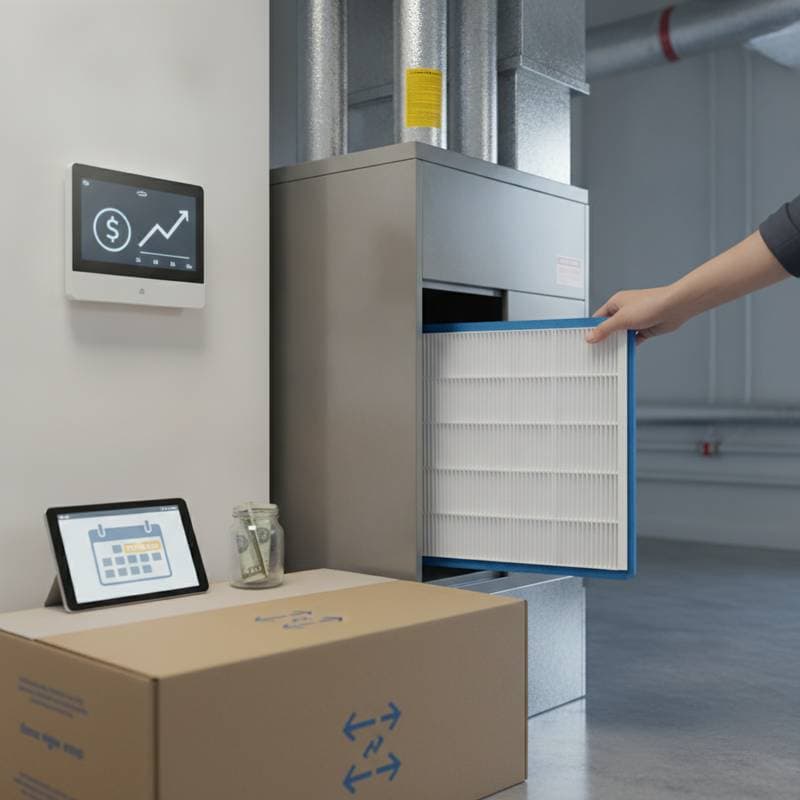
- Conducting routine maintenance to address worn components that generate additional sound.
Such practices determine compliance success, particularly in areas with rigorous oversight.
The Role of Noise in Home Comfort and Property Value
HVAC noise extends beyond mere annoyance, influencing daily well-being. Continuous outdoor unit sound disrupts sleep and limits yard enjoyment. For sellers, silent systems enhance marketability; agents note that prospective buyers favor properties with unobtrusive HVAC during viewings.
Quiet models frequently feature superior engineering and energy efficiency. Numerous options carry ENERGY STAR certification, yielding sustained reductions in energy costs over time.
Frequently Asked Questions on 55 dB HVAC Regulations
What Occurs if a System Exceeds 55 dB?
Exceeding the noise threshold prompts local authorities to issue warnings or mandate remedies. Possible actions encompass installing barriers, repositioning the unit, or replacing with compliant models.
Must Older Systems Undergo Replacement?
Regulations generally target new installations or significant replacements. Pre-existing units receive grandfathered status unless altered or relocated. Homeowners might opt for upgrades to older noisy systems to improve livability or boost resale appeal.
How to Determine if a System Complies with the Limit?
Review the manufacturer specification sheet for the outdoor sound rating, often labeled as sound level or sound pressure. A rating under 55 decibels confirms adherence to the standard.
Do Rebates Exist for Quiet HVAC Systems?
Utility providers and state initiatives frequently provide incentives for efficient, low-noise installations. These programs reduce upgrade expenses for compliant equipment.
Preparing for HVAC Noise Standards
Essential Questions for Your HVAC Contractor
- Does the current system fall below the 55 dB threshold?
- Which models comply with the new limits do you suggest?
- How does unit placement influence noise output?
- Is it possible to incorporate sound insulation or barriers?
- What price gap exists between standard and quiet units?
- Are rebates available for noise-compliant installations?
- How do you assess and confirm sound levels post-installation?
- Which maintenance routines preserve quiet operation?
Adopting these quieter standards not only ensures regulatory alignment but also elevates home tranquility and efficiency. Homeowners who act early secure systems that enhance daily life and safeguard property investments.