Unlock $550 in Annual Savings with Heat Pump Water Heaters
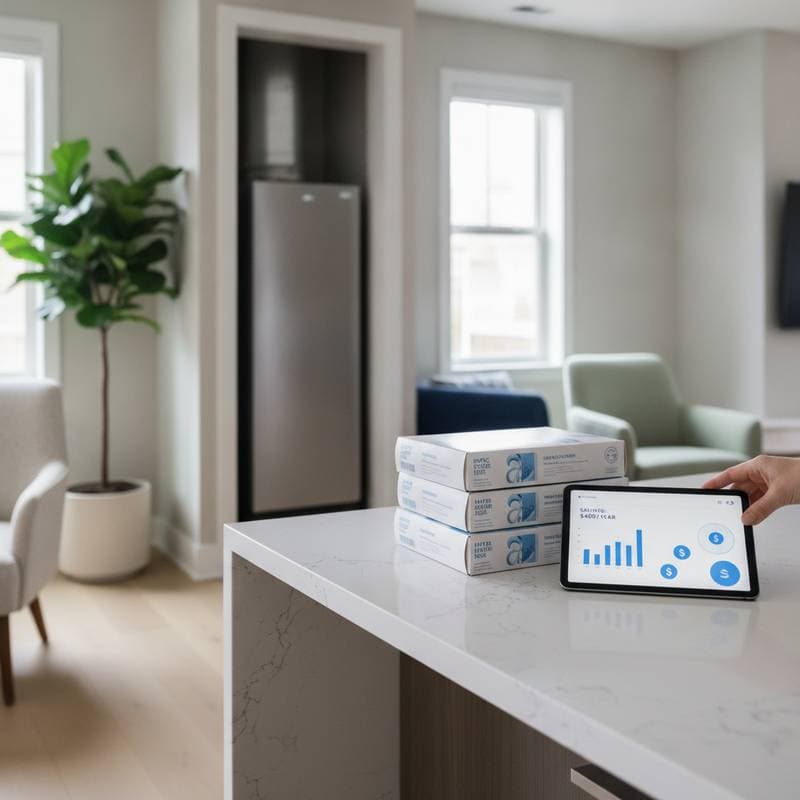
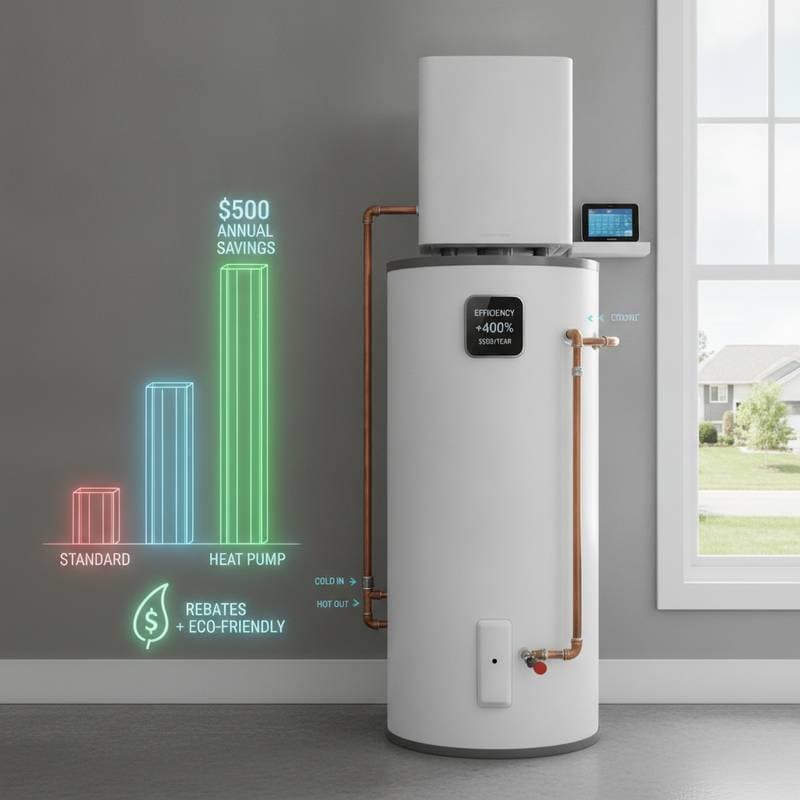
A heat pump water heater delivers up to $550 in annual energy savings while providing the same volume of hot water as traditional electric or gas units. This technology extracts heat from surrounding air rather than generating it directly, which reduces energy use by more than 50 percent. Readers of this guide will gain an understanding of system mechanics, pricing details, and reasons why this upgrade represents a strategic choice for lowering utility expenses and enhancing home efficiency.
| Item | Average Cost |
|---|---|
| National Average Installation Cost | $2,500 - $4,000 |
| Typical Price Range | $1,800 - $5,000 |
| Annual Energy Savings | Up to $550 |
| Payback Period | 3 - 5 years |
| Lifespan | 10 - 15 years |
Average Heat Pump Water Heater Costs
Installation costs for a heat pump water heater vary based on capacity, efficiency levels, and site-specific conditions. Homeowners typically invest between $2,500 and $4,000 for a full setup. Units with 40-gallon capacities start near $1,800, whereas larger or hybrid configurations may exceed $5,000.
Cost Breakdown by Component
- Unit price: Ranges from $1,200 to $3,000, influenced by tank size and manufacturer.
- Installation labor: Accounts for $800 to $1,500, depending on project demands.
- Electrical and plumbing modifications: Adds $200 to $500.
- Permits and disposal: Contributes $100 to $200.
The initial investment exceeds that of a standard electric water heater, yet substantial energy reductions of approximately 60 percent accelerate cost recovery over time.
Key Factors Influencing Heat Pump Water Heater Pricing
Multiple elements determine the final expense of a heat pump water heater. Awareness of these components enables better budgeting and model selection tailored to household requirements.
Unit Size and Capacity
Capacities span 40 to 80 gallons, with larger options commanding higher prices but supporting greater demand. Select a size that matches daily hot water usage to optimize performance and avoid shortages during high-demand periods. For a family of four, a 50-gallon unit often suffices.
Energy Efficiency Rating
The Uniform Energy Factor (UEF) measures conversion efficiency from electricity to hot water. Heat pump models achieve UEF values of 3.0 to 4.0, indicating they produce three to four units of heat energy per unit of electricity consumed. Prioritize units with UEF above 3.5 for maximum long-term savings.
Brand and Construction Quality
Established brands incorporate superior compressors, sound-dampening features, and enhanced insulation, justifying premium pricing through durability and reduced noise. Mid-tier options deliver strong efficiency with basic controls, suitable for standard applications.
Installation Demands
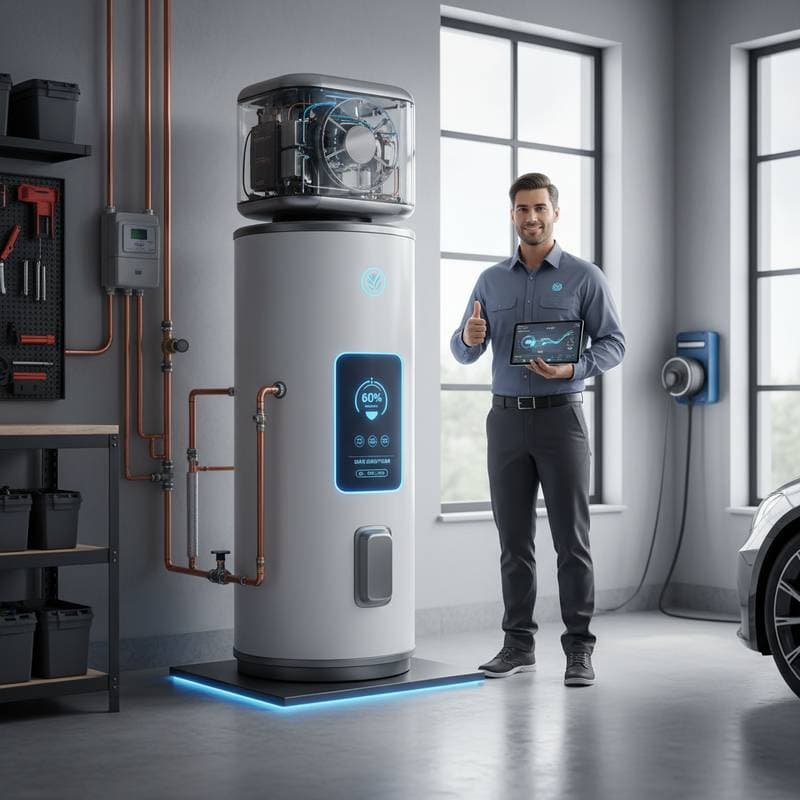
Complex placements in confined spaces may necessitate extra labor or airflow enhancements. These systems require unobstructed air movement to function optimally. Basements, garages, or dedicated utility areas with at least 700 cubic feet of volume prove ideal.
Regional Climate and Financial Incentives
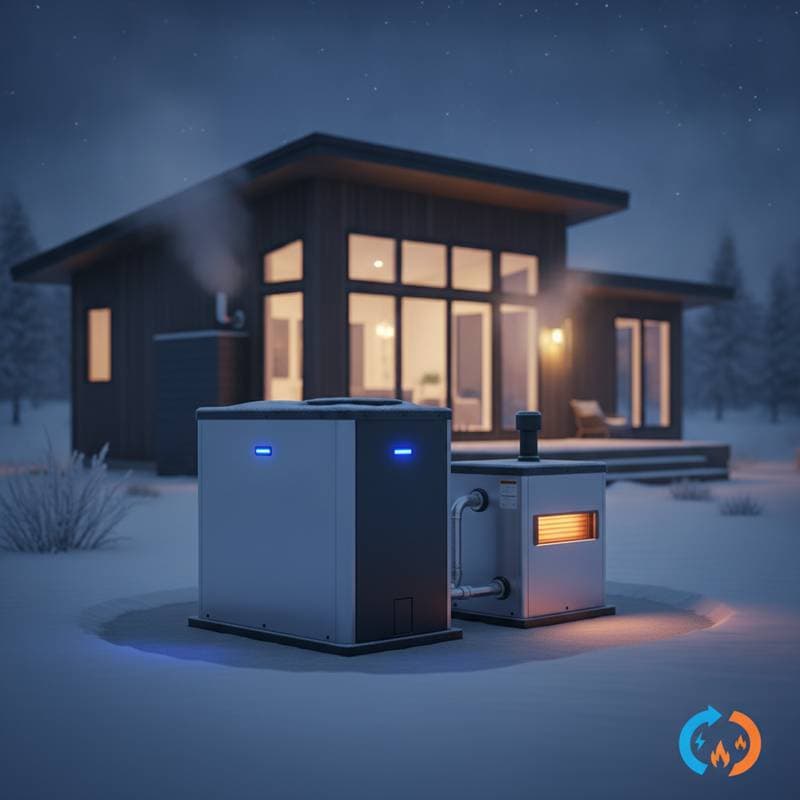
Performance peaks in temperate zones where ambient air supplies ample heat. Advanced designs maintain efficiency in colder settings by activating auxiliary heating as needed. Investigate utility rebates or federal programs, which can offset costs by $300 to $1,000.
Varieties of Heat Pump Water Heaters
Heat pump water heaters come in configurations adapted to diverse home setups and usage patterns.
Integrated Units
These all-in-one designs house the tank and heat pump together, simplifying residential installations.
Advantages:
- Space-efficient design facilitates straightforward setup.
- Superior efficiency requires limited upkeep.
- Suited for enclosed areas like garages.
Disadvantages:
- Demands consistent air exchange.
- Generates mild cooling in the vicinity.
Split-System Configurations
Separate indoor tanks and outdoor heat extractors characterize this type, minimizing indoor noise.
Advantages:
- Quiet indoor performance enhances comfort.
- Accommodates high-volume needs effectively.
Disadvantages:
- Elevated setup expenses.
- Demands skilled installation.
Hybrid Systems
These integrate heat pump operation with electric resistance elements, adapting to fluctuating conditions.
**Advantages:**n- Versatile across climates.
- Ensures reliable supply under peak loads.
- Balances efficiency with adaptability.
Disadvantages:
- Costs surpass basic heat pump units.
Indicators for Upgrading to a Heat Pump Water Heater
An inefficient or aging water heater signals the need for replacement with a heat pump model. Consider these indicators:
- The unit exceeds 10 years of service.
- Hot water supply depletes rapidly.
- Energy bills increase despite stable consumption.
- Visible corrosion or seepage appears.
- Operational sounds intensify.
- Environmental goals prioritize reduced emissions.
Proactive replacement averts disruptions and facilitates selection of an optimal efficient alternative.
Installation Procedure for Heat Pump Water Heaters
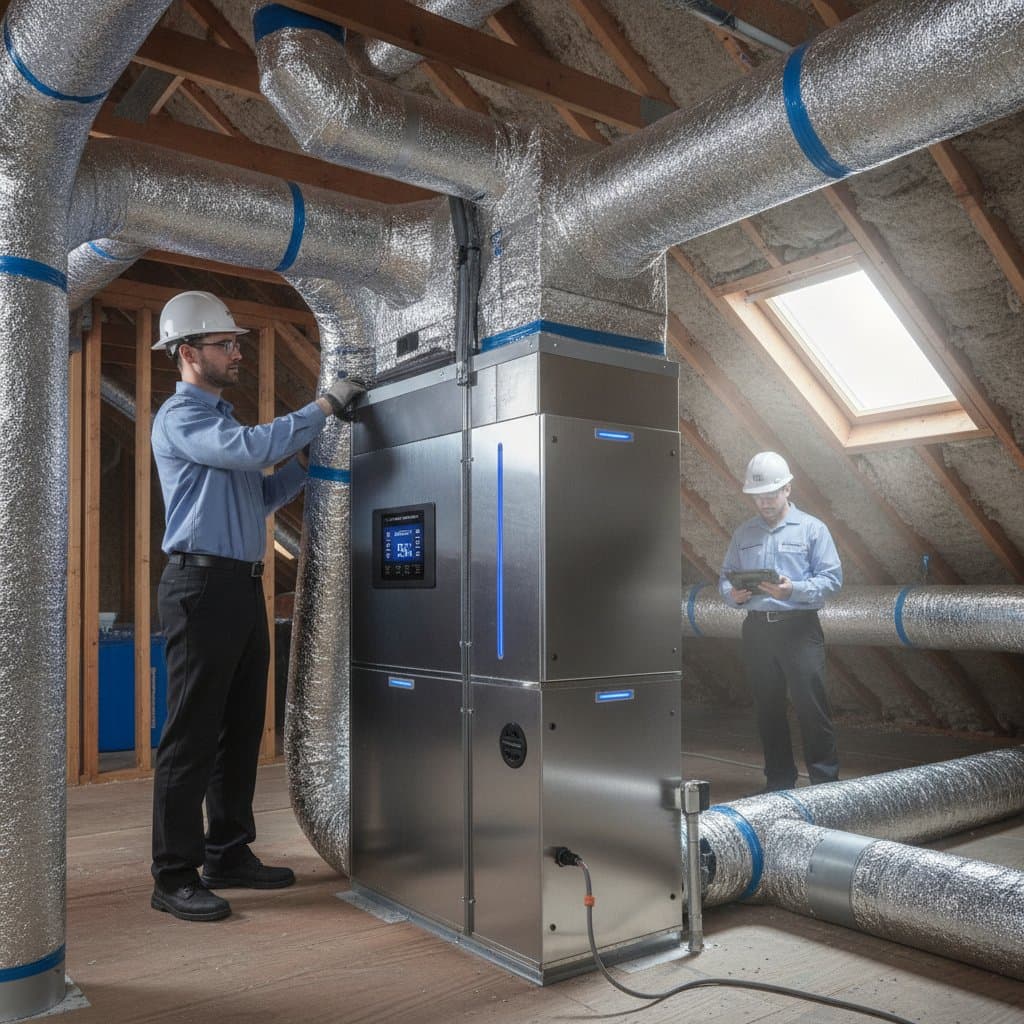
Expert installation guarantees safety, compliance, and peak operation. The process unfolds as follows:
- Evaluation and Sizing: Assess hot water demands, available space, and electrical infrastructure.
- Old Unit Removal: Drain, disconnect, and dispose of the existing system securely.
- Preparation: Verify airflow and clearance standards.
- New Unit Placement: Connect to water lines, power sources, and anchor firmly.
- Performance Verification: Test for leaks, temperature accuracy, and cycle integrity.
- Finalization: Clean the site and provide usage guidelines and maintenance tips.
Most projects conclude in one day, barring unusual challenges.
Labor Expenses for Heat Pump Water Heater Installation
Labor fees span $800 to $1,500, reflecting local wages and task intricacy. Additional wiring, piping, or ventilation adjustments elevate costs. Engage certified HVAC professionals to adhere to regulations and preserve warranties.
Self-installation poses risks due to electrical, refrigerant, and control complexities. Professional involvement safeguards operations and eligibility for manufacturer support.
Common Questions on Heat Pump Water Heaters
How Does a Heat Pump Water Heater Function?
The system draws heat from ambient air via refrigerant circulation, akin to a reversed air conditioning cycle. This method consumes far less electricity than direct resistance heating, yielding high efficiency.
Can Heat Pump Water Heaters Perform in Cold Weather?
Current models operate effectively in low temperatures, resorting to electric backup only when necessary to maintain supply reliability.
What Are Optimal Installation Locations?
Choose well-ventilated spaces such as garages, basements, or utility closets to support heat extraction without impacting occupied rooms.
What Is the Expected Lifespan?
Units endure 10 to 15 years with regular care, including filter changes and inspections to sustain performance.
Do Incentives Exist for Installation?
Numerous utilities and programs provide rebates reducing costs significantly. Contact local providers for eligibility details.
Is Replacement of a Gas Unit Feasible?
Conversion requires electrical adaptations, including a dedicated circuit. Installers evaluate compatibility and quote accordingly.
How Frequently Is Maintenance Required?
Perform filter cleaning every three to six months and schedule professional inspections annually to optimize efficiency and longevity.
Steps to Implement Your Energy-Efficient Upgrade
Transitioning to a heat pump water heater begins with assessing your current setup and consulting certified installers for quotes. Factor in rebates to minimize outlay, then schedule installation during off-peak seasons for smoother execution. This upgrade not only trims bills by up to $550 annually but also aligns with sustainable living, ensuring reliable hot water for years ahead.