
Why Homeowners Pay Monthly for HVAC Subscriptions
Homeownership brings the responsibility of maintaining heating and cooling systems. Many owners face challenges with unexpected repairs and fluctuating costs. HVAC subscriptions emerge as a reliable solution, offering structured maintenance that ensures system reliability and financial predictability.
These plans shift the approach from reactive fixes to proactive care. Homeowners gain access to routine inspections, expert support, and advanced monitoring tools. The result includes sustained comfort, reduced energy consumption, and avoidance of major disruptions.
What is an HVAC Subscription?
An HVAC subscription functions as a structured maintenance agreement provided by professional heating and cooling services. Participants pay a fixed monthly or annual fee in exchange for comprehensive care, rather than incurring charges for individual services such as tune-ups or emergency responses.
Active subscriptions enable contractors to track system performance, arrange periodic visits, and deliver expedited assistance during issues. This model fosters consistent efficiency and shields against substantial unforeseen expenses. Homeowners experience simplified oversight of their essential home infrastructure.
Why Homeowners Are Choosing Monthly HVAC Plans
Subscription models appeal to homeowners seeking reliability and foresight in home maintenance. These plans address common pain points through organized support and financial clarity. The following sections detail the primary advantages driving their adoption.
1. Predictable Costs
Subscriptions distribute maintenance expenses evenly across the year. Homeowners avoid the shock of large invoices during system failures by committing to modest regular payments. This structure supports steady budgeting and eliminates financial surprises tied to sporadic repairs.
2. Fewer Breakdowns
Scheduled interventions maintain system cleanliness, lubrication, and alignment. Neglect often triggers mechanical issues, but regular checkups identify minor problems early. Subscriptions ensure these preventive measures occur systematically, minimizing downtime and repair needs.
3. Improved Efficiency
Optimal system performance demands clean components and precise settings. Subscriptions incorporate seasonal adjustments that enhance energy use, such as verifying refrigerant charges and thermostat calibration. Homeowners observe lower utility bills as a direct outcome of this upkeep.
4. Extended Equipment Lifespan
Consistent professional attention parallels routine vehicle servicing, prolonging operational duration. Preventive strategies in subscriptions reduce wear on critical parts, postponing the expense of full replacements. Systems under such care often exceed standard warranties by several years.
5. Priority Service
Emergencies demand swift resolution to restore comfort. Subscribers receive preferential scheduling, accelerating technician dispatch. This benefit proves invaluable during peak seasons or urgent failures, ensuring minimal disruption to daily routines.
What’s Typically Included in an HVAC Subscription
Plans vary by provider, yet core elements remain consistent across offerings. Homeowners select based on their specific system requirements and coverage preferences. Common inclusions encompass the following:
- Two annual seasonal maintenance visits
- Reduced rates for repairs and replacement parts
- Expedited booking for urgent service calls
- Provision of new air filters as needed
- Comprehensive safety evaluations
- Detailed performance summaries following each inspection
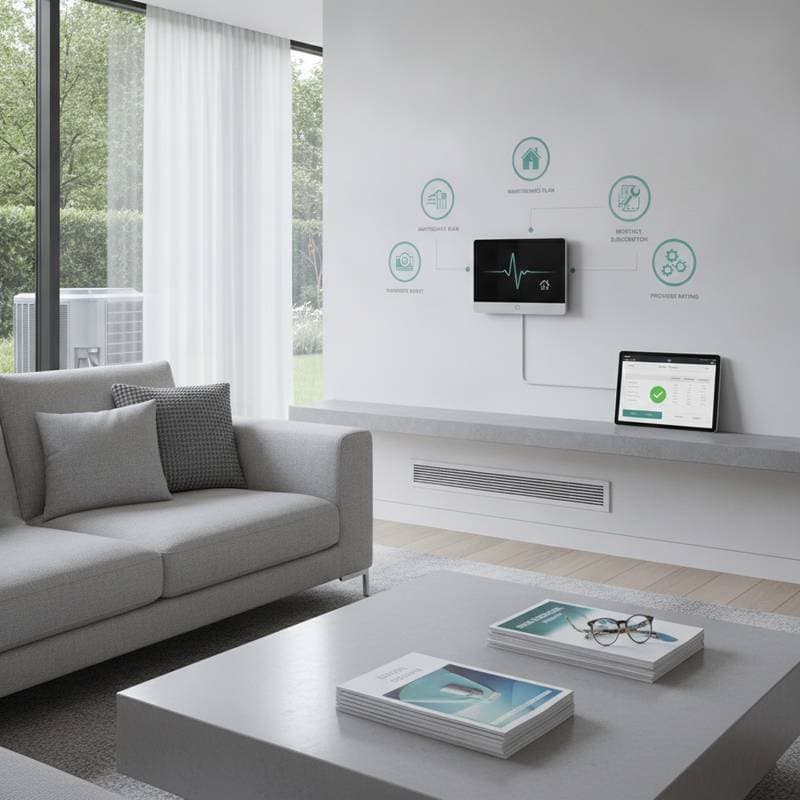
Advanced options integrate predictive maintenance features. These utilize digital tools to oversee operations continuously, alerting providers to potential faults. Such enhancements elevate the value of subscriptions beyond basic upkeep.
The Role of Predictive Maintenance in Modern HVAC Plans
Predictive maintenance leverages technology to anticipate system needs rather than respond to failures. Connected devices gather operational data, enabling early detection of inefficiencies. This method transforms traditional servicing into a forward-looking process.
The process unfolds in clear stages:
- Sensor Installation and Monitoring: Devices attach to vital components to record metrics like airflow and temperature fluctuations.
- Data Processing: Algorithms evaluate readings against established benchmarks for normal function.
- Issue Notification: Deviations, such as reduced efficiency or component stress, trigger immediate alerts to the service team.
- Proactive Intervention: Technicians address concerns promptly, averting breakdowns and preserving performance.
Homeowners benefit from uninterrupted operation and optimized energy use. Providers deliver targeted solutions, reducing overall intervention frequency while maximizing system reliability.
Key Factors That Affect HVAC Subscription Costs
Subscription pricing reflects individual circumstances and service scope. Homeowners evaluate these elements to align plans with their budgets and needs. Awareness of influencing variables aids in informed selection.
- System Type and Size: Extensive setups in larger residences demand greater effort, elevating fees.
- Service Frequency: Options range from single yearly visits to multiple sessions, impacting total cost.
- Coverage Depth: Entry-level plans focus on inspections, while comprehensive ones add repair incentives and monitoring.
- Regional Variations: Labor expenses differ by location, with metropolitan zones commanding higher premiums.
- Equipment Condition: Aging units may necessitate additional diagnostics, adjusting plan rates.
Overall, subscriptions prove more economical than isolated service payments. The bundled perks, including swift support and cost reductions, amplify their financial appeal.
DIY Maintenance vs. Professional Plans
Basic upkeep falls within homeowner capabilities, yet complex tasks require expert handling. Subscriptions complement self-managed efforts by covering specialized work. This division promotes safety and effectiveness.
What You Can Do Yourself
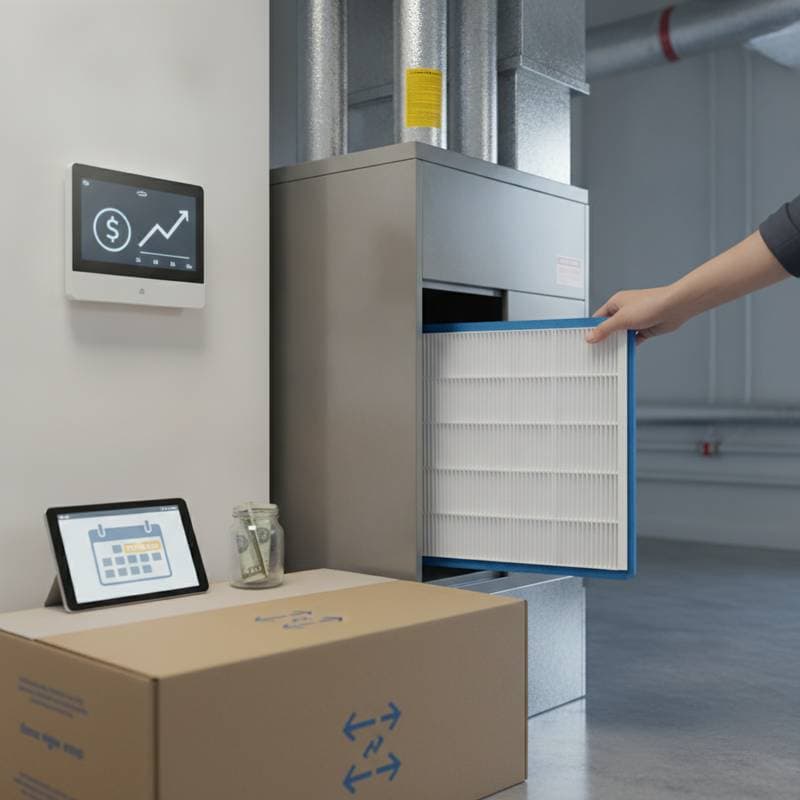
- Replace or clean air filters at intervals of one to three months
- Remove debris from outdoor units to maintain clear access
- Ensure indoor vents remain unobstructed by objects
- Verify thermostat accuracy through simple calibration checks
What Should Be Left to a Professional
- Refrigerant level assessments and recharges
- Electrical wiring inspections for hazards
- Deep cleaning of coils in evaporator and condenser units
- Gas line and combustion chamber verifications
- System control calibrations for precision
Handling refrigerants or electrical systems poses risks without proper certification. Professionals possess the necessary equipment and knowledge. Subscriptions guarantee these essential services occur without owner oversight.
Frequently Asked Questions
How much does an HVAC subscription cost each month?
Costs fluctuate based on system scale, included features, and geographic area. Typical ranges align with everyday expenses, such as a meal out or entertainment service. Review plan details to confirm value alignment with personal needs.
Are HVAC subscriptions worth it for new systems?
Regular professional attention benefits even recent installations. Such care upholds warranty terms, sustains peak efficiency, and mitigates premature component degradation. Investments in maintenance yield long-term savings and reliability.
Can I cancel my HVAC subscription anytime?
Providers often permit cancellation with advance notice, though some enforce initial commitment periods. Inquire about specific terms prior to enrollment to match flexibility requirements.
Do subscriptions cover emergency repairs?
Plans generally offer priority access and discounted repair pricing, but full coverage depends on the agreement. Some include capped repair allowances; others focus on service speed. Confirm emergency provisions during plan selection.
How do I choose the best HVAC maintenance plan?
Assess your system’s age, home size, and usage patterns first. Research provider credentials, customer feedback, and inclusion details. Select a plan that balances cost with comprehensive support tailored to your priorities.
Steps to Select and Implement Your HVAC Subscription
Choosing a subscription begins with evaluating your current system and past maintenance experiences. Contact reputable providers for customized quotes, emphasizing predictive tools and emergency protocols. Implement the plan by scheduling an initial assessment to baseline performance.
Ongoing engagement involves tracking service reports and adjusting habits like filter changes. This proactive stance ensures sustained benefits, from energy savings to enhanced durability. Homeowners who adopt these plans secure a comfortable, efficient living environment with minimal effort.