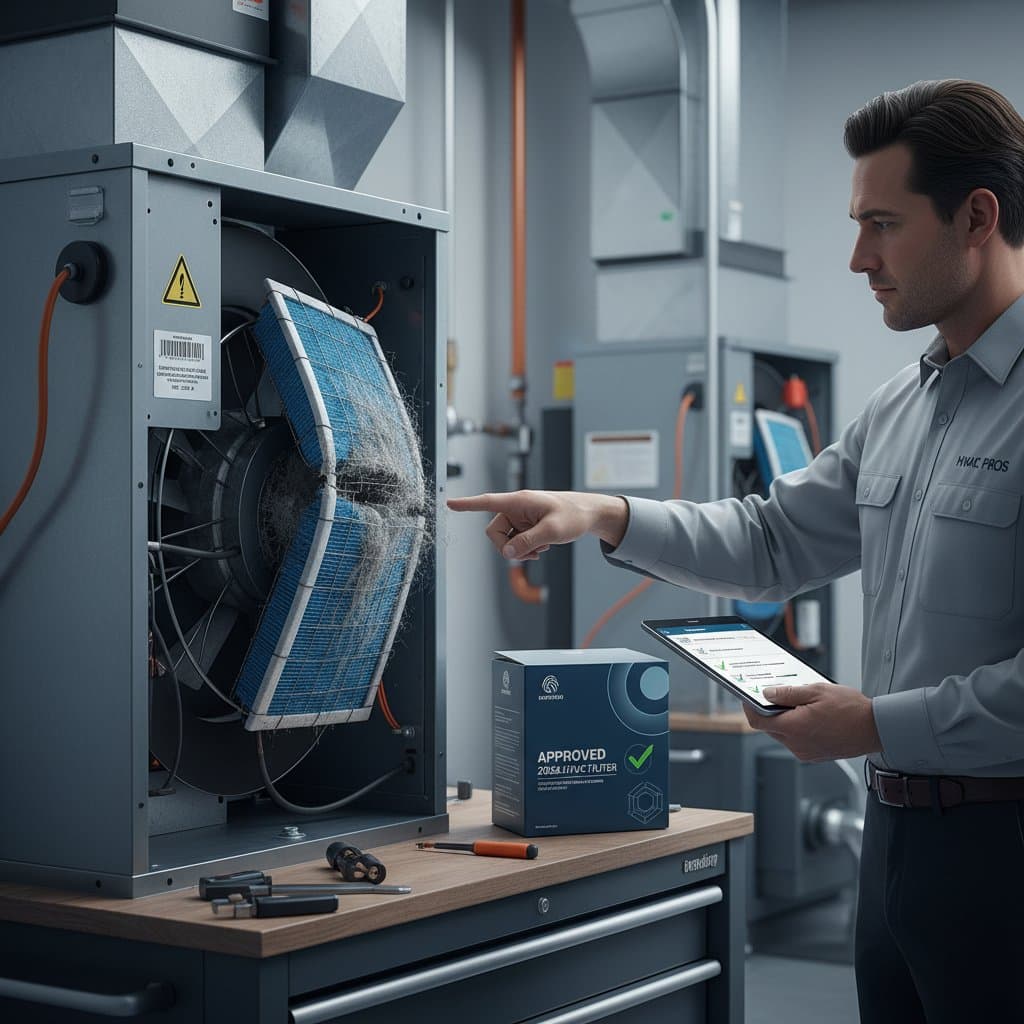
Why DIY Filters Void Your HVAC Warranty
When maintaining your HVAC system, the air filter appears straightforward. Homeowners often believe they can swap or customize filters independently without repercussions. In reality, installing DIY filters or unapproved alternatives risks voiding your warranty. This decision may result in substantial repair expenses and forfeited protection during critical moments. The following sections detail the risks of DIY filters, their impact on warranties, and strategies to safeguard your equipment and investment.
What Is an HVAC Filter?
The HVAC filter serves as an essential barrier in your heating and cooling setup. It captures dust, pollen, pet dander, and airborne particles before they reach the air handler or ducts. This action shields internal parts from wear and enhances indoor air quality. Filters vary by type, such as disposable fiberglass, pleated media, or high-efficiency options tailored to particular units.
Manufacturers specify compatible filters to preserve optimal performance. Deviating from these recommendations alters internal airflow and pressure, compelling the system to operate beyond its design parameters.
How DIY Filters Affect Your HVAC System
Constructing or adapting a filter may appear cost-effective initially, yet it invites long-term complications. HVAC units demand exact airflow and pressure balances for reliable function. Filters that prove too restrictive, inadequate, or ill-fitted disrupt this equilibrium and trigger multiple problems.
Reduced Airflow
An overly dense filter hampers air passage, straining the blower motor. This extra effort accelerates motor wear and elevates energy use by up to 15 percent in severe cases.
Poor Filtration
A loosely fitted DIY filter permits contaminants to evade capture. Accumulated dust on evaporator coils, blower blades, and duct interiors diminishes system efficiency and compromises air purity.
System Overheating or Freezing
Restricted airflow leads to overheating during heating cycles or coil freezing in cooling operations. Such scenarios activate protective shutdowns or inflict irreversible harm to compressors and heat exchangers.
Inaccurate Sensor Readings
Advanced HVAC models depend on sensors for precise temperature and pressure regulation. Disturbed airflow from mismatched filters misleads these components, causing inconsistent operation and frequent cycling.
Why DIY Filters Void Your Warranty
Warranties from HVAC manufacturers cover manufacturing flaws in materials and assembly, excluding harm from negligent upkeep. This boundary proves crucial. Opting for a DIY or non-specified filter modifies the system's engineered function.
Consider these warranty implications:
-
Non-Approved Parts: Warranty terms mandate use of certified or equivalent components. An unlisted homemade or aftermarket filter invalidates coverage upon detection.
-
Improper Maintenance Records: Claims necessitate evidence of routine servicing. Discovery of a DIY filter during inspections flags maintenance lapses as contributing factors.
-
System Damage from Restricted Airflow: Issues like coil fouling or motor failure from debris or strain qualify as user-induced, denying warranty repairs.
-
Safety and Compliance Issues: Systems adhere to rigorous efficiency and safety codes. Filter alterations compromise compliance, exposing you to liability and voiding protections.
Ultimately, any deviation from approved filters constitutes a system modification, nullifying warranty benefits.
Common Signs You May Need a Filter Change
Proper filters require periodic replacement to sustain HVAC health, even when selected correctly. Monitor these indicators for timely action:
- Weaker airflow from supply vents compared to normal output.
- Increased dust accumulation on surfaces throughout the home.
- Extended run times to achieve desired temperatures.
- Visible darkening or clogging upon filter examination.
- Unexplained spikes in monthly energy bills.
Schedule replacements using the manufacturer-recommended filter type at consistent intervals. This practice upholds airflow, ensures comfort, and preserves warranty eligibility.
Types of HVAC Filters and Which Are Safe to Use
Filters differ in construction and capability, and compatibility varies by system design. Review your owner's manual or engage a technician prior to any changes.
Fiberglass Filters
These budget-friendly, disposable options snag larger debris effectively. They suit basic setups without demands for advanced particle capture, though they offer limited defense against fine pollutants.
Pleated Filters
With expanded surface area, pleated models intercept finer particles and endure longer than flat fiberglass types. They align well with standard residential units when matching the prescribed dimensions and MERV rating.
HEPA Filters
HEPA variants excel at trapping microscopic allergens, yet their density restricts airflow significantly. Reserve them for systems engineered with compatible blower capacity; unauthorized installation risks equipment strain and warranty forfeiture.
Washable or Reusable Filters
Factory-approved reusable filters permit cleaning and reinstallation for extended use. Avoid improvised versions, as they fail to deliver uniform filtration and may introduce uneven resistance.
DIY Filter Projects vs. Hiring a Pro
The allure of custom filters or discount alternatives from retail outlets tempts many, but such shortcuts often prove expensive. Distinguish between permissible self-tasks and those requiring expertise.
Safe DIY Steps
- Inspect the filter monthly for dirt buildup using a flashlight.
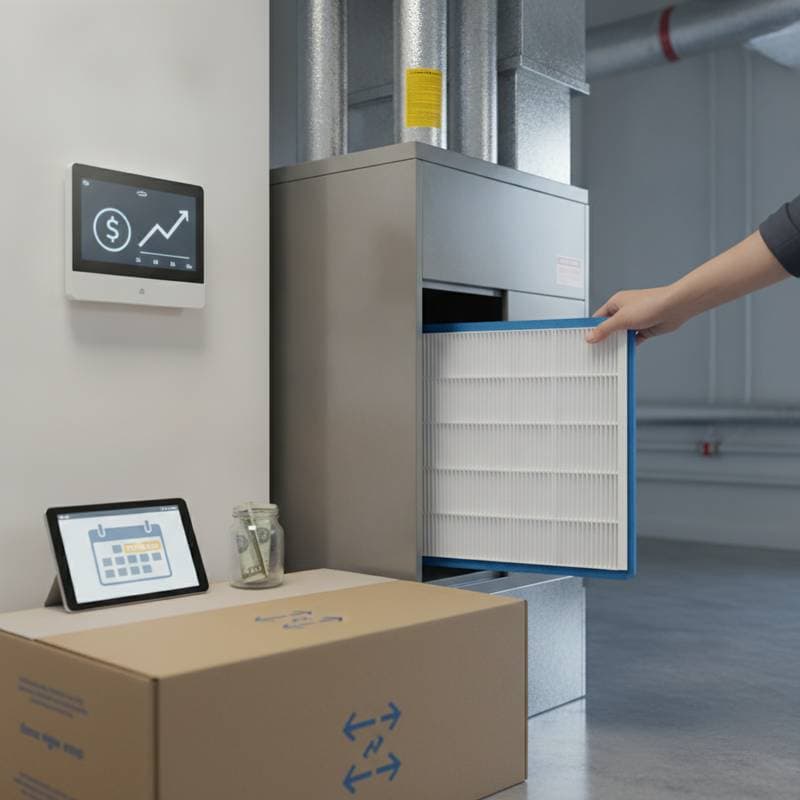
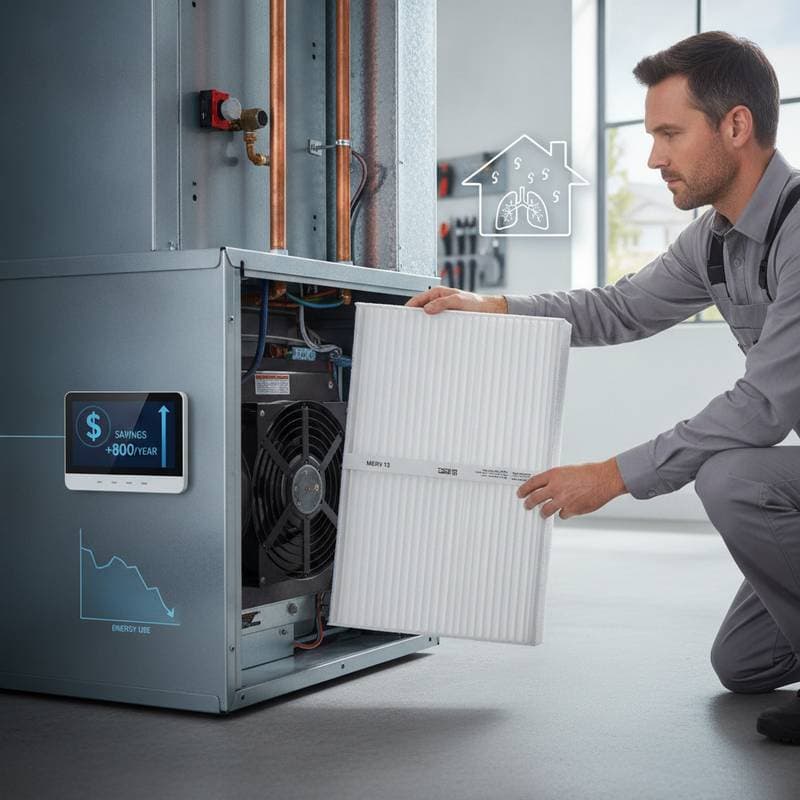
- Install only filters matching the size and specifications on the unit's access panel.
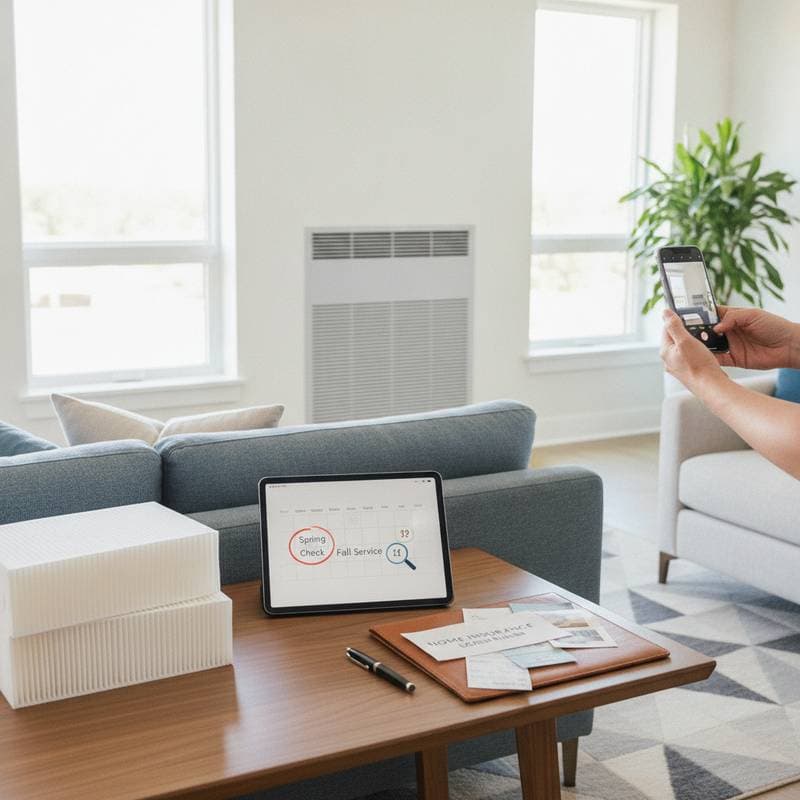
- Log replacement dates and types in a maintenance journal for reference.
Tasks for a Professional
- Measure static pressure and airflow to confirm balance post-installation.
- Diagnose motor load, coil condition, and sensor accuracy.
- Validate filter adherence to manufacturer criteria through testing.
- Generate certified service reports essential for warranty validation.
Professionals ensure filter selections optimize performance while upholding warranty terms.
Frequently Asked Questions
Can I make my own HVAC filter if I use the same materials?
No. Homemade filters lack the engineered density, seal, and airflow characteristics of approved products. They either block excessive air or permit contaminant passage, both leading to inefficiency and potential warranty invalidation.
What happens if I already used a DIY filter once?
Assuming no evident damage, a qualified technician can perform a thorough cleaning and diagnostic check. Switch to an approved filter without delay and retain service documentation to demonstrate corrective measures.
How often should I replace my HVAC filter to keep the warranty valid?
Follow the owner's manual guidelines, typically every one to three months based on household occupancy and pet presence. Retain purchase receipts and installation notes as proof of adherence.
Will using a higher MERV-rated filter void my warranty?
It may, if the elevated rating exceeds your system's airflow capacity. Higher MERV filters increase resistance; consult a professional to verify compatibility before upgrading.
Does my warranty cover damage from a clogged or incorrect filter?
No. Warranties exclude harm from neglect, such as clogs or improper installations, classifying them as maintenance failures rather than defects.
Safeguard Your System Through Proper Maintenance
Your HVAC unit represents a significant home asset warranting diligent care. Select filters precisely as specified by the manufacturer to avert risks. Pair this with annual professional inspections to document upkeep, identify emerging problems early, and secure long-term reliability and coverage.