Spring HVAC Tune-Up Prevents $800 Repair Bills
As warmer weather approaches, homeowners often overlook the importance of preparing their heating, ventilation, and air conditioning systems for the demands of spring and summer. A professional HVAC tune-up serves as a proactive measure that identifies potential issues before they escalate into expensive breakdowns. This maintenance not only safeguards your comfort but also protects your budget from unexpected repair costs averaging $800 or more.
The Value of Timing Your Tune-Up in Spring
Spring emerges as the ideal season for HVAC maintenance because systems transition from heating to cooling modes with minimal current usage. Technicians address winter accumulations of dust and debris that could impair performance during peak summer operation. By scheduling early, you ensure optimal efficiency when temperatures rise, avoiding the rush and higher rates of emergency services later in the year.
A timely tune-up enhances energy efficiency, which translates to lower utility bills. Systems operating at full capacity consume less electricity to maintain desired temperatures. Homeowners report savings of up to 15 percent on cooling costs after professional servicing.
Key Components of a Professional HVAC Tune-Up
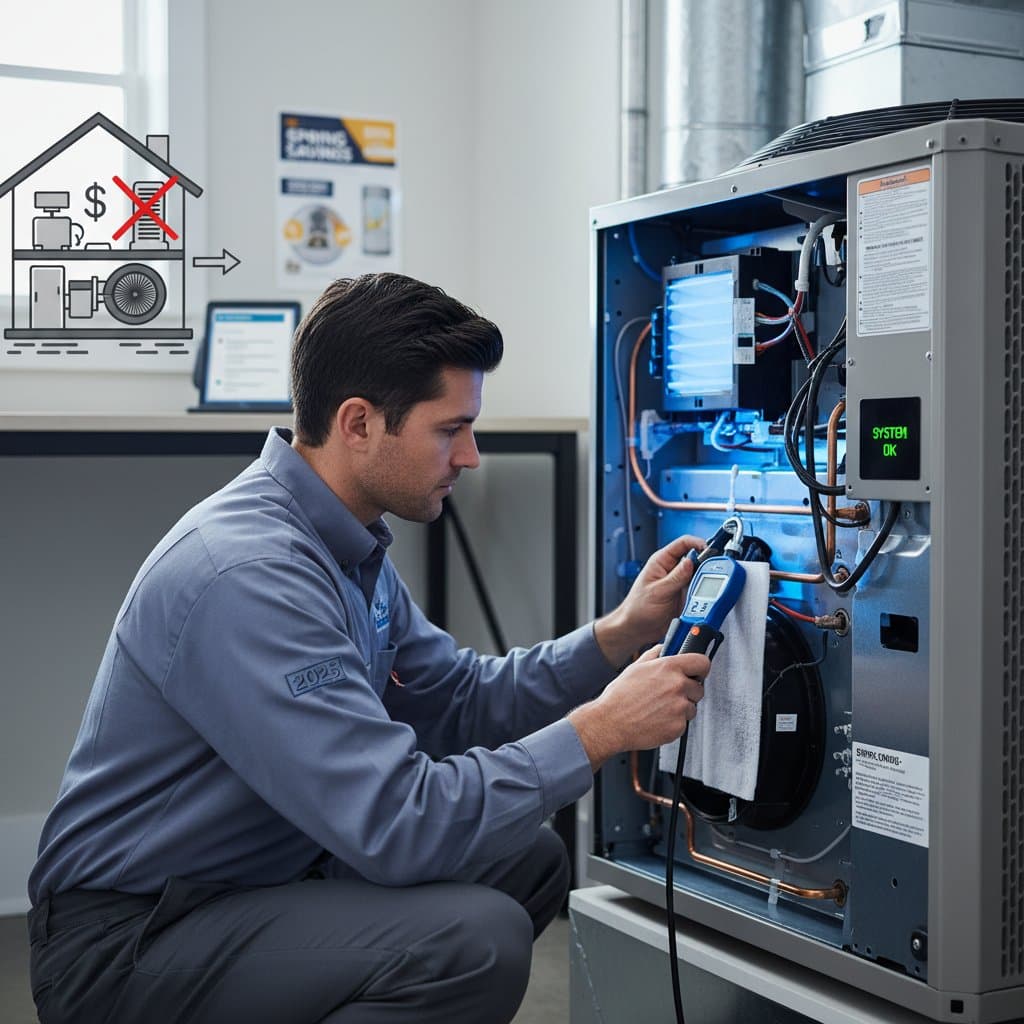
During a standard tune-up, certified technicians perform a comprehensive inspection of your system's core elements. They examine the thermostat for accuracy and calibration, ensuring precise temperature control throughout your home. Electrical connections receive thorough checks to prevent shorts or failures that lead to system shutdowns.
Inspecting and Cleaning the Air Conditioner
The outdoor condenser unit undergoes careful cleaning to remove dirt, leaves, and pollen buildup that restricts airflow. Technicians test refrigerant levels and inspect coils for corrosion or damage, which can cause inefficient cooling and higher energy use. Proper lubrication of moving parts reduces friction and extends the lifespan of the compressor and fan motor.
Evaluating the Indoor Air Handler and Ducts
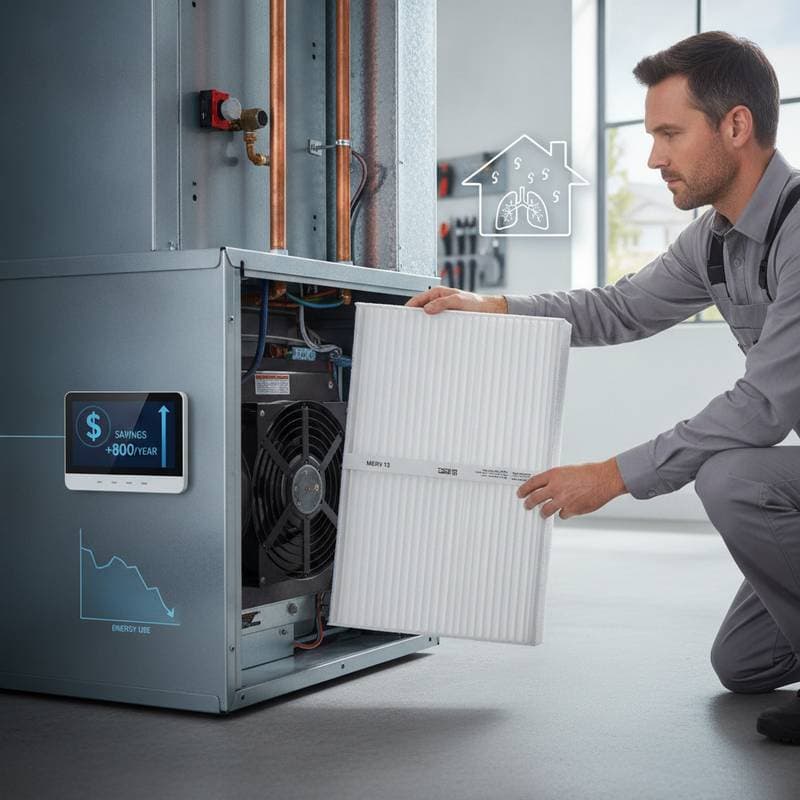
Inside, the evaporator coil receives attention to eliminate mold and dust that compromise indoor air quality. Filters get replaced or cleaned to promote better circulation and reduce strain on the blower motor. Ductwork inspection identifies leaks or blockages that waste energy and unevenly distribute air.
Recognizing Warning Signs That Demand Immediate Attention
Homeowners benefit from vigilance in spotting early indicators of HVAC trouble. Unusual noises, such as rattling or grinding from the unit, signal loose components or bearing wear. Reduced airflow from vents points to clogged filters or duct issues that diminish cooling effectiveness.
Other red flags include inconsistent temperatures across rooms or a noticeable rise in humidity levels. If the system cycles on and off frequently, it may indicate thermostat problems or low refrigerant. Addressing these signs through a tune-up prevents minor issues from developing into major failures requiring costly interventions.
- Strange odors: Burning smells suggest electrical faults; musty scents indicate mold growth.
- Higher energy bills: Sudden increases without changes in usage often stem from declining efficiency.
- Warm air from vents: This reveals compressor strain or refrigerant leaks during cooling season.
Actionable Steps to Prepare Your Home
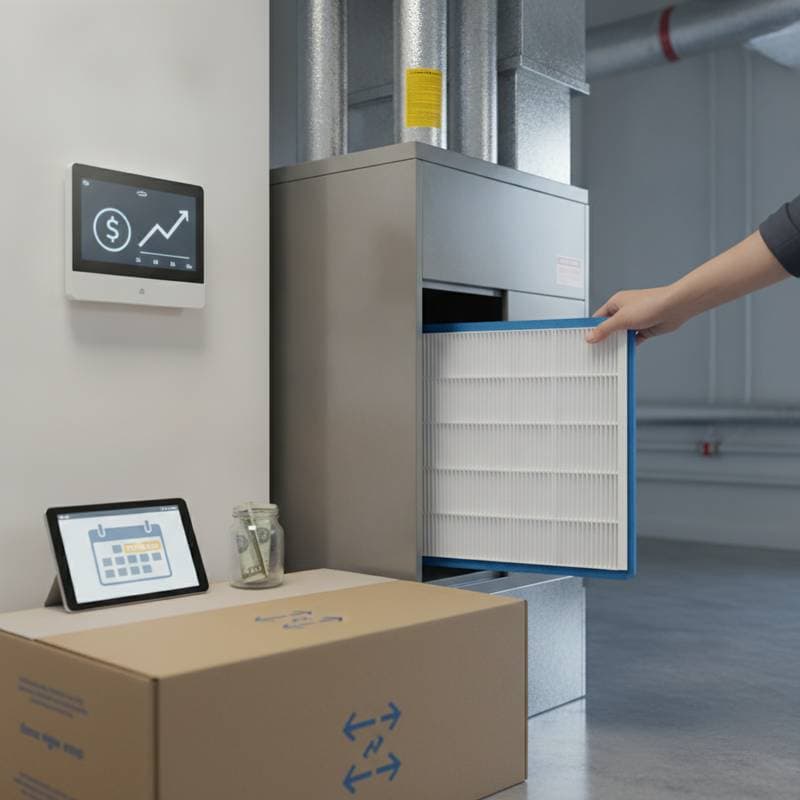
Before the technician arrives, clear debris around the outdoor unit to facilitate access. Replace disposable air filters with high-efficiency models rated MERV 8 or higher for superior filtration. Document any observed issues, like uneven cooling, to share during the visit for targeted diagnostics.
- Schedule the appointment early in spring to secure preferred dates.
- Ensure pets and valuables stay clear of work areas for safety.
- Review your system's age and usage history with the technician to discuss long-term upgrades.
Following the tune-up, monitor performance over the first few weeks. Track energy usage and comfort levels to confirm improvements. Regular annual maintenance establishes a routine that maximizes reliability.
Long-Term Benefits and Peace of Mind
Investing in a spring HVAC tune-up yields returns beyond immediate savings. Equipment longevity increases, with well-maintained systems lasting 15 to 20 years compared to 10 for neglected units. Enhanced air quality reduces allergens and respiratory irritants, promoting healthier living environments.
Financially, the upfront cost of $100 to $200 pales against average repair bills exceeding $800 for compressor replacements or duct repairs. Energy conservation contributes to environmental sustainability by lowering your carbon footprint. Ultimately, this preparation ensures seamless comfort, freeing you to enjoy spring activities without worry over system failures.